
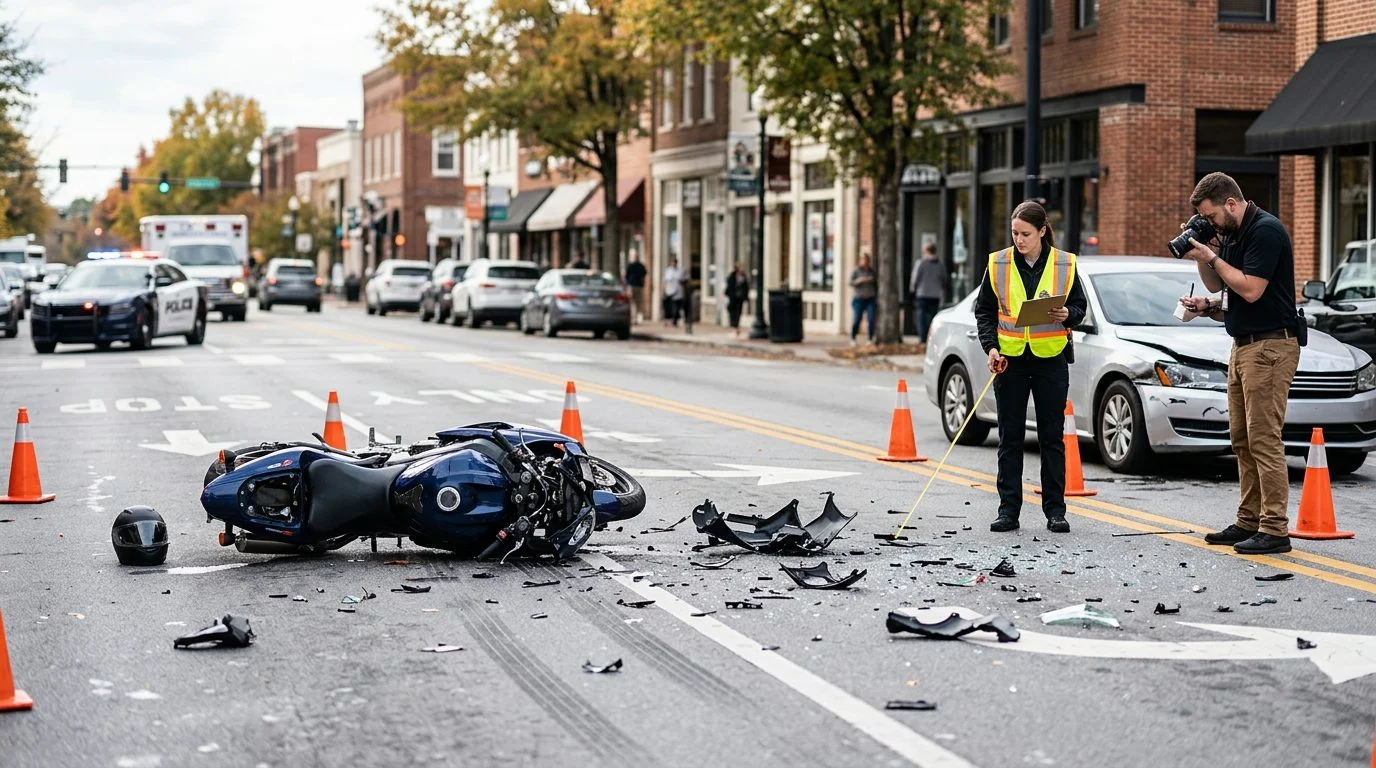
Motorcycle Accidents in Marietta
Injured in a Motorcycle Accident? Know Your Rights
Motorcyclists face unique risks on Georgia roads. If you've been hurt, we're here to help you understand what comes next and fight for fair compensation.
By Peter F. Jaraysi · Published September 22, 2026
Motorcycle Accidents in Marietta: What You Need to Know After a Crash
After a motorcycle accident in Marietta, you face unique challenges: severe injuries, complex liability questions, and insurance companies that may underestimate your claim. Understanding Georgia law and your rights is the first step toward fair compensation.
If you've been injured in a motorcycle accident in Marietta, you don't have to navigate insurance claims and liability questions alone—reach out for a free case review. Talk it through with our team — the first consultation is free, confidential, and carries no obligation.
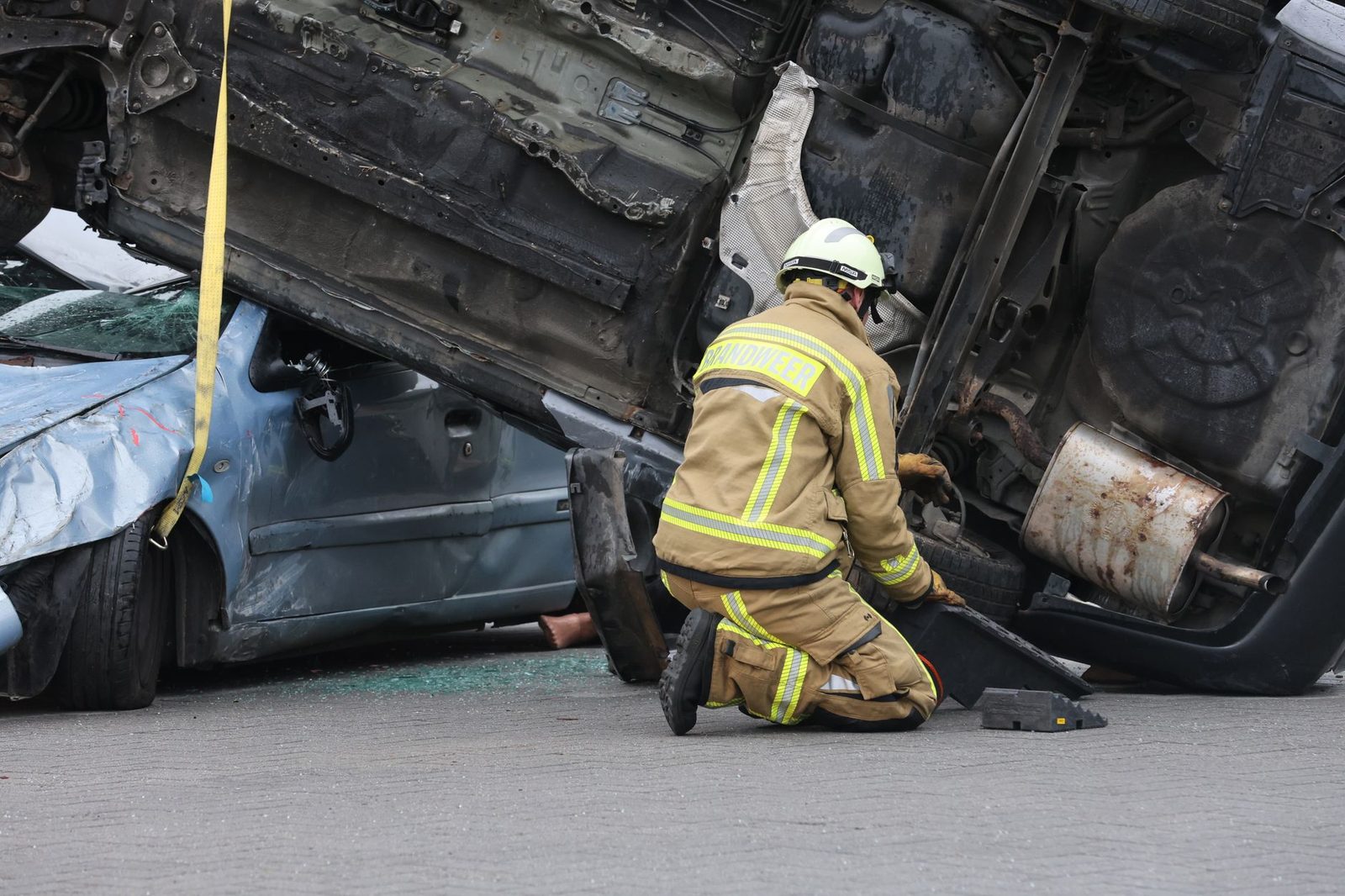
Motorcycle Accidents in Marietta: A Growing Concern
Marietta’s roads—from the I-75 and I-285 corridors to busy intersections on Cobb Parkway and Marietta Avenue—create specific hazards for riders. Motorcyclists are approximately 28 times more likely to be killed in a crash than passenger vehicle occupants, according to the National Center for Statistics and Analysis. The reason is simple: a motorcycle offers no protective shell, crumple zones, or airbags.
In the motorcycle accident cases our attorneys handle, we see patterns unique to Marietta’s geography. Suburban roads mixed with commercial traffic and highway access create conditions where drivers fail to see riders, especially at busy intersections. Road hazards—potholes, gravel, debris—that a car might absorb can throw a motorcycle off balance. These aren’t generic accidents; they’re shaped by where you ride.
Common Causes of Motorcycle Accidents in Marietta
Left-turn collisions are among the most dangerous motorcycle accidents in Marietta. A driver turning left across your path misjudges your speed or simply doesn’t see you. These happen constantly at intersections on Cobb Parkway and Marietta Avenue, where traffic is heavy and drivers are distracted.
Lane-change accidents on I-75 and I-285 occur when drivers merge without checking their mirrors or blind spots. A motorcycle’s small profile makes it easy to miss. Rear-end collisions happen when drivers follow too closely or don’t brake in time. Road hazards—potholes, loose gravel, debris—pose disproportionate risks to motorcyclists, who lack the stability of four-wheeled vehicles. Intersection accidents at high-traffic areas compound the problem: drivers turning, merging, or running red lights don’t account for a rider’s speed or presence.
Why Motorcycle Accident Claims Are Different
Motorcycle accident claims face obstacles that car accident claims don’t. Insurance companies and juries may hold unconscious bias against motorcyclists, sometimes attributing fault based on stereotypes rather than evidence. You may hear assumptions about reckless riding or lack of protective gear—even when the other driver was clearly at fault.
Injury severity is another factor. Motorcycle crashes result in broken bones, spinal cord injuries, traumatic brain injuries, and road rash that requires extensive surgery and rehabilitation. Medical documentation is critical: you must prove causation between the accident and your injuries, and that documentation must be thorough.
Georgia law also examines helmet use and comparative fault (shared responsibility). Georgia requires all motorcycle operators and passengers to wear helmets that meet federal safety standards. Helmet use is a factor in injury severity and may be examined in liability analysis—but it does not eliminate your right to compensation if the other driver was at fault.
Uninsured and underinsured motorist (UM/UIM) coverage is critical for motorcycle accident victims in Georgia. Many at-fault drivers carry minimal liability insurance that may not cover the full extent of motorcycle-related injuries. If you have UM/UIM coverage on your own policy, it can bridge that gap and protect you.
What Happens After a Motorcycle Accident in Marietta
Immediately after a crash, your priority is safety and medical attention. Call 911 if you or anyone else is injured. Move to a safe location if possible. Document the scene: take photos of vehicle damage, road conditions, traffic signals, and street signs. Get the names, phone numbers, and insurance information of the other driver and any witnesses.
File a police report and request a copy. Seek medical attention even if you feel okay; some injuries appear hours or days later. Notify your insurance company promptly, but do not admit fault or agree to a settlement without understanding the full extent of your injuries.
This is when early legal consultation protects your rights. Insurance adjusters are trained to minimize claims. They may pressure you to settle quickly, before you know the true cost of your injuries. An attorney can handle negotiations, gather evidence, and ensure you’re not settling for less than you deserve.
Liability in Georgia motorcycle accidents is determined by examining who owed a duty of care and who breached it. Did the other driver fail to see you? Did they merge unsafely? Did they run a red light? Evidence—witness statements, traffic camera footage, police reports, accident reconstruction—establishes fault.
Georgia imposes a two-year statute of limitations for filing a personal injury lawsuit. This means you have two years from the accident date to pursue legal action, or you lose the right to sue. Don’t wait; the sooner you consult an attorney, the sooner evidence can be preserved and your case can be built.
Types of Compensation in Motorcycle Accident Cases
Compensation in a motorcycle accident claim covers several categories. Medical expenses include emergency care, surgery, hospitalization, physical therapy, and ongoing treatment. Lost wages compensate you for time away from work during recovery. Lost earning capacity addresses permanent disability that reduces your future income.
Pain and suffering damages account for physical pain, emotional distress, and reduced quality of life. Property damage covers repair or replacement of your motorcycle. If a loved one was killed in the accident, wrongful death claims can recover funeral expenses, lost financial support, and the loss of companionship.
Not sure what your next step is?
Talk it through with our team — the first consultation is free, confidential, and carries no obligation.
How a Marietta Motorcycle Accident Attorney Can Help
An experienced attorney investigates the accident thoroughly: gathering police reports, witness statements, traffic camera footage, and accident reconstruction if needed. Accident reconstruction experts can analyze road conditions, vehicle speeds, and sight lines to establish how the crash occurred and who was at fault.
Your attorney handles insurance negotiations so you don’t settle too early or accept too little. Insurance adjusters know that many injured riders feel desperate for quick resolution. An attorney levels the playing field, countering lowball offers with evidence of your actual losses and the severity of your injuries.
Bias and stereotypes are real obstacles in motorcycle cases. An attorney who understands these dynamics can counter them in settlement negotiations and, if necessary, in front of a jury. We calculate fair compensation based on your medical records, lost wages, and the long-term impact of your injuries—not on assumptions about motorcyclists.
If a fair settlement cannot be reached, your attorney prepares the case for trial, presenting evidence clearly and advocating for your rights in court.
Georgia Law and Your Rights
Georgia’s comparative negligence rule allows you to recover damages even if you are partially at fault, as long as you are less than 50% responsible for the accident; if you are 50% or more at fault, you recover nothing. This is important: if you were speeding but the other driver ran a red light, you may still have a valid claim. Your recovery is reduced by your percentage of fault, but you’re not barred from compensation unless your share reaches that threshold.
Georgia requires all drivers to carry liability insurance. Mandatory coverage includes bodily injury and property damage liability. If the at-fault driver carries only minimum coverage, it may not be enough to cover your injuries. This is where UM/UIM coverage on your own policy becomes essential.
Georgia’s helmet law requires all riders to wear helmets. Helmet use is examined in injury severity and comparative fault analysis, but it does not eliminate your right to compensation. The law recognizes that even helmeted riders suffer catastrophic injuries in motorcycle accidents.
Uninsured motorist coverage protects you if the at-fault driver has no insurance. Underinsured motorist coverage bridges the gap if their insurance is insufficient. Both are critical protections for riders in Georgia.
The two-year statute of limitations is firm. If you don’t file a lawsuit within two years of the accident, you lose the right to pursue compensation through the courts. Insurance claims can sometimes move faster, but don’t rely on that timeline. Consult an attorney early to ensure your rights are protected.
Frequently Asked Questions
What should I do immediately after a motorcycle accident in Marietta?
Call 911, move to safety if possible, document the scene with photos, get the other driver’s information and witness contact details, file a police report, and seek medical attention.
How is fault determined in a motorcycle accident in Georgia?
Fault is established by examining who owed a duty of care, who breached it, and what evidence—witness statements, traffic signals, police reports, accident reconstruction—supports liability.
What types of compensation can I recover after a motorcycle crash?
You can recover medical expenses, lost wages, lost earning capacity, pain and suffering, property damage to your motorcycle, and in wrongful death cases, funeral expenses and loss of companionship.
How long do I have to file a lawsuit after a motorcycle accident in Georgia?
Georgia law gives you two years from the accident date to file a personal injury lawsuit, or you lose the right to sue.
What is Georgia’s comparative negligence rule?
You can recover damages even if partially at fault, provided you are less than 50% responsible for the accident; your recovery is reduced by your percentage of fault, and if you are 50% or more at fault you recover nothing.
Why do motorcycle accidents result in more severe injuries?
Motorcycles lack the protective structure, crumple zones, and airbags of passenger vehicles, exposing riders to direct impact and road contact.
What role does helmet use play in a Georgia motorcycle accident claim?
Helmet use is examined in injury severity and comparative fault analysis, but it does not eliminate your right to compensation if the other driver was at fault.
What is uninsured motorist coverage and why is it important?
UM/UIM coverage protects you if the at-fault driver is uninsured or underinsured; it bridges the gap when their liability insurance is insufficient to cover your injuries.
If you’ve been injured in a motorcycle accident in Marietta, you don’t have to navigate insurance claims and liability questions alone. Riders in your situation reach out regularly for a free case review—contact our team today to discuss what happened and what your claim may be worth.
Act Quickly After Your Accident
Call 911 immediately, move to safety if possible, document the scene with photos, collect the other driver's information and witness contact details, and seek medical attention—even if injuries aren't obvious. A police report creates an official record that matters for your claim.
What Happens After a Motorcycle Accident
Fault & Liability
Georgia law examines who owed a duty of care and breached it. Fault is determined by police reports, witness statements, traffic laws, and the circumstances of the crash. You may have a claim even if you were partially at fault.
Your Damages
You may be entitled to recover medical expenses, lost wages, property damage, pain and suffering, and other losses caused by the accident. The full scope depends on the severity of your injuries and the other driver's liability.
Insurance & Settlement
The at-fault driver's insurance typically covers your claim. Many cases settle without trial, but we're prepared to pursue full compensation through every avenue available.
Time Matters
Georgia law sets deadlines for filing claims and lawsuits. Delays can hurt your case. Contact us as soon as possible so we can protect your rights and gather evidence while it's fresh.
Why Motorcyclists Choose Slam Dunk Attorney
We Understand Motorcycle Injuries
Motorcycle accidents often cause severe injuries because riders lack the protection of a vehicle frame. We know how to value these claims and fight for the compensation you deserve.
Thorough Investigation
We gather police reports, witness statements, accident reconstruction analysis, medical records, and insurance information to build a strong case on your behalf.
Direct Communication
You'll work directly with our team. We keep you informed every step of the way and answer your questions in plain language.
Focused on Your Recovery
Our goal is to secure the resources you need to heal and move forward. We handle the legal work so you can focus on what matters most.