
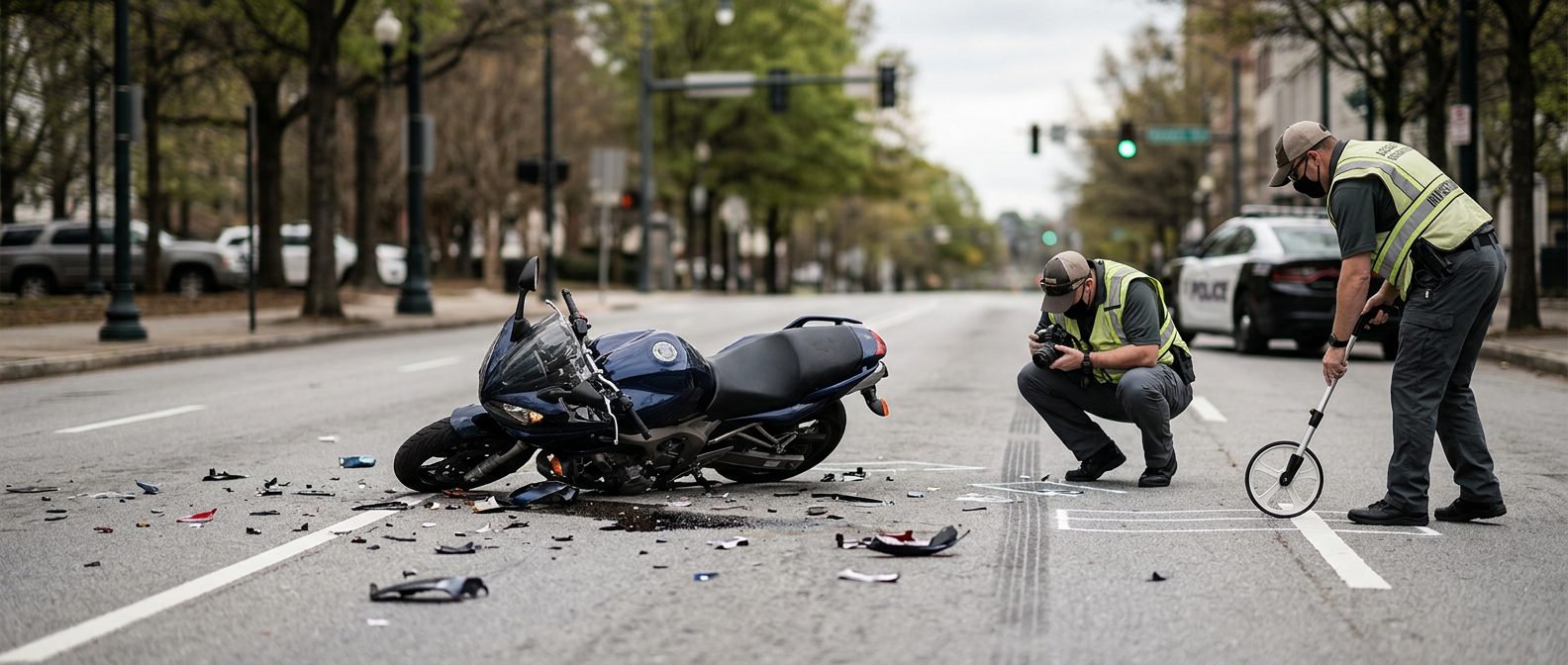
Motorcycle Accidents | Duluth, Georgia
Hurt in a Motorcycle Crash? Understand What Caused It and Who May Be Responsible
Riders across metro Atlanta and Georgia face unique risks on the road. Our team helps injured riders and their families understand the causes of a crash and the options available under Georgia law.
By Peter F. Jaraysi · Published October 27, 2026
What Causes Motorcycle Accidents in Georgia? Common Liability Factors
Motorcycle accidents in Georgia often result from driver negligence, poor road conditions, or unsafe property maintenance. Understanding what caused your crash is the first step in determining whether someone else’s carelessness played a role and whether you may have a right to pursue compensation.
If another driver's carelessness or a property owner's neglect caused your motorcycle crash, you may have a right to pursue compensation—and you don't have to figure it out alone. Talk it through with our team — the first consultation is free, confidential, and carries no obligation.
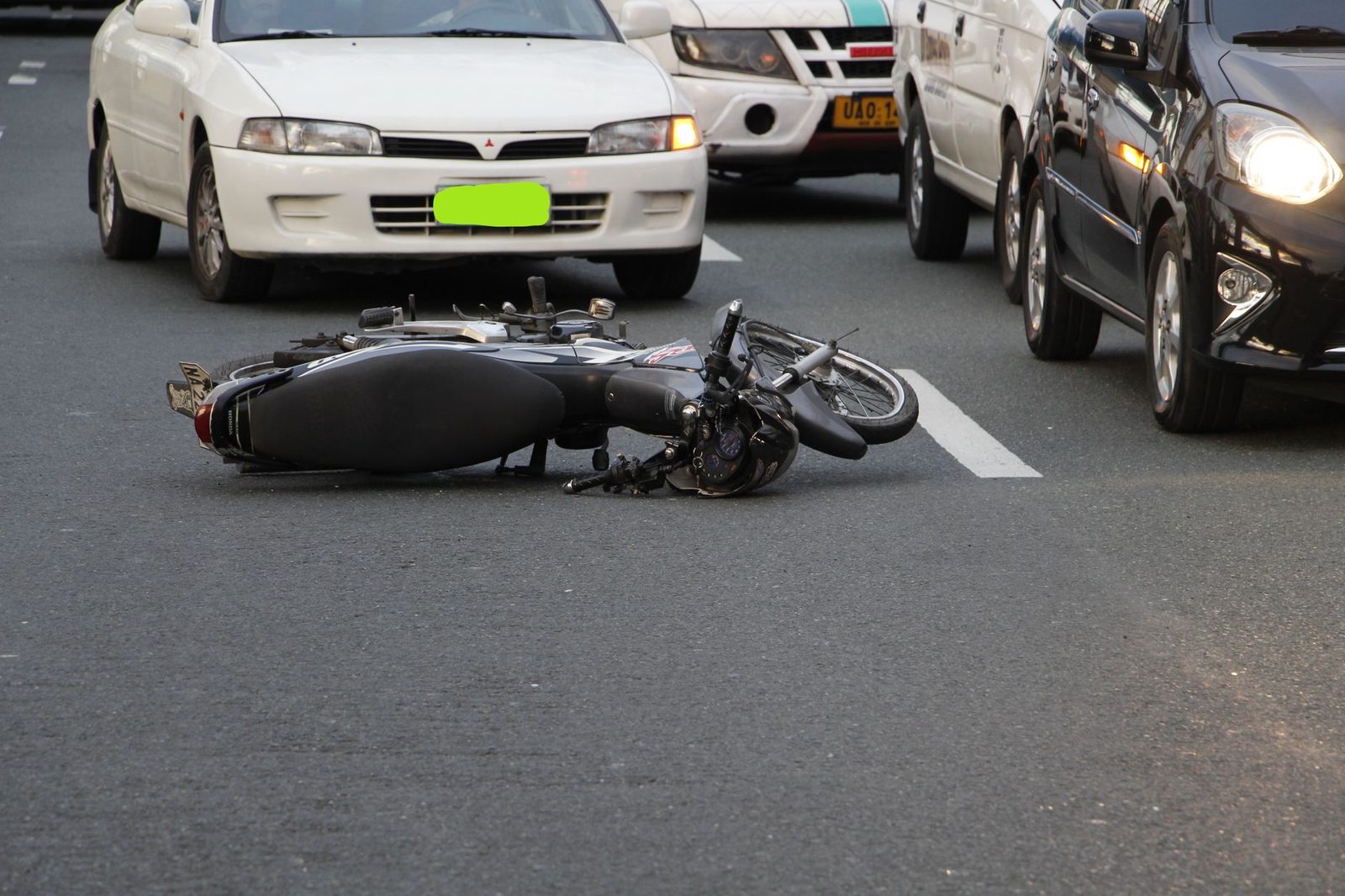
Why Motorcycle Accidents Happen: The Most Common Causes in Georgia
Motorcycle accidents arise from a combination of road conditions, vehicle behavior, and visibility challenges unique to riding. Unlike cars, motorcycles offer no protective shell, require more skill to control in emergencies, and are far easier for other drivers to miss. When you understand what caused your accident, you’re better positioned to identify whether negligence—someone’s failure to exercise reasonable care—played a role.
Georgia law holds drivers and property owners responsible when their careless actions or failure to maintain safe conditions leads to injury. This principle applies whether the negligence occurred on the road, in a parking lot, or on private property where your motorcycle was damaged or you were injured.
Driver Error and Negligence: The Leading Cause of Motorcycle Crashes
Most motorcycle accidents involve another driver’s failure to see the motorcycle or to drive safely. Here are the most common scenarios:
Left-turn collisions are among the most dangerous. A car turning left in front of an oncoming motorcycle often occurs at intersections when the driver fails to see the smaller vehicle or misjudges its speed. These crashes frequently result in serious injuries because the motorcycle cannot stop or swerve in time.
Lane changes without checking happen when a driver changes lanes or merges without looking for motorcycles in blind spots. Motorcycles are smaller and easier to miss, especially at night or in poor visibility.
Rear-end collisions occur when a driver follows too closely or fails to brake in time when a motorcycle slows or stops. Motorcycles can decelerate faster than cars, and inattentive drivers often don’t react quickly enough.
Failure to yield at intersections includes running red lights or stop signs, or failing to yield the right of way when required by law. These violations are clear negligence.
Distracted driving—texting, phone use, eating, or adjusting the radio—prevents a driver from seeing a motorcycle. Even a momentary lapse in attention can be fatal.
In each of these scenarios, the driver’s failure to exercise ordinary care is negligence. Under Georgia’s modified comparative-fault rule, if you were less than 50 percent responsible for the accident, you may recover compensation reduced by your percentage of fault. If you were 50 percent or more at fault, you recover nothing.
Road and Environmental Factors That Contribute to Motorcycle Accidents
Not all motorcycle accidents result from driver error. Road conditions and property maintenance play a significant role.
Potholes, debris, and uneven pavement are minor hazards for cars but can cause a motorcycle to lose traction or control. A pothole that a car driver barely notices can throw a motorcycle off balance or cause a crash.
Gravel, oil, or wet leaves on the road reduce tire grip and stability. These surfaces are especially dangerous for motorcycles, which rely on precise traction for cornering and braking.
Poor road maintenance by Georgia municipalities or private property owners can create liability. An owner or occupier of land is liable in damages for injuries caused by failure to exercise ordinary care in keeping the premises and approaches safe. If a property owner knew of a dangerous condition—a pothole, debris, or uneven surface—and failed to repair or warn of it, they may be responsible for your injury.
Inadequate lighting or signage at intersections or curves reduces visibility for all riders. Intersections with poor lighting or missing warning signs increase the risk of collisions.
Weather conditions like rain, fog, and wind reduce visibility and traction. While weather affects all vehicles, motorcycles are more vulnerable because they have only two points of contact with the road.
Motorcycle-Specific Vulnerabilities and How They Factor Into Liability
Motorcycles are inherently different from cars in ways that affect accident liability:
Visibility is the biggest factor. Motorcycles are smaller and easier to miss, especially in blind spots, at night, or when a driver is distracted. When a driver’s negligence takes advantage of this vulnerability—such as failing to check blind spots or driving too fast for conditions—liability rests with that driver.
Stability requires more skill. Motorcycles demand precise handling in emergency maneuvers or on slippery surfaces. A car driver’s negligence that forces a motorcycle rider into an emergency maneuver may be the direct cause of the crash.
Protection is absent. Unlike cars with airbags, seat belts, and metal frames, motorcycles offer no protective shell. Even a low-speed collision can cause serious injury or death. This reality means that even seemingly minor accidents can result in significant damages.
When a driver’s negligence exploits these vulnerabilities, liability is clear.
Unsafe Property Conditions and Negligent Security
Motorcycle accidents don’t always happen on public roads. If you were injured on private property, the property owner may be liable.
Parking lots with poor lighting or lack of security increase the risk of theft, vandalism, or assault on a parked motorcycle. If a property owner knew of these risks and failed to take reasonable steps to prevent them, they may be liable.
Inadequate maintenance of private roads or driveways—potholes, debris, or hazards—can cause a motorcycle to crash. An owner or occupier shall be liable for negligent security only if the plaintiff proves the wrongful conduct by a third person was reasonably foreseeable and the owner or occupier failed to exercise ordinary care.
Failure to warn of known hazards is also negligence. If a property owner knew of a dangerous condition but failed to post warnings or repair it, liability may follow.
Not sure what your next step is?
Talk it through with our team — the first consultation is free, confidential, and carries no obligation.
How Long Do You Have to File a Motorcycle Accident Claim in Georgia?
Time is critical. Georgia law gives you two years from the date of the accident to file a lawsuit for most motorcycle accidents. This deadline applies whether the accident involved another driver, a property owner, or a negligent security failure.
Waiting until the last moment can complicate your case and limit your options. Starting the process early allows time to investigate, gather evidence, and negotiate with insurance companies.
What to Do After a Motorcycle Accident in Georgia
Your immediate actions after a crash can strengthen your claim:
- Seek medical attention immediately, even if injuries seem minor. Document all treatment.
- Call police and obtain a copy of the accident report.
- Document the scene: Take photos of vehicle damage, road conditions, traffic signs, weather, and lighting.
- Collect contact information from witnesses and the other driver.
- Report the accident to your insurance company.
- Do not admit fault or sign anything without legal advice.
- Contact an attorney as soon as possible to protect your rights and preserve evidence.
Frequently Asked Questions
Should I hire a lawyer for a motorcycle accident?
If another party’s negligence caused your accident, an attorney can investigate, gather evidence, and negotiate with insurers. Insurance companies often undervalue motorcycle claims or deny them.
How much can you sue for a motorcycle accident?
Compensation depends on injury severity, medical costs, lost income, and the degree of negligence. Personal injury claims can involve economic losses, such as medical bills and lost wages, and non-economic losses, such as pain, suffering, and emotional distress.
How much do accident lawyers charge in Georgia?
Our first consultation is free, confidential, and comes with no obligation to continue. You may still be responsible for court costs and case expenses, even if the case doesn’t result in recovery.
What if I was partly at fault?
Georgia’s comparative-fault rule allows you to recover if you were less than 50 percent responsible. Your recovery is reduced by your percentage of fault (O.C.G.A. § 51-12-33; Quynn v. Hulsey (2020)).
If you were injured in a motorcycle accident in Lawrenceville, Alpharetta, Johns Creek, or elsewhere in metro Atlanta, and you believe another driver’s negligence or a property owner’s failure to maintain safe conditions caused your crash, reach out to discuss what may be possible. You don’t have to navigate this alone—contact Slam Dunk Attorney for a free case review.
How Our Firm Can Help After a Motorcycle Crash
Investigating the Crash
We look at police reports, photos, witness information, and other records to build a clear picture of how the collision happened.
Dealing With Insurance Companies
Insurers often move quickly and may undervalue motorcycle claims. Our lawyers handle communication with adjusters so you can focus on recovering.
Documenting Your Injuries
We help you keep track of medical treatment, lost income, and everyday limits so the full impact of the crash is understood.
Talking Through Your Options
Every case is different. We explain the process in plain language and answer your questions honestly at every step.
Before You Talk to an Insurance Adjuster
Adjusters may ask for a recorded statement soon after a crash. Speaking with a lawyer first can help you avoid saying something that is later misunderstood.
Common Causes of Motorcycle Crashes
Left-Turn and Intersection Collisions
Drivers turning in front of motorcycles, or pulling out from side streets, are a frequent cause of serious rider injuries in metro Atlanta.
Lane Changes and Blind Spots
Motorcycles are small and easy to miss. Drivers who change lanes without checking their mirrors or blind spots can cause severe crashes.
Road Hazards and Poor Conditions
Potholes, debris, loose gravel, and poorly maintained roadways can cause riders to lose control, especially on two wheels.
Distracted, Speeding, or Impaired Drivers
Phone use, speeding, and driving under the influence put riders at risk. These choices can turn an ordinary ride into a catastrophic injury.