
Motorcycle Accidents | Duluth, Georgia
After a Motorcycle Crash in Georgia, the First Steps Matter
Learn what to do at the scene, which records to keep, and how to protect your claim while you focus on your recovery. Our team in Duluth represents injured riders and their families across metro Atlanta and Georgia.
By Peter F. Jaraysi · Published October 21, 2026
A motorcycle crash can leave you hurt, shaken, and buried in paperwork. What you do at the scene and in the days after can shape how your injury claim is documented later. This guide walks through the accident scene steps in order, with the Georgia rules that explain why each one matters.
What should I do at the accident scene and in the first days afterward to protect a future injury claim?
Protecting a future injury claim starts with safety and medical care. Next, record the scene while details are fresh. Then keep records and evidence over the following days.
Think of the process in three phases: the scene itself, the first hours, and the first days. Each phase builds on the one before it. The steps below are general information about Georgia injury claims, not legal advice about your specific crash.
If you're still piecing together what happened after your motorcycle crash, our team is glad to talk it through with you. Talk it through with our team — the first consultation is free, confidential, and carries no obligation.
What should I do first at the scene of a motorcycle crash?
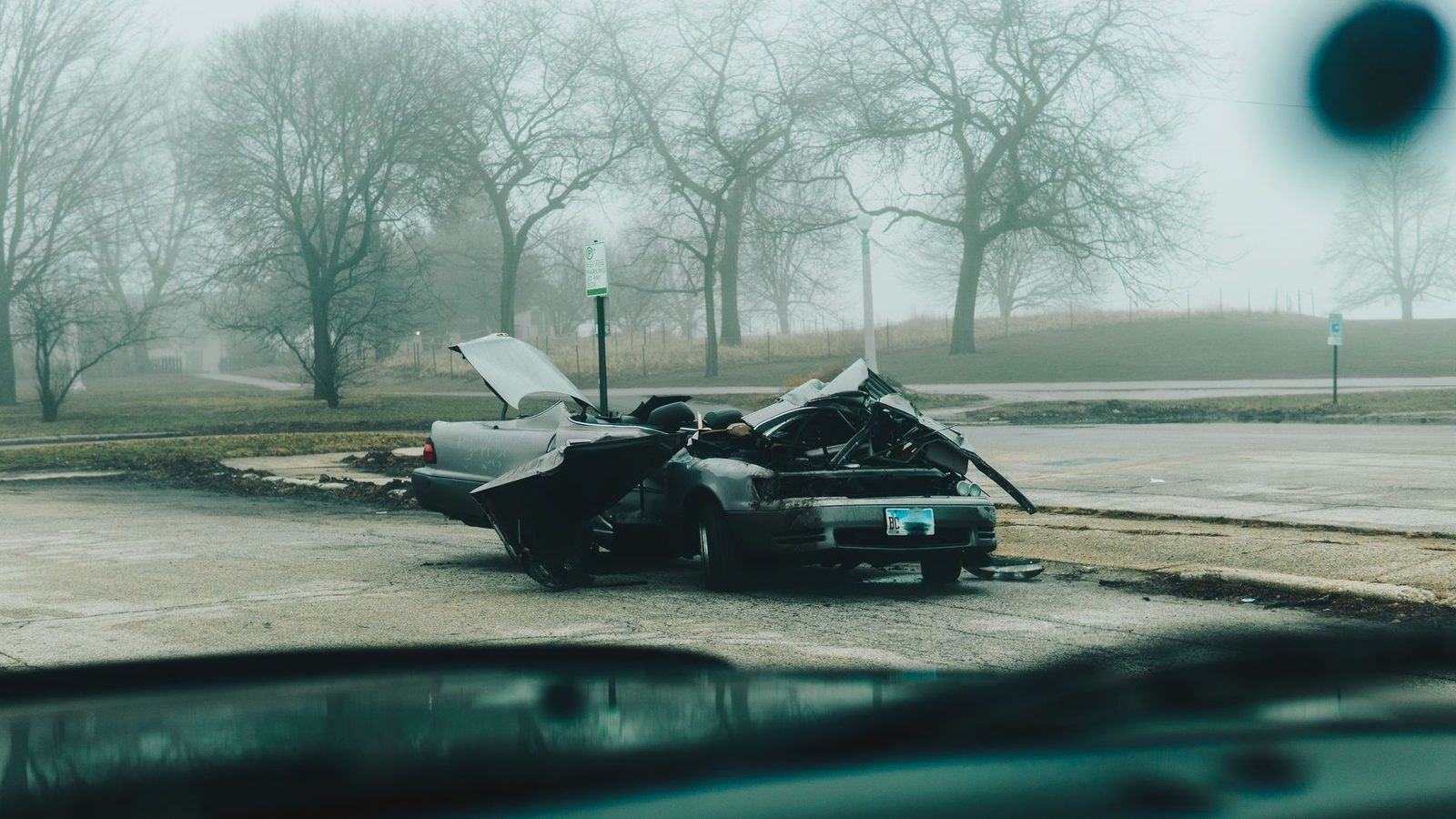
Check for injuries and call 911 right away. Ask for medical help even if you feel fine. Some injuries are hard to notice in the moment. Traumatic brain injuries can result from automobile accidents, according to the Administration for Community Living.
Move out of traffic only if you can do it without making your injuries worse. If your motorcycle or another vehicle still runs, turn on the hazard lights.
Do not admit fault or guess at what caused the crash. Say only what you know. Keep talks with the other driver short and calm.
Which information and evidence should be gathered at the scene?
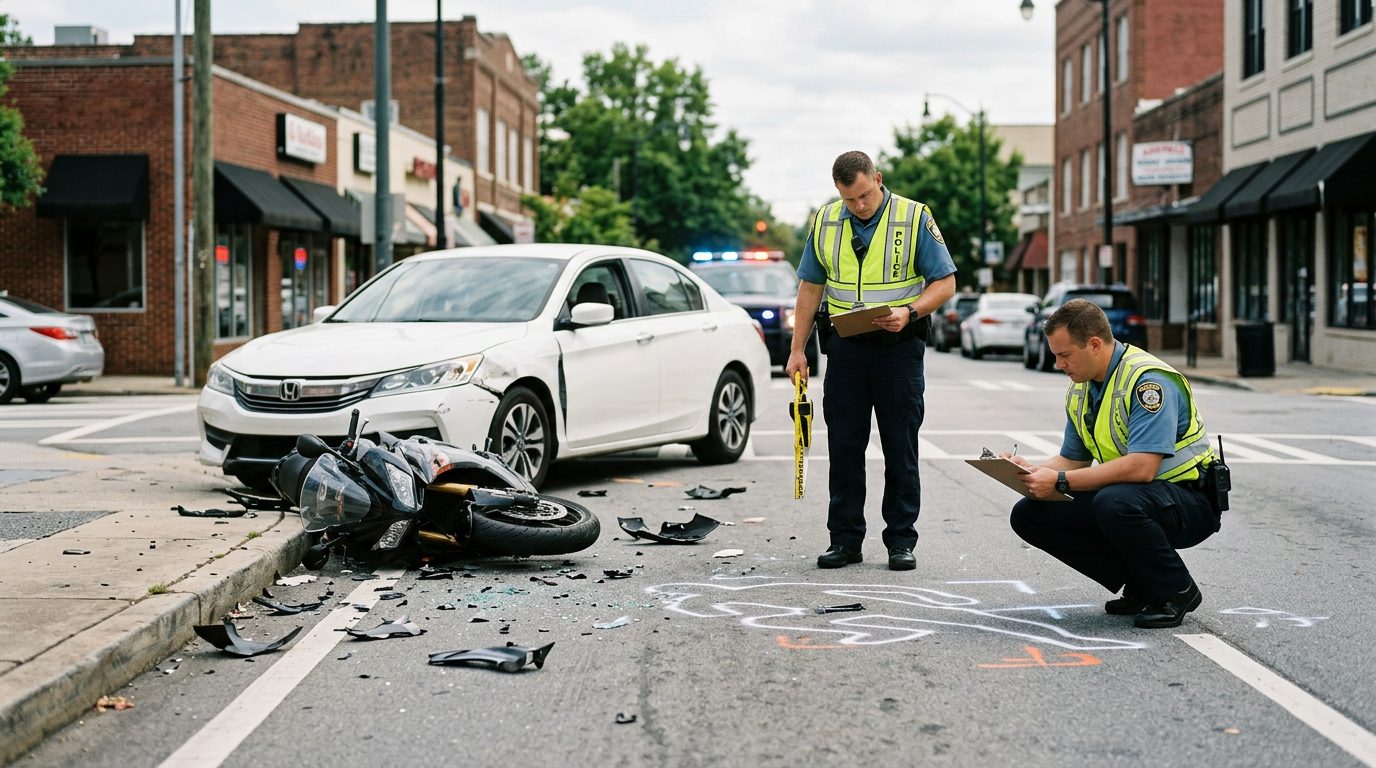
Collect scene facts before you leave, if you can. Good records help show what really happened. Try to gather these items:
- The other driver’s name, phone number, insurance company, and policy number.
- The license plate and a description of the other vehicle.
- Names and contact details of any witnesses, plus what each one saw.
- Photos of the scene, traffic signs or signals, skid marks, debris, and vehicle damage.
- Photos of your motorcycle and gear, including your helmet, from several angles.
- The police report number, the officer’s name and badge number, and how to get the completed report.
- The time, weather, lighting, and order of events, written down while fresh.
Memory fades fast. Details you skip now are hard to rebuild in a week. Writing the sequence down the same day helps keep it accurate.
What should be done in the first days after a motorcycle accident to protect an injury claim?
Get a medical evaluation promptly and follow the treatment plan. Keep every bill, receipt, prescription record, and mileage log for trips to appointments. Gaps in care can make it harder to link your injuries to the crash.
Georgia law limits medical expense damages to the reasonable value of medically necessary care. Both sides may challenge whether a bill is reasonable or whether treatment was needed, under O.C.G.A. § 51-12-1.1. That is why your records matter.
Keep a simple daily journal. Note pain, sleep, work limits, trouble with daily tasks, and how you feel emotionally. Track lost wages, and ask your employer for a letter if you can.
Keep your damaged gear, clothing, and motorcycle as they are. Do not repair, sell, or scrap them until you have talked with our team about preserving them.
How should you handle calls from insurance adjusters after a Georgia motorcycle crash?
Keep calls with insurance adjusters brief. Give basic facts, such as your name and the date of the crash. Then stop and think before you say more.
Be careful before you agree to a recorded statement. Read any medical authorization form closely before you sign it. Know what it allows others to request.
Avoid posting about the crash, your injuries, or your activities on social media. Posts can be taken out of context.
Do not accept a settlement offer or sign a release until your injuries and future medical needs are clearer.
Your own auto policy may also matter. Georgia auto policies must include coverage for injuries caused by an uninsured driver, under O.C.G.A. § 33-7-11. The Insurance Information Institute explains how uninsured and underinsured motorist coverage works.
What Georgia deadlines and fault rules should a motorcycle accident victim know?
Georgia generally requires a personal injury lawsuit within two years after the right of action accrues.
Some claims have shorter steps. A claim for money damages against a city on account of injuries to person or property must be presented in writing to the city’s governing authority within six months of the event the claim is based on, under O.C.G.A. § 36-33-5. A tort claim against the state requires written notice within 12 months of the date the loss was discovered or should have been discovered, under O.C.G.A. § 50-21-26.
Fault matters too. Georgia uses modified comparative fault, which reduces damages by your percentage of fault, under O.C.G.A. § 51-12-33. If you are 50 percent or more responsible, you cannot receive damages.
Georgia also requires motorcycle riders to wear protective headgear that meets state standards, under O.C.G.A. § 40-6-315. A motorcycle without a windshield requires an approved eye-protective device. O.C.G.A. § 40-6-315 reads: “(b) No person shall operate or ride upon a motorcycle if the motorcycle is not equipped with a windshield unless he or she is wearing an eye-protective device of a type approved by the commissioner of public safety.” Helmet questions can come up, so keep your gear as it is.
Deadlines and fault questions depend on the facts of each crash.
Not sure what your next step is?
Talk it through with our team — the first consultation is free, confidential, and carries no obligation.
Talking through your motorcycle accident with our team
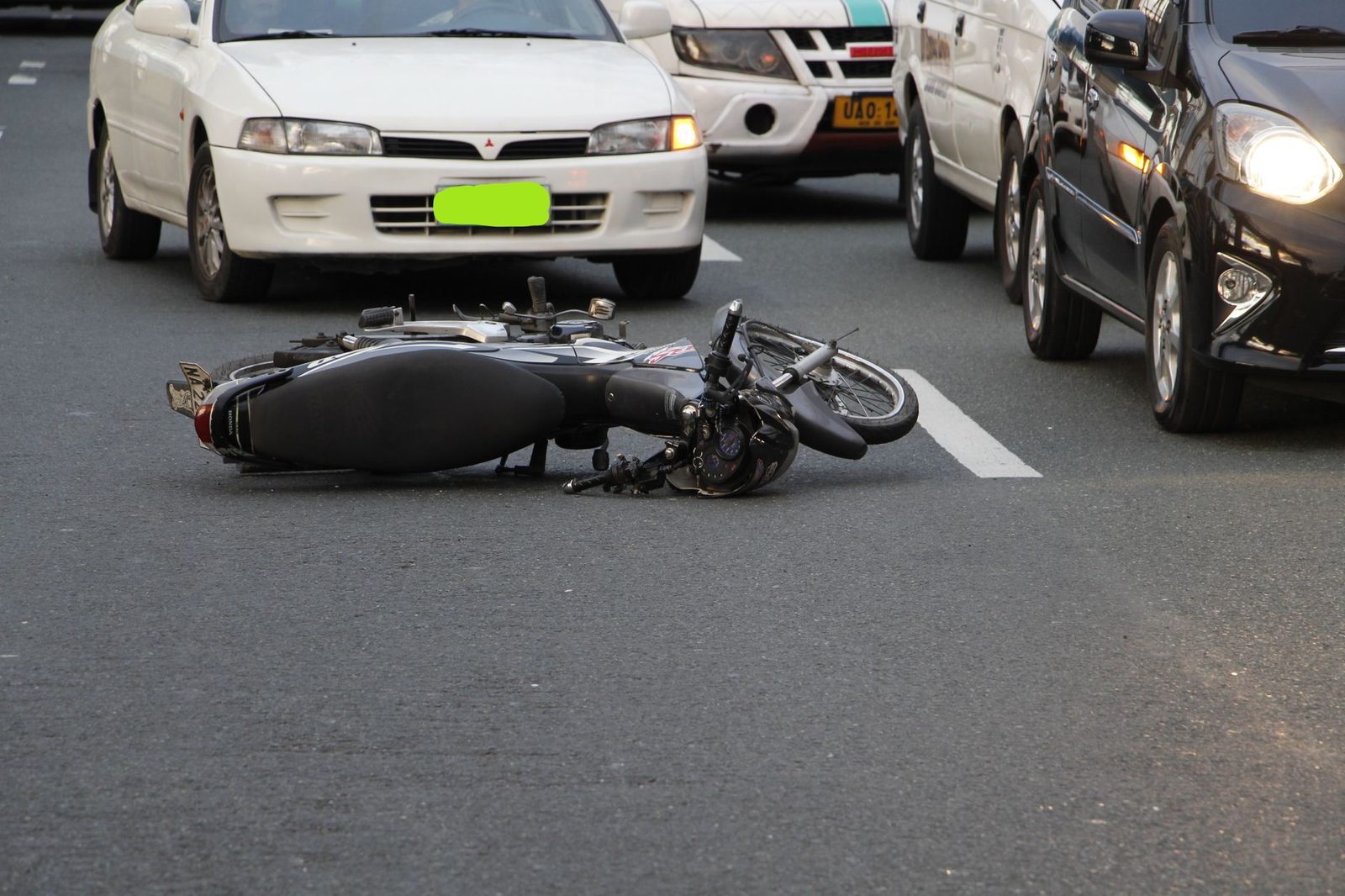
If you were hurt in a motorcycle crash, you may be recovering, dealing with a damaged bike, or worried about someone you love. Paperwork is hard to sort through during that time.
Peter F. Jaraysi, one of the lawyers at Slam Dunk Attorney, is responsible for this page. Our team can review the accident scene steps you have already taken and explain what is still open. We cannot promise any result, because every case turns on its own facts.
The first consultation is free and confidential, with no obligation to continue. For more background, read our guide to motorcycle accident claims.
Frequently asked questions
How long do I have to file a Georgia injury lawsuit?
Georgia generally requires a personal injury lawsuit within two years after the right of action accrues.
Should I call the police after a motorcycle crash?
Yes. Call 911 so police and medical help are sent, then get the report number.
Georgia law requires riders to wear protective headgear that meets state standards.
If you’re still piecing together what happened after your crash, reach out to our team and we’ll talk it through with you.
Why Early Steps Make a Difference
Evidence can fade
Skid marks, debris, traffic camera footage and witness memories can change quickly. Noting what you saw early helps preserve the details.
Insurers act quickly
Adjusters may contact you soon after a crash. Speaking with a lawyer before giving statements helps you understand your options.
Medical records tie injuries to the crash
Prompt evaluation creates a record of your injuries and how they developed after the collision.
Families can be affected too
When a crash causes serious injury or death, loved ones often face medical bills, lost income and difficult decisions at once.
Be Careful Before You Speak With an Insurer
Do not sign any release or settlement paperwork, and avoid giving a recorded statement to an insurance company, until you have talked with a lawyer about your situation.
Practical Steps After a Motorcycle Crash
Get to safety and call 911
If you are able, move out of traffic and call 911 so police and medical help are dispatched. Ask for the report number before you leave the scene.
Document the scene
Photograph vehicles, road conditions, lane markings, helmets, gear and your injuries. Write down the time, weather and what you remember while it is fresh.
Collect witness and driver details
Get names and phone numbers from anyone who saw the crash, along with the other driver's insurance and license information.
Keep every record
Save medical bills, prescriptions, repair estimates, lost-wage documentation and notes about how your injuries affect daily life.