
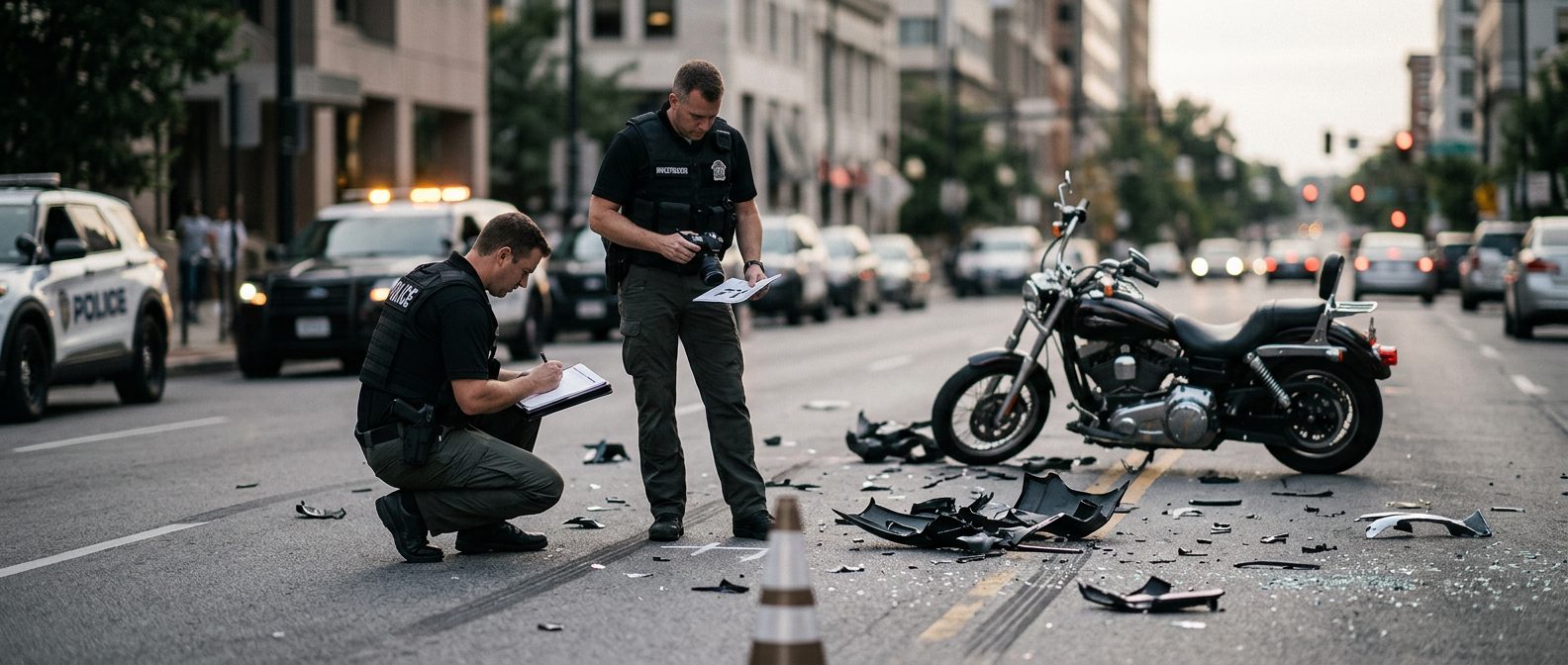
Motorcycle Accident Recovery
Delayed Symptoms After a Motorcycle Accident: What to Know
Injuries don't always show up right away. Learn why you need medical care and legal guidance even if you feel fine.
By Peter F. Jaraysi · Published October 05, 2026
Delayed Symptoms After a Motorcycle Accident: What You Need to Know
Motorcycle accident injuries often don’t show up right away—pain, stiffness, and other symptoms can appear hours or even days after the crash. This delay happens because adrenaline and shock mask your body’s injury signals, and soft-tissue damage swells gradually over time. If you feel fine immediately after a crash but develop symptoms later, you’re not alone, and you shouldn’t ignore what you’re experiencing.
If a drunk or negligent driver caused your motorcycle crash and you're experiencing delayed symptoms, you may have a claim for your medical costs and losses—reach out to discuss what happened. Talk it through with our team — the first consultation is free, confidential, and carries no obligation.
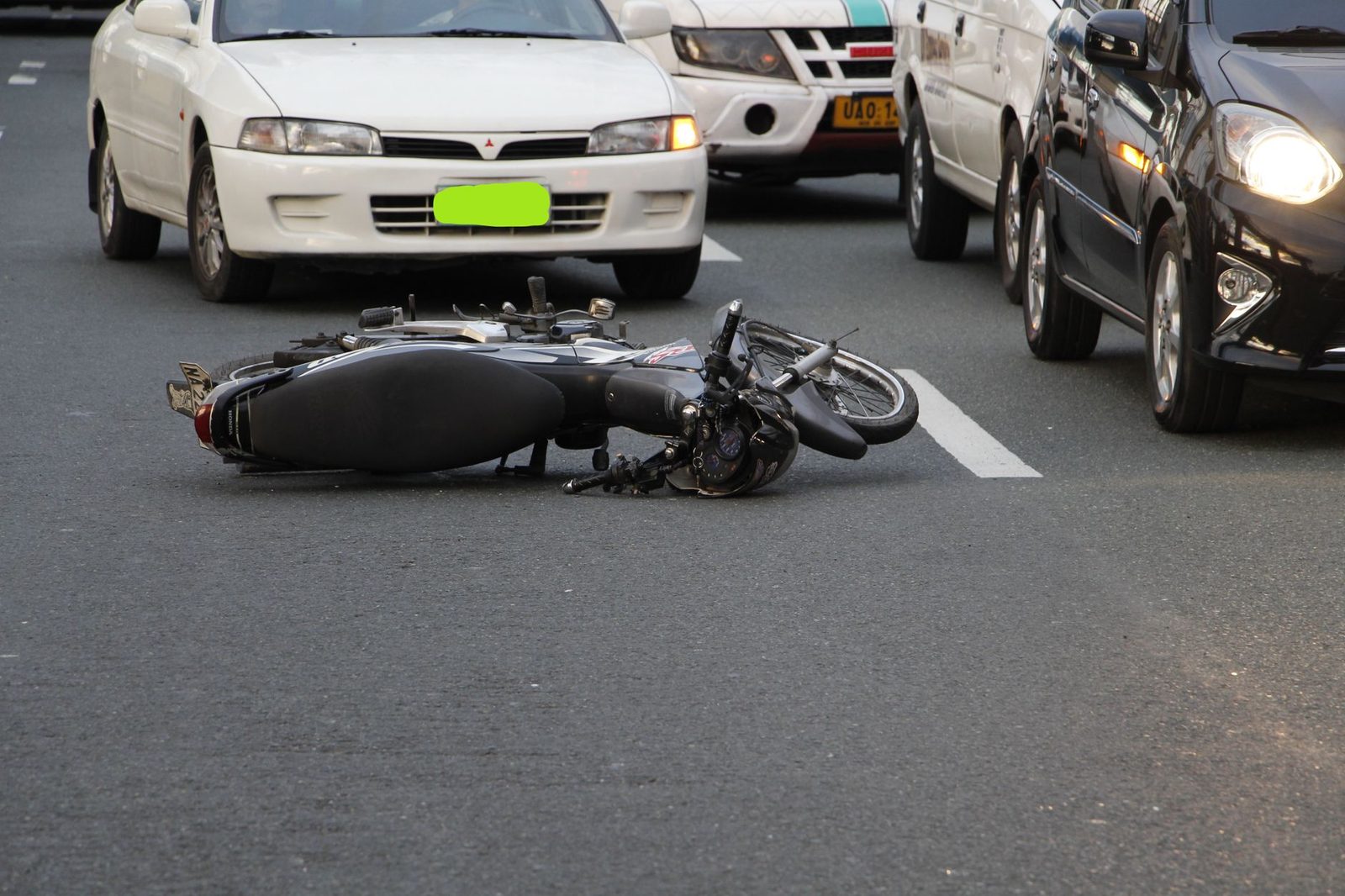
Why Motorcycle Accident Injuries Often Appear Hours or Days Later
Your body’s natural stress response after a crash floods your system with adrenaline, which temporarily blocks pain signals and can make you feel surprisingly okay despite serious harm. This protective mechanism kept your ancestors alert during danger, but it also means you can’t trust how you feel in the first minutes or hours after impact.
Soft-tissue injuries—damage to muscles, ligaments, and tendons—swell gradually as inflammation builds. Whiplash, the most common motorcycle accident injury, often feels minor at first but worsens over the next 24 to 72 hours as neck and shoulder muscles tighten and swell. Internal injuries like organ damage or internal bleeding may produce no obvious pain initially, yet they can become life-threatening without prompt medical evaluation.
Concussions and head trauma create delayed cognitive symptoms that aren’t always visible. You might feel physically okay but notice difficulty concentrating, memory gaps, or mood changes days after the crash. Shock—your body’s extreme stress response—can also delay pain perception, making you feel numb or disconnected even when you’re injured.
Common Delayed Symptoms After a Motorcycle Accident
Watch for these signs in the hours and days following your crash:
Neck and back pain often emerges 24–48 hours after impact, even in crashes that seemed minor. Whiplash strains the muscles and ligaments that support your spine.
Headaches and dizziness can signal concussion, head trauma, or whiplash affecting your neck and nervous system. These symptoms may worsen or shift over several days.
Numbness, tingling, or radiating pain in your arms, legs, or torso suggests nerve damage or spinal injury and requires urgent medical attention.
Stiffness and reduced range of motion develop as swelling increases and muscles tighten protectively around injured areas.
Abdominal pain or bruising may indicate internal bleeding or organ injury. Any abdominal pain after a motorcycle accident warrants immediate evaluation.
Cognitive changes—trouble focusing, memory problems, irritability, or anxiety—are common after head trauma and can persist for weeks if untreated.
Sleep disturbances and fatigue often accompany concussion and emotional trauma from the accident itself.
Why Immediate Medical Evaluation Matters, Even If You Feel Okay
Seeking medical care within 24 to 48 hours after a motorcycle accident serves two critical purposes: it protects your health and it protects your legal claim.
From a health standpoint, a doctor can identify injuries you don’t yet feel. Imaging like X-rays or MRI scans can reveal fractures, internal bleeding, or soft-tissue damage that won’t cause pain for hours or days. Early diagnosis means early treatment, which improves your recovery.
From a legal standpoint, medical records create a timeline connecting your accident to your injuries. Under Georgia law, you have two years from the date your injury occurs to file a personal-injury lawsuit. But gaps between the accident and your first medical visit make it harder to prove the crash caused your symptoms. Insurance companies and defense attorneys will argue that delayed care means the injuries weren’t serious or weren’t caused by the accident. Medical records created immediately after the crash eliminate that doubt.
How a Drunk Driver Motorcycle Accident Differs Legally
If a drunk driver hit your motorcycle, the legal picture is different from a typical accident. The other driver’s impairment is strong evidence of negligence—a failure to drive safely—and it strengthens your civil injury claim regardless of whether they face criminal DUI charges.
A DUI conviction or guilty plea can be used in your civil case to prove fault. Impairment also may support a claim for punitive damages (additional damages meant to punish reckless conduct), depending on the circumstances. Georgia law allows you to pursue compensation for medical bills, lost wages, pain and suffering, and other losses caused by the drunk driver’s negligence.
Keep in mind that criminal charges and your civil injury claim are separate. You can recover compensation even if the criminal case is dismissed, reduced, or hasn’t been resolved yet. Your right to sue doesn’t depend on the outcome of any criminal prosecution.
What to Do Right Now if You Were Hit by a Drunk Driver
Get medical evaluation as soon as possible. Even if you feel okay, see a doctor within 24 hours. Tell the doctor exactly how the accident happened and point out every area of pain or discomfort, no matter how minor it seems.
Report the accident to police and request a copy of the police report. If the other driver was impaired, the report may document signs of intoxication or a breathalyzer result.
Document everything. Take photos of vehicle damage, your injuries, the accident scene, and road conditions. Collect the names and phone numbers of any witnesses.
Notify your insurance company, but do not admit fault or sign anything without understanding what you’re signing. Insurance adjusters are trained to minimize payouts.
Keep a detailed journal of your symptoms, pain levels, how you’re sleeping, and how the injury affects your work and daily life. This record is valuable evidence.
Do not post about the accident on social media. Anything you say can be used against you in an insurance dispute or lawsuit.
Not sure what your next step is?
Talk it through with our team — the first consultation is free, confidential, and carries no obligation.
Protecting Your Rights After a Motorcycle Accident Caused by Impairment
Georgia follows modified comparative fault, which means your compensation is reduced by your percentage of fault (O.C.G.A. § 51-12-33; Quynn v. Hulsey, 310 Ga. 473 (2020)). If you were 10 percent at fault and the drunk driver was 90 percent at fault, you can recover 90 percent of your damages. However, if you’re found 50 percent or more responsible, you recover nothing. This is why early legal guidance matters: an attorney can help protect you from unfair fault assignments.
You may be entitled to recover from the at-fault driver’s insurance or through a personal-injury lawsuit. Medical bills, lost wages, pain and suffering, and future medical care are all recoverable damages if the drunk driver’s negligence caused your injuries.
The other driver’s impairment strengthens your case but doesn’t guarantee a specific outcome. Every accident is unique, and the strength of your claim depends on the facts, evidence, and applicable law. Early communication with an attorney who handles motorcycle accidents can help you understand your options and avoid mistakes that weaken your position.
Frequently Asked Questions
How long after a motorcycle crash can symptoms appear?
Soft-tissue injuries often emerge 24–72 hours after impact; concussion symptoms can appear or worsen over days or weeks.
Should I go to the emergency room if I feel fine after a motorcycle accident?
Yes. Adrenaline masks injury, and internal injuries may not cause immediate pain. A medical evaluation protects your health and creates a legal record.
What if a drunk driver hit my motorcycle?
The driver’s impairment is evidence of negligence and strengthens your civil injury claim. You can pursue compensation regardless of any criminal outcome.
How long do I have to file a lawsuit in Georgia?
You have two years from the date your injury occurs to file a personal-injury lawsuit under Georgia law.
Can I recover compensation if I was partially at fault?
Yes, under Georgia’s modified comparative fault rule—but only if you’re less than 50 percent responsible (O.C.G.A. § 51-12-33; Quynn v. Hulsey, 310 Ga. 473 (2020)). Your recovery is reduced by your percentage of fault.
Your Health and Your Claim Matter
Delayed symptoms after a motorcycle accident are real and common. Adrenaline, shock, and gradual swelling all work together to hide injuries in the first hours after a crash. Don’t dismiss pain or cognitive changes that appear days later—they’re your body’s signal that something needs attention.
Seek medical care promptly. It protects your recovery and creates the documentation you’ll need if you pursue a claim. If a drunk or negligent driver caused your crash, you have legal options to recover your losses.
If you’re in Georgia and were hit by a drunk driver or someone driving recklessly, you don’t have to navigate this alone. If a drunk or negligent driver caused your motorcycle crash and you’re now dealing with delayed symptoms or mounting medical bills, reach out for a free case review to understand what your situation means for your recovery.
Don't Wait to Seek Medical Care
Adrenaline and shock can mask serious injuries after a motorcycle crash. Internal bleeding, concussions, and soft-tissue damage may not cause pain for hours or days. A medical evaluation protects your health and creates a record of your injuries—critical for any legal claim.
Common Delayed Injuries After Motorcycle Accidents
Soft-Tissue Injuries
Whiplash, muscle strains, and ligament tears often emerge 24–72 hours after impact. Pain and stiffness may worsen over several days as inflammation builds.
Head and Neurological Injuries
Concussion symptoms—headaches, dizziness, confusion, memory problems—can appear or intensify days or weeks after the crash, even if you wore a helmet.
Internal Injuries
Organ damage, internal bleeding, and rib fractures may not cause obvious pain initially but can become life-threatening. Only medical imaging can detect them.
Spinal and Back Injuries
Nerve compression, disc herniation, and spinal cord trauma may develop gradually. Early symptoms like tingling or numbness can signal serious underlying damage.
Why Immediate Medical Care Matters
Protects Your Health
Early detection and treatment of hidden injuries prevent complications and support faster recovery.
Documents Your Injuries
Medical records create an official timeline linking your injuries to the accident—essential evidence if you pursue a claim.
Establishes a Pattern
Follow-up visits and ongoing treatment show the extent and duration of your injuries, strengthening your case.
Supports Your Claim
Gaps in medical care can be used to argue your injuries weren't serious. Consistent documentation supports fair compensation.
What to Do After a Motorcycle Accident
Seek Medical Attention Immediately
Go to an emergency room or urgent care even if you feel fine. Tell the doctor about all pain, numbness, dizziness, or unusual sensations, no matter how minor.
Follow Medical Advice
Attend all recommended follow-up appointments and imaging studies. Keep detailed records of symptoms, treatments, and how injuries affect your daily life.
Document Everything
Photograph the accident scene, vehicle damage, and your injuries. Collect contact information from witnesses and the other driver.
Contact a Motorcycle Accident Attorney
An attorney can help you understand your rights, handle communications with insurance companies, and pursue fair compensation for your injuries and losses.
Don't Settle Too Quickly
Insurance adjusters may pressure you to accept a settlement before your full injuries are known. Delayed symptoms can mean higher medical bills and longer recovery than initially apparent. An attorney protects your interests and ensures you're not undercompensated.
How Slam Dunk Attorney Can Help
Free Consultation
We listen to what happened and explain your options with no obligation. Call anytime to discuss your accident.
Handle Insurance & Legal Details
We manage communications with insurers, gather medical records, and build your case so you can focus on recovery.
Plain-Language Guidance
We explain the process, your rights, and what to expect in clear terms—no legal jargon.
Focused on Fair Compensation
We work to help you recover costs for medical care, lost wages, pain, and other damages caused by the accident.