
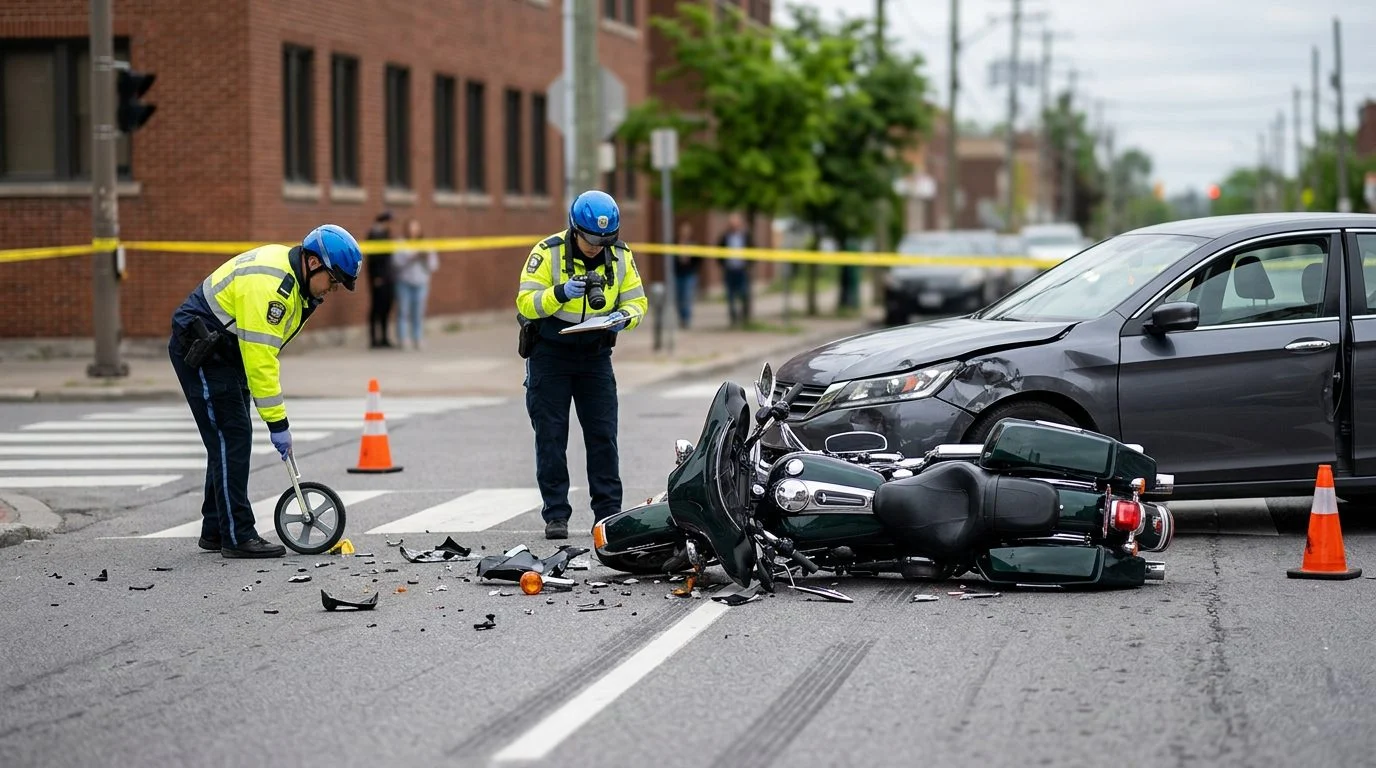
Motorcycle Accidents | Duluth, Georgia
Hurt in a Motorcycle Crash? Start With These Steps
Plain-language guidance from Slam Dunk Attorney on what to do after a motorcycle collision in Duluth, Gwinnett County and across metro Atlanta.
By Peter F. Jaraysi · Published October 22, 2026
If you were hurt in a motorcycle crash in Georgia, your claim follows state law. That means Georgia fault rules, a two-year filing deadline for most injury cases, and insurance terms that apply across the state. This guide explains each step in plain language, from the scene to a possible lawsuit, for anyone searching for a motorcycle accident law firm 30067 readers can contact.
Why a Motorcycle Crash Claim in 30067 Follows Georgia Rules
A motorcycle crash claim in ZIP code 30067 follows Georgia law. The state sets the filing deadlines, the fault rules, and the insurance terms that apply to your case. The Governor’s Office of Highway Safety factsheet covers Georgia motorcycle safety practices, licensing and equipment rules, and lane-use restrictions.
Motorcycle claims often use the same insurance and liability rules as car crashes. The main difference is that insurers ask extra questions about visibility, lane position, and protective gear. Knowing those questions early helps you understand what the insurer may raise.
Every claim turns on its own facts. This guide describes how claims usually move, not how yours will end. For a wider overview, see our motorcycle accident page.
If a recent motorcycle crash left you with injuries, medical bills, and insurance calls you're unsure about, our team can talk through your options with you in a first consultation. Talk it through with our team — the first consultation is free, confidential, and carries no obligation.
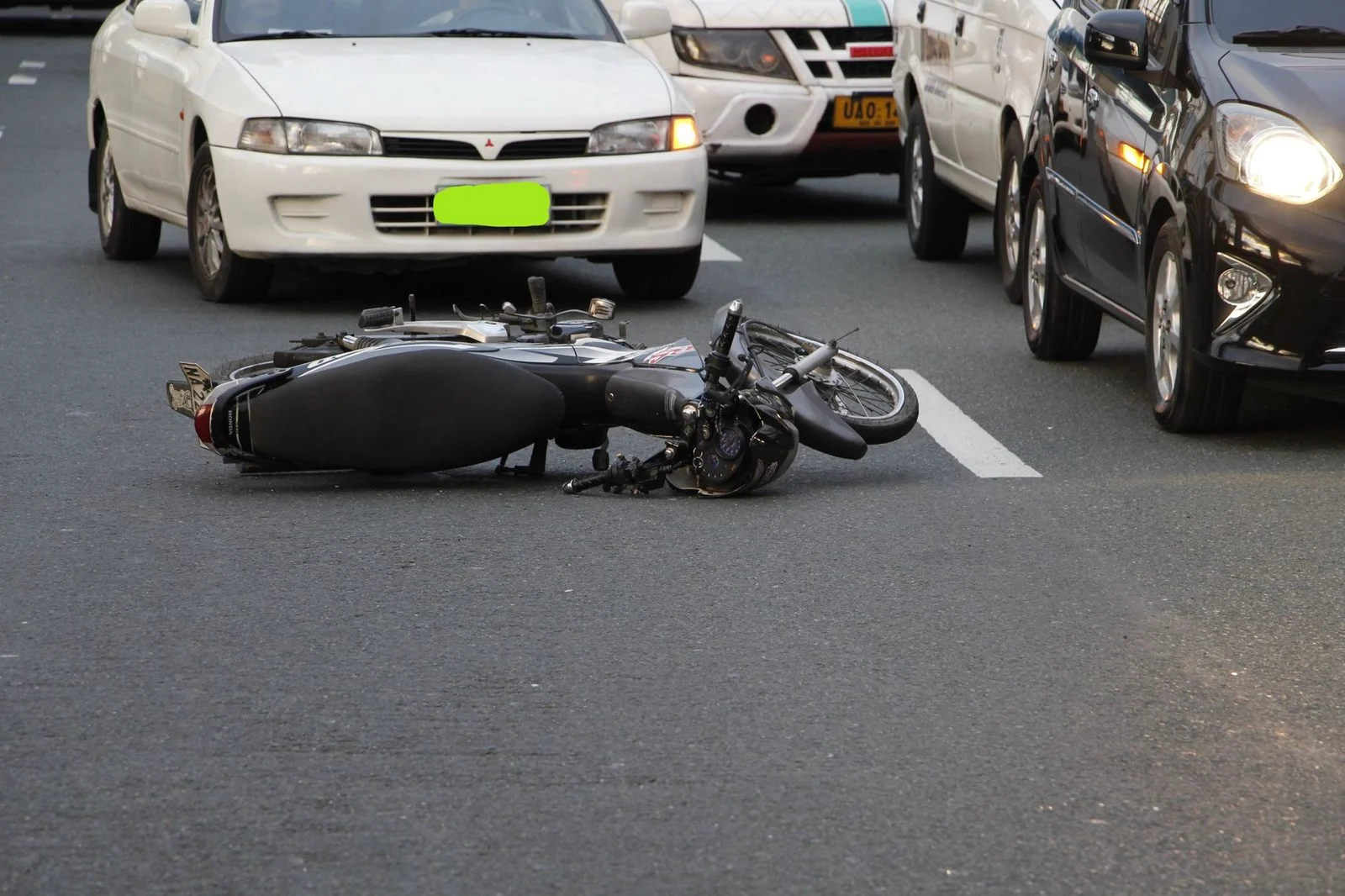
Medical Care and Key Steps in the First Days After a Crash
Get medical care as soon as you can, even if you think you only have bruises. A prompt exam protects your health and creates records that tie your injuries to the crash. The federal traumatic brain injury facts note that these injuries can result from external forces, including automobile accidents.
Ask for the police or incident report number before you leave the scene. Write down the officer’s name, the agency, and the date. Keep these in one folder, on paper or on your phone.
Start a written log right away. Record your symptoms, each appointment, missed work, rides you needed, and every out-of-pocket cost. Small details fade fast, and a log keeps them straight.
Be careful with the other driver’s insurer. Take time to learn what a recorded statement or release covers before you agree to either. Your own auto policy may matter too. If you were hurt in a crash, it can help to review your own auto policy and see what uninsured motorist coverage it includes, if any, and what its terms say.
Who May Be Responsible for a Motorcycle Accident
The driver whose negligence caused the crash is usually the first party to examine. Other drivers, including car and truck drivers, are the most common potentially responsible parties. Depending on the facts, a vehicle owner, a company, or a party responsible for a road hazard may also share fault.
A full investigation looks for every liable party and every insurance policy that could apply. That includes your own policy, the other driver’s policy, and any policy tied to a commercial vehicle.
Crashes with commercial trucks can involve federal rules. Under federal financial responsibility minimums, certain for-hire trucks in interstate commerce must carry at least $750,000 in coverage for nonhazardous property. Those minimums give the investigation a starting point.
If a city road defect caused the crash, different rules apply. Track that window from day one.
How Georgia Fault Rules Affect an Injury Claim
Georgia uses modified comparative fault, which means your share of fault lowers your award. Under O.C.G.A. § 51-12-33, the trier of fact (the jury or judge who decides the case) sets your percentage of fault. The judge then reduces your damages to match.
The same statute bars recovery at 50 percent. If you are 50 percent or more responsible, you cannot receive any damages (O.C.G.A. § 51-12-33; Quynn v. Hulsey, 310 Ga. 473 (2020)).
Georgia also counts the fault of everyone who contributed to the injury, even people not named in the suit. Each liable person pays only its own apportioned share, not a joint amount.
Insurers often argue about lane position, speed, signaling, and visibility. Georgia requires riders to wear protective headgear that meets state standards (O.C.G.A. § 40-6-315). The NHTSA motorcycle safety page covers the federal helmet standard and general safety guidance. Insurers may still raise helmet and gear questions when they weigh injuries and fault.
The Two-Year Deadline to File a Georgia Injury Lawsuit
For most motorcycle injury claims, you have two years to file a lawsuit. Under O.C.G.A. § 9-3-33, actions for injuries to the person must be brought within two years after the right of action accrues, but actions involving loss of consortium have four years. In most crash cases, that means the date of the crash.
A spouse’s loss of consortium claim has a longer window. The same statute gives four years for those claims.
Insurance talks and court deadlines run on separate tracks. Don’t assume that negotiating with an insurer protects your filing date. Plan around the deadline from the start.
Claims against a city have one added rule. A pending written demand can suspend the limitations period while the city’s authorities sit on it without acting (O.C.G.A. § 36-33-5). That is a narrow exception. Wrongful death claims follow their own timing and rules, so families should raise the question early.
Evidence That Strengthens a Motorcycle Injury Claim
Records made close to the crash carry the most weight. Keep the police report, photos of the scene and both vehicles, and the names and phone numbers of any witnesses.
Keep your gear and your motorcycle. Don’t repair or throw away your helmet, jacket, boots, or bike right away. Damaged gear can show where and how hard the impact landed. Ask before you sell or scrap anything.
Collect medical records, itemized bills, and wage records. Bills, receipts, and pay stubs help prove special damages. Necessary expenses from an injury are a legitimate part of the damages estimate (O.C.G.A. § 51-12-7).
Think carefully about social media. Insurers often review posts about the crash, your rides, or your activities. Pause before posting about the injury or the bike.
Not sure what your next step is?
Talk it through with our team — the first consultation is free, confidential, and carries no obligation.
What Happens After the Claim Is Opened
A motorcycle injury claim usually moves through investigation, a settlement demand, insurer negotiation, and, if needed, a lawsuit. Each stage builds on the records gathered before it.
Investigation comes first. Records arrive, at-fault parties and policies are identified, and your injuries are documented. A settlement demand then lays out the claim and the amount sought. Negotiation with the insurer follows.
Medical bills follow specific evidence rules. If you have any form of public or private health insurance, including benefits under a governmental workers’ compensation program, Georgia law looks at both the amounts charged and the amounts actually needed to satisfy the charges under the insurance contract or the applicable governmental workers’ compensation program. That applies whether or not the insurance was used (O.C.G.A. § 51-12-1.1).
The timeline varies. Injuries, the number of insurers, and how fast records arrive all change the pace. No fixed timeline applies to every claim.
Many claims resolve through negotiation without a lawsuit. Some do go to court. If a fair resolution isn’t reached, a lawsuit may follow, and it must be filed within the deadline discussed above.

What the Free Consultation Covers and How to Take the Next Step
The first consultation with Slam Dunk Attorney is free, confidential, and carries no obligation to continue. You can walk through your crash, your injuries, and any letters you’ve received from insurers. You can also ask which deadlines and documents apply to your situation.
Bring your police report number, medical bills, and insurer letters if you have them.
How long do I have to file a motorcycle injury lawsuit in Georgia?
Most injury claims must be filed within two years after the right of action accrues. Loss of consortium claims have four years.
Can I recover damages if I was partly at fault?
Yes, your award is reduced by your share of fault (O.C.G.A. § 51-12-33; Quynn v. Hulsey, 310 Ga. 473 (2020)). You cannot recover damages if you are 50 percent or more at fault (O.C.G.A. § 51-12-33; Quynn v. Hulsey, 310 Ga. 473 (2020)).
Should I give a recorded statement to the other driver’s insurer?
Learn what a recorded statement or release covers before you agree to give one.
Is Slam Dunk Attorney a motorcycle accident law firm 30067 residents can contact?
Slam Dunk Attorney is based in Duluth, Georgia, and represents people hurt in motorcycle crashes across metro Atlanta and Georgia.
Responsible lawyer: Peter F. Jaraysi, Slam Dunk Attorney, Duluth, Georgia. Contact the firm through its contact page.
If your crash was recent and you’re deciding whether to settle or wait, reach out through our contact page to talk through where your claim stands.
Four Steps to Take After a Motorcycle Accident
Get medical care right away
Some injuries, including head, spine and internal injuries, may not show symptoms until later. A prompt medical evaluation protects your health and creates a record of your injuries.
Document the scene
If you are able, photograph the vehicles, road conditions, traffic signals, skid marks and your injuries. Note the names and contact details of any witnesses.
Keep your records
Save your helmet and riding gear, repair estimates, medical bills, pay stubs and every letter from an insurer. Do not repair or discard damaged property until you have talked with a lawyer.
Talk to a lawyer before giving statements
Insurance adjusters may ask for recorded statements soon after a crash. You can speak with our team first to understand what to say and what to avoid.
How We Work With You
Free first consultation
Your initial consultation is free, confidential and comes with no obligation to continue.
Compassionate guidance
We understand that a motorcycle crash affects your health, your work and your family. We listen first and explain your options in plain language.
Rooted in Duluth
Slam Dunk Attorney is based in Duluth, Georgia, and represents injured riders and their families across metro Atlanta and Georgia.
Clear communication
We keep you informed about your case and answer your questions without legal jargon.
Important: Be Careful With Insurance Calls
Do not sign any release, accept a settlement offer or give a recorded statement to an insurance company before you have spoken with a lawyer. Early statements can be used to dispute your claim.