

Motorcycle Accidents
Understanding Motorcycle Accident Injuries: Types, Severity & Recovery
Motorcycle crashes often cause severe injuries. Learn what to expect and how we can help you recover.
By Peter F. Jaraysi · Published September 25, 2026
Motorcycle Accident Injuries: Types, Severity & Recovery
Motorcycle accidents cause severe injuries far more often than car crashes because riders lack the protective shell, airbags, and crumple zones that shield occupants in enclosed vehicles. When a motorcycle collides with another vehicle, a fixed object, or the pavement, the rider absorbs the full force of impact—often at high speed, with direct contact to the body, road, or debris. Understanding the types of motorcycle accident injuries, why they happen, and what recovery involves can help you or your family navigate the medical, financial, and legal challenges ahead.
If you or a family member is recovering from a motorcycle accident, understanding your injury and your rights matters—and many people in your situation reach out to discuss what happened and explore their options. Talk it through with our team — the first consultation is free, confidential, and carries no obligation.
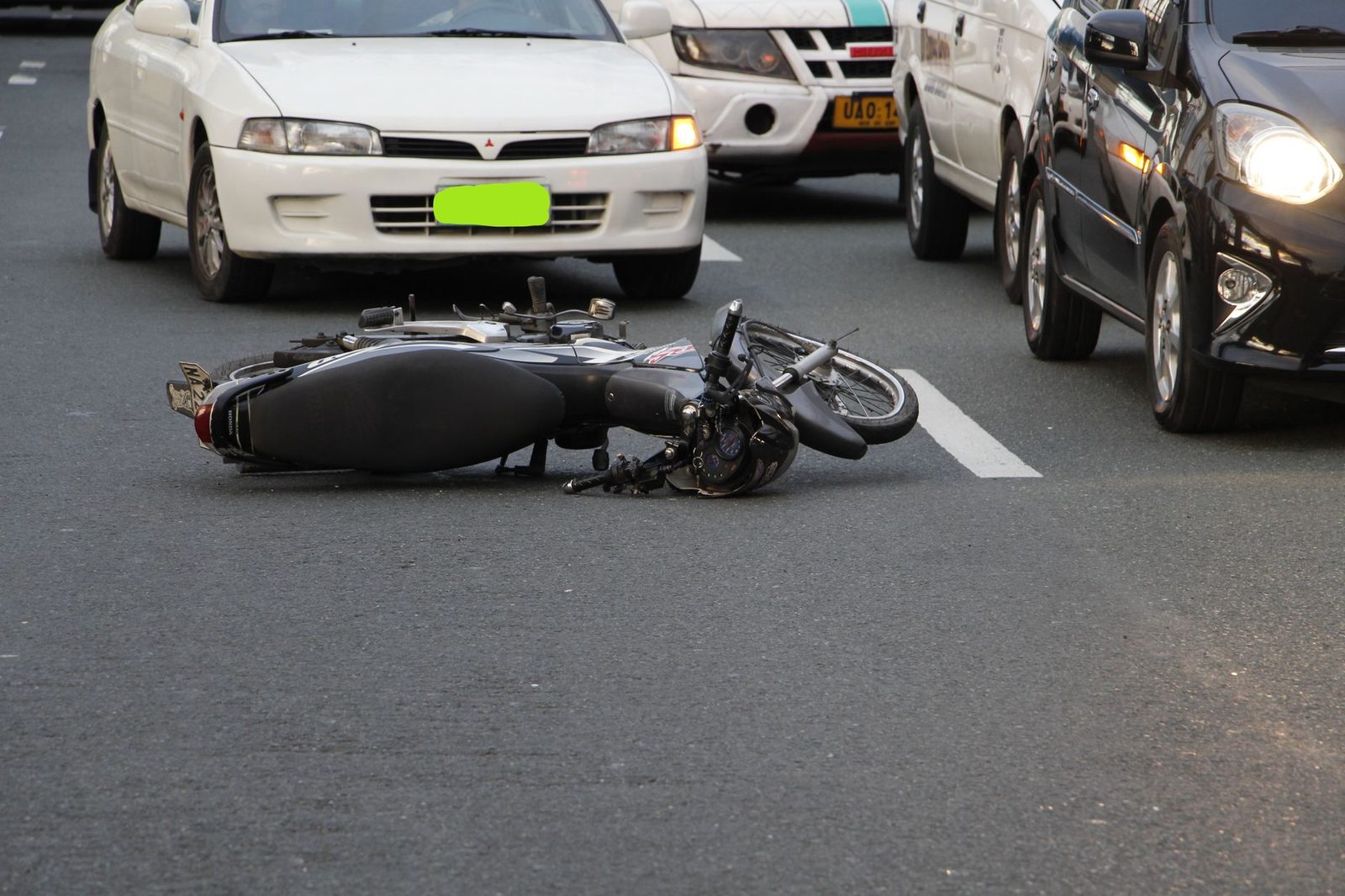
Why Motorcycle Accidents Cause Severe Injuries
Motorcyclists face dramatically higher injury and fatality risk than car drivers. Motorcyclists are 28 times more likely to be killed in a crash and 5 times more likely to be injured than passenger vehicle occupants, according to the National Center for Statistics and Analysis (NHTSA Traffic Safety Facts). This disparity exists because motorcycles offer no protective barrier between the rider and the forces of collision.
When a motorcycle crashes, several biomechanical forces create injury:
- Direct impact: The rider’s body strikes another vehicle, a fixed object, or the pavement at high speed.
- Ejection: The rider is thrown from the motorcycle, often tumbling through the air or across pavement.
- Friction and abrasion: Skin and soft tissue scrape against asphalt, concrete, or gravel at high velocity.
- Crushing forces: The motorcycle itself may land on or pin the rider, compressing bones and organs.
- Exposure: Unlike car occupants, riders have no protection from heat, debris, or secondary impacts.
These forces combine to create injuries that are typically more severe, more complex, and more disabling than injuries in car accidents.
Head and Brain Injuries
Traumatic brain injury (TBI) is one of the most common serious injuries in motorcycle accidents. Even with a helmet, riders can suffer TBI from the rotational forces, deceleration, and impact that occur during a crash.
Helmets reduce the risk of head injury by 69% and death by 42%, according to the Insurance Institute for Highway Safety (IIHS), but they do not eliminate the risk of TBI, spinal injury, or other trauma from the force of impact. A TBI can cause:
- Loss of consciousness, ranging from seconds to prolonged coma
- Confusion, memory loss, and difficulty concentrating
- Balance and coordination problems
- Mood changes, irritability, and depression
- Sensitivity to light and sound
- Headaches and dizziness that persist for weeks or months
Recovery from TBI is highly variable. Some riders regain full function within weeks; others experience cognitive, balance, or mood effects that last months or years. Ongoing medical monitoring, neuropsychological testing, and specialist care are often necessary to track healing and manage long-term effects.
Spinal Cord and Neck Injuries
The force and twisting motion of a motorcycle crash can cause severe spinal cord and neck injuries. These range from whiplash and cervical strain to herniated discs, nerve compression, and partial or complete spinal cord injury.
Spinal cord injuries are particularly serious because they can result in partial or complete paralysis, loss of sensation, and permanent disability. A complete spinal cord injury at the cervical (neck) level can result in quadriplegia (paralysis of all four limbs). An injury at the thoracic (mid-back) or lumbar (lower-back) level can result in paraplegia (paralysis of the lower limbs).
Emergency stabilization and imaging (CT or MRI) are critical within hours of injury to prevent further damage. Many spinal cord injuries require emergency surgery to decompress the spinal cord, stabilize the spine, or repair fractures. Recovery involves:
- Acute hospitalization and ICU-level monitoring
- Physical therapy to rebuild strength and function
- Occupational therapy to relearn daily tasks
- Assistive devices, mobility aids, or wheelchair adaptation
- Ongoing specialist care and pain management
Recovery timelines vary widely. Some riders regain partial function over months; others face permanent paralysis and lifelong care needs.
Fractures and Orthopedic Injuries
Broken bones are among the most common injuries in motorcycle accidents. The impact and crushing forces frequently fracture the legs, arms, ribs, pelvis, and collarbone.
Many motorcycle accident fractures are compound fractures (the bone breaks through the skin), which carry high infection risk and typically require emergency surgery to realign and stabilize the bone. Crush injuries can also cause compartment syndrome, a dangerous condition in which swelling within a muscle compartment cuts off blood flow and can lead to tissue death, permanent loss of function, or amputation if not treated urgently.
Orthopedic injuries in motorcycle accidents often involve:
- Multiple fractures requiring staged surgeries
- Joint damage that increases the risk of arthritis later in life
- Nerve or blood vessel injury alongside the fracture
- Long-term mobility loss, chronic pain, and functional limitation
Physical therapy and rehabilitation typically last weeks to months, with some riders never regaining full strength or range of motion in the injured limb.
Road Rash and Soft Tissue Injuries
Road rash—abrasion injuries from friction with pavement—is a signature injury in motorcycle accidents. When a rider slides across asphalt or concrete, the skin and underlying tissue are stripped away, leaving deep, contaminated wounds.
Road rash injuries carry significant infection risk and require specialized wound care:
- Aggressive cleaning and debris removal (often painful)
- Antibiotics and tetanus prophylaxis
- Frequent dressing changes and wound monitoring
- Skin grafting for deep or extensive abrasions
- Ongoing care to prevent infection and promote healing
Beyond infection risk, road rash causes:
- Permanent scarring and discoloration
- Nerve damage from friction injury, leading to chronic pain or numbness
- Psychological distress from visible, permanent scarring
- Cosmetic concerns that may require reconstructive surgery
Healing from extensive road rash can take weeks to months, and scarring may persist or worsen over time.
Not sure what your next step is?
Talk it through with our team — the first consultation is free, confidential, and carries no obligation.
Internal and Organ Injuries
Blunt force trauma to the chest and abdomen in a motorcycle crash can cause life-threatening internal injuries. These include:
- Chest trauma: Rib fractures, pneumothorax (collapsed lung), hemothorax (blood in the chest cavity), and cardiac contusion (heart muscle injury)
- Abdominal injuries: Internal bleeding from the liver, spleen, or kidneys; bowel perforation; and damage to other organs
- Retroperitoneal bleeding: Bleeding in the space behind the abdominal organs, which can be difficult to detect and life-threatening
Internal injuries often require emergency surgery, ICU-level care, and blood transfusions. Some riders require multiple surgeries as complications develop. Recovery involves extended hospitalization, pain management, and monitoring for delayed complications.
Complications and Long-Term Effects
Severe motorcycle injuries frequently result in long-term complications that extend recovery and create ongoing burden:
- Chronic pain: Persistent pain from nerve damage, arthritis, or post-surgical changes
- Infection and sepsis: Contaminated wounds or surgical sites can develop serious infections
- Phantom pain: Pain or sensation in a limb that no longer exists (after amputation)
- Post-traumatic stress disorder (PTSD): Anxiety, nightmares, flashbacks, and avoidance related to the accident
- Loss of function and permanent disability: Inability to return to work, drive, or perform daily activities
- Repeated surgeries: Complications, infections, or delayed healing may require additional procedures
These complications can extend recovery from months to years and create substantial emotional and financial burden on injured riders and their families.
Recovery and Rehabilitation
Recovery from a serious motorcycle injury involves multiple phases:
Acute phase (days to weeks): Emergency care, stabilization, surgery if needed, and hospitalization.
Early rehabilitation (weeks to months): Physical therapy, occupational therapy, and specialist appointments begin while the rider is still healing from acute injury.
Active rehabilitation (months to years): Intensive therapy to rebuild strength, function, and independence. Return-to-work and return-to-activity milestones vary widely based on injury severity and individual factors.
Long-term management: Ongoing specialist care, pain management, mental health support, and adaptation to any permanent disability.
Throughout recovery, mental health support is essential. Many riders experience depression, anxiety, or PTSD alongside their physical injuries. Addressing both physical and emotional healing improves outcomes and quality of life.
Medical and Financial Costs of Motorcycle Injury Recovery
The cost of recovering from a serious motorcycle injury is substantial and often extends far beyond the initial emergency care:
- Emergency transport, emergency room care, and imaging
- Surgery and anesthesia
- Hospitalization (ICU care is especially expensive)
- Specialist appointments (neurology, orthopedics, physiatry, psychology)
- Physical therapy, occupational therapy, and speech therapy
- Medications, wound care supplies, and medical equipment
- Home modifications (ramps, accessible bathrooms, grab bars)
- Assistive devices (wheelchairs, walkers, mobility aids)
- Lost wages during recovery and ongoing disability
- Potential loss of earning capacity if permanent disability prevents return to work
Insurance coverage may not fully cover these costs, leaving injured riders and their families facing substantial out-of-pocket expenses during a time when earning capacity is reduced or eliminated.
When to Seek Legal Guidance After a Motorcycle Accident
If you or a family member has suffered a serious injury in a motorcycle accident, understanding your legal rights is important. In Georgia, the statute of limitations for personal injury claims is generally two years from the date of injury, after which a claim may be barred.
Legal guidance can help you:
- Determine who is responsible for the accident (the other driver, a vehicle manufacturer, a property owner, or multiple parties)
- Navigate insurance claims and handle denials or low settlement offers
- Understand your right to compensation for medical expenses, lost wages, pain and suffering, and permanent disability
- Protect your interests while you focus on recovery
Many riders and their families are uncertain about whether they have a claim, how much their case might be worth, or what steps to take next. These are common questions, and you don’t have to face them alone.
If you or a family member is recovering from a motorcycle accident, understanding your injury and your rights matters—and many people in your situation reach out to discuss what happened and explore their options. Talk it through with our team — the first consultation is free, confidential, and carries no obligation.

FAQ
Can you get a traumatic brain injury from a motorcycle accident even with a helmet?
Yes. While helmets significantly reduce head injury risk, they do not eliminate the risk of TBI from the rotational forces, deceleration, and impact that occur during a crash.
How long does it take to recover from a serious motorcycle accident injury?
Recovery timelines vary widely based on injury severity, type, and individual factors. Some injuries heal within weeks; others require months or years of rehabilitation, and some result in permanent disability.
What is road rash and how serious is it?
Road rash is abrasion injury from friction with pavement. It carries infection risk, requires specialized wound care and often skin grafting, and can result in permanent scarring and nerve damage.
Can a motorcycle accident cause permanent paralysis?
Yes. Spinal cord injuries from motorcycle accidents can result in partial or complete paralysis, depending on the location and severity of the injury.
What should I do immediately after a motorcycle accident?
Seek emergency medical care if you have any signs of injury. Report the accident to police, document the scene and vehicles involved, exchange information with other parties, and preserve evidence (photos, witness contact information). Medical records and accident documentation will be important for any insurance claim or legal action.
If you’ve been injured in a motorcycle accident and are facing medical decisions, recovery timelines, and uncertainty about who’s responsible and what compensation you might pursue, talking through your situation with someone who understands both the injury and the legal landscape can help. Many people in your position reach out to explore their options and get clarity on next steps—and we’re here to listen and help you understand your rights.
Request a free consultation to discuss your motorcycle accident injury and what comes next.
Common Motorcycle Accident Injuries
Head & Brain Injuries
Traumatic brain injuries (TBI) can occur even with a helmet due to rotational forces and deceleration during impact. Symptoms may develop immediately or over time and can range from concussions to severe cognitive damage.
Road Rash & Soft Tissue Damage
Abrasions, lacerations, and burns from sliding across pavement are common in motorcycle crashes. These injuries can lead to infection, scarring, and long-term pain if not properly treated.
Fractures & Orthopedic Injuries
Broken bones, particularly in the arms, legs, ribs, and spine, are frequent in motorcycle accidents. Some fractures require surgery and extended rehabilitation.
Spinal Cord & Paralysis Injuries
Severe motorcycle crashes can damage the spinal cord, potentially causing partial or complete paralysis. These life-altering injuries require immediate specialized medical care and long-term support.
Helmets Reduce Risk—But Don't Eliminate It
While helmets significantly lower the risk of head injury, they cannot prevent all traumatic brain injuries from the forces involved in a crash. Even protected riders can suffer serious injuries requiring extensive medical treatment and recovery.
Factors That Affect Recovery
Injury Severity & Type
Minor injuries may heal in weeks; severe fractures, spinal injuries, or brain trauma can require months or years of treatment, surgery, and rehabilitation.
Quality of Medical Care
Prompt emergency treatment and ongoing specialized care—from trauma surgeons to physical therapists—directly impact healing outcomes and long-term function.
Age & Overall Health
Younger, healthier riders often recover faster, while pre-existing conditions or age-related factors can complicate and extend the recovery process.
Compliance with Treatment
Following medical advice, attending rehabilitation sessions, and avoiding re-injury are critical to achieving the best possible recovery.
How We Support Your Recovery
Focused on Motorcycle Accident Claims
We focus exclusively on personal injury cases, including motorcycle accidents. We understand the unique injuries riders face and how to build a strong claim.
Thorough Investigation & Documentation
We gather medical records, accident reports, witness statements, and expert analysis to establish liability and the full extent of your injuries.
Compassionate Guidance
We recognize that motorcycle accident injuries are traumatic. We listen to your story and guide you through every step of the legal process.
Direct Communication
You'll work directly with our team. We answer your questions, explain your options, and keep you informed throughout your case.
What to Do After a Motorcycle Accident
Seek Immediate Medical Attention
Get emergency care right away, even if you feel okay. Some injuries—especially head and internal injuries—develop or worsen over hours or days.
Document the Scene & Gather Information
If you're able, take photos of the accident scene, vehicle damage, road conditions, and traffic signs. Get contact information from witnesses and the other driver.
Report the Accident
File a police report and notify your insurance company. Provide factual information; avoid admitting fault or signing anything without legal review.
Preserve Medical Records & Evidence
Keep all medical bills, treatment records, imaging results, and receipts. Don't post about the accident on social media, as it can be used against your claim.
Time Matters in Motorcycle Accident Claims
The sooner you reach out, the sooner we can begin gathering evidence, coordinating with medical providers, and building your case. Early action protects your rights and strengthens your claim.