
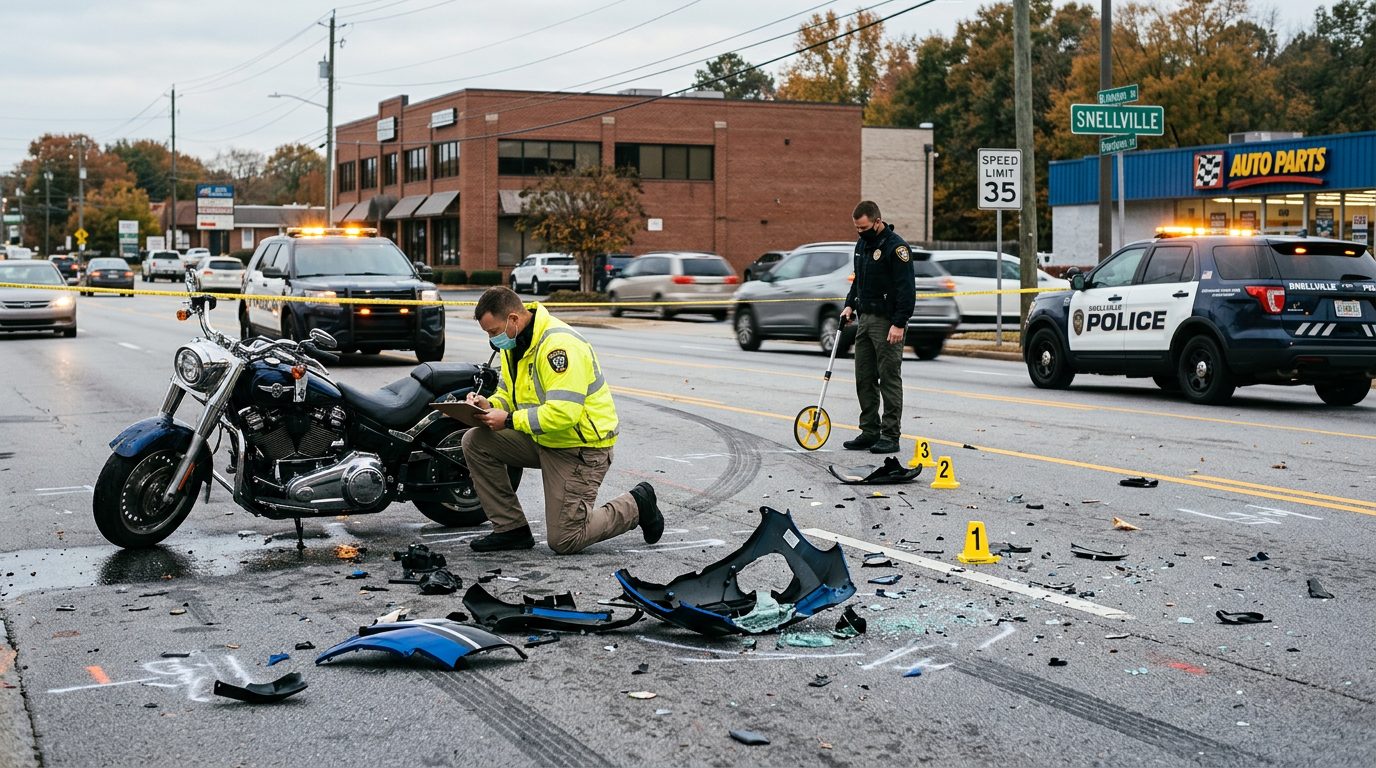
Motorcycle Accidents | Snellville and Gwinnett County, Georgia
Hurt in a Motorcycle Crash? Talk With Our Team About Your Options
Slam Dunk Attorney is based in Duluth, Georgia, and represents riders injured in crashes across metro Atlanta, including Snellville. Your first consultation is free, confidential, and comes with no obligation to continue.
By Peter F. Jaraysi · Published October 27, 2026
A motorcycle accident attorney helps injured riders, passengers, and families of riders understand a claim and pursue compensation from the people responsible. Slam Dunk Attorney is a personal injury firm based in Duluth, Georgia. It represents people hurt in motorcycle crashes across metro Atlanta and Georgia, including riders in Snellville. Your first consultation is free and confidential, with no obligation to continue.
What a Motorcycle Accident Attorney Does for Snellville Riders and Families
A motorcycle accident attorney investigates the crash, identifies who is responsible, and pursues compensation for the injured rider or passenger. When a rider dies, the attorney can also help the family pursue a wrongful death claim.
Motorcycle claims differ from car claims in important ways. A rider has little physical protection, so injuries are often severe. Insurers may also dispute fault and argue the rider was speeding, distracted, or otherwise to blame.
Our lawyers represent riders and passengers hurt in collisions with cars, trucks, and other vehicles on Snellville streets and across metro Atlanta.
The facts that decide these claims are often the ones collected first. Those include the crash report, photos of the scene and the bike, and names of witnesses.
Slam Dunk Attorney is based in Duluth, Georgia. Peter F. Jaraysi is the responsible lawyer for this page. Brian D. Wright is also one of the firm’s lawyers, and our team includes assistants and office staff.
If a motorcycle crash has left you hurt or a family grieving, you don't have to sort out the insurance and deadlines alone, so request your free consultation today. Talk it through with our team — the first consultation is free, confidential, and carries no obligation.
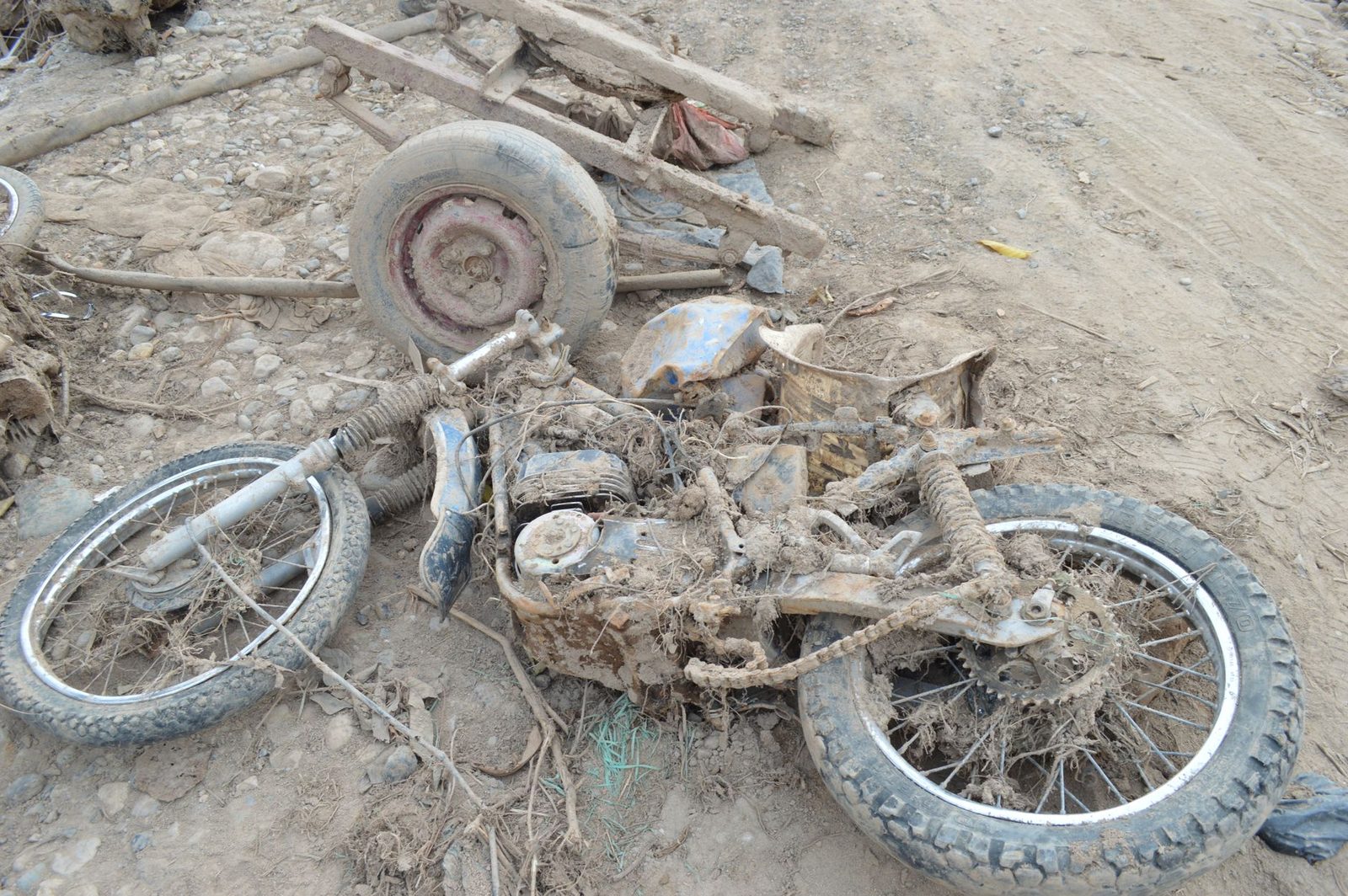
What Our Representation Covers
Representation covers the investigation, the insurance work, and the negotiation or lawsuit that follow a motorcycle crash.
- Investigation: gathering the crash report, scene and vehicle evidence, witness information, and medical records. Photos taken at the scene often show lane position, road conditions, and vehicle damage, which can matter when fault is disputed.
- Insurance handling: communicating with the at-fault driver’s insurer and your own. Georgia requires auto policies to include an endorsement that pays insured people for bodily injury caused by an uninsured owner or operator, under O.C.G.A. § 33-7-11.
- Negotiation and litigation: pursuing a fair settlement, and filing suit in court when the insurer will not offer fair compensation.
- Common crash patterns: left-turn and failure-to-yield collisions, drivers who say they never saw the motorcycle, unsafe lane changes, following too closely, and road hazards.
- Serious injuries: traumatic brain injury, spinal cord injury and paralysis, amputation, severe burns, broken bones, and wrongful death. Traumatic brain injuries can result from automobile accidents, according to the Administration for Community Living.
- Careful documentation of bills and lost wages matters for that reason.
Georgia Rules That Shape a Motorcycle Accident Claim
Three Georgia rules shape most motorcycle claims: the helmet law, shared-fault rules, and the deadline for filing. These rules can come up early, because fault disputes are common in these cases.
Helmets and eye protection. Georgia law says no one may ride a motorcycle unless wearing protective headgear that meets state standards (O.C.G.A. § 40-6-315). An approved eye-protective device is required on a motorcycle without a windshield. The rule does not cover people riding in an enclosed cab or motorized cart, or a person operating a three-wheeled motorcycle used only for agricultural purposes. Federal helmet guidance is published by the National Highway Traffic Safety Administration.
Shared fault. Georgia uses modified comparative fault, or shared fault. A judge reduces damages by the injured person’s percentage of fault (O.C.G.A. § 51-12-33(a)). If that person is 50 percent or more responsible, they may not receive any damages (O.C.G.A. § 51-12-33(g)). Insurers often try to shift blame to the rider, so fault evidence matters from the start.
Joint liability. Each at-fault person is liable only for their own share of damages. This matters when more than one driver contributed to a crash (O.C.G.A. § 51-12-33(b)).
Filing deadline. For injuries to the person, Georgia generally requires a lawsuit within two years after the right of action accrues, except that actions for injuries to the person involving loss of consortium must be brought within four years after the right of action accrues (O.C.G.A. § 9-3-33). Missing that window can end a claim, so an early review is wise.
How the Process Works: What to Expect
The process starts with a free consultation and moves through case review, evidence, damages, and negotiation, with a lawsuit only if needed.
- Free consultation. You share the crash facts, your injuries, and your insurance details. The first consultation is free, confidential, and carries no obligation to continue.
- Case review. The firm reviews the crash facts, injuries, insurance information, and any police report you have.
- Evidence preservation. The firm works to secure photos, vehicle data, and witness information while it is still available.
- Damages documentation. Medical records, bills, and wage loss are gathered and organized.
- Demand and negotiation. A settlement demand goes to the insurer, followed by negotiation.
- Lawsuit if needed. If a fair resolution is not reached, the firm can file suit and prepare the case for court.
Bring any police report, photos, medical bills, and letters from insurers to your consultation, if you have them. Timelines vary with injury severity, insurer response, and court schedules. The firm explains the likely steps for your case during the consultation.
Why Choose Slam Dunk Attorney for Your Motorcycle Claim
Slam Dunk Attorney is a personal injury firm in Duluth, Georgia, that handles motorcycle crashes along with catastrophic injury and wrongful death claims.
- Local base: The firm is based in Duluth, Georgia, and represents injured people across metro Atlanta and Georgia.
- More than one lawyer: Peter F. Jaraysi and Brian D. Wright are among the firm’s lawyers, and support staff help keep your file moving.
- Catastrophic injury and wrongful death work: The firm’s practice areas include spinal cord injury, paralysis, traumatic brain injury, amputation, severe burns, and wrongful death.
- A free first step: The consultation is free and confidential, so you can review your facts before you decide anything.
- Plain-language updates: The firm explains options, deadlines, and what each step means for you.
No lawyer can predict how a particular claim will end. The consultation is the place to review your specific facts.
Questions Riders and Families Ask Before Hiring a Motorcycle Accident Attorney
Most riders ask about quick settlements, shared fault, helmets, deadlines, and court. Short answers follow.
Do I need a lawyer if the adjuster offers a quick settlement?
Early offers often come before the full extent of injuries is known. A lawyer can review any offer before you accept it.
What if I was partly at fault?
Georgia reduces your damages by your share of fault. If you are 50 percent or more responsible, you may not receive any damages (O.C.G.A. § 51-12-33; Quynn v. Hulsey (2020)).
Does not wearing a helmet end my claim?
Georgia requires helmets, and insurers may raise helmet use. How that affects your claim depends on the facts.
How long do I have to file?
For most injury claims, Georgia generally allows two years.
Do I have to go to court?
Many claims settle through negotiation. A lawsuit is filed when a fair resolution is not reached.
What should I save after a crash?
Keep the crash report, photos, medical records, bills, and names of witnesses. These records help document what happened and what the crash cost you.
Is the first consultation free?
Yes. It is free, confidential, and carries no obligation to continue.
Not sure what your next step is?
Talk it through with our team — the first consultation is free, confidential, and carries no obligation.
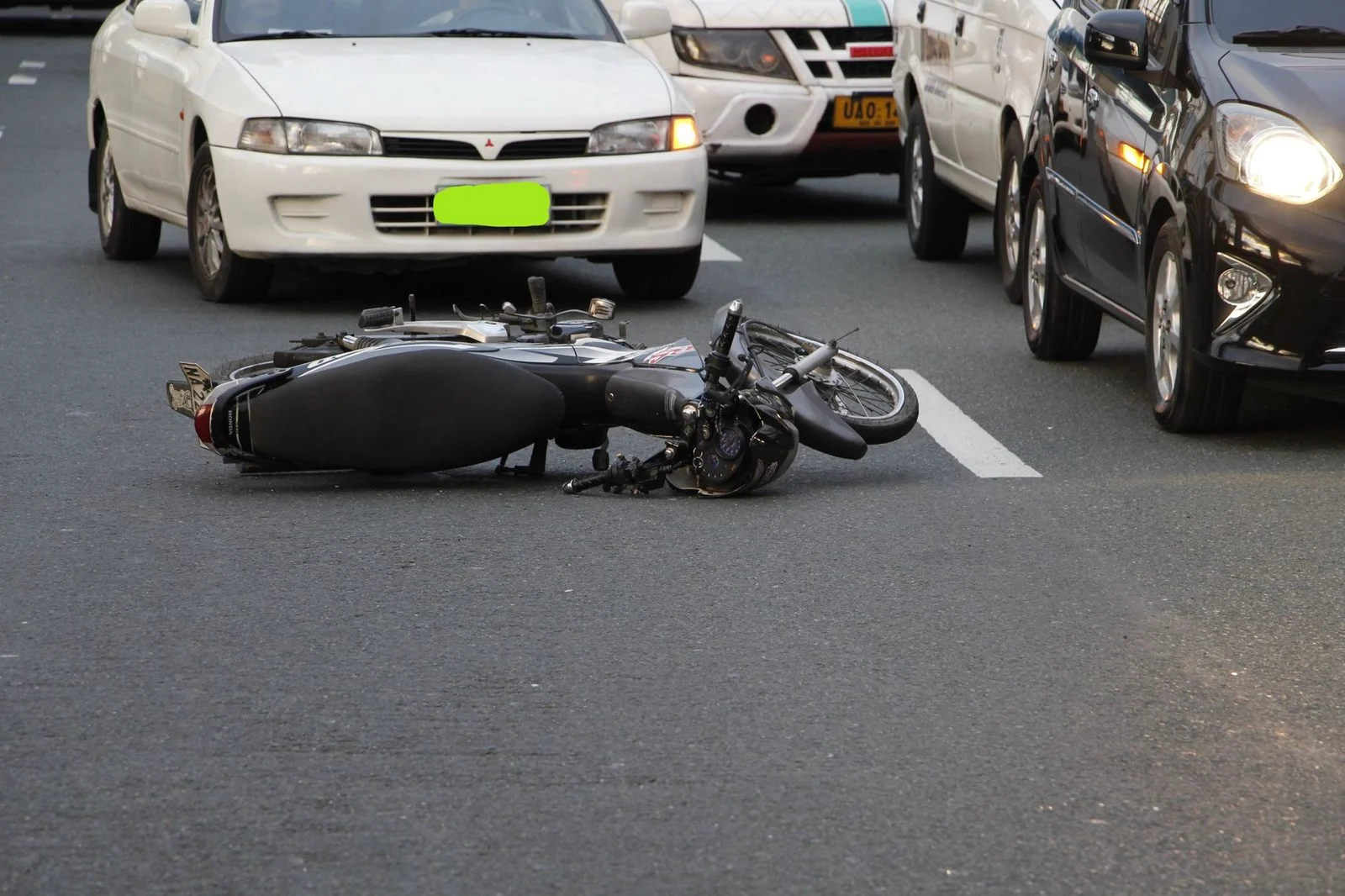
Talk to a Snellville Motorcycle Accident Lawyer About Your Crash
The useful next step after a motorcycle crash is a review of your facts while evidence and deadlines are still open. If you were hurt on a motorcycle in Snellville or elsewhere in metro Atlanta, or you are a family member facing a loss, the insurance calls and paperwork can feel like too much at once. A consultation gives you a clear picture of your options before you decide anything.
Get in touch with Slam Dunk Attorney through the contact page to set up your free, confidential consultation.
Responsible lawyer: Peter F. Jaraysi, Slam Dunk Attorney, Duluth, Georgia. This page gives general information about Georgia law. It is not legal advice for any particular case, and it does not predict any result.
How We Can Help After a Motorcycle Crash
Free Case Review
Call us to talk through what happened and what steps may be available to you. There is no cost for the first consultation.
Reviewing the Facts
We look at crash reports, photos, witness information, medical records, and insurance communications to understand your situation.
Reviewing Insurance Offers
Early settlement offers often come before the full extent of an injury is known. We can review any offer with you before you respond.
Support for Serious Injuries
Spinal cord injuries, traumatic brain injuries, amputations, and severe burns often require long-term planning. We take the time to explain each step.
Plain-Language Answers
You will get clear answers about your questions, without legal jargon, so you can make informed decisions at your own pace.
Be Careful With Insurance Contact
Insurance adjusters may ask for a recorded statement or a quick settlement soon after a crash. Speaking with a lawyer before giving a statement or accepting any offer can help you avoid decisions made before you understand your injuries.
Common Causes of Motorcycle Crashes
Left-Turn Collisions
Drivers turning across traffic often fail to see an approaching motorcycle, especially at intersections and driveways.
Lane Changes and Blind Spots
Motorcycles are smaller and can be hidden in a vehicle's blind spot, leading to sideswipes and lane-change crashes.
Road Hazards
Potholes, gravel, debris, and uneven pavement can cause riders to lose control, and the responsible party may be a driver or a property owner.
Distracted or Impaired Drivers
Phone use, speeding, and impaired driving put riders at serious risk on busy metro Atlanta roads.