

Motorcycle Accidents
Navigate Your Insurance Claim After a Motorcycle Accident in Georgia
Understanding the claim process helps you protect your rights and recover fairly for your injuries and losses.
By Peter F. Jaraysi · Published September 25, 2026
Insurance Claims After a Motorcycle Accident: Steps, Documentation & What to Expect
After a motorcycle accident in Georgia, you’ll need to navigate the insurance claim process—and you’ll want to do it right the first time. This guide walks you through each step, explains what documentation matters most, and helps you understand what to expect along the way.
If your motorcycle accident involved serious injuries, disputed fault, or an insurance offer that doesn't cover your damages, reach out—people in that situation contact us regularly to understand their options. Talk it through with our team — the first consultation is free, confidential, and carries no obligation.
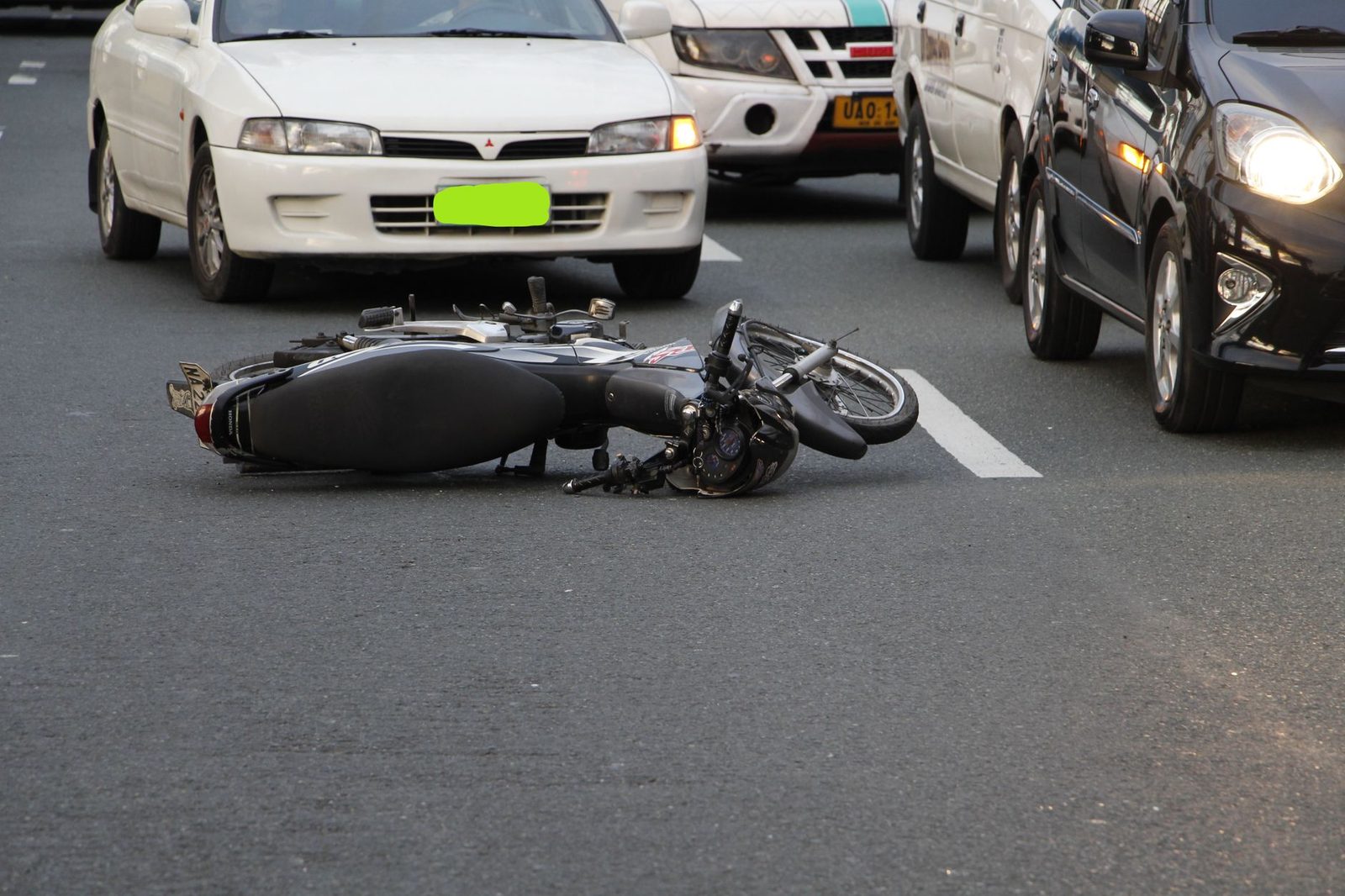
What Happens Immediately After a Motorcycle Accident
Your first priority after a motorcycle accident is safety and getting help. Move to a safe location if possible, and call 911 if anyone is injured—even if injuries seem minor, some symptoms appear hours or days later.
Document the scene while you’re still there. Take photos and video of your motorcycle’s damage, the other vehicle, road conditions, traffic signals, debris, and the overall scene from multiple angles. Get the other driver’s name, phone number, address, insurance company name, policy number, and license plate. If witnesses are present, collect their names and contact information—their account of what happened can be invaluable later.
In Georgia, you’re required to file a police report if the accident involves injury or significant property damage. Request a copy of the police report and note the report number; this document becomes central to your insurance claim. Don’t delay seeking medical attention, even if you feel okay. Motorcycle accidents carry elevated injury risk, and a medical evaluation creates documentation that supports your claim if injuries develop.
Notifying Your Insurance Company
Contact your insurance company as soon as possible. Check your policy for any time limits on reporting—most insurers expect notification within a few days. Have your policy number, the accident date and time, location, and a straightforward account of what happened ready when you call.
When you describe the accident, stick to the facts: what you were doing, what the other driver did, and what happened as a result. Don’t admit fault or speculate about what might have caused the crash. Ask your insurer what documentation they need, what the review timeline looks like, and request a claim number for your records.
Keep a written record of every conversation with your insurance company. Note the date, time, representative’s name, and what was discussed. This paper trail protects you if there’s confusion later.
Documentation You’ll Need to Gather
Strong documentation is your best defense in a motorcycle accident claim. Gather these items:
- Police report: Get a copy and keep the report number handy
- Scene photos and video: Multiple angles of damage, road conditions, traffic signals, and debris
- Medical records and bills: Every doctor visit, test, prescription, and treatment related to your injuries
- Repair estimates or invoices: Documentation of motorcycle damage and repair costs
- Proof of ownership and registration: Your title and current registration
- Witness statements: Written or recorded accounts from people who saw the accident
- Your own written account: Write down what happened while details are fresh—include the date, time, location, weather, road conditions, and exactly what you saw and did
- Receipts for out-of-pocket expenses: Transportation costs, medication, medical equipment, or other accident-related spending
Medical documentation is especially important in motorcycle accident claims. Adjusters may assume riders are at fault or downplay injuries. Detailed medical records—including imaging, specialist evaluations, and treatment plans—counter these assumptions and support the true value of your claim.
The Insurance Claim Investigation
Once you’ve filed your claim, your insurance company assigns an adjuster to investigate. The adjuster will contact you, the other driver, and any witnesses. They’ll review the police report, your photos, medical records, and repair estimates.
The adjuster may ask for a recorded statement. You have the right to decline or to have representation present during this conversation. Many people choose to have an attorney present during recorded statements to protect their interests.
Investigation timelines vary. Simple claims with clear liability may resolve in 4 to 8 weeks. Complex claims—especially those involving serious injuries or disputed fault—can take 12 to 16 weeks or longer. Ask your adjuster for status updates and a realistic timeline based on your specific accident.
Understanding Coverage Types
Georgia motorcycle insurance includes several coverage types. It’s important to understand what yours includes:
Liability coverage (required in Georgia) pays for damage or injuries you cause to others. Collision coverage (optional) pays for damage to your motorcycle from a collision, regardless of fault. Comprehensive coverage (optional) covers theft, weather, vandalism, and other non-collision damage.
Medical payments coverage pays your medical expenses up to your policy limit, independent of who was at fault. Uninsured motorist coverage protects you if the other driver has no insurance. Underinsured motorist coverage protects you if the other driver’s insurance limits are too low to cover your damages.
Your claim may involve multiple coverage types depending on the accident. For example, if you hit an uninsured driver, your uninsured motorist coverage and medical payments coverage may both apply.
Not sure what your next step is?
Talk it through with our team — the first consultation is free, confidential, and carries no obligation.
What Affects Your Claim Settlement
Several factors influence how much your claim will be worth and how quickly it settles:
Fault determination is critical in Georgia. Georgia is a comparative fault state, meaning your recovery may be reduced if you’re found partially at fault. If you’re 20% at fault, your settlement is reduced by 20%. Strong documentation of the accident scene and sequence of events helps establish fault clearly.
Injury severity and medical documentation directly affect your settlement. Serious injuries with clear medical support command higher settlements than minor injuries. Motorcycle damage and repair costs are factored in. Your policy limits and deductibles set the ceiling and floor of what’s available. The other driver’s insurance and coverage limits matter—if they’re underinsured, your uninsured motorist coverage may apply.
Finally, the clarity and completeness of your evidence influences how quickly and fairly your claim is resolved. Organized, detailed documentation speeds up investigation and strengthens your position.
Timeline: What to Expect
Here’s a realistic week-by-week breakdown:
Days 1–3: Report the accident to police, seek medical care, gather scene photos and witness information.
Week 1: Notify your insurance company and provide initial accident details.
Weeks 2–4: Your adjuster is assigned and investigation begins. You may be asked for additional documentation or a recorded statement.
Weeks 4–12: Investigation continues. The adjuster requests medical records, repair estimates, and witness statements.
Weeks 8–16: The adjuster makes a determination and offers a settlement, requests more information, or denies the claim.
After settlement offer: You can accept the offer, negotiate for more, or pursue other options.
Timelines vary significantly. A straightforward accident with one injured rider and clear liability might settle in 6 weeks. A multi-vehicle accident with serious injuries and disputed fault might take 4 months or longer.
Common Challenges in Motorcycle Accident Claims
Motorcyclists often face unique obstacles in insurance claims. Adjusters may assume the rider was at fault or riding recklessly, even without evidence. Detailed scene photos, witness statements, and police reports help counter this bias.
Injuries in motorcycle accidents are often underestimated by adjusters. Medical records are critical—they document the true extent of your injuries and ongoing treatment needs. Don’t skip medical appointments or downplay symptoms to your doctor.
If fault is disputed, the investigation takes longer and may become adversarial. The other driver might claim you caused the accident. This is why scene documentation and witness statements matter so much.
Insurance companies sometimes offer settlements that don’t reflect your actual damages. You have the right to negotiate. If the offer is too low, you can counter-offer or explore other options.
Finally, insurers may deny your claim entirely, claiming an exclusion in your policy applies or that you violated a policy condition. You have the right to appeal a denial.
When to Seek Legal Guidance
You don’t have to navigate this alone. Consider reaching out if:
- Your injuries are serious or will require ongoing treatment
- Fault is disputed or unclear
- The insurance company’s settlement offer seems too low
- The insurer denies your claim
- You’re unsure about your rights or next steps
- The other driver was uninsured or underinsured
- You suffered injuries caused by someone else’s negligence
An attorney can review your claim, negotiate with the insurance company, and protect your interests.

Frequently Asked Questions
How long does a motorcycle accident insurance claim typically take?
Most claims resolve in 4 to 16 weeks, depending on injury severity, evidence clarity, and whether fault is disputed.
Do I have to give a recorded statement to the insurance adjuster?
No. You can decline or request to have an attorney present during the conversation.
Can I recover damages if I was partially at fault in Georgia?
Yes. Georgia’s comparative fault law allows recovery even if you’re partially at fault, though your settlement is reduced by your percentage of fault.
What should I do if the insurance company denies my claim?
You have the right to appeal the denial. Review the denial letter carefully, gather additional evidence if possible, and consider seeking legal guidance.
Is uninsured motorist coverage worth the cost?
Yes. Many Georgia drivers are uninsured or underinsured. This coverage protects you when the at-fault driver can’t pay for your damages.
If your motorcycle accident resulted in serious injuries, the insurance company is offering a settlement that doesn’t cover your damages, or fault is being disputed, you don’t have to figure out your next steps alone. Riders in Georgia who are navigating these situations reach out to us regularly to understand their options and protect their rights. Contact us for a free case review to discuss what happened and what comes next.
The Motorcycle Accident Claim Process
Report the Accident
Notify the at-fault driver's insurance company promptly. Provide factual details about what happened, but avoid admitting fault or speculating about injuries. Keep records of all communications.
Document Everything
Gather photos of vehicle damage, the accident scene, road conditions, and your injuries. Collect medical records, repair estimates, and receipts for expenses. Save police reports and witness contact information.
Review the Insurer's Offer
The insurance company will evaluate your claim and make an offer. Understand what it covers and what it doesn't. Don't feel pressured to accept quickly—you have time to consider your options.
Resolve or Escalate
If the offer is fair, you may settle. If it doesn't reflect your losses, you can negotiate, request a formal review, or pursue other remedies with legal guidance.
Protect Your Claim
Do not give a recorded statement to the insurance adjuster without understanding your rights. You can decline or request to have an attorney present during any conversation with the insurer.
Why You May Need Legal Guidance
Insurers May Undervalue Your Claim
Insurance companies often offer less than your injuries and losses warrant. An attorney can help you understand what fair compensation looks like.
Complex Liability Questions
Motorcycle accidents can involve disputed fault, multiple vehicles, or unclear circumstances. Legal guidance helps clarify responsibility and strengthen your position.
Time Matters
Evidence fades, witnesses move away, and deadlines exist. Acting promptly protects your ability to build a strong claim.
Negotiations on Your Behalf
An attorney handles communications with insurers, allowing you to focus on recovery while someone advocates for your interests.