
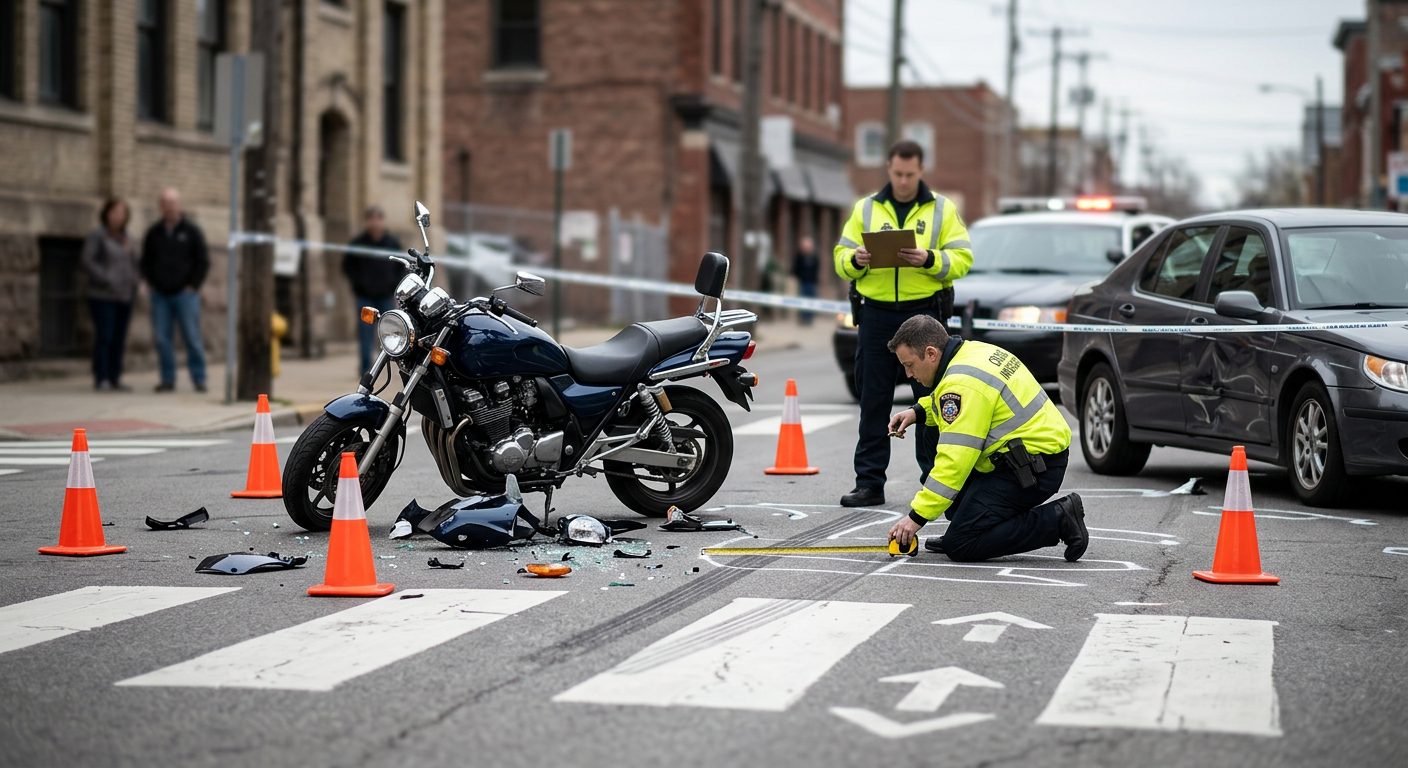
Motorcycle Accidents | Duluth, Georgia
Hurt in a Motorcycle Crash With an Uninsured Driver? Understand Your Coverage Options.
Uninsured motorist coverage can matter when the at-fault driver has no insurance or not enough of it. Our team explains how it works in plain language and helps riders in metro Atlanta and across Georgia take the next step.
By Peter F. Jaraysi · Published October 19, 2026
Uninsured Motorist Coverage for Motorcycle Accidents in Georgia
When you’re hit by a driver with no insurance or insufficient insurance, uninsured motorist (UM) coverage pays for your injuries and damages—but only if you have it on your policy. Understanding how this coverage works, what it covers, and how to file a claim can mean the difference between recovering fairly and bearing the cost yourself.
If you've been hit by an uninsured or underinsured driver and aren't sure what your coverage means or how to move forward, reach out to discuss your situation and explore your options. Talk it through with our team — the first consultation is free, confidential, and carries no obligation.
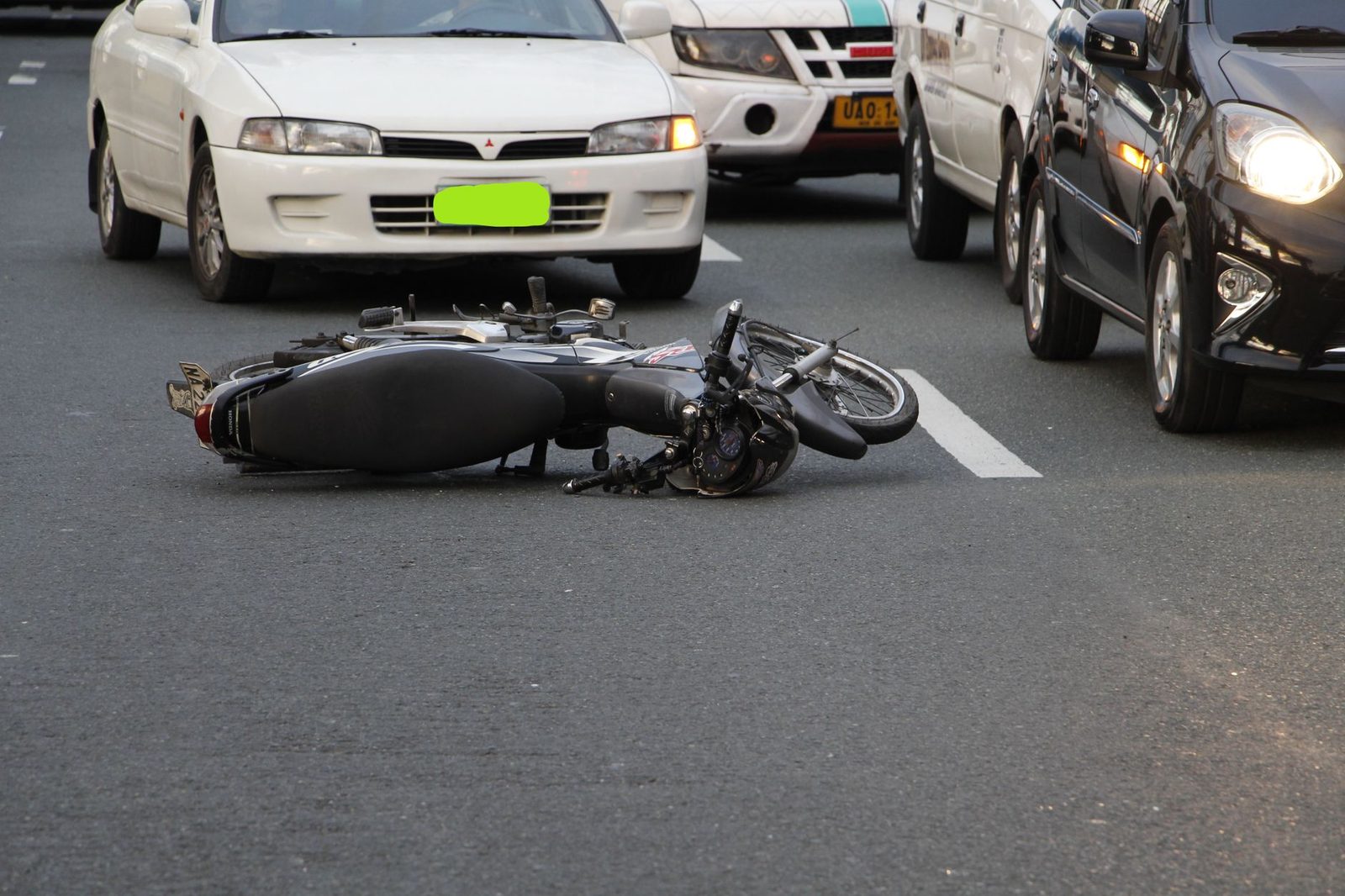
What Is Uninsured Motorist Coverage for Motorcycles?
Uninsured motorist coverage is insurance you buy to protect yourself when the other driver has no insurance or not enough insurance to cover your damages. It applies to motorcycle accidents the same way it does to car accidents—it pays for medical bills, lost wages, pain and suffering, and sometimes property damage (motorcycle repair or replacement), depending on your policy.
Georgia recognizes that many drivers are uninsured or underinsured. UM coverage exists to fill that gap. Without it, you would have to pursue the uninsured driver directly in court, which is often difficult because uninsured drivers typically have few assets to recover from. With UM coverage, your own insurance company pays your claim, up to the limits you chose when you bought your policy.
Georgia’s Legal Requirements for Uninsured Motorist Coverage
Under O.C.G.A. § 33-7-11, a motor vehicle liability policy generally must include uninsured motorist coverage, and that coverage does not apply where a named insured rejects it in writing.
Under Georgia law, the policyholder chooses uninsured motorist (UM) coverage limits, and those limits can be lower than your liability limits, so it is worth reviewing your own policy. You can choose higher limits if you want greater protection. You can also choose a deductible—typically $250, $500, or $1,000—which reduces your premium but means you pay that amount out of pocket before your insurer pays the rest.
Many riders carry UM coverage as standard protection because the cost is relatively low and the protection is valuable.
When Does Uninsured Motorist Coverage Apply After a Motorcycle Accident?
UM coverage applies when:
- The other driver has no insurance at all.
- The other driver’s insurance is insufficient to cover your damages (this is called underinsured motorist or UIM coverage, and it works similarly to UM).
- You are hit by a hit-and-run driver, if your policy includes hit-and-run protection and you can show you attempted to identify the vehicle.
- The accident is not your fault, or you are less than 50% at fault.
Georgia follows a rule called modified comparative fault. Under O.C.G.A. § 51-12-33, a plaintiff who is 50 percent or more responsible for the injury or damages claimed is not entitled to receive any damages. If the plaintiff is responsible to some degree, the judge reduces the damages awarded in proportion to the plaintiff’s percentage of fault.
How Much Does Uninsured Motorist Coverage Pay?
Your UM coverage pays up to the policy limits you chose—typically $25,000 to $100,000 or more. This payment covers medical expenses, lost income, and pain and suffering (also called non-economic damages).
Property damage to your motorcycle may be covered under a separate endorsement called uninsured motorist property damage (UMPD). If your motorcycle is damaged and the other driver is uninsured, UMPD would pay for repair or replacement, subject to your policy limits and deductible.
How to File an Uninsured Motorist Claim in Georgia
Filing a UM claim involves several steps:
-
Report the accident to police. Get a report number. This is essential for proving the other driver was uninsured.
-
Notify your own insurance company as soon as possible. Don’t wait. Most policies require prompt notice.
-
Gather and provide evidence. Give your insurer the police report, photos of the accident scene and your motorcycle, witness contact information, the other vehicle’s details (if available), and any video footage.
-
Document your damages. Keep records of all medical treatment, lost wages, repair estimates, and receipts for expenses related to the accident.
-
Your insurer investigates. They will determine whether the other driver was uninsured or underinsured and assess the value of your claim.
-
Review the offer. Your insurer will make an offer. You can accept it, negotiate for more, or dispute it if you believe it’s too low.
-
Resolve disputes if necessary. If you and your insurer cannot agree, you may have the right to arbitration or mediation as outlined in your policy.
Not sure what your next step is?
Talk it through with our team — the first consultation is free, confidential, and carries no obligation.
When Should You Hire a Lawyer for an Uninsured Motorist Claim?
Many people handle straightforward, low-damage claims on their own. However, a lawyer can be valuable if:
- Your injuries are serious or your damages are substantial.
- Your insurer denies your claim or offers significantly less than you believe your claim is worth.
- You are partially at fault and disagree with how your insurer calculated your reduction.
- The accident involves complex facts or multiple vehicles.
- You need help understanding your coverage or navigating the claims process.
A lawyer can help you gather evidence, negotiate with your insurer, and pursue your claim on your behalf. Insurance companies sometimes undervalue claims, and an advocate on your side can make a real difference.
Common Challenges in Uninsured Motorist Claims
Several issues can complicate a UM claim:
Proving the other driver was uninsured. Your insurer will investigate, but you should provide the police report and any information you gathered at the scene.
Disputes over fault. Your insurer may argue you were partially at fault, which reduces your recovery. Georgia’s modified comparative fault rule allows this (O.C.G.A. § 51-12-33; Quynn v. Hulsey, 310 Ga. 473 (2020)).
Undervaluation. Insurers may offer less than your claim is worth. Negotiation, additional evidence, or legal representation can help address this.
Policy limits. If your damages exceed your UM coverage limits, you may need to explore other remedies, such as pursuing the uninsured driver directly (though recovery is often difficult) or checking whether you have other coverage available.
Hit-and-run scenarios. Your insurer may require proof that you attempted to identify the vehicle. If you cannot provide this, coverage may be denied.
Uninsured Motorist Coverage vs. Other Georgia Motorcycle Insurance
It’s important to understand how UM coverage differs from other types of motorcycle insurance:
- Liability coverage pays for injuries and damage you cause to others.
- Collision coverage pays for damage to your motorcycle from a collision, regardless of who was at fault.
- Comprehensive coverage covers theft, weather, vandalism, and other non-collision damage.
- Uninsured/underinsured motorist coverage protects you when the other driver has no or insufficient insurance.
- Medical payments coverage pays your medical bills regardless of fault, up to your policy limit. It’s optional but useful for riders.
Each type of coverage serves a different purpose. UM coverage specifically protects you against uninsured or underinsured drivers.
What Happens If You Don’t Have Uninsured Motorist Coverage?
Without UM coverage, you would have to sue the uninsured driver directly in court to recover damages. This is often impractical because uninsured drivers typically have few assets. You would bear the cost of your own medical care and motorcycle repairs unless you can recover a judgment and collect it—which can take years and may yield little or nothing.
This is why many riders choose to carry UM coverage. The cost is modest, and the protection is substantial.
Time Limits for Filing a Claim
Missing a filing deadline can affect your right to recover compensation. Notify your insurer promptly and keep track of deadlines to protect your rights.
If you've been hit by an uninsured or underinsured driver and aren't sure what your coverage means or how to move forward, reach out to discuss your situation and explore your options. Talk it through with our team — the first consultation is free, confidential, and carries no obligation.
Next Steps If You’ve Been Hit by an Uninsured Motorist
If you’ve been injured in a motorcycle accident involving an uninsured or underinsured driver, here’s what to do:
- Seek medical attention immediately, even if injuries seem minor.
- Call the police and get a report number.
- Document the scene: take photos, collect witness contact information, and note the other vehicle’s details.
- Contact your insurance company right away.
- Keep detailed records of all medical treatment, lost wages, and repair estimates.
- Contact Slam Dunk Attorney for a free, confidential consultation with no obligation to continue, so you can understand your options and the steps you can take next.
Frequently Asked Questions
Underinsured motorist (UIM) coverage applies when the other driver’s insurance is insufficient to cover your damages. Many policies combine them into one coverage called UM/UIM.
Can I file a UM claim if I’m partially at fault?
Yes, but your recovery will be reduced by your percentage of fault—as long as you are less than 50% at fault (O.C.G.A. § 51-12-33; Quynn v. Hulsey, 310 Ga. 473 (2020)). If you are 50% or more at fault, you recover nothing under Georgia law (O.C.G.A. § 51-12-33; Quynn v. Hulsey, 310 Ga. 473 (2020)).
How long does a UM claim take to resolve?
Simple claims may settle in weeks or months. Complex claims or disputes can take longer, especially if arbitration or mediation is needed.
What if my insurer denies my UM claim?
You can dispute the denial, request arbitration or mediation as outlined in your policy, or hire a lawyer to challenge the decision.
Does UM coverage pay for my motorcycle repair?
Only if your policy includes uninsured motorist property damage (UMPD). Check your policy or ask your insurer.
If you’ve been hit by an uninsured or underinsured driver and you’re unsure what your coverage means or how to proceed with your claim, you don’t have to figure it out alone. Reach out to discuss your situation and explore what your options may be.
How We Help Motorcycle Riders
Plain-Language Explanations
We walk you through what uninsured and underinsured motorist coverage is, how it may apply to your crash, and what questions to ask your own insurer.
Review of Your Policy
Your coverage may appear on your own auto or motorcycle policy. We help you locate the relevant language and understand what it says.
Advocacy Against the Insurer
Insurance companies do not always make claims easy. We focus on protecting your interests while you concentrate on recovering.
Attention to Your Recovery
Injuries from motorcycle crashes can be serious. We keep your medical needs and daily life in view as we work through the claim.
Important: Act Early and Keep Records
Notify your insurance company promptly after a crash and keep every bill, report, photo and note about your injuries. Avoid giving recorded statements or signing settlement papers until you understand what they cover.
Questions Riders Often Ask
What if I am partly at fault?
Georgia law addresses shared fault in ways that can affect a claim. How it applies depends on the facts of your crash, so it is worth discussing your specific situation.
How long does a UM claim take?
Simple claims can resolve in a matter of weeks or months, while disputed or complex claims can take much longer. Every case moves at its own pace.
Does my own policy cover this?
Coverage depends on the policy you hold and the state of the at-fault driver's insurance. We can review your declarations page and endorsements with you.
Will I have to pay anything upfront?
Our first consultation is free, confidential and comes with no obligation to continue. We will explain how fees and case costs work before you decide anything.