
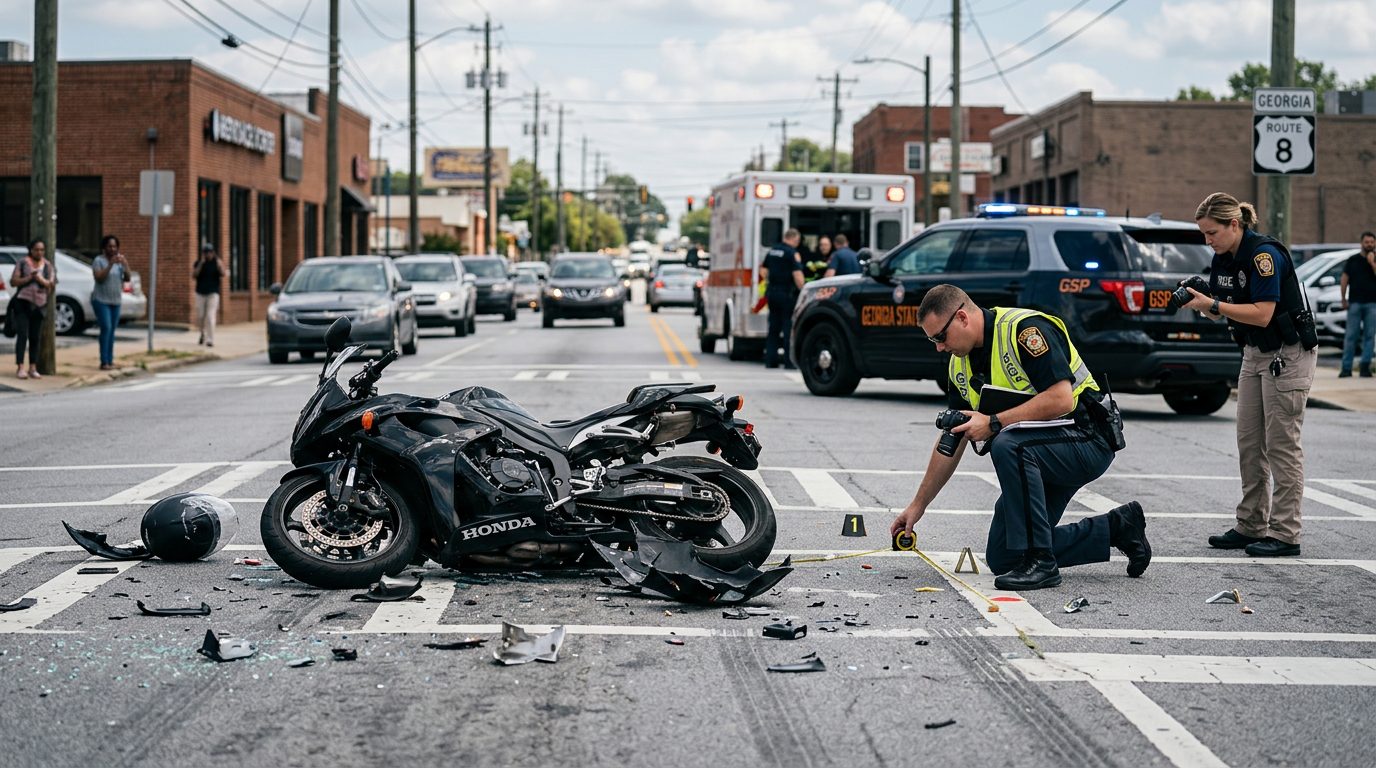
Motorcycle Accidents | Duluth, Georgia
Why Motorcycle Crashes Are So Often Fatal, and What Georgia Families Should Know
A plain-language guide from Slam Dunk Attorney on the risks riders face, why these crashes are so serious, and how our team can help families who have lost someone.
By Peter F. Jaraysi · Published October 23, 2026
What is the leading cause of death on a motorcycle? The short answer is a crash that sends the rider’s head and body into the road or another vehicle. A motorcycle offers little protection, so a crash that causes minor injuries in a car can be fatal on a bike. If someone you love died or was badly hurt, you deserve clear facts. This page explains the main risk patterns, Georgia’s helmet rule, and the wrongful death basics you may need to know.
What is the leading cause of death on a motorcycle?
The short answer is that a rider’s head and body striking the road or another vehicle is the core danger. Riders have no roof, doors, or airbags around them. Even a fall at moderate speed can cause a serious head or body injury.
That count covers all vehicles, so it shows the scale of crash deaths in the state, not a motorcycle-only total. The Georgia Department of Public Health also publishes state statistics on crash deaths and hospital visits.
The cause of death can differ from the cause of the crash. That is why the crash report and the medical examiner or coroner’s records both matter. Each one tells part of the story.
If a motorcycle crash has left your family facing a death or a serious head injury, our team can talk through your questions in a free, confidential consultation. Talk it through with our team — the first consultation is free, confidential, and carries no obligation.
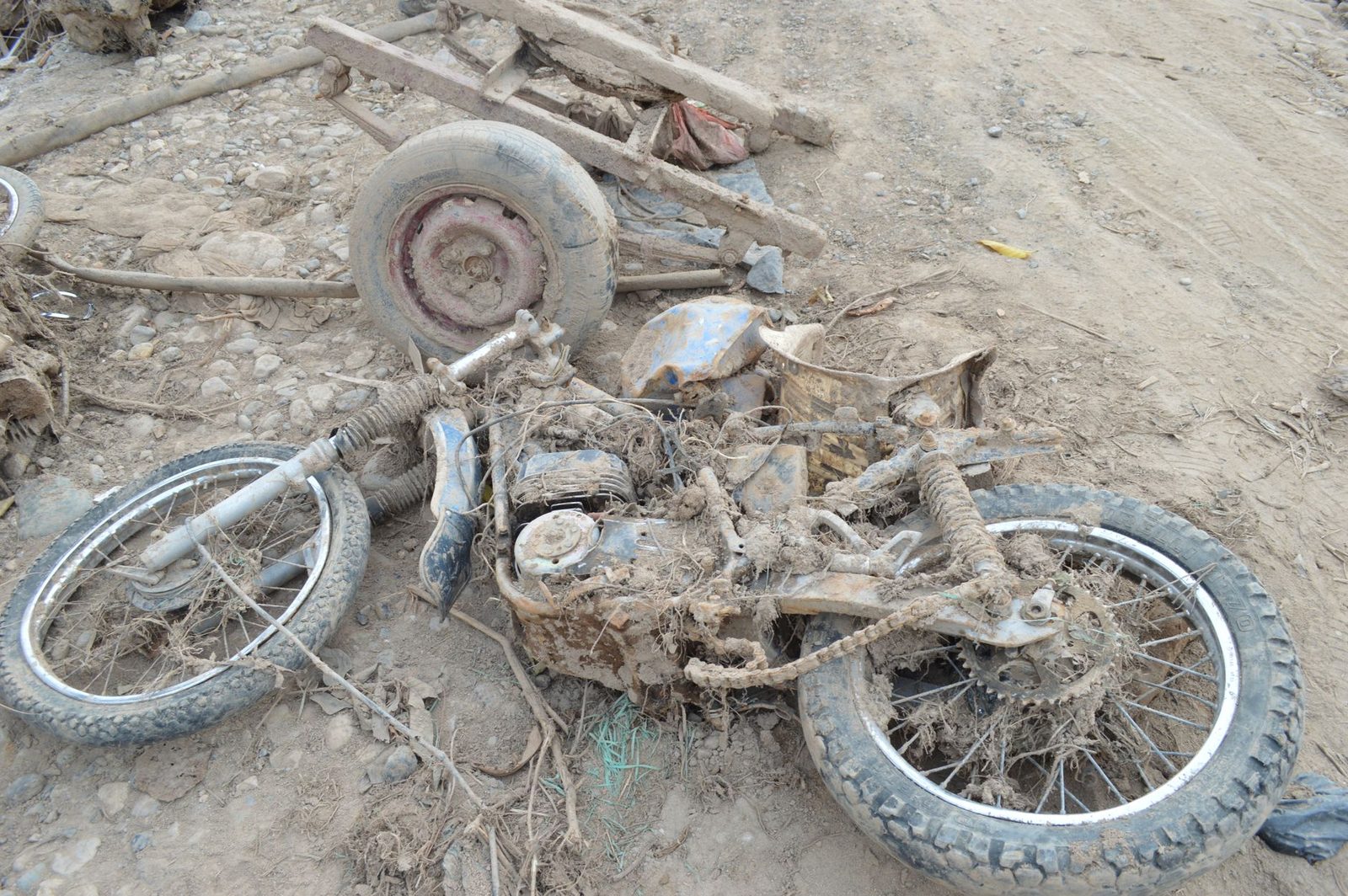
Collisions with other vehicles and how they happen
Many motorcycle crashes involve another vehicle that turns, changes lanes, or enters an intersection without seeing the rider. Common patterns include:
- A driver turning left across the motorcycle’s path
- A driver failing to yield at an intersection
- A lane change into the space a rider occupies
- A rear-end impact at speed
A driver may say they never saw the motorcycle. Investigators look at visibility, lane position, and traffic conditions for that reason. A rider can be hurt by another driver’s error even when the rider was riding lawfully. Keeping the focus on what happened helps families see the facts clearly.
Head and brain injuries and the role of helmets
Head and brain injuries are a serious risk because a rider’s head can strike the pavement, a vehicle, or a fixed object like a pole or guardrail.
Under O.C.G.A. § 40-6-315, no one may operate or ride on a motorcycle without protective headgear that meets state standards. O.C.G.A. § 40-6-315 reads: “(b) No person shall operate or ride upon a motorcycle if the motorcycle is not equipped with a windshield unless he or she is wearing an eye-protective device of a type approved by the commissioner of public safety.” O.C.G.A. § 40-6-315 reads: “(a) No person shall operate or ride upon a motorcycle unless he or she is wearing protective headgear which complies with standards established by the commissioner of public safety.” A motorcycle without a windshield also requires an approved eye-protective device.
A helmet lowers the risk of head injury, but it does not prevent every one. The helmet rule exists to reduce that risk.
Other factors that raise the risk of a fatal motorcycle crash
Speed, impairment, road hazards, and limited training can all raise a rider’s risk of a serious crash. Higher speeds put more force on the rider’s body when a crash happens. Fatigue, impaired riding or driving, and riding without training or a motorcycle endorsement add to the risk.
Road conditions matter too. Potholes, gravel, and wet pavement can make a motorcycle harder to control. Low light and bad weather can make a motorcycle harder for other drivers to see.
These are risk factors, not a finding that any particular rider was at fault. Each crash has its own facts.
When a motorcycle crash death happens in Georgia: wrongful death basics
Georgia’s wrongful death law lets certain family members bring a claim when another person’s wrongful act causes a death. If there is no surviving spouse, a child or children may do so.
When a death results from a crime or from criminal or other negligence, the personal representative may also recover funeral, medical, and other necessary expenses.
Georgia’s general deadline for injury claims is two years after the right of action accrues (O.C.G.A. § 9-3-33). Raise the timing question early. Early steps often include gathering the crash report, witness names, photos, and the medical examiner or coroner’s records, because evidence can be lost over time.
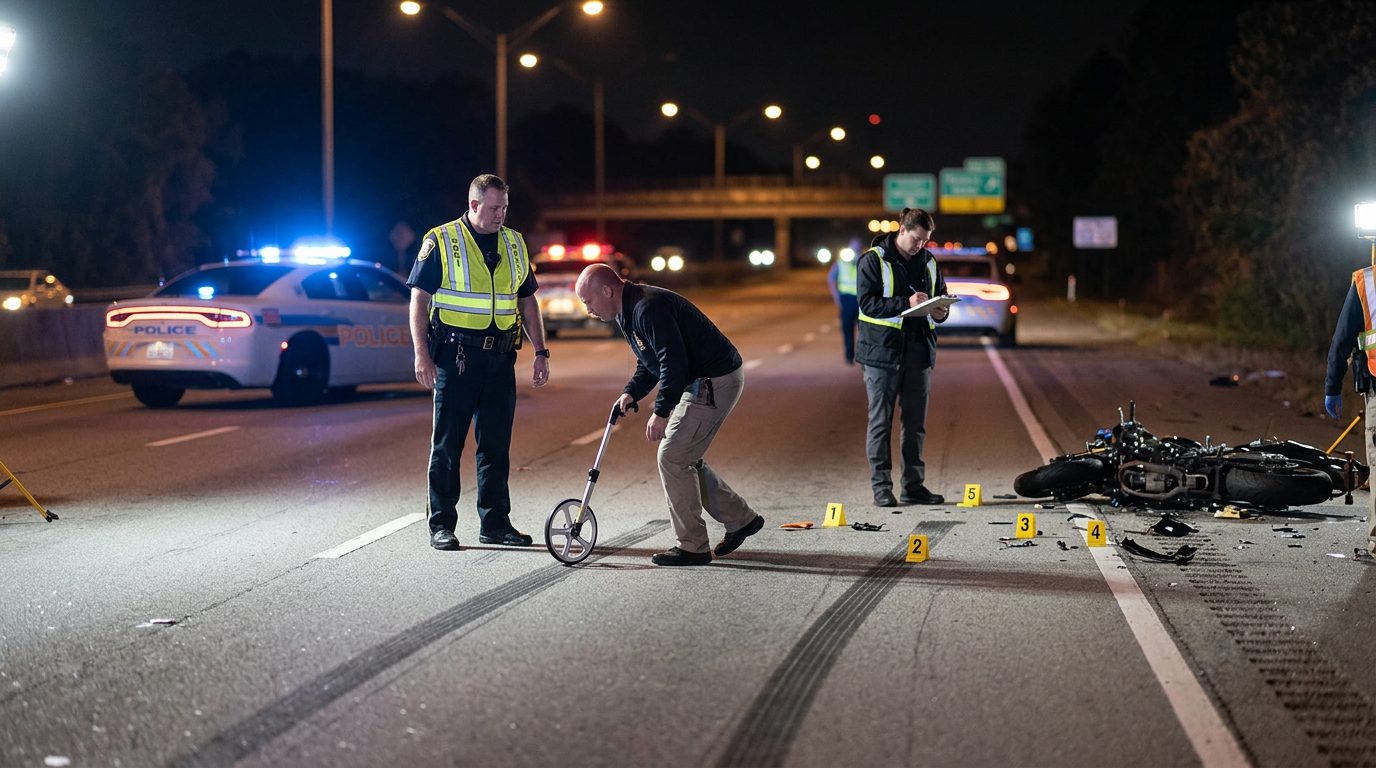
Talking with Slam Dunk Attorney about a motorcycle crash
Slam Dunk Attorney is a personal injury firm based in Duluth, Georgia. It represents people hurt in motorcycle crashes and other accidents across metro Atlanta and the state.
Georgia also reduces a claim by the injured person’s own share of fault. As quoted in Quynn v. Hulsey, O.C.G.A. § 51-12-33 cuts damages by the plaintiff’s share of fault. A plaintiff 50 percent or more responsible recovers nothing. Under O.C.G.A. § 51-12-33(g), a plaintiff is not entitled to receive any damages if the plaintiff is 50 percent or more responsible for the injury or damages claimed.
If a motorcycle crash has left your family with questions about a death or a serious head injury, you do not have to sort out the next steps alone. The first consultation is free, confidential, and carries no obligation to continue. Request a free case review.
Who can file a wrongful death claim in Georgia?
A surviving spouse may, and if there is no surviving spouse, a child or children may.
Are Georgia motorcyclists required to wear a helmet?
Yes. Georgia law requires protective headgear that meets state standards.
How long do I have to file a claim?
Under Georgia law, actions for injuries to the person generally must be brought within two years after the right of action accrues (O.C.G.A. § 9-3-33). Ask about timing early, because it can affect your options.
Can a rider’s own fault reduce a claim?
Yes. Under Georgia’s comparative fault rule, a plaintiff who is 50 percent or more at fault recovers nothing (O.C.G.A. § 51-12-33; Quynn v. Hulsey (2020)).
Responsible lawyer: Peter F. Jaraysi, Slam Dunk Attorney, Duluth, Georgia. Contact: https://slamdunkattorney.com/contact-us/. This page provides general information, not legal advice, and reading it does not create an attorney-client relationship.
Why motorcycle crashes are so serious
Little protection
Unlike people in cars, motorcyclists have no frame, airbags, or crumple zones between them and the road or other vehicles.
Sudden impacts
Many crashes happen in seconds, leaving little time to brake, swerve, or react, especially at highway speeds.
Hazards on the road
Uneven pavement, gravel, debris, and poorly marked lanes can cause a rider to lose control even when no other vehicle is involved.
Serious injuries
Head, spinal, and internal injuries are common in motorcycle collisions, and some lead to lasting disability or death.
Common factors in serious motorcycle crashes
Drivers who do not see motorcyclists
Motorcycles are smaller and easier to miss, and drivers changing lanes or turning across traffic sometimes fail to check for them.
Speed and sudden stops
Higher speeds shorten reaction time, and sudden braking by a vehicle ahead can leave a rider little room to stop safely.
Impaired or distracted driving
Drivers who are intoxicated, texting, or otherwise distracted put motorcyclists at serious risk on busy metro Atlanta roads.
Dangerous road conditions
Potholes, debris, poor lighting, and unsafe road design can turn an ordinary ride into a fatal crash.
Losing someone in a motorcycle crash
The loss of a loved one is painful, and the questions that follow can feel overwhelming. Our team at Slam Dunk Attorney is available to talk through what happened. Your first consultation is free, confidential, and without obligation to continue.