
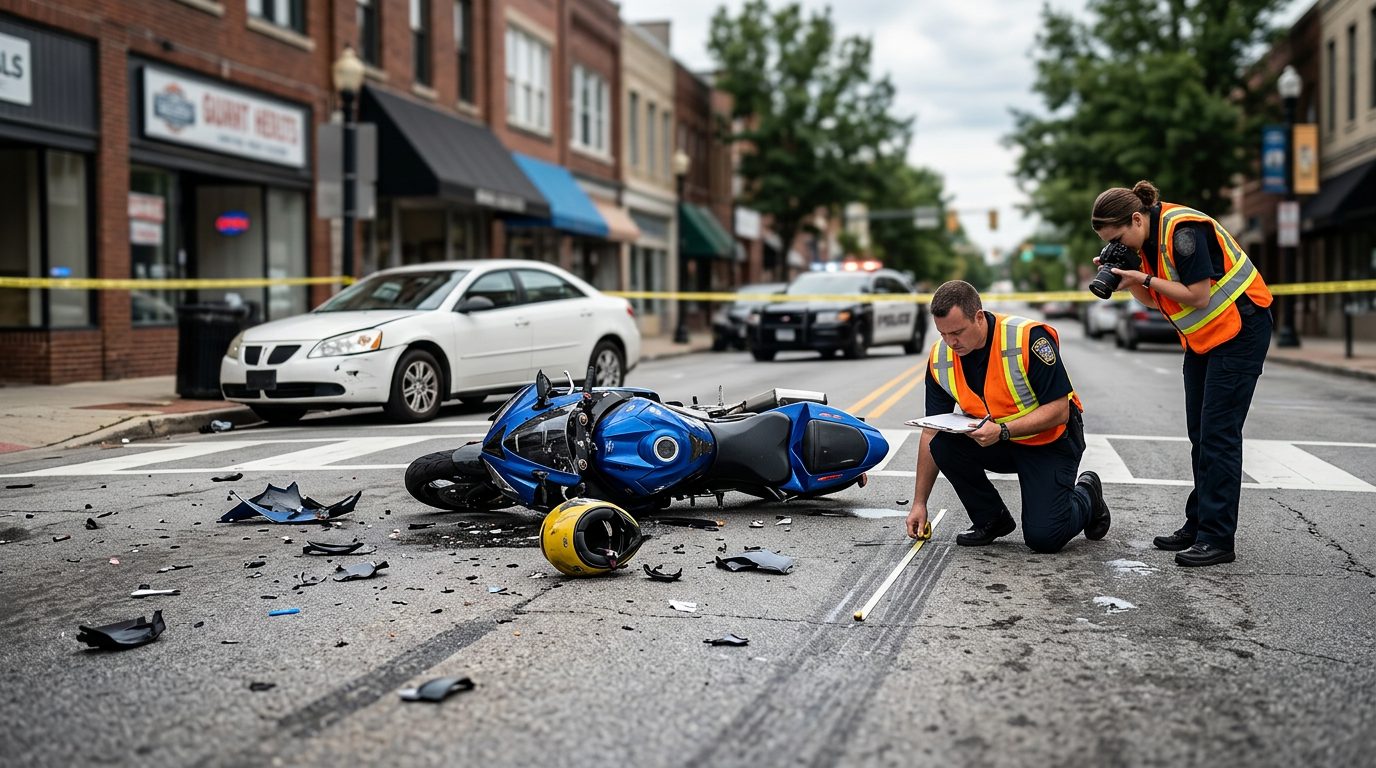
Norcross Motorcycle Accident Attorney
Hurt in a Motorcycle Crash in Norcross? Here Is What to Do Next
Clear, practical steps to protect your health and your claim, from Slam Dunk Attorney in Duluth, Georgia. Your first consultation is free and confidential.
Why Reach Out to Our Team
Free
First consultation, confidential and with no obligation to continue
Atlanta
Metro area and across Georgia
10
Injury practice areas, including motorcycle accidents
By Peter F. Jaraysi · Published October 20, 2026
If you were hurt in a motorcycle crash in Norcross, the steps you take in the first days can affect both your health and your claim. Georgia sets a general deadline for filing injury lawsuits, and its fault rules can reduce what an injured rider recovers. This guide explains the first steps, the main Georgia rules and what a claim involves. It is written for riders and families who are looking for a motorcycle accident lawyer in Norcross and want clear facts first. Slam Dunk Attorney is a personal injury firm based in Duluth, Georgia, serving metro Atlanta and Georgia.
Why a Norcross motorcycle crash raises its own questions
A Norcross motorcycle crash often turns on what the other driver says happened. Norcross sits in Gwinnett County, where riders share busy commercial roads and commuter traffic with cars and trucks. Many motorcycle crashes involve a driver who says they never saw the rider. That statement can shape the insurance response from the first day, so the early record matters.
Two state sources help explain the rules. The Governor’s Office of Highway Safety publishes a motorcycle safety factsheet on Georgia licensing, equipment and lane-use rules. The Georgia Department of Driver Services publishes right-of-way rules, which can help show which driver had to yield at an intersection.
This page covers the steps and the legal framework. How those rules apply to your crash depends on the facts.
If a driver in Norcross said they never saw your motorcycle, you may have a claim, and our team can talk through the facts with you. Talk it through with our team — the first consultation is free, confidential, and carries no obligation.
What should you do first after a motorcycle crash?
Get medical care right away, and keep a record of what happened. Some injuries take time to show. A prompt medical visit creates a record that links your injuries to the crash. Follow the treatment plan you are given. Gaps in care can make an injury harder to explain later.
Report the crash to police and ask for the report number. Write down the names and phone numbers of any witnesses. Photograph the scene, the motorcycle, the other vehicle, the road conditions and any visible injuries.
Start a running file. Keep medical bills, prescription receipts, records of time missed from work and repair estimates for your bike and gear. Keep your damaged helmet and riding gear too.
Be careful with insurers. An adjuster may ask for a recorded statement or offer a quick payment. You don’t have to give a statement on the spot. Accepting an early offer can end the claim before your injuries are fully understood.
How long do you have to file a claim in Georgia?
Georgia generally requires a personal injury lawsuit to be brought within two years after the right of action accrues. That general rule comes from O.C.G.A. § 9-3-33. Claims for loss of consortium (a spouse’s claim for the effect of an injury on the marriage) have a four-year period under the same statute.
A missed deadline can end a claim that was otherwise valid. Keep track of the dates from the start. Some claims carry other rules, so the calendar matters early.
How does fault work when a rider shares the blame?
Georgia reduces your recovery by your share of fault. Under O.C.G.A. § 51-12-33, you cannot recover if you are 50 percent or more responsible for the injury or damages claimed.
The judge reduces the damages in proportion to the injured person’s fault. Suppose the total damages are set at a certain amount, and 20 percent of the fault falls on the rider. The judge would reduce that award by 20 percent. Under O.C.G.A. § 51-12-33, the judge reduces the damages otherwise awarded to the plaintiff in proportion to the plaintiff’s percentage of fault, and the plaintiff is not entitled to receive any damages if the plaintiff is 50 percent or more responsible for the injury or damages claimed.
Insurers often argue that the rider shared the blame. Photos, the police report and witness names help answer that argument, because they show how the crash happened. When more than one person is liable, each pays only the share of fault assigned to that person. The fault of all persons or entities who contributed to the injury is considered, regardless of whether they were, or could have been, named as parties, and the fault of a nonparty is also considered if the plaintiff entered into a settlement agreement with that nonparty or if a defending party gives notice not later than 120 days prior to the date of trial that the nonparty was wholly or partially at fault.
That requirement is in O.C.G.A. § 51-12-33(d). A motorcycle without a windshield requires an approved eye-protective device. O.C.G.A. § 40-6-315 reads: “(b) No person shall operate or ride upon a motorcycle if the motorcycle is not equipped with a windshield unless he or she is wearing an eye-protective device of a type approved by the commissioner of public safety.”
What does a motorcycle injury claim involve with Slam Dunk Attorney?
A claim involves gathering records, dealing with insurers and making decisions with a lawyer’s advice. Slam Dunk Attorney is based in Duluth, Georgia, and represents people hurt in car, truck and motorcycle accidents across metro Atlanta and Georgia. Peter F. Jaraysi is the lawyer responsible for this page. Our team handles the administrative work, including gathering records, communicating with insurers and keeping the file organized. The lawyer reviews the facts and advises on the claim.
The first consultation is free, confidential and without obligation to continue. If a case goes forward, you may still owe court costs and case expenses.
Families can have rights too. If a motorcycle crash results in a death, O.C.G.A. § 51-4-5 lets the administrator or executor bring the action for the next of kin when no one else is entitled to sue under the sections the statute names. The same statute lets the personal representative recover funeral, medical and other necessary expenses when death results from a crime or from criminal or other negligence.
Common questions
How long do I have to file in Georgia?
Georgia generally allows two years after the right of action accrues for a personal injury lawsuit, under O.C.G.A. § 9-3-33.
Do I have to pay court costs if the case goes forward?
You may still owe court costs and case expenses.
Attorney responsible for this page: Peter F. Jaraysi, Slam Dunk Attorney, Duluth, Georgia. Contact: https://slamdunkattorney.com/contact-us/
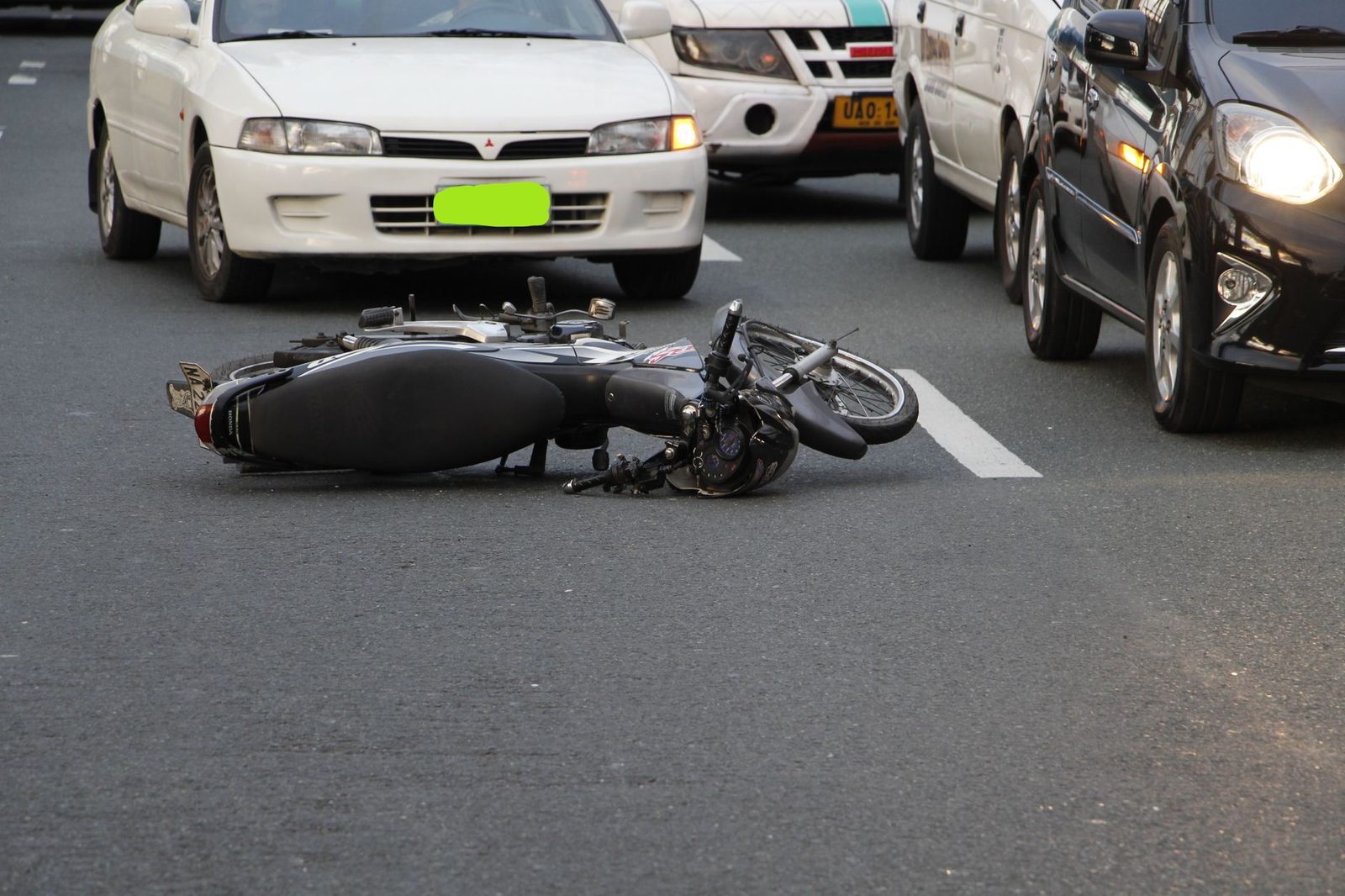
Talk with us about your Norcross motorcycle crash
If a driver in Norcross said they never saw your motorcycle, you may have a claim, and our team can talk through the facts with you. That may describe your situation if you are still treating injuries from a crash on a Norcross road, if a filing deadline is weighing on you, or if your family is facing a loss after a motorcycle crash. Every crash has its own facts, and general information cannot promise how any claim will turn out.
How We Can Help After a Motorcycle Crash
Listening first
Our team takes the time to understand what happened, how you are feeling and what matters most to you.
Protecting your claim
We help you keep track of records and communications so your side of the story is documented clearly.
Plain-language answers
You will get straightforward explanations of the process, without legal jargon, so you can make informed decisions.
Focus on recovery
We aim to take the paperwork and calls off your plate so you can concentrate on your health and family.
Be Careful With Recorded Statements
Insurance adjusters may ask you for a recorded statement soon after a crash, often while you are still in pain or shaken. Talk with a lawyer before you agree to give one. This is general information, not legal advice for your situation.
Your First Steps After a Crash
Get to safety
If you can, move to a safe spot away from traffic and call 911 so police and medical help can respond.
Get checked by a doctor
Some injuries, including head and back injuries, may not show symptoms right away. A medical evaluation creates an important record of your condition.
Write down what you remember
Note the date, time, location, weather, road conditions and the other vehicle's details while the memory is fresh.
Keep your records
Save the police report, medical bills, repair estimates, photos and any messages about the crash in one place.