
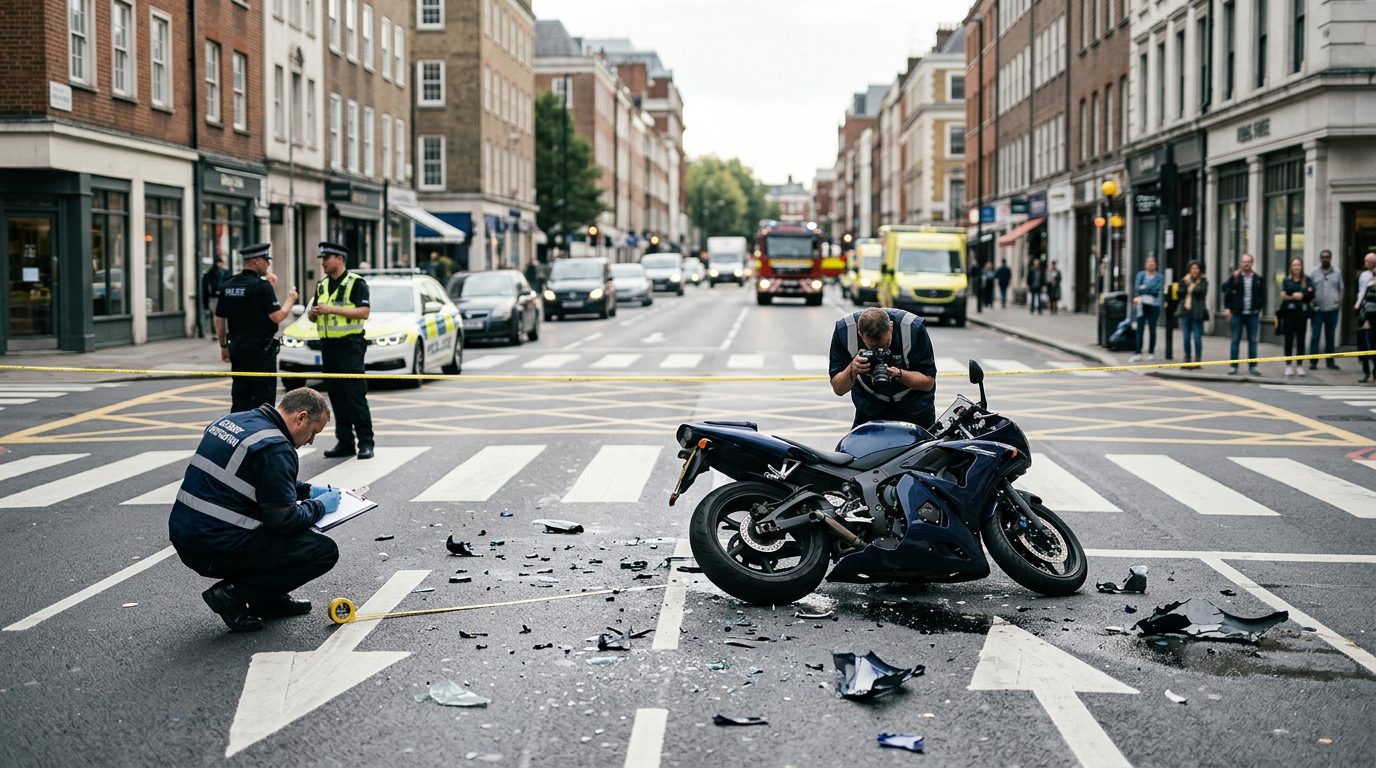
Motorcycle Safety & Accidents
Where Do Motorcycle Accidents Occur?
Understanding the roads and intersections where riders face the greatest risk—and what to do if you've been hurt.
By Peter F. Jaraysi · Published October 01, 2026
Where Do Motorcycle Accidents Occur? Where Motorcycle Accidents Occur: Location Patterns and What They Mean
This finding surprises many riders who assume interstates and open roads are the most dangerous places to ride. Understanding where accidents actually occur—and why—can help you recognize high-risk situations and know what to do if you’re injured.
If you’ve been injured in a motorcycle accident on a local road or at an intersection, understanding what happened and whether another driver was at fault is an important first step. Talk it through with our team — the first consultation is free, confidential, and carries no obligation.
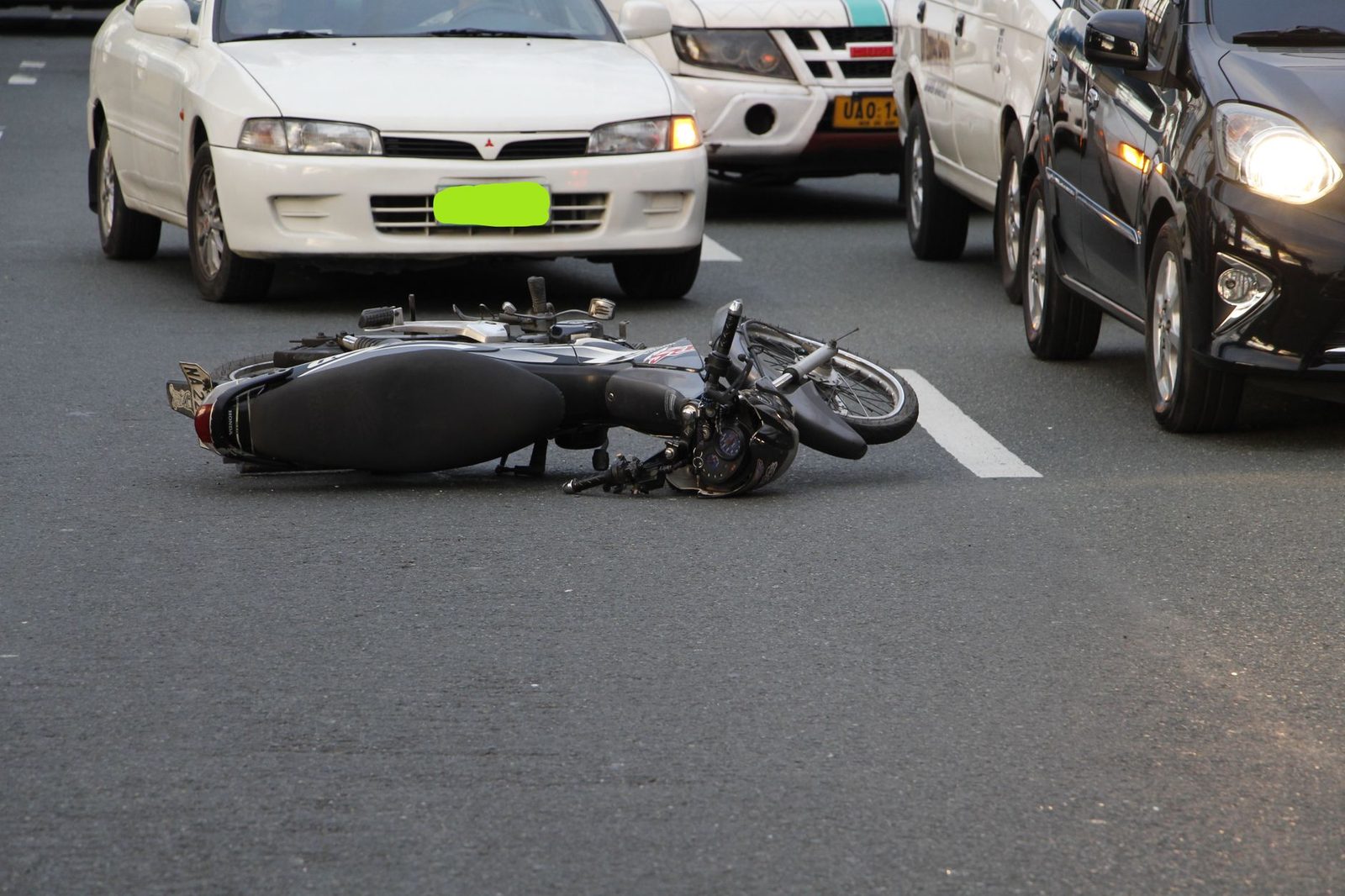
Where motorcycle accidents happen most
This concentration reflects the reality that riders spend more time navigating city streets, county roads, and residential areas than cruising open highways.
The term “local roads” includes city streets, county roads, neighborhood streets, and other non-interstate routes. These are the roads where most riders encounter daily traffic. The data shows that riders’ actual risk is highest where they ride most often—not where they fear riding most.
This matters because it shifts the conversation about motorcycle safety. Many riders focus on highway hazards when the statistically greater threat comes from closer to home: intersections, traffic signals, turning vehicles, and congested urban traffic patterns.
Why do the majority of motorcycle accidents occur in urban and local settings?
Urban and local roads present a unique combination of hazards that highways don’t. Traffic density is higher, meaning more vehicles share the same space. Intersections are frequent, and each one is a point where driver error, visibility problems, and timing failures converge.
More interactions with other vehicles is the core reason. On a local road, you encounter left-turning vehicles, vehicles entering from side streets, and drivers changing lanes constantly. On a highway, traffic moves in one direction at predictable speeds. On a city street, a driver can turn left in front of you without warning.
Visibility is a critical factor. Motorcycles have a small profile. Drivers looking for full-size cars often don’t see a motorcycle in their field of vision. In urban traffic with multiple lanes, parked cars, and visual clutter, a motorcycle becomes even easier to miss. This visibility gap is one of the leading causes of motorcycle accidents in cities.
Speed and complexity work together. While highway speeds are higher, local roads present more complex traffic patterns. A driver might misjudge a motorcycle’s speed and distance at an intersection. They might not see you in their blind spot while changing lanes on a multi-lane street. These errors happen frequently in urban settings.
Pedestrian and vehicle activity adds another layer. In cities, pedestrians cross streets, delivery vehicles stop suddenly, and parked cars create visual obstacles. Each adds unpredictability to your ride.
Intersection accidents: A common setting for motorcycle crashes
Intersections are where many local-road motorcycle accidents happen. A driver turning left in front of an oncoming motorcycle is a classic scenario. The driver looks for large vehicles and doesn’t register the motorcycle. By the time they see you, it’s too late.
Left-turn crashes can happen when a motorcycle’s speed and distance are hard for other drivers to judge. A motorcycle approaching an intersection looks farther away than it is because of its size. The driver thinks they have time to turn and pulls into the intersection.
Intersections are another setting where crashes can happen. A driver runs a red light or stop sign, or pulls out from a side street without fully checking for traffic. A motorcycle rider can’t always brake in time or swerve safely.
Why motorcycles are vulnerable at intersections: Your smaller profile makes you harder to see. You have less mass to absorb impact. You can’t hide behind another vehicle or use size to make yourself more visible. These factors combine to make intersections statistically riskier for riders than for car drivers.
Highway vs. local road motorcycle accidents: What the data shows
While many motorcycle accidents occur on local roads, highway accidents tend to be more severe. This is an important distinction. A local-road accident at 35 miles per hour might result in a broken arm. A highway accident at 70 miles per hour often results in catastrophic injury.
According to NHTSA data, 67 percent of motorcycle fatalities occurred on non-intersection locations—which includes highways and open roads. Higher speeds generally make motorcycle accidents more severe.
The difference reflects physics: speed multiplies injury severity. On a local road, you’re more likely to have an accident, but you’re traveling slower. On a highway, accidents are less frequent, but the consequences are often worse.
Both settings require different safety strategies. On local roads, focus on visibility, intersection awareness, and anticipating driver mistakes. On highways, focus on speed management, following distance, and maintaining control at higher speeds.
What Causes Motorcycle Accidents?
Human error plays a role in many motorcycle accidents, on many types of roads and in many locations. This includes driver inattention, speeding, failure to yield, and misjudgment of distance or speed.
For motorcycles specifically, visibility failures and driver mistakes about motorcycle speed are top factors. A driver doesn’t see a motorcycle. A driver sees a motorcycle but misjudges how fast it’s moving. A driver fails to yield because they didn’t look carefully enough.
Road conditions and weather can make human error worse. Wet pavement, gravel, or poor lighting increases the chance that a small driver error becomes a crash.
The takeaway: many accidents involve human error, and in some cases the other driver made a mistake. Understanding this is important if you’re injured, because it means another party may be responsible.
Not sure what your next step is?
Talk it through with our team — the first consultation is free, confidential, and carries no obligation.
Motorcycle safety strategies for high-risk locations
At intersections: Assume drivers don’t see you. Reduce speed, scan for turning vehicles, and position yourself where you’re most visible. Make eye contact with drivers if possible. Avoid riding in blind spots.
On local roads: Use high-visibility gear, keep your headlight on, and ride defensively. Anticipate driver behavior—watch for brake lights ahead, look for vehicles about to turn, and assume drivers will make mistakes.
Speed management: Ride at speeds that let you stop or maneuver if a driver makes an error. On local roads, this often means riding slower than the posted limit.
Visibility gear: Bright colors, reflective materials, and a well-lit motorcycle make you easier to see. This is especially important in urban traffic.
These strategies reduce risk, but they can’t eliminate it. Other drivers’ mistakes are sometimes unavoidable.
If you’ve been in a motorcycle accident
Understanding where and how your accident happened is important context for what comes next. Location, road conditions, traffic patterns, and the other driver’s actions all affect liability—that is, who is legally responsible for your injury.
If another driver’s negligence (failure to exercise reasonable care) contributed to your accident, you may have a claim for compensation, and whether you do depends on the facts of your case. Talk with a lawyer about your own situation. Possible damages may include medical expenses, lost wages, and pain and suffering.
Many riders injured on local roads or at intersections aren’t sure whether they have a legal claim. They’re focused on recovery and unsure about their rights. Getting clarity on what happened and whether another party was at fault is a natural next step.
FAQ
Why are intersections dangerous for motorcyclists?
Intersections concentrate multiple hazards: left-turning vehicles, failure-to-yield scenarios, and driver visibility problems with smaller motorcycles.
Are highway motorcycle accidents more dangerous than local road accidents?
Highway accidents are less frequent but often more severe due to higher speeds; local-road accidents are more common but often involve lower speeds.
What is the leading cause of motorcycle accidents?
Human error—driver inattention, failure to yield, speeding, and misjudgment of motorcycle speed or distance—is a common factor in motorcycle accidents.
How can I reduce my accident risk on local roads?
Use high-visibility gear, keep your headlight on, ride defensively, anticipate driver behavior, and assume drivers don’t see you at intersections.
If you’ve been injured in a motorcycle accident on a local road or at an intersection in the Atlanta or Georgia area, understanding what happened and whether another driver was at fault matters for your recovery and your rights. Reach out to discuss your case with our team, and we can help you understand your options.
High-Risk Locations for Motorcycle Accidents
Urban Intersections
About 55% of motorcycle fatalities occur in urban areas, according to NHTSA data. Intersections concentrate multiple hazards: left-turning vehicles, failure-to-yield scenarios, and limited visibility make them especially dangerous for riders.
Multi-Lane Roads
Accidents on divided highways and multi-lane streets often involve lane-change collisions, where other drivers fail to see motorcycles in blind spots or misjudge their speed and distance.
Residential & Commercial Streets
Lower-speed urban and suburban roads still account for a significant share of accidents, often involving pedestrians, parked vehicles, or drivers exiting driveways without checking for riders.
Curves & Curves Near Intersections
Curves combined with intersections create compounded risk—riders may be harder to spot, and loss of traction or control is more likely when cornering near turning traffic.
Why These Locations Are Particularly Risky
Visibility Challenges
Motorcycles are smaller and easier to miss. Other drivers often fail to see riders, especially in heavy traffic, at dusk, or when changing lanes.
Speed & Distance Misjudgment
Drivers may underestimate how fast a motorcycle is traveling or how quickly it can stop, which can lead to rear-end and turning collisions.
Limited Protection
Unlike cars, motorcycles offer no frame, airbags, or crumple zones. Even low-speed accidents can cause serious injury or death.
Distracted & Impaired Drivers
In urban areas, distracted driving and impaired judgment increase the likelihood that other drivers will fail to yield or maintain safe distance.
If You've Been in a Motorcycle Accident
Seek medical attention immediately, even if you feel okay—internal injuries and head trauma may not be obvious. Document the scene, get witness contact information, and report the accident to police. Then contact a personal injury attorney as soon as possible to protect your rights and understand your options.
What Happens After a Motorcycle Accident
Medical Care & Documentation
Your health comes first. Keep detailed records of all medical treatment, prescriptions, and therapy. These documents are essential for your case.
Insurance & Liability Questions
Determining fault can be complex, especially in multi-vehicle accidents or when visibility is a factor. An attorney can investigate and help establish what happened.
Compensation for Your Losses
You may be entitled to recover costs related to medical bills, lost wages, property damage, and other harm caused by the accident. An attorney can evaluate your situation.
Statute of Limitations
Georgia law sets deadlines for filing a personal injury claim, and those deadlines depend on the facts of each case. Exceptions may apply. Talk with a lawyer about the deadlines that may apply to your own case. Acting promptly can help protect your ability to pursue compensation and gather evidence while it’s fresh.