
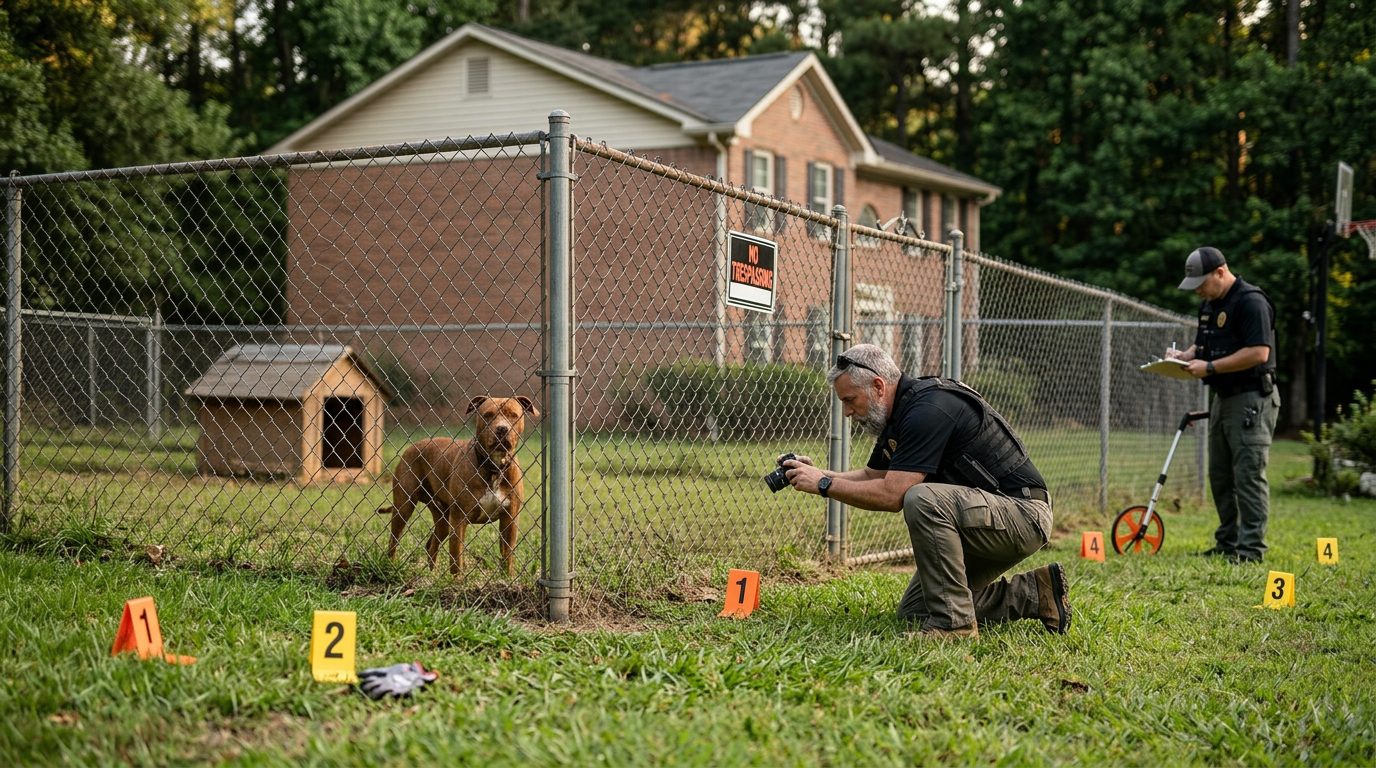
Dog Bite Lawyer
Injured by a Dog Bite in Georgia? We're Here to Help.
Slam Dunk Attorney represents dog bite victims across metro Atlanta and Georgia. Get a free case review today.
By Peter F. Jaraysi · Published September 14, 2026
Georgia Dog Bite Lawyer | Recover Damages for Dog Bite Injuries
Dog bites cause real injury—physical wounds, infection risk, scarring, and emotional trauma that can last long after the bite heals. Georgia law recognizes these injuries and holds dog owners and property owners accountable under specific circumstances. If you’ve been bitten by a dog in Georgia, you may have a valid claim for compensation, and you don’t have to navigate the legal process alone.
Slam Dunk Attorney represents dog bite victims across metro Atlanta and Georgia, including Lawrenceville, Johns Creek, Alpharetta, Marietta, Norcross, Kennesaw, and Dunwoody. We handle the investigation, insurance negotiation, and legal work so you can focus on recovery. This guide explains your rights under Georgia law, the types of damages you may recover, and how to take the next step.
If you've been bitten by a dog in Georgia, you may have a valid claim for compensation, and you don't have to navigate the legal process alone. Talk it through with our team — the first consultation is free, confidential, and carries no obligation.
Dog Bite Injuries Are Serious—and Georgia Law Protects You
Dog bites cause physical injury, scarring, infection risk, and emotional trauma that often requires immediate medical attention and long-term care. Georgia recognizes dog bite claims and holds owners liable under specific circumstances defined in state law. Many dog bite victims are unsure whether they have a valid claim, what compensation might be available, or whether hiring a lawyer makes sense for their situation.
The reality is that dog bite claims can be straightforward or complex, depending on where the bite occurred, whether the dog’s owner knew of the dog’s dangerous propensity, and whether a landlord or property manager failed to protect visitors. Insurance companies handle these claims regularly, but they don’t always offer fair settlements without pressure from legal representation.
This page explains your rights, the legal framework that protects you, and how Slam Dunk Attorney helps dog bite victims recover the compensation they deserve.
How Georgia Dog Bite Law Works
Georgia holds dog owners liable for injuries caused by their dogs under both a “one bite rule” and strict liability statutes. Understanding which law applies to your situation is the first step in evaluating your claim.
Under Georgia’s strict liability rule, a dog owner is liable for damages caused by a dog bite if the dog was in a public place or the victim was in a private place (including the dog owner’s property) with permission. The owner’s knowledge of the dog’s dangerous propensity is not required—liability is automatic if the dog bites and causes injury.
The “one bite rule” applies in limited circumstances: if the dog was not in a public place and the victim was not on the owner’s property with permission, the victim must prove the owner knew or should have known the dog was dangerous. This is why establishing the dog’s history—prior bites, aggressive behavior, or warnings from the owner—is critical in some cases.
Landlord and property owner liability extends beyond the dog’s owner. If you were bitten on someone else’s property—an apartment complex, a rental home, a business premises—the landlord or property manager may be liable under premises liability and negligent security theories if they failed to warn of a known dangerous dog or maintained inadequate containment.
Comparative fault (shared responsibility) may reduce your recovery if you contributed to the bite. For example, if you ignored a warning sign or trespassed on the property, Georgia law may reduce your damages proportionally. However, this doesn’t eliminate your claim—it adjusts the amount you recover.
For detailed explanations of these legal theories, see our pages on Georgia dog bite laws and who is liable for a dog bite in Georgia.
Types of Damages You May Recover
Georgia law allows dog bite victims to recover several categories of damages, each reflecting a different aspect of the injury and its impact on your life.
Medical expenses are the foundation of most claims. These include emergency room care, stitches, surgical repair, infection treatment, and rabies prophylaxis (preventive shots). If the bite required hospitalization or ongoing treatment for complications like cellulitis or other bacterial infections, those costs are recoverable.
Reconstructive surgery and scarring often represent the largest component of a dog bite claim. Facial and hand bites frequently require multiple surgeries to minimize scarring and restore function. Georgia law recognizes “scarring and disfigurement” as a separate category of damages, compensating you not just for the surgery itself but for the lasting cosmetic and functional impact.
Lost wages and loss of earning capacity compensate you for time away from work during recovery and, in severe cases, for reduced earning ability if scarring or other injuries limit your career options.
Pain and suffering covers the physical pain during healing, the emotional distress of the attack, and the psychological impact—anxiety around dogs, fear of infection, or trauma that affects daily life.
For a comprehensive breakdown, see our page on dog bite damages in Georgia.
Dog Bites on Someone Else’s Property
Dog bites that occur on rental properties, apartment complexes, or other managed premises raise additional liability questions. Landlords and property owners have a legal duty to maintain safe premises and to protect visitors from known hazards—including dangerous dogs.
If a tenant’s dog bit you, both the tenant (the dog’s owner) and the landlord may be liable. The landlord’s liability depends on whether they knew or should have known the dog was dangerous and whether they failed to warn you or enforce lease restrictions on dangerous animals.
Negligent security claims apply when a property owner fails to take reasonable steps to contain a known dangerous dog. For example, if a dog was kept in an unfenced yard, an inadequate gate, or an area accessible to visitors, the property owner’s negligence in containment may establish liability.
Learn more on our pages covering dog bites on owner’s property and landlord liability for dog bites.
Dog Bites Involving Children
Children face heightened injury risk and trauma from dog bites. Bites to the face, neck, and extremities are common in children, and the psychological impact—fear of dogs, anxiety, nightmares—can be severe and long-lasting.
Georgia law recognizes that property owners have a special duty to protect child visitors from known dangerous dogs. If a child was bitten on a property where the owner knew or should have known a dangerous dog was present, liability is often clear. The damages in child cases typically include not only medical costs and scarring but also compensation for emotional distress and the long-term impact on the child’s development and quality of life.
Parental supervision is a factor in comparative fault analysis, but it does not eliminate the property owner’s duty to maintain a safe environment for child visitors.
For guidance specific to child injuries, see our page on child dog bite injury lawyers in Georgia.
Not sure what your next step is?
Talk it through with our team — the first consultation is free, confidential, and carries no obligation.
What to Do Immediately After a Dog Bite
Your actions in the first hours and days after a dog bite directly affect both your health and your legal claim.
Seek medical attention immediately, even if the bite seems minor. Dog bites carry high infection risk—bacteria from the dog’s mouth can cause serious infections like cellulitis or sepsis. A healthcare provider will clean and assess the wound, determine whether stitches are needed, and evaluate rabies risk. Medical records created at this time become critical evidence in your claim.
Document the scene and the dog. If possible, take photographs of the bite wound, the location where the bite occurred, and any visible signs of the dog (breed, size, condition, containment). Note the date, time, and circumstances.
Report the bite to animal control and local authorities. This creates an official record and helps establish the dog’s history. Animal control can investigate and determine whether the dog has prior bite incidents or complaints.
Gather witness information. If anyone saw the bite, collect their names and contact information. Witness statements are valuable evidence.
Keep detailed medical records and photographs. Photograph your injuries as they heal. Retain all medical bills, receipts, and documentation of lost wages or other expenses.
For a detailed step-by-step guide, see our page on what to do after a dog bite in Georgia.
Time Limits: Georgia’s Statute of Limitations
Georgia law sets a strict deadline for filing a dog bite claim. Missing this deadline can bar your claim entirely, even if you have a strong case and clear liability.
Georgia’s statute of limitations for personal injury claims, including dog bites, is generally two years from the date of the bite. This means you have two years to file a lawsuit in court (O.C.G.A. § 9-3-33; Cameron v. JMP Pizza, Inc. (2026)). However, this doesn’t mean you should wait—acting promptly protects your rights in several ways.
Evidence degrades over time. Witnesses move or forget details. Medical records may become harder to obtain. Insurance companies are more motivated to settle when they know you’re serious about pursuing the claim, and that seriousness is demonstrated by prompt action and legal representation.
The clock may pause or “toll” in limited circumstances—for example, if the defendant leaves Georgia or if you were a minor at the time of the bite—but these exceptions are narrow and require specific legal analysis.
For detailed information, see our page on dog bite statute of limitations in Georgia.
Insurance and Settlement
Most dog bite claims are resolved through homeowners or renters insurance. The dog owner’s homeowners policy typically covers dog bite liability up to the policy limits (often $100,000 to $300,000, though limits vary).
Insurance adjusters evaluate dog bite claims based on liability (is the owner clearly liable?), damages (what are the medical costs and injury severity?), and policy limits. However, insurance companies are businesses—they minimize payouts when possible. Adjusters may argue comparative fault, dispute the severity of injuries, or offer settlements well below what your claim is worth (O.C.G.A. § 51-12-33; Quynn v. Hulsey, 310 Ga. 473 (2020)).
Why representation matters: An insurance company takes a settlement demand more seriously when it comes from a lawyer. A lawyer’s involvement signals that you’re prepared to pursue litigation if necessary, which motivates the insurer to offer a fair settlement. Additionally, a lawyer can identify damages you might overlook—future medical costs, loss of earning capacity, or pain and suffering—that increase the claim’s value.
Negotiating a settlement typically takes weeks to months. If the insurer refuses a fair offer, litigation may be necessary, though most cases settle before trial.
Learn more on our page covering homeowners insurance and dog bite liability in Georgia.
Do You Need a Lawyer for a Dog Bite Claim?
Whether you need a lawyer depends on the complexity of your case and your comfort navigating insurance negotiations and legal deadlines.
Simple cases—where liability is clear, injuries are minor, and the dog owner’s insurance is cooperative—may not require a lawyer. You can file a claim directly with the insurer, document your damages, and negotiate a settlement.
Complex cases benefit from legal representation. These include:
- Bites on rental or commercial property, where landlord liability is unclear
- Severe injuries requiring reconstructive surgery or ongoing medical care
- Cases involving comparative fault or disputes over liability
- Claims where the insurance company undervalues your damages
- Cases involving child injuries or significant emotional distress
A lawyer handles investigation (gathering evidence of the dog’s history, prior incidents, property conditions), insurance negotiation, and litigation if necessary. This frees you to focus on recovery.
Cost: Most dog bite lawyers in Georgia work on contingency, meaning you pay no upfront fee. The lawyer’s fee comes from your settlement or judgment—typically 33% to 40% of the recovery. You may still owe case costs (expert fees, court filing fees, investigation costs), but many lawyers advance these costs and recover them from the settlement.
For more information, see our pages on whether you need a lawyer for a dog bite and dog bite lawyer costs in Georgia.
Have questions about what happened?
Ask our team directly. The first conversation is free, confidential, and there is no obligation to continue.
Slam Dunk Attorney Serves Dog Bite Victims Across Georgia
We represent dog bite victims in Atlanta, Lawrenceville, Johns Creek, Alpharetta, Marietta, Norcross, Kennesaw, Dunwoody, and throughout metro Atlanta and Georgia. Our attorneys handle dog bite claims involving owner liability, landlord negligence, negligent security, and child injuries.
We investigate each case thoroughly—gathering evidence of the dog’s history, reviewing property conditions, analyzing insurance coverage, and building a strong negotiating position. We communicate directly with insurance adjusters and handle all legal deadlines so you don’t have to.
Our goal is straightforward: recover fair compensation for your injuries and help you move forward. We don’t make promises about outcomes, but we do bring experience, attention to detail, and a commitment to your recovery.
Explore our dedicated pages for your area:
- Dog Bite Attorney Atlanta
- Dog Bite Lawyer Lawrenceville
- Dog Bite Lawyer Johns Creek
- Dog Bite Lawyer Alpharetta
- Dog Bite Lawyer Marietta
- Dog Bite Lawyer Norcross
- Dog Bite Lawyer Kennesaw
- Dog Bite Lawyer Dunwoody
Frequently Asked Questions
What is Georgia’s “one bite rule”?
Georgia’s one bite rule allows recovery if the dog’s owner knew or should have known the dog was dangerous, even if the dog had never bitten anyone before. However, strict liability (automatic liability for any bite) applies in most situations, so the one bite rule is less common.
How long do I have to file a dog bite claim in Georgia?
Georgia’s statute of limitations is generally two years from the date of the bite. After two years, you generally cannot file a lawsuit, so acting promptly is critical; an attorney can evaluate whether an exception applies.
Can I recover damages if I was partially at fault for the dog bite?
Yes. Georgia allows recovery even if you were partially at fault, though your damages may be reduced proportionally based on your degree of fault (O.C.G.A. § 51-12-33; Quynn v. Hulsey, 310 Ga. 473 (2020)).
Do I need to prove the dog owner knew the dog was dangerous?
Not in most cases. Georgia’s strict liability rule holds owners liable automatically if the dog bites and causes injury, regardless of the owner’s knowledge of the dog’s dangerous propensity.
What if the bite occurred on a rental property?
Both the tenant (dog owner) and the landlord may be liable if the landlord knew or should have known the dog was dangerous and failed to warn or contain it.
Does homeowners insurance cover dog bite liability?
Yes, most homeowners and renters insurance policies cover dog bite liability up to the policy limits, though some policies exclude certain breeds or have bite-related exclusions.
Get Your Free Consultation
If you’ve been bitten by a dog and you’re weighing whether the injury warrants legal action or wondering what compensation might be available, a consultation with our team can clarify your options. We’ll review the circumstances, explain your rights under Georgia law, and discuss whether representation makes sense for your situation—at no cost and with no obligation.
People who’ve been bitten by a dog and aren’t sure what comes next can reach out to us. We’re here to answer your questions and guide you through the process.
Why Choose Slam Dunk Attorney for Your Dog Bite Claim
Clear Legal Guidance
We explain Georgia's dog bite laws in plain language so you understand your options and what to expect.
Empathetic Representation
We listen to your story and treat your injury with the seriousness it deserves.
Thorough Case Investigation
We gather evidence, medical records, and witness accounts to build a strong claim on your behalf.
Direct Access
You can reach us by phone or request a consultation online—no runaround, no delays.
Important: Fees and Costs
We work on a contingency basis—no fees unless there is a recovery. However, you may still be responsible for case costs such as medical records, expert fees, and court filing fees, which are separate from attorney fees.
What Happens After a Dog Bite
Seek Medical Care
Get immediate treatment for your injury. Document all medical visits, treatments, and expenses—this record is crucial for your claim.
Report the Incident
Report the bite to local animal control or law enforcement. This creates an official record and helps establish the facts of what happened.
Gather Information
Collect the dog owner's contact details, homeowner's insurance information, and contact information from any witnesses to the incident.
Contact Us for a Free Review
Bring your medical records and incident details. We'll evaluate your claim and explain your next steps with no obligation.
Common Questions About Dog Bite Claims in Georgia
What is Georgia's 'one bite rule'?
Georgia law allows recovery if the dog's owner knew or should have known the dog was dangerous, even if the dog had never bitten anyone before. However, strict liability applies in many situations, making the one bite rule less common in practice.
How long do I have to file a dog bite claim?
Time limits apply to dog bite claims in Georgia. The sooner you contact us, the sooner we can protect your rights and preserve evidence.
What damages can I recover?
Dog bite claims may cover medical expenses, lost wages, pain and suffering, and scarring or disfigurement. We'll evaluate what applies to your situation.
What if the dog owner doesn't have insurance?
We explore all available options, including homeowner's or renter's insurance, personal assets, and other avenues to pursue fair compensation.