
Dog Bites | Duluth, Georgia
Hurt by a Dog a Walker Was Handling? Understand Your Options in Georgia
Our team focuses on helping people injured by dogs in metro Atlanta and across Georgia sort out who may be involved and what to do next.
By Peter F. Jaraysi · Published November 16, 2026
A dog bite is frightening enough, and it’s harder when someone else had the leash. You may be wondering who should answer for your injuries. Whether a dog walker can be sued depends on the facts of each case, including the walker’s role and conduct.
This guide explains how Georgia’s dog bite law applies to a walker, what evidence helps, how quarantine rules fit in, and which deadlines and fault rules to know.
Short Answer: Can You Sue a Dog Walker in Georgia?
A dog walker may be sued in Georgia when the walker had control of the dog and did not use reasonable care. Two routes matter most. The first is the state’s dog bite statute, which reaches a person who owns or keeps a dangerous animal.
The dog’s owner is often named too. The owner’s homeowner or renter’s policy may also be involved. For the bigger picture, read our Georgia dog bite claims guide.
If a dog walker, an owner, or both were involved in your bite, our team can talk through your situation with you in a free case review. Talk it through with our team — the first consultation is free, confidential, and carries no obligation.
How Georgia’s Dog Bite Statute Works
Georgia’s main dog bite law covers a person who owns or keeps a vicious or dangerous animal. Under O.C.G.A. § 51-2-7, that person may be liable if careless management or letting the animal go at liberty causes injury to someone who did not provoke it.
The statute also gives a shortcut. If a local ordinance required the dog to be at heel or on a leash, and the dog was not at heel or on a leash when the bite happened, that can be enough to prove vicious propensity.
Because the statute speaks to a person who owns or keeps the dog, a walker’s role matters. Negligence rules also apply. Georgia’s ordinary diligence definition is not defined in O.C.G.A. § 51-2-7, which covers a person who owns or keeps a vicious or dangerous animal and, by careless management or by allowing the animal to go at liberty, causes injury to another person who does not provoke the injury by his own act.
When a Dog Walker May Be Responsible
A walker may be responsible when the walker had custody and control of the dog at the moment of the bite. Control is the starting point, not the whole story. Several facts tend to matter:
- Who held the leash or harness. A walker holding the dog stands in a very different position from a helper who never touched the animal.
- The walker’s conduct. Ignoring warning signs like growling or lunging, using broken equipment, walking too many dogs at once, or leaving a dog unattended can all be relevant.
- What the walker knew. Did the walker know the dog had bitten or lunged before? Was that shared?
Employment matters too. Under O.C.G.A. § 51-2-2, a person is liable for torts committed by a servant within the scope of their business. But an employer generally is not responsible for a worker who runs an independent business and is not under its immediate direction and control, under O.C.G.A. § 51-2-4. A company’s own hiring or training failures are a separate question. The Georgia Supreme Court treated such claims as the employer’s own fault in Quynn v. Hulsey.
Evidence That Helps Show Who Had Control of the Dog
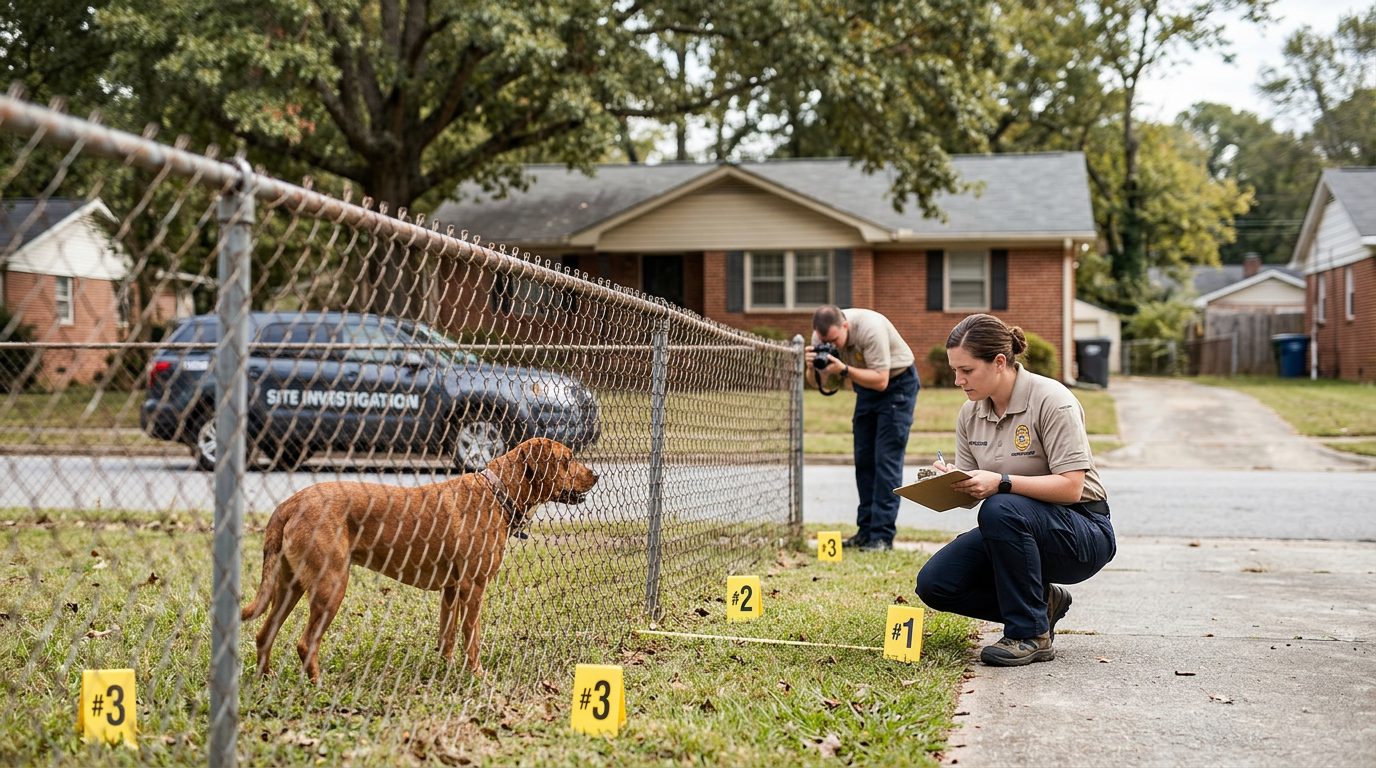
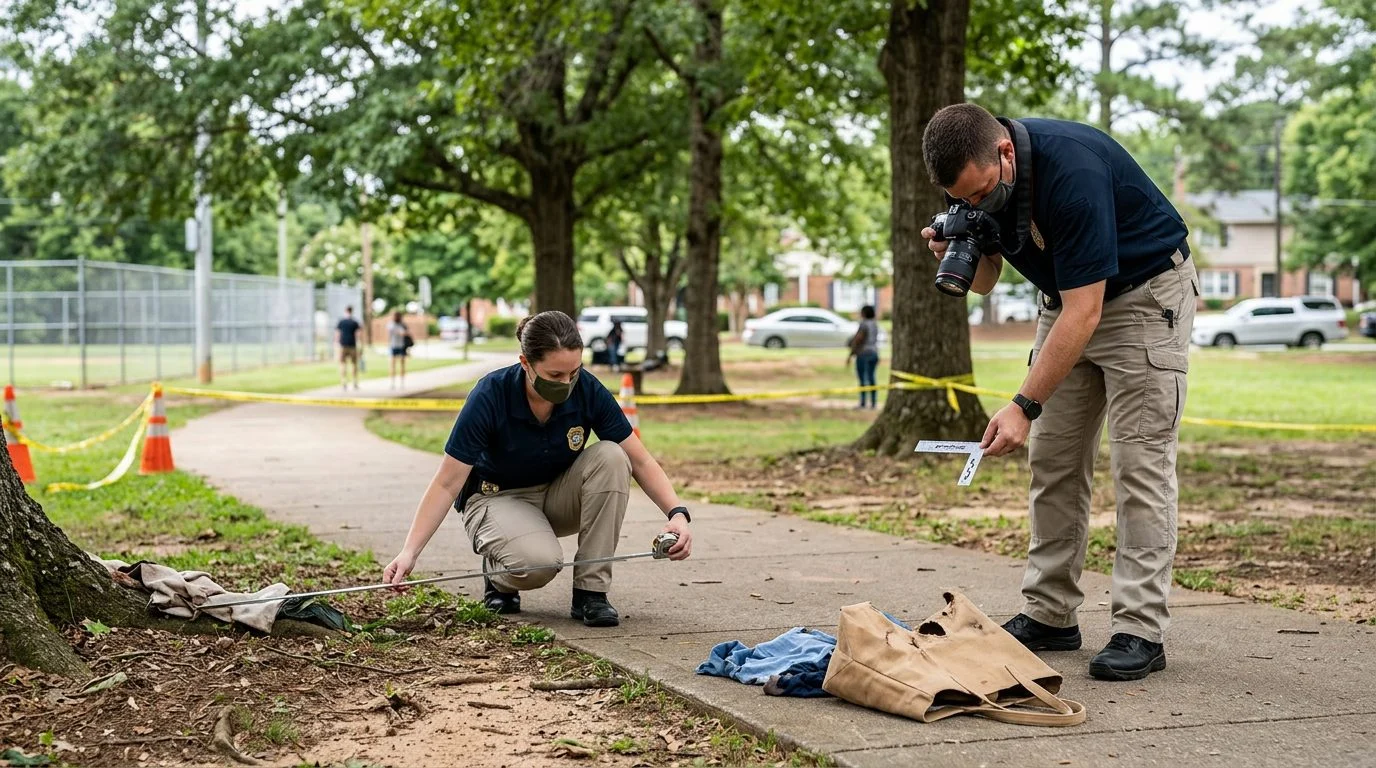
The most useful evidence shows who had the dog and what happened around the bite. Gather these items as soon as you safely can:
- Photos of the scene, the leash and harness, and any injuries.
- Witness names and contact details, including other walkers or neighbors.
- Booking records, texts, invoices, or app messages that show the walker’s role and the dog’s care instructions.
- Vaccination and licensing records, plus any earlier reports about the dog.
- Medical records that document treatment and connect it to the bite.
Write a simple timeline of what happened and when, while the details are fresh. Evidence shows control and conduct. It rarely settles fault on its own.
Georgia Dog Bite Reporting and Quarantine Rules
Bites are reported to local animal services or health officials. A biting dog may be confined or watched for signs of rabies. Local rules set the details.
The Georgia Department of Public Health’s rabies guidance covers immediate precautions after a possible rabid dog bite. It also covers possible quarantine and observation of the domestic animal. Rabies is a viral disease that can pass to people through bites.
County rules vary. Walton County’s animal control guidance describes quarantine, euthanasia, and testing procedures for biting animals.
A report creates an official record of the bite. It does not, by itself, decide who is at fault.
Time Limits and Fault Rules to Know
Georgia generally gives two years to file an injury lawsuit. Under O.C.G.A. § 9-3-33, actions for injuries to the person must be brought within two years after the right of action accrues. Loss of consortium claims have four years.
Fault can reduce what you recover. Under O.C.G.A. § 51-12-33, the judge reduces damages in proportion to the injured person’s fault. A person who is 50 percent or more responsible recovers nothing. Each liable person answers for their own share, not jointly. Fault of people who were not named as parties can still be considered if the plaintiff settled with them or if a defending party gives notice not later than 120 days prior to the date of trial that they were wholly or partially at fault.
Shared fault often comes up when the injured person provoked the dog or ignored a warning. Under this section, the rule applies when the plaintiff is to some degree responsible for the injury or damages claimed; the rule on injuries the injured person did not provoke by their own act is in O.C.G.A. § 51-2-7. How these rules apply depends on the details of your case.
Not sure what your next step is?
Talk it through with our team — the first consultation is free, confidential, and carries no obligation.
Immediate Steps After a Dog Bite
Start with medical care, then report the bite and protect your records. These steps protect your options.
- Get medical care promptly, even if the bite looks minor. Tell the provider exactly how it happened.
- Report the bite to local animal services or health officials. Give the owner’s and walker’s names if you know them.
- Notify your own insurer as your policy requires. Write down the names of any insurers on the other side.
- Save evidence. Keep clothing, photos, messages, and receipts. Be careful about posting details online.
- Track costs. Keep records of missed work, prescriptions, and follow-up visits.
If Medicare covers your care, CMS explains that liability insurance pays first for accident-related care. Medicare may make conditional payments that must be repaid from a settlement, judgment, or other payment.
Talk With Our Team About Your Dog Bite Situation
You may be reading this after a bite that happened while someone else had the leash. You may also be holding a quarantine notice and wondering who should answer for your injuries. Those are hard questions to face alone.
Can I sue a dog walker in Georgia?
A walker may be a defendant when the walker had control of the dog and did not use reasonable care.
Does Georgia require a dog bite quarantine?
Quarantine details come from local guidance and can differ by county.
How long do I have to file?
Georgia generally allows two years after the injury to file an injury lawsuit (O.C.G.A. § 9-3-33; Kenneth B. Cameron v. Jmp Pizza, Inc (2026)).
The first consultation is free, confidential, and carries no obligation to continue. Peter F. Jaraysi is the responsible lawyer for this page at Slam Dunk Attorney in Duluth, Georgia. If a walker, an owner, or both may be involved in your bite, contact our team for a free case review.
How We Can Help You
Plain-language answers
We explain how a dog bite claim works in simple terms so you can make informed decisions at your own pace.
Confidential first conversation
The initial consultation is free, confidential, and carries no obligation to continue.
Help organizing your records
We can help you collect the medical, incident, and contact information that matters for your situation.
Serving Georgia communities
We represent people hurt in incidents across metro Atlanta, including Duluth, Lawrenceville, Johns Creek, Alpharetta, Marietta, Norcross, Kennesaw, and Dunwoody.
Protect Your Information Early
Write down the walker's name, the owner's name, and any contact or insurance details you can get. Take photos of your injuries and the scene. Keep your medical paperwork together, and speak with a lawyer before you give a recorded statement or sign anything from an insurance company.
Steps to Take After a Dog Bite
Get medical care
Even a bite that seems minor can lead to infection or deeper injury. A medical record also documents what happened.
Identify everyone involved
Note who was walking the dog, who owns it, and whether anyone else was present or witnessed the bite.
Report the incident
Make sure the bite is reported to the appropriate local authority, such as animal control or the police.
Talk with a lawyer
A lawyer can review your situation, explain the questions that may affect your options, and answer your questions at no cost in the first consultation.