
Dog Bites | Duluth, Georgia
Bitten at a Dog Park? Find Out Who May Be Responsible
Dog parks can feel safe, but a sudden attack can change everything in seconds. Here is how Georgia dog bite cases can be approached, and how our team can help you sort out your next steps.
By Peter F. Jaraysi · Published November 11, 2026
A dog bite at a dog park can leave someone hurt and a family unsure what comes next. Many people first search for Georgia dog bite quarantine rules, then ask who is responsible.
In short, a dog’s owner or keeper may be liable in Georgia when a vicious or dangerous dog injures someone who did not provoke it. At a dog park, the person handling the dog and the park’s operator can also matter. The quarantine is a separate process that runs alongside any claim.
Why a Dog Park Bite Raises Different Questions
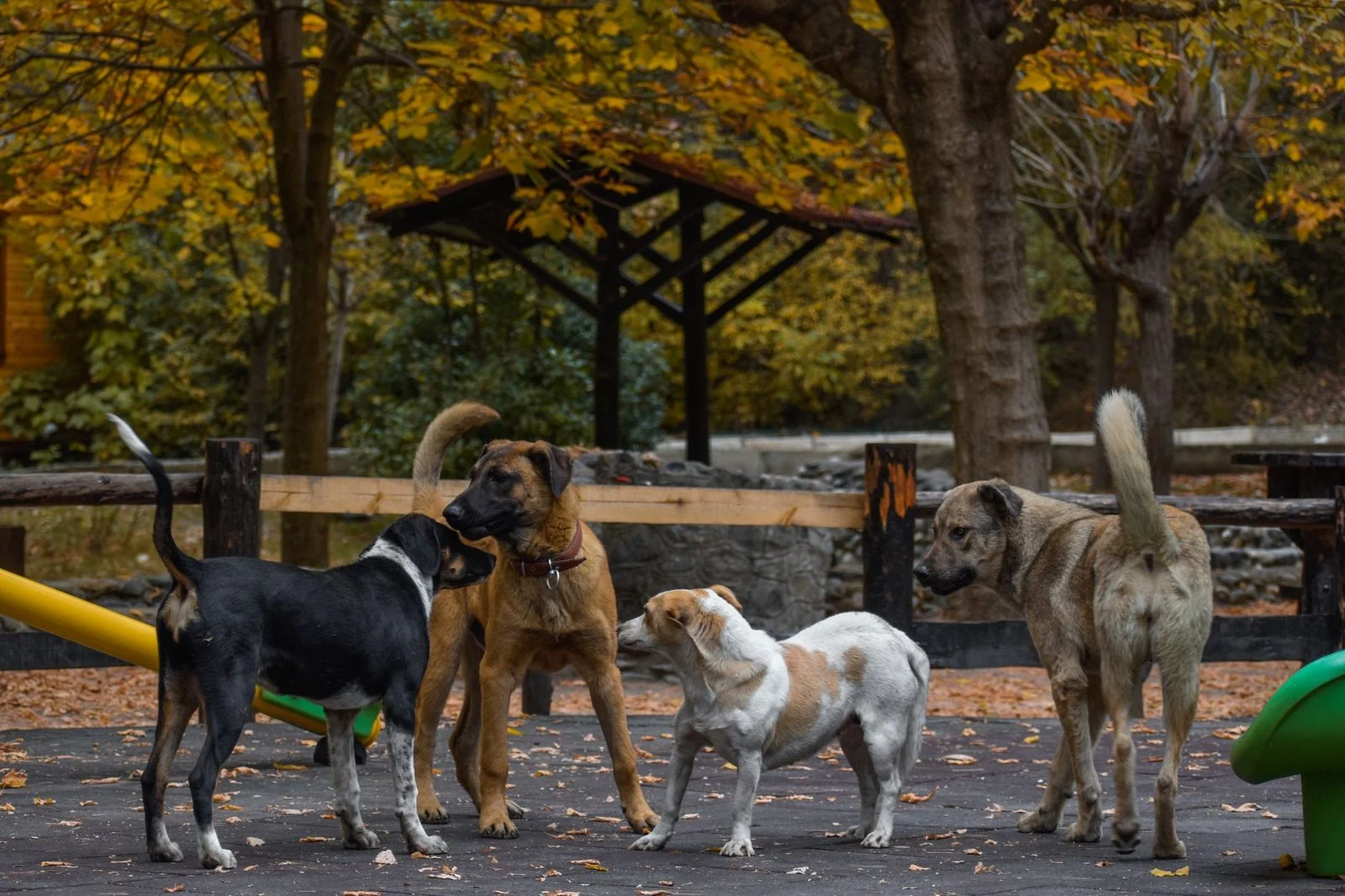
A dog park bite is harder to sort out than a bite on a sidewalk. Many dogs, owners and off-leash play share one fenced space.
That mix can spread responsibility across more than one person. The dog’s registered owner may not be the person holding the leash or calling the dog back. A park may be run by a city, a county or a private group. Each setting raises different questions.
The answer depends on the facts. Who controlled the dog, what the owner knew about the dog, where the bite happened and who runs the area all matter.
Readers in this spot take many forms. You may have been bitten. You may be a parent whose child came home hurt, or a relative helping someone through recovery. Each role leads to the same core questions.
If a dog park bite has left you or your child hurt and unsure who is responsible, our team can talk through what happened and what it may mean for you. Talk it through with our team — the first consultation is free, confidential, and carries no obligation.
Can I Sue a Dog Owner in Georgia?
Yes. Georgia law allows an injured person to sue the owner or keeper of a vicious or dangerous animal. Under O.C.G.A. § 51-2-7, an owner or keeper may be liable when careless management, or letting the animal go at liberty, causes injury to a person who did not provoke it.
The word “keeps” matters. The statute reaches a person who keeps the dog, not only the person whose name is on the registration. A friend or dog walker who controls the animal may fall within that wording.
Local leash rules can also help. If an ordinance required the dog to be on a leash, and the dog was not on one when the bite happened, the statute says that can be enough to prove a vicious propensity.
Each dog bite situation depends on its own facts. Claims turn on how the dog was managed and what happened before the bite.
What the Owner-Liability Statute Asks
First, the animal must be vicious or dangerous. Second, the owner or keeper must have caused the injury through careless management or by letting the animal go at liberty. Third, the injured person must not have provoked the bite.
Facts that point to a dangerous nature are the kind lawyers gather. Earlier aggression, prior complaints, or a history of growling or lunging can be relevant. Whether those facts are enough turns on the details.
At a dog park, supervision is a fact to examine. Was the dog off leash in an area where a leash rule applied? Was the owner watching? Written park rules and witness accounts can help answer these questions.
Who Else Can Be Liable at a Dog Park
Beyond the dog’s owner, the person keeping the dog and the park’s operator may share responsibility.
The keeper point comes from the statute’s own words. A person who keeps the dog at the time of a bite may be liable, whether or not that person owns the dog.
Park operators fall under a different rule. Under O.C.G.A. § 51-3-1, an owner or occupier of land who, by express or implied invitation, induces others to come upon the premises for a lawful purpose is liable in damages for injuries caused by failure to exercise ordinary care in keeping the premises and approaches safe.
The ordinary diligence definition in Georgia’s code sets that standard.
Examples a lawyer might look at include a broken fence, an unsecured gate, or a hazard that made a bite more likely. Posted rules at the entrance can also be reviewed.
When a Government-Run Park Has Extra Notice Steps
Before suing a city, Georgia law requires written notice first. Under O.C.G.A. § 36-33-5, a claim against a municipal corporation must be presented in writing to its governing authority within six months of the event.
The notice must state the time, place and extent of the injury, and the negligence that caused it. It must also include the specific amount of monetary damages being sought. That amount is an offer of compromise, and it is not binding if the claim is litigated.
Missing a notice step can affect a claim, so timing questions should be reviewed early.
How Fault Is Weighed and Common Defenses
Georgia reduces damages by the injured person’s share of fault. It bars recovery entirely at 50 percent or more (O.C.G.A. § 51-12-33; Quynn v. Hulsey (2020)).
Under O.C.G.A. § 51-12-33, the judge reduces damages in proportion to the injured person’s percentage of fault. A person who is 50 percent or more responsible recovers no damages.
Fault is also split among everyone who contributed. Damages are apportioned by each person’s share of fault. Under O.C.G.A. § 51-12-33, damages are apportioned among the persons found liable according to each person’s percentage of fault, and that liability is not joint. In assessing fault, the trier of fact considers the fault of all persons who contributed to the injury, whether or not they were named as parties to the suit.
Common defenses include claims that the injured person provoked the dog, entered a restricted area, or ignored posted rules. Another defense is avoidable consequences. Under O.C.G.A. § 51-11-7, a plaintiff who could have avoided the harm with ordinary care is not entitled to recover.
The same bite can be described very differently by the owner, the injured person and witnesses. That is why the facts matter so much.
Not sure what your next step is?
Talk it through with our team — the first consultation is free, confidential, and carries no obligation.
Georgia Dog Bite Quarantine: What Happens to the Dog
A Georgia dog bite quarantine is a separate process from a lawsuit.
The quarantine watches for rabies. The Georgia Department of Public Health addresses rabies precautions after a potentially rabid dog bite, including possible quarantine and observation of the domestic animal.
For the injured person, the quarantine is a practical timeline. The dog’s status can shape decisions about medical follow-up. Seek medical care promptly after any bite, even one that looks minor.
Reporting matters too. Cobb County’s guidance describes how to report an animal bite, so keep that step in mind even for a small bite.
Evidence and Steps That Protect a Claim
Early steps protect a claim, because scenes change and memories fade. Consider these steps:
- Keep every medical record, including urgent care visits, prescriptions and follow-up appointments.
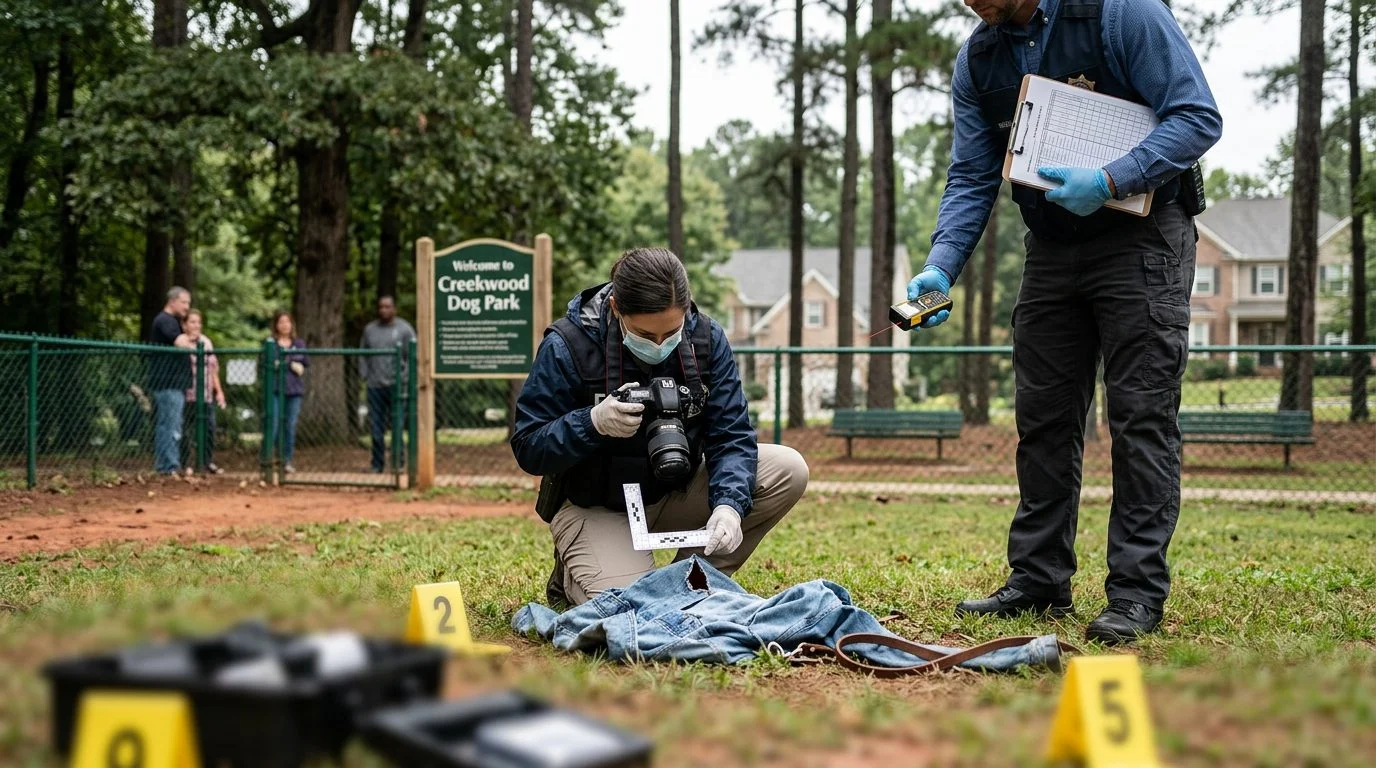
- Photograph your injuries, the scene, the fence or gate, posted signs, and the dog and owner if present.
- Get names and phone numbers for witnesses, the owner, and anyone else who controlled the dog.
- Save the report number from animal control or police, and keep torn clothing or damaged items.
- Write down what you remember while it is fresh, including the time and weather.
Talk with your own insurance company about the incident. Be careful about recorded statements and signing releases before the facts are reviewed. Simple, factual notes are safer than guesses.
Time Limits to Keep in Mind
Georgia generally gives two years to file a lawsuit for injuries to a person. Under O.C.G.A. § 9-3-33, except as otherwise provided in this article, actions for injuries to the person must be brought within two years after the right of action accrues, and actions for injuries to the person involving loss of consortium must be brought within four years after the right of action accrues.
A minor under 18 when the claim arises gets the same filing time others get, counted from age 18. O.C.G.A. § 9-3-90 sets that rule.
Park cases can also have a shorter notice step. The six-month notice to a city can run first, so check it early.
Write down the date of the bite now. Deadlines generally run from when the right of action accrues. Except as otherwise provided in Code Section 9-3-33.1, individuals who are less than 18 years of age when a cause of action accrues are entitled to the same time after they reach 18 to bring an action, and individuals who are legally incompetent because of intellectual disability or mental illness when the cause of action accrues are entitled to the same time after the disability is removed. Missing a deadline can end a claim that would otherwise be valid.
Talking With a Personal Injury Lawyer About Your Situation
If you are still sorting out a dog park bite, you do not have to work through the law alone. You may be balancing a child’s care, time off work, and questions about who is responsible.
Can I sue a homeowner for a dog bite in Georgia?
Yes. A person who owns or keeps a vicious or dangerous dog may be liable under O.C.G.A. § 51-2-7 when, by careless management or by allowing the animal to go at liberty, the dog injures someone who did not provoke the injury.
Do I have to report a minor dog bite?
Cobb County’s animal services guidance describes how to report an animal bite. Reporting even a small bite is a sensible step.
How long do I have to file a dog bite claim in Georgia?
Georgia generally allows two years for injuries to the person under O.C.G.A. § 9-3-33, with one year for injuries to reputation and four years for actions involving loss of consortium.
If a dog park bite has left you or your child hurt, our team can talk through the facts with you. Peter F. Jaraysi is the responsible lawyer for this page. Slam Dunk Attorney is based in Duluth, Georgia. You can reach the firm through its contact page for a free, confidential initial consultation, with no obligation to continue.
This page is general information, not legal advice. Outcomes cannot be predicted, and every situation turns on its own facts. For more background, see our Georgia dog bite guide.
How Our Firm Can Help
Plain-Language Answers
We explain how dog bite claims work in Georgia, without legal jargon, so you know what to expect.
Careful Review of Your Situation
Our lawyers look at the facts of your incident, including the dog's history, the setting and the people involved.
Attention to Your Recovery
We understand that physical and emotional healing come first, and we keep that in mind throughout the process.
Advocacy for Injured People
Our team works to protect your rights and pursue fair compensation for medical bills, losses and pain.
Important: Get Medical Care Right Away
Even a bite that looks minor can lead to infection or other complications. See a doctor promptly, follow treatment advice, and keep copies of medical records, photos of your injuries and the names of anyone who saw what happened.
Common Dog Park Situations We Hear About
Bitten by Another Visitor's Dog
A dog owned by someone else attacks you or your child while you are inside the park or along its fence line.
Injured While Your Dog Was Playing
Your dog was involved in an incident with another dog, and you or a bystander were hurt. These cases can raise different questions.
Unsafe Park Conditions
Broken gates, poor fencing, missing signs or unsupervised areas may play a role in how an incident happened.
A Dog With a Known History
Sometimes an animal has shown aggression before. Past warning signs and what the owner knew can matter in reviewing a claim.