
Dog Bites | Duluth, Georgia
Is a Level 4 Dog Bite Serious?
A Level 4 bite involves deep punctures and tissue damage that can be more serious than they look. Here is what the injury means, why prompt medical care matters, and how our Georgia injury attorneys can help you understand your next steps.
By Peter F. Jaraysi · Published November 1, 2026
Is a Level 4 Dog Bite Serious?
Is a level 4 dog bite serious? Generally, yes. On the Dunbar bite scale, a level 4 bite means the dog bit once and drove its teeth deep into the skin. The result is deep punctures and tissue damage, not a minor surface break.
How serious any one bite is depends on the facts. A doctor is the right person to examine a wound and decide what it needs.
If you’re reading this for a family member, you may be dealing with a child’s wound, a hospital visit, or a bite you didn’t expect. This page explains what the scale measures, what a level 4 bite looks like, the medical and emotional effects, and the steps that help. It also covers Georgia law in plain terms.
If a dog bite left you or someone you love with deep wounds and unanswered questions, our team can talk through what comes next with you. Talk it through with our team — the first consultation is free, confidential, and carries no obligation.
The Dunbar Bite Scale Explained
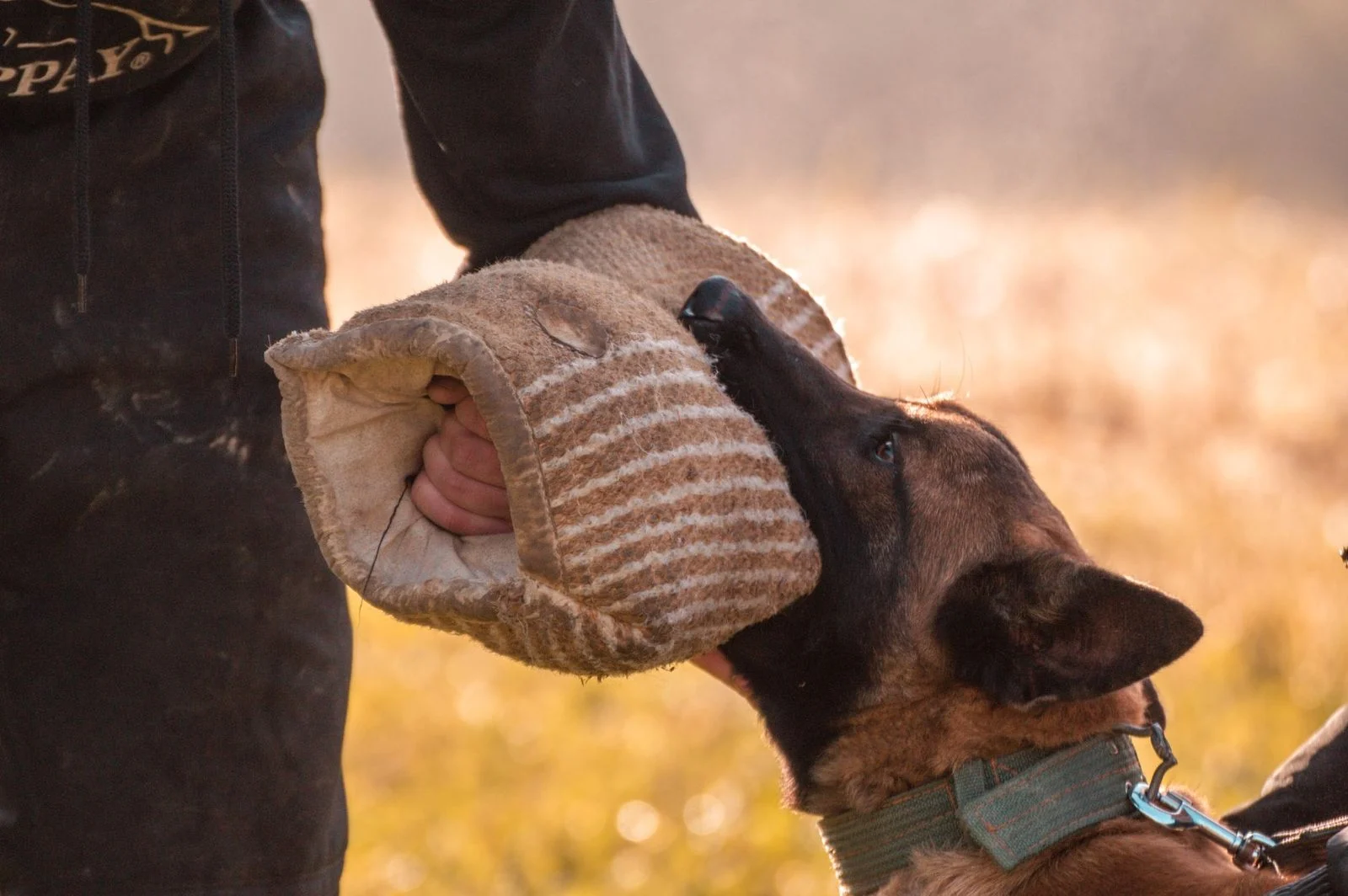
The Dunbar bite scale is a six-level system. It ranks dog bites by how the teeth touch the skin and how deep the wounds go. Dr. Ian Dunbar developed it, and it is the scale most often cited when people look up dog bite severity levels.
The lower levels describe milder contact. Level 1 is a threatening display or snap without contact with skin. Levels 2 and 3 involve teeth touching skin, with shallow or limited punctures. Each step up adds more depth and more damage.
A common scale helps people describe an injury the same way. Doctors, animal control officers, and family members can use the same words. That makes records easier to read later.
The scale describes the wound pattern. It is one tool among several. It doesn’t replace a medical exam, and a level alone doesn’t tell a doctor how a particular wound will heal.
What a Level 4 Dog Bite Looks Like
A level 4 bite involves one to four deep punctures from a single bite. The dog bites once, holds on, and often shakes or pulls. That movement can tear the tissue around the punctures. The wound may look larger than the teeth alone suggest.
Depth matters because deep punctures reach tissue below the skin. Bacteria from the mouth can get trapped in that space. Shallow scrapes rarely cause the same kind of harm.
Location changes the picture. A bite on the hand is harder to treat because the hand holds many small structures close together, including tendons and nerves. A bite on the face can leave visible scars. A bite on a child often lands on the face, neck, or arms, because a child stands closer to a dog’s mouth. A deep bite on a smaller body can reach more tissue, so doctors often look at a child’s wound with extra care.
Medical Risks of a Level 4 Dog Bite
Infection is the biggest medical concern with a deep dog bite. Watch for spreading redness, swelling, warmth, drainage, fever, or pain that gets worse. Any of these signs means the wound needs medical attention right away.
Deep wounds may need cleaning, stitches, or other care. The doctor decides whether closing the wound is safe. Doctors also check tetanus status and consider rabies exposure. The AVMA model rabies control document addresses the recommended confinement procedure for a dog that has bitten a person. Tell the doctor about the dog’s vaccination history and whether the dog can be watched.
Damage to tendons, nerves, or bone can happen with deep bites. It may not be obvious on day one, which is why follow-up visits matter. Scarring and the need for later treatment are common. Keep every visit summary, and note how the wound changes over time.
Emotional and Daily-Life Effects After a Level 4 Bite
A serious bite often affects how a person feels long after the wound closes. Fear, anxiety, nightmares, and trouble sleeping are a normal response to a frightening event. Many people find it hard to walk past a dog or visit a home with a pet.
Children may show these reactions in different ways. A child might cry at the sight of dogs, avoid certain places, or act younger than usual for a while. Parents often notice this first, so their observations matter.
Visible scars can affect confidence, especially after a bite to the face or hands. Some people need time away from work, school, or activities during recovery. Those missed days are part of the daily cost of the injury.
Tell your doctor about emotional symptoms as well as physical ones. Notes about sleep, fear, or changes in daily routine help show the full effect of the bite.
How a Level 4 Bite Compares With Level 5 and Higher
A level 4 bite is generally less severe than a level 5 bite. A level 5 involves multiple bites from one attack, with one or more deep punctures. More wounds mean more to treat and a greater chance of infection and scarring.
Level 6 is the highest level on the scale and describes a fatal attack. The scale includes it to cover the full range of harm.
A level describes the wound pattern from one attack. On its own, it doesn’t decide the full medical outcome or how a claim would be valued. Doctors look at the whole picture, including follow-up notes and how the wound heals. The facts of the attack matter too, such as where it happened and whether the dog was under control.
Not sure what your next step is?
Talk it through with our team — the first consultation is free, confidential, and carries no obligation.
Steps That Help After a Level 4 Dog Bite
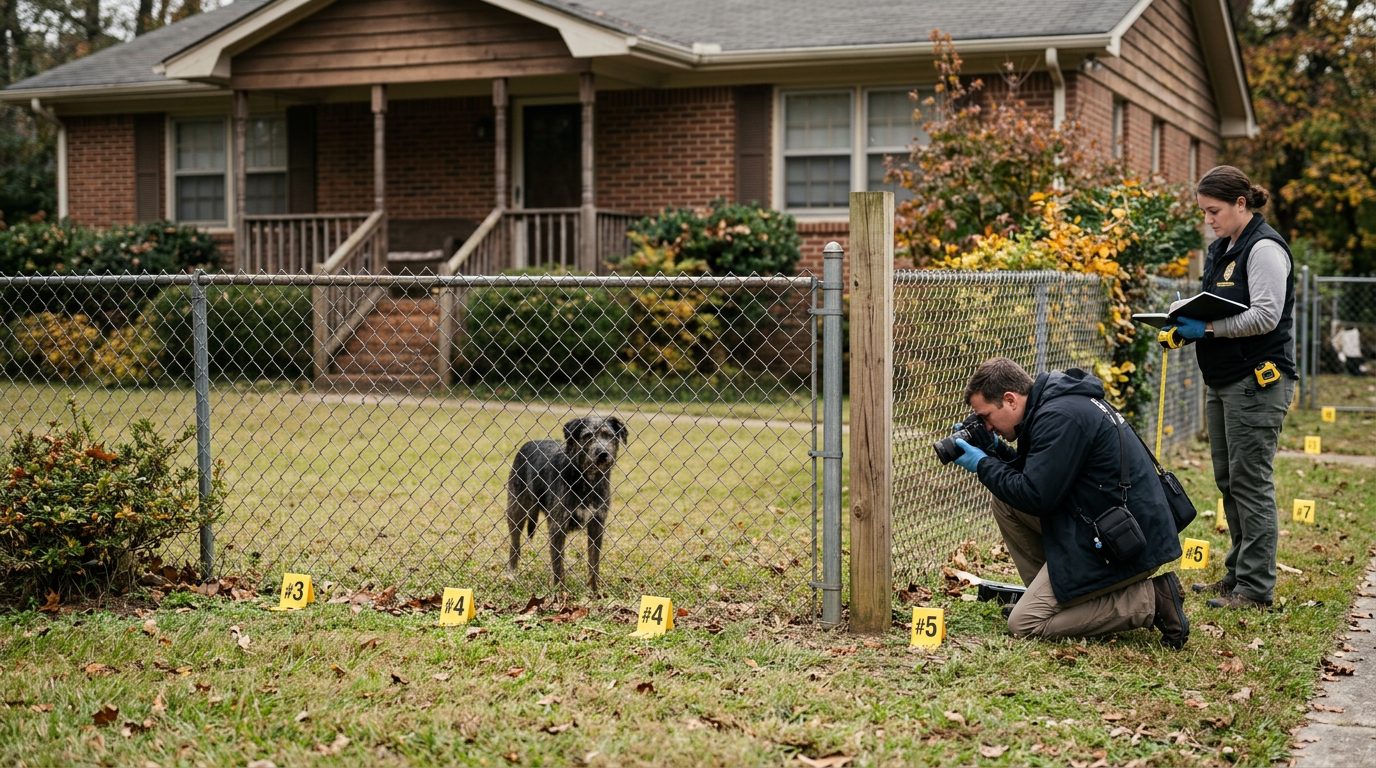
The most helpful steps are getting prompt medical care, writing down the facts, and reporting the bite. Records of early care are central to understanding the injury, so keep every recheck visit.
Write down the dog owner’s name and contact information, where and when the bite happened, and any witnesses. Photograph the wound as it heals. Keep a log of bills, prescriptions, mileage to appointments, and time missed from work.
Report the bite to local animal control. In Cobb County, nuisance animal procedures cover reporting an animal bite. DeKalb County publishes ordinances and enforcement procedures for dangerous or vicious animals, including on its animal ordinances page.
Georgia law addresses when a dog owner may be responsible. Under O.C.G.A. § 51-2-7, an owner who keeps a vicious or dangerous animal may be liable if careless management or letting the animal roam causes injury to a person who did not provoke it. Under O.C.G.A. § 9-3-33, actions for injuries to the person must generally be brought within two years after the right of action accrues. Under O.C.G.A. § 51-12-1.1, in any civil action to recover damages resulting from injury or death to a person, medical and healthcare expenses are limited to the reasonable value of medically necessary care, treatment, or services. For the wider picture, read our Georgia dog bite guide.
Is a level 4 dog bite serious?
Yes, it is generally treated as a serious wound because it involves deep punctures and tissue damage. Any deep bite should be examined by a doctor.
How long do I have to bring a dog bite claim in Georgia?
For most injuries to the person, Georgia generally allows two years from when the right of action accrues, under O.C.G.A. § 9-3-33.
Are dog bite medical bills recoverable in Georgia?
In any civil action to recover damages resulting from injury or death to a person, special damages for medical and healthcare expenses are limited to the reasonable value of medically necessary care, treatment, or services, and the trier of fact determines that amount.
Talk With Our Team About a Level 4 Dog Bite
If you’re reading this after a bite, you may be trying to understand a child’s wound or your own while managing appointments and time away from work. That is a lot to carry at once.
If the bite left deep wounds, medical bills, or questions about who is responsible, our team can talk through the facts with you. The first consultation is free, confidential, and comes with no obligation to continue. Reach out through our contact page to request a free case review.
Peter F. Jaraysi is the responsible lawyer for this page. Slam Dunk Attorney is based in Duluth, Georgia, and serves metro Atlanta and Georgia.
What to know about a Level 4 dog bite
Deep wounds need a doctor
Deep punctures can hide damage beneath the skin, including to muscle, tendons and nerves. A doctor should examine the bite even if it seems minor.
Infection is a real risk
Animal bites can carry bacteria. Watch for redness, swelling, warmth, drainage or fever, and seek care right away if they appear.
Records make a difference
Medical records, photos of your injuries and the names of any witnesses help document what happened and how the bite has affected you.
Questions are welcome
Our team can talk with you about what happened, what records to keep and what options may be available in your situation.
Get medical care first
Do not wait to see whether a deep bite gets better on its own. Seek prompt medical attention, even if the wound looks small on the surface, and follow your doctor's instructions for treatment and follow-up care.
Steps to take after a dog bite in Georgia
1. Get medical treatment
Visit a doctor or urgent care as soon as possible. Your health comes first, and a medical record starts documenting your injury.
2. Report the bite
Let local animal control or the police know about the bite so the incident is recorded. Ask for the report number if one is given.
3. Document everything
Take photos of your wounds, the location and any property damage. Write down the dog's description, its owner's details and what happened while it is fresh in your memory.
4. Talk with our team
Our Georgia injury attorneys can review the details of your bite and explain how the process may work for your situation, at no cost to you.