
Dog Bite Claims | Duluth, Georgia
Dog Bite in Georgia: Does the One-Bite Rule Still Apply?
The real answer depends on the facts of your case. Here is a plain-language look at how Georgia dog bite claims are evaluated, and how our team can help you understand your options.
By Peter F. Jaraysi · Published November 2, 2026
If a dog bit you or someone you love, one question tends to come first: can the owner be held responsible? Many people search for georgia dog bite strict liability because they’ve heard the phrase used in different ways. This guide explains how Georgia’s statute works in plain language, so you can understand the rules before deciding what to do next.
Does Georgia Apply Strict Liability or the One-Bite Rule to Dog Owners in Bite Lawsuits?
Georgia does not make every dog owner automatically responsible for every bite. Under O.C.G.A. § 51-2-7, liability depends on whether the animal was vicious or dangerous, whether the owner’s careless management or allowing the animal to go at liberty caused the injury, and whether the injured person did not provoke the injury by their own act.
You may have read that dog owners are “strictly liable” in other places.
The answer depends on the facts, including how the dog was kept and what happened. The sections below explain each path.
If a dog bite has left you or someone you love hurt and unsure who is responsible, our team can talk it through in a free, confidential first consultation with no obligation to continue. Talk it through with our team — the first consultation is free, confidential, and carries no obligation.
What Strict Liability Means and Why Georgia’s Rule Is Different
Strict liability means an owner can be responsible for harm without the injured person proving the owner acted carelessly. That’s the plain-language idea behind the label.
Georgia’s statute is written differently. It names two conditions. The owner must keep a vicious or dangerous animal, and the injury must come from careless management or from letting the animal go at liberty. The statute also says the injured person cannot have provoked the injury by their own act.
Those words matter. They show that both the dog’s dangerous nature and the owner’s handling play a role. A Georgia dog bite claim rests on the statute’s conditions, not on a general rule that any bite creates automatic responsibility.
A story from a neighbor or friend may describe a different rule than the one written in the law.
How the One-Bite Rule Works Under Georgia Law
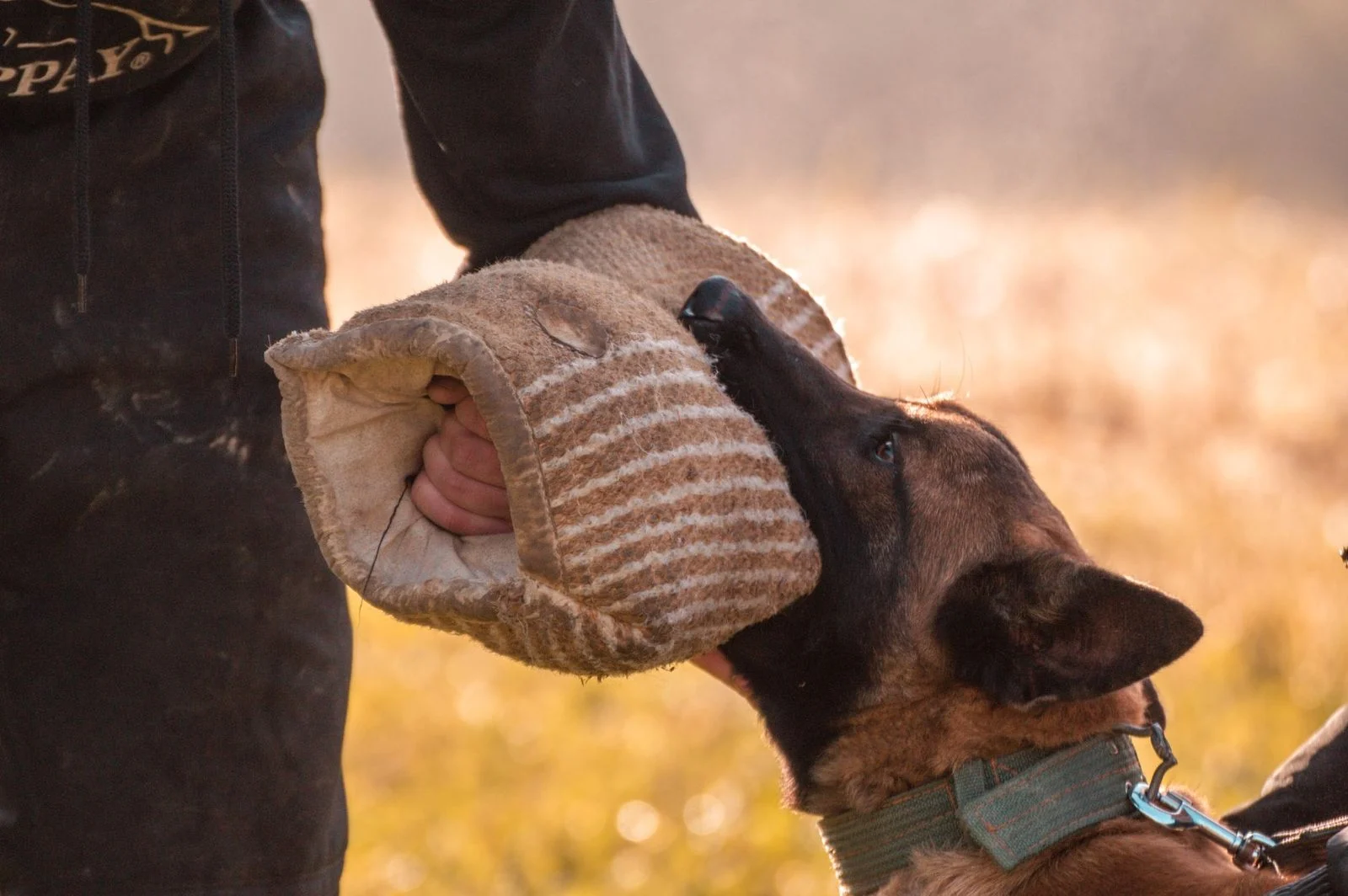
The one-bite rule is a shorthand many people use. Georgia’s statute uses different terms. A central part of the claim is proving vicious propensity, meaning the dog’s tendency to act dangerously.
The statute gives one clear proof path. It says that showing a local leash ordinance required the dog to be at heel or on a leash, and that the dog was not at heel or on a leash at the time, is enough to prove vicious propensity. The leash sentence does not cover domesticated fowl, including roosters with spurs, or domesticated livestock.
Prior behavior can still matter. Earlier growling, lunging, biting, or complaints from neighbors may help show the dog was dangerous and that the owner was aware of it. The first bite is not always the first sign.
This focus changes what evidence matters. Proof often centers on the dog’s history, how it was handled, and what happened at the scene, not only the bite itself.
Negligence as a Separate Path to Owner Responsibility
Negligence is a second route. It looks at how the owner handled the dog. Georgia defines ordinary diligence as the care that ordinarily prudent people use in similar circumstances. The absence of that care is called ordinary negligence (O.C.G.A. § 51-1-2).
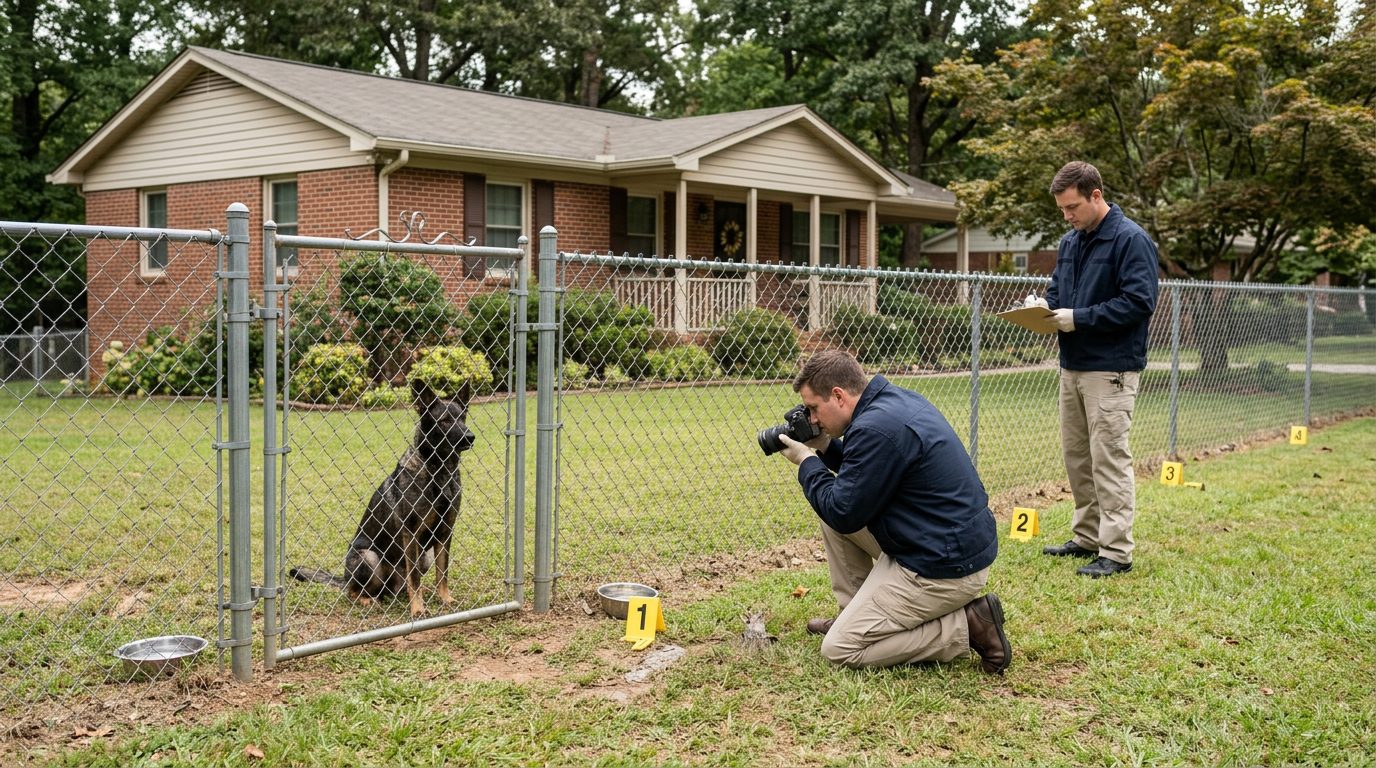
Examples include an unsecured gate that let the dog out, a dog off leash where it should have been restrained, or ignoring clear warnings from family or neighbors. The statute’s careless management language does not require a prior bite.
Georgia also looks at the injured person’s own conduct. Under O.C.G.A. § 51-12-33, a judge reduces damages in proportion to the injured person’s share of fault. A person who is 50 percent or more responsible for the injury is not entitled to receive any damages. Under O.C.G.A. § 51-11-7, a plaintiff who by ordinary care could have avoided the consequences to himself caused by the defendant’s negligence is not entitled to recover; in other cases the defendant is not relieved, although the plaintiff may have contributed to the injury.
What Evidence Usually Matters When Proving Owner Knowledge or Negligence
The most useful evidence usually shows how the dog was kept, how it acted before, and what happened after the bite.
- Medical records documenting the bite and treatment
- Animal control or police reports
- Photos of the scene, the gate or fence, and your injuries
- Names and contact details of witnesses
- Prior complaints, texts, or messages about the dog
Veterinary guidance on rabies control addresses confinement procedures for a dog that has bitten someone (AVMA Model Rabies Control Document). Keep any confinement or quarantine paperwork you receive.
Write down what you remember while it’s fresh. Include the time, where it happened, what the dog did, and what the owner said before and after. Photos and messages can disappear, so save them early. What the owner was told about the dog before the bite can also matter to proof.
Talk Through Your Dog Bite Situation With Our Team
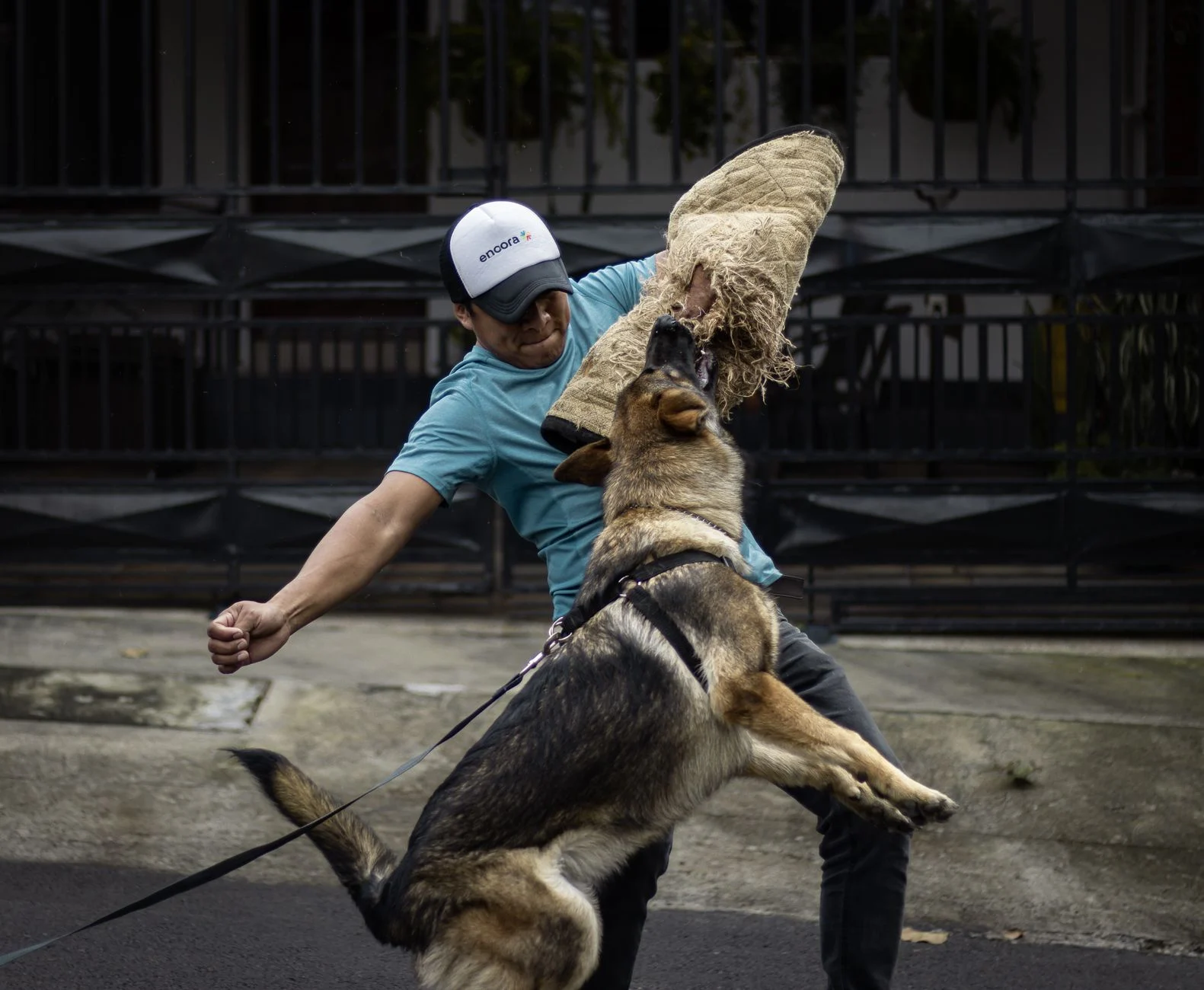
A dog bite can leave you in pain, facing medical appointments, or worried about a child who came home scared and hurt. Questions about who is responsible can feel heavy when you’re already dealing with all of that. Maybe the bite happened last week. Maybe a relative was hurt, and you’re trying to understand the story. Maybe the dog’s history is unclear.
Timing matters. Under O.C.G.A. § 9-3-33, actions for injuries to the person must be brought within two years after the right of action accrues, except as otherwise provided in this article; actions for injuries to the person involving loss of consortium must be brought within four years after the right of action accrues.
Frequently Asked Questions
Is a dog owner strictly liable in Georgia?
Not automatically. Georgia’s statute ties owner responsibility to a vicious or dangerous animal, to careless management or letting the animal go at liberty that causes injury, and to an injured person who does not provoke the injury by their own act, and the owner may be liable in damages.
Does a leash law violation help a dog bite claim in Georgia?
It can.
How long do I have to file a dog bite claim in Georgia?
For injuries to the person, the general deadline is two years after the right of action accrues (O.C.G.A. § 9-3-33; Kenneth B. Cameron v. Jmp Pizza, Inc (2026)).
Our team at Slam Dunk Attorney, serving people across metro Atlanta and Georgia from our Duluth base, offers a free, confidential first consultation with no obligation to continue. Contact Slam Dunk Attorney to talk through your situation.
Disclaimer: This article is general information, not legal advice. Reading it doesn’t create an attorney-client relationship, and no outcome is predicted or promised. Peter F. Jaraysi is the responsible lawyer for this page at Slam Dunk Attorney, Duluth, Georgia. Contact us at slamdunkattorney.com/contact-us.
How Our Team Can Help
Plain-Language Answers
We explain how the one-bite question applies to your situation in terms you can understand, without legal jargon.
Organized Evidence
We help you think through the records, photos, witness details and animal history that can matter in a dog bite claim.
Support for Your Family
Our team focuses on clear communication with you and your family while you focus on recovery.
Serving Metro Atlanta and Georgia
We represent people injured by dogs across metro Atlanta and throughout Georgia, including Duluth, Lawrenceville, Johns Creek and Alpharetta.
Protect Your Evidence Early
Photograph your injuries, keep every medical bill and visit note, and write down what you remember about the dog and the bite while it is fresh. Avoid posting details about the incident on social media.
Questions That Often Come Up in Dog Bite Cases
Where did the bite happen?
A bite on the owner's property, on a public street or in a shared space can raise different questions about who was responsible for the dog.
Did the dog have a history?
Prior aggressive behavior, complaints or warnings can be important facts. Ask the owner or local animal control records if you are unsure.
Was the dog leashed or restrained?
Leash and containment rules may affect how the incident is viewed. Note what you saw about how the dog was controlled.
What medical care followed?
Keep records of emergency visits, treatment, scarring and ongoing care. Your medical history is central to understanding the full impact of the injury.