
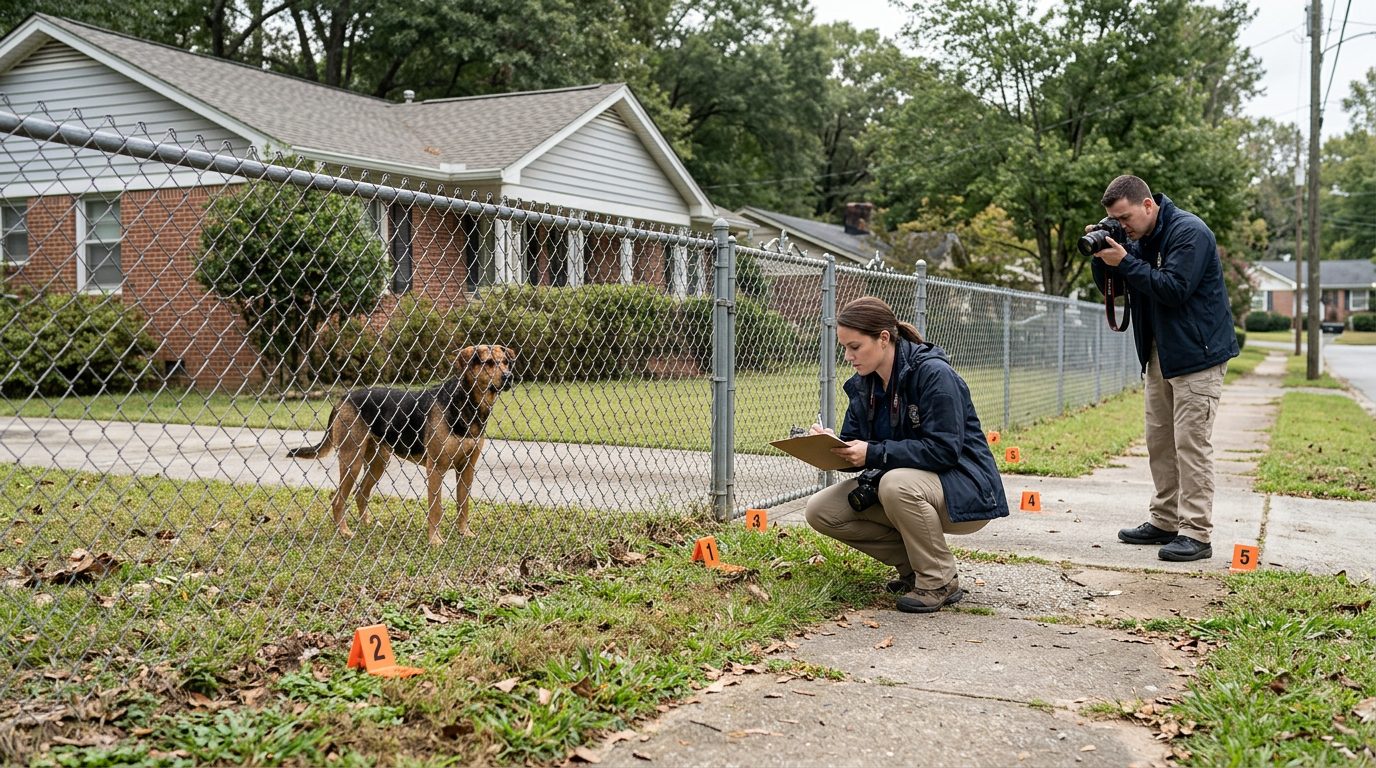
Georgia Dog Bite Laws
Dog Bite Owner Liability & Your Rights in Georgia
Georgia holds dog owners strictly liable for bites. Understand what the law requires and what you may recover if you've been injured.
By Peter F. Jaraysi · Published October 03, 2026
Under Georgia law, a dog owner is strictly liable for injuries caused by their dog—meaning the owner is responsible even if the dog has never bitten anyone before and the owner wasn’t negligent. This strict liability standard protects bite victims and gives you a clear path to recovery if you’ve been injured.
Georgia’s Strict Liability Dog Bite Law
Georgia Code § 34-8-2 imposes strict liability on dog owners for injuries caused by their dogs, regardless of the dog’s history or the owner’s intent. Strict liability means you don’t have to prove the owner was careless or knew the dog was dangerous. The act of the bite itself creates legal responsibility.
This is different from a negligence standard, which would require you to show the owner failed to exercise reasonable care. Under Georgia’s strict liability dog bite law, liability attaches automatically once a bite occurs. The owner cannot escape responsibility by claiming the dog was friendly, well-trained, or had never shown aggression before.
The statute applies to bites that happen in public places and on private property, with limited exceptions. If you were bitten while lawfully present—whether on a sidewalk, in a park, at a store, or on someone else’s property where you had permission to be—Georgia law protects your right to recover.
If you've been bitten by someone else's dog in Georgia, you may have a right to recover damages—and many people in your situation reach out to understand their options before deciding what to do next. Talk it through with our team — the first consultation is free, confidential, and carries no obligation.
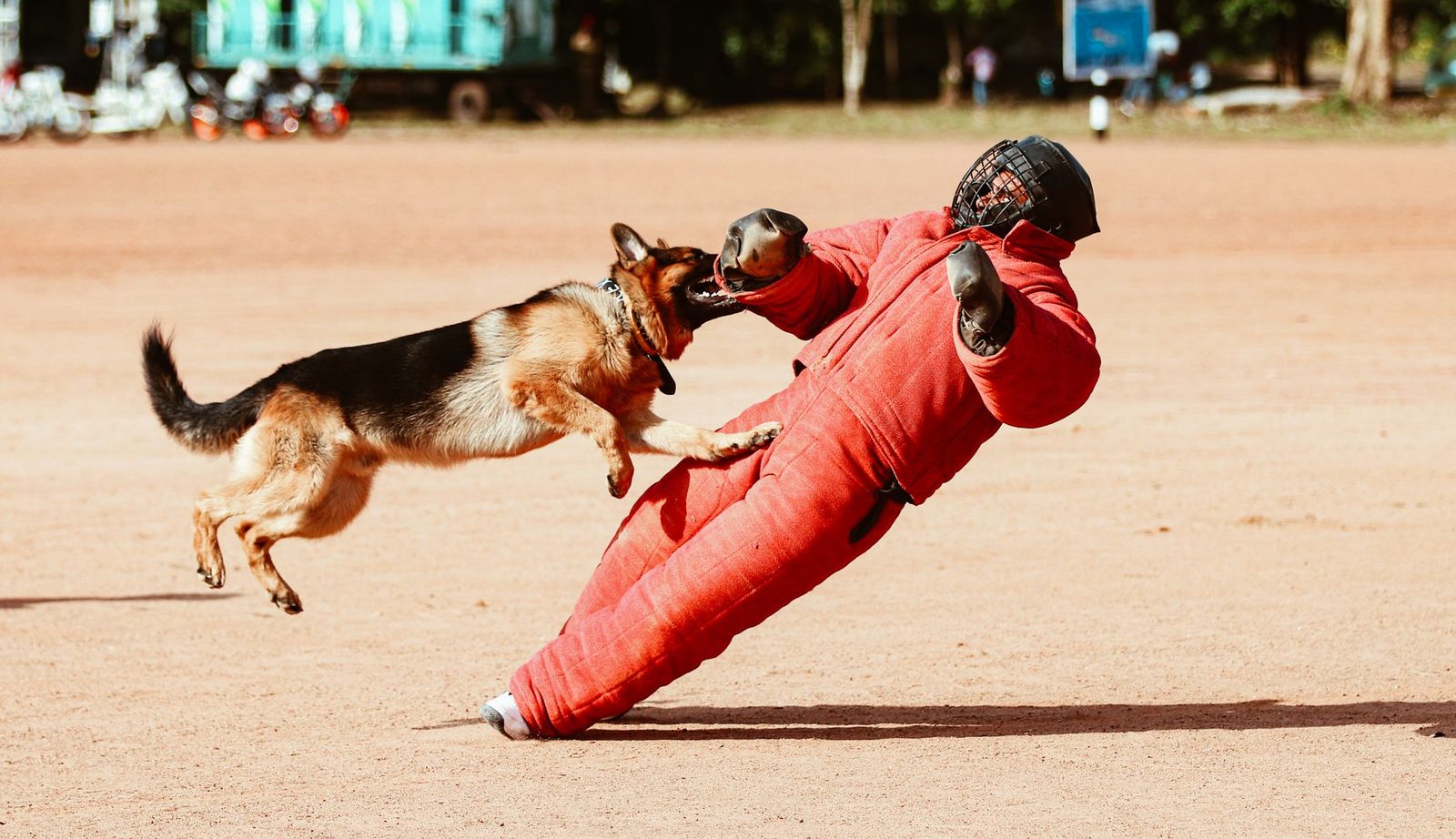
What “Owner Liability” Means Under Georgia Law
Owner liability means the person who owns the dog at the time of the bite is legally responsible for all damages caused by that bite. This includes medical expenses, lost wages, pain and suffering, scarring, and emotional distress.
The owner’s insurance company typically handles the claim. Most homeowner’s and renter’s insurance policies include liability coverage for dog bites, so the injured person’s recovery often comes through the owner’s policy rather than directly from the owner’s personal assets. This is why gathering the owner’s contact and insurance information immediately after a bite is crucial.
Liability extends to the registered owner, not necessarily the person who was present or supervising the dog at the time. If someone else was walking the dog or the dog escaped from a caretaker, the legal owner still bears liability under Georgia law.
When Georgia Dog Bite Liability Does Not Apply
Georgia recognizes a few narrow exceptions to strict liability. Understanding these helps you know where you stand.
Trespassing. If you were unlawfully on the owner’s property at the time of the bite—for example, breaking into a home or trespassing on posted land—the owner’s strict liability may not apply. However, the owner still cannot use an unleashed dog as a booby trap or set a dog on you intentionally.
Assumption of risk. If you knowingly and voluntarily accepted the risk of being bitten, liability may not apply. This typically applies to veterinarians, dog trainers, and shelter workers who handle aggressive dogs as part of their job and understand the danger.
Comparative fault. If your own actions contributed to the bite—for example, if you provoked the dog or ignored clear warnings—a court may reduce your damages proportionally under Georgia’s comparative fault rules. Your recovery might be reduced, but you may still have a claim.
Government dogs. Police and military dogs may have different liability rules under certain circumstances, though they are not entirely immune from liability.
Owner Responsibilities and Duties in Georgia
Beyond strict liability for bites, Georgia law requires dog owners to keep their dogs under control. Owners must prevent dogs from running at large and must restrain them in public spaces and on their property.
Failure to restrain or control a dog can result in additional liability beyond the strict liability statute. For example, if a dog escapes because an owner failed to maintain a fence or left a gate open, the owner may face both strict liability for the bite and negligence liability for failing to contain the dog.
Local ordinances in cities across metro Atlanta—including Atlanta, Marietta, Alpharetta, Kennesaw, and Dunwoody—impose additional leash laws and containment requirements. These local rules often require dogs to be on a leash in public and may specify fence height or other containment standards. Violation of these ordinances can strengthen a bite victim’s claim.
Damages You May Recover Under Georgia Dog Bite Liability
Georgia law allows you to recover several categories of damages in a dog bite case:
- Medical treatment costs: Emergency care, surgery, reconstructive procedures, ongoing treatment, and any future medical needs related to the bite.
- Scarring and disfigurement: Compensation for permanent or long-term scarring, particularly on visible areas like the face, neck, or hands.
- Lost wages: Income you lost while recovering from your injuries.
- Pain and suffering: Compensation for physical pain, discomfort, and the impact on your quality of life.
- Emotional distress: Damages for psychological trauma, anxiety, or fear of dogs following the bite.
- Punitive damages: In cases where the owner acted with gross negligence or reckless disregard—for example, knowing the dog was dangerous and failing to restrain it—a court may award punitive damages to punish the owner and deter similar conduct.
The amount of damages depends on the severity of your injuries, the permanence of scarring or disability, your medical expenses, and the impact on your daily life and work.
How to Establish Owner Liability in a Georgia Dog Bite Case
To build a strong claim, gather and preserve evidence immediately:
- Identify the owner. Get the dog owner’s name, address, phone number, and insurance information at the scene if possible.
- Document the injury. Take photographs of the bite wound immediately and at regular intervals as it heals. Photograph any scarring or visible marks.
- Seek medical attention. Go to an emergency room or urgent care clinic and keep all medical records, bills, and treatment notes.
- Gather witness statements. Get contact information from anyone who saw the bite occur. Their account can corroborate your version of events.
- Report the bite. Contact local animal control or police and file a report. This creates an official record and may provide information about the dog’s history.
- Preserve evidence of control failure. Note whether the dog was on a leash, whether there was a fence, and any other facts showing the owner failed to restrain or contain the dog.
- Keep expense records. Document all medical bills, lost wages, transportation costs, and other expenses related to the bite.
Not sure what your next step is?
Talk it through with our team — the first consultation is free, confidential, and carries no obligation.
Insurance and Settlement Considerations
Most homeowner’s and renter’s insurance policies include liability coverage for dog bites. The owner’s insurance company will typically be notified of the claim and will handle settlement discussions.
Understanding Georgia’s strict liability law strengthens your position in these discussions. Because liability is clear—the owner is responsible regardless of the dog’s history—insurance companies often settle dog bite claims without requiring a lawsuit. However, the amount offered depends on the severity of your injuries and the damages you can document.
Keep detailed records of all expenses and impacts on your life. This documentation is essential whether you settle with the insurance company or pursue a claim in court.

Frequently Asked Questions
Does Georgia have a “one-bite rule” for dogs?
No. Georgia imposes strict liability, meaning the owner is responsible for a bite even if the dog has never bitten anyone before.
Can I recover damages if I was partly at fault for the bite?
Yes, but your damages may be reduced proportionally under Georgia’s comparative fault rules if your actions contributed to the bite.
What should I do immediately after being bitten?
Seek medical attention, report the bite to animal control, get the owner’s contact and insurance information, and document the injury with photographs.
Does homeowner’s insurance cover dog bite liability?
Most homeowner’s and renter’s insurance policies include dog bite liability coverage, and the owner’s insurance company typically handles the claim.
What is the deadline for filing a dog bite claim in Georgia?
Georgia’s statute of limitations for personal injury claims, including dog bites, is generally two years from the date of the bite. Missing this deadline can bar your claim.
If you’ve been bitten by someone else’s dog in Georgia and are trying to understand your rights and next steps, you don’t have to navigate this alone. Many people in your situation—dealing with injuries, medical bills, and uncertainty about what comes next—reach out to discuss what a dog bite claim looks like and whether the owner’s liability applies to your case. We’re here to answer your questions and help you understand your options.
Contact us for a free case review to talk through what happened and learn what Georgia law may mean for your recovery.
Georgia's Strict Liability Rule
Unlike some states, Georgia does not follow a 'one-bite rule.' Dog owners are legally responsible for injuries caused by their dog's bite even if the dog has never bitten anyone before. This means you do not have to prove the owner knew the dog was dangerous.
What You May Recover in a Georgia Dog Bite Claim
Medical Expenses
Emergency room visits, surgery, stitches, antibiotics, wound care, and ongoing treatment for infection or scarring.
Lost Wages
Income lost while you recover and are unable to work, plus reduced earning capacity if the bite causes lasting disability.
Pain and Suffering
Compensation for physical pain, emotional distress, anxiety, and reduced quality of life from the injury.
Scarring and Disfigurement
Damages for permanent or long-term scars, particularly on the face, neck, hands, or other visible areas.
Key Points About Georgia Dog Bite Law
Strict Liability Applies
The owner is responsible regardless of the dog's history or the owner's knowledge of any dangerous tendency.
Comparative Fault May Apply
If your actions contributed to the bite, your damages may be reduced proportionally under Georgia's comparative fault rules.
Homeowner's Insurance Often Covers It
Most homeowner's or renter's insurance policies include liability coverage for dog bites. The owner's insurance may pay your claim.
Time Matters
Georgia law sets deadlines for filing a claim. Prompt action protects your rights and preserves evidence.
Steps to Take After a Dog Bite
Seek Medical Care Immediately
Even minor bites can become infected. Get evaluated by a doctor, follow treatment advice, and keep all medical records and receipts.
Document the Incident
Take photos of the bite wound, the location, and the dog. Write down the date, time, and what happened. Get the owner's name, address, and insurance information.
Report the Bite
Contact local animal control or the police to file a report. This creates an official record and may help protect others.
Gather Witness Information
If anyone saw the bite, get their names and contact information. Witness accounts strengthen your claim.
Don't Delay—Deadlines Apply
Georgia law sets time limits for filing a dog bite claim. Waiting too long may bar you from recovery. Contact us promptly to protect your rights and ensure all evidence is preserved.
Injured by a Dog Bite in Georgia?
Related practice areas
- Dog Bite Lawyer in Alpharetta, GA | Free Consultation
- Student Housing Negligent Security Lawyer Georgia