
Dog Bites · Georgia
Bitten by a Dog in Georgia? Understand Who Is Responsible
A plain-language guide to how dog bite liability works in Georgia, who may be responsible for injuries, and the kinds of losses an injured person may be able to recover.
By Peter F. Jaraysi · Published 24/09/2026
Georgia Dog Bite Liability: Who Pays & Owner Responsibility
In Georgia, the dog owner is legally responsible for injuries caused by a bite, regardless of whether the dog has bitten anyone before or whether the owner was negligent. This is called strict liability—and it means you don’t have to prove the owner knew the dog was dangerous. Here’s what you need to know about who pays, how liability works, and what damages you can recover.
Georgia’s Strict Liability Rule for Dog Bites
Under O.C.G.A. § 51-2-7, Georgia law holds dog owners strictly liable for bites even if the dog had no history of aggression. The injured person does not have to prove the owner knew the dog was dangerous or failed to exercise reasonable care. Liability applies to bites that occur in public places and, in most cases, on the owner’s property where the injured person was lawfully present.
This is a significant protection for bite victims. In many states, you’d have to show the owner knew the dog was dangerous before holding them responsible. Georgia’s strict liability rule eliminates that burden. If the dog bit you, the owner is liable—period.
Who Is Legally Responsible for a Dog Bite in Georgia
The dog’s owner is the primary party liable for injuries caused by the bite. But liability can extend beyond just the owner.
A property owner or manager may also be held liable under premises liability if they knew or should have known a dangerous dog was on the premises and failed to warn or control it. For example, if a business allows an aggressive dog to roam unsecured in a common area, the business owner could be responsible for injuries.
A landlord may be liable if they knew a tenant kept a dangerous dog and failed to take action to protect visitors or other tenants. If a landlord was aware of a dog’s dangerous behavior and did nothing to stop it, they share responsibility for injuries.
A business or property manager can be held responsible for failing to secure a dog or warn visitors of its presence. Liability depends on whether the property manager knew (or reasonably should have known) about the dog and failed to take reasonable precautions.
How Payment Typically Works: Insurance and Personal Assets
Most homeowners’ insurance policies include liability coverage that pays for dog bite injuries up to the policy limit. This is often the first and primary source of compensation for bite victims. When you file a claim, the insurance company typically handles payment for medical expenses, lost wages, and other recoverable damages—up to the policy’s limit.
Renters’ insurance may also cover dog bite liability if the policyholder owns the dog. If you rent and own a dog, your renters’ policy may provide coverage similar to homeowners’ insurance.
If insurance coverage is insufficient or unavailable, the dog owner’s personal assets may be pursued to cover damages. This means a court judgment could require the owner to pay out of pocket, though collecting from someone with limited assets can be challenging.
Some dog owners carry no insurance. In those cases, collection may be difficult but still possible through a judgment. An attorney can help you pursue recovery even when insurance isn’t available.
Factors That Affect Liability and Payment
Several factors influence whether liability is clear-cut and how much compensation you may recover:
Location of the bite. Whether the bite occurred on public property, private property, or the owner’s property matters. Bites on public property or on the victim’s own property typically result in clearer liability.
Whether you were lawfully present. If you were trespassing, liability may be reduced or eliminated in some circumstances, though Georgia’s strict liability rule still applies to lawful visitors.
The owner’s control measures. Whether the owner took reasonable steps to control or confine the dog affects both liability and the amount of damages. An unsecured dog in a public area strengthens your claim.
Warning signs and known dangerous propensity. Whether warning signs were posted or the dog’s dangerous behavior was known to the owner can influence the outcome.
Severity of injuries. The extent of your injuries, resulting medical costs, lost wages, and pain and suffering all determine the total damages you can recover.
Comparative Fault and Defenses in Georgia Dog Bite Cases
Georgia recognizes comparative negligence, meaning shared fault. If you were partly at fault—for example, by trespassing or provoking the dog—damages may be reduced proportionally. If a court finds you 20% at fault, your recovery would be reduced by 20%.
The owner may claim you assumed the risk by knowingly approaching a dog. This defense is weaker if the dog was unsecured or the owner failed to warn you of its presence.
Trespassing can reduce or eliminate liability in some circumstances. However, even if you were trespassing, the owner’s strict liability still applies—it just means damages may be reduced.
The injured person’s own negligence does not eliminate the owner’s liability but may lower the recovery amount. Georgia law allows recovery even if you bear some responsibility for what happened.
What Damages Can Be Recovered
Recoverable damages in a Georgia dog bite case include:
- Medical expenses for emergency care, surgery, stitches, rabies treatment, and ongoing wound care
- Reconstructive or cosmetic surgery if scarring or disfigurement results
- Lost wages during recovery and rehabilitation
- Pain and suffering, emotional distress, and permanent scarring or disability
- Punitive damages in rare cases where the owner’s conduct was reckless or malicious
Dog bite injuries can result in serious infections, scarring, and psychological trauma. Immediate medical attention and documentation are critical to a successful claim and to your recovery.
Steps to Take After a Dog Bite to Protect Your Claim
Taking these steps immediately after a bite strengthens your claim:
- Seek immediate medical attention and document all injuries with photographs and medical records.
- Report the bite to local animal control and request a copy of the report.
- Gather the dog owner’s information: name, address, phone number, and insurance details.
- Collect contact information from any witnesses to the bite.
- Keep records of all medical bills, prescriptions, and treatment receipts.
- Document lost work time and any ongoing symptoms or complications.
Animal control reports and witness statements are essential documentation for establishing liability and supporting your claim. The more thorough your documentation, the stronger your position.
When to Reach Out for Guidance
You don’t have to wait until your injuries are fully healed to understand your rights. Consider reaching out if:
- The dog owner’s insurance company denies your claim or offers an inadequate settlement
- The dog owner cannot be identified or has no insurance
- Your injuries are severe, require ongoing treatment, or result in permanent scarring or disability
- You’re unsure whether you have a valid claim or what damages you’re entitled to recover
- The dog owner or their insurer is pressuring you to settle quickly without a full assessment of your injuries
FAQ
Is a dog owner liable for a bite if the dog has never bitten anyone before?
Yes. Georgia’s strict liability rule holds owners responsible for bites regardless of the dog’s history.
Can I recover damages if I was partially at fault for a dog bite?
Yes, but your recovery may be reduced by your percentage of fault under Georgia’s comparative negligence rule.
What should I do immediately after being bitten by a dog?
Seek medical attention, report the bite to animal control, photograph your injuries, and gather the owner’s information and witness contact details.
Does homeowners’ insurance cover dog bite liability in Georgia?
Most homeowners’ policies include liability coverage for dog bites up to the policy limit; renters’ insurance may also cover dog owner liability.
Can a landlord be held responsible for a tenant’s dog bite?
Yes, if the landlord knew the tenant kept a dangerous dog and failed to take action to protect others.
What if the dog owner has no insurance?
You can still pursue a claim and seek a judgment against the owner’s personal assets, though collection may be more challenging.
If you’ve been bitten by a dog in the Atlanta area or elsewhere in Georgia and aren’t sure who’s responsible or whether your injuries qualify for compensation, we can help you understand your position and next steps. People in your situation reach out regularly, and we’re here to review your case for free.
How Dog Bite Cases Take Shape in Georgia
The law defines responsibility
Georgia statutes set out how responsibility for a dog bite injury is analyzed. Understanding those rules is the first step in evaluating a claim.
Owner responsibility
A dog owner's conduct and the circumstances of the bite are central to how these cases are examined under Georgia law.
Injuries and losses
Medical treatment, missed work, and other harm caused by a bite may factor into a claim for compensation.
Talk it through
Every situation is different. A conversation about your specific facts helps clarify your options.
Preserve What You Can After a Bite
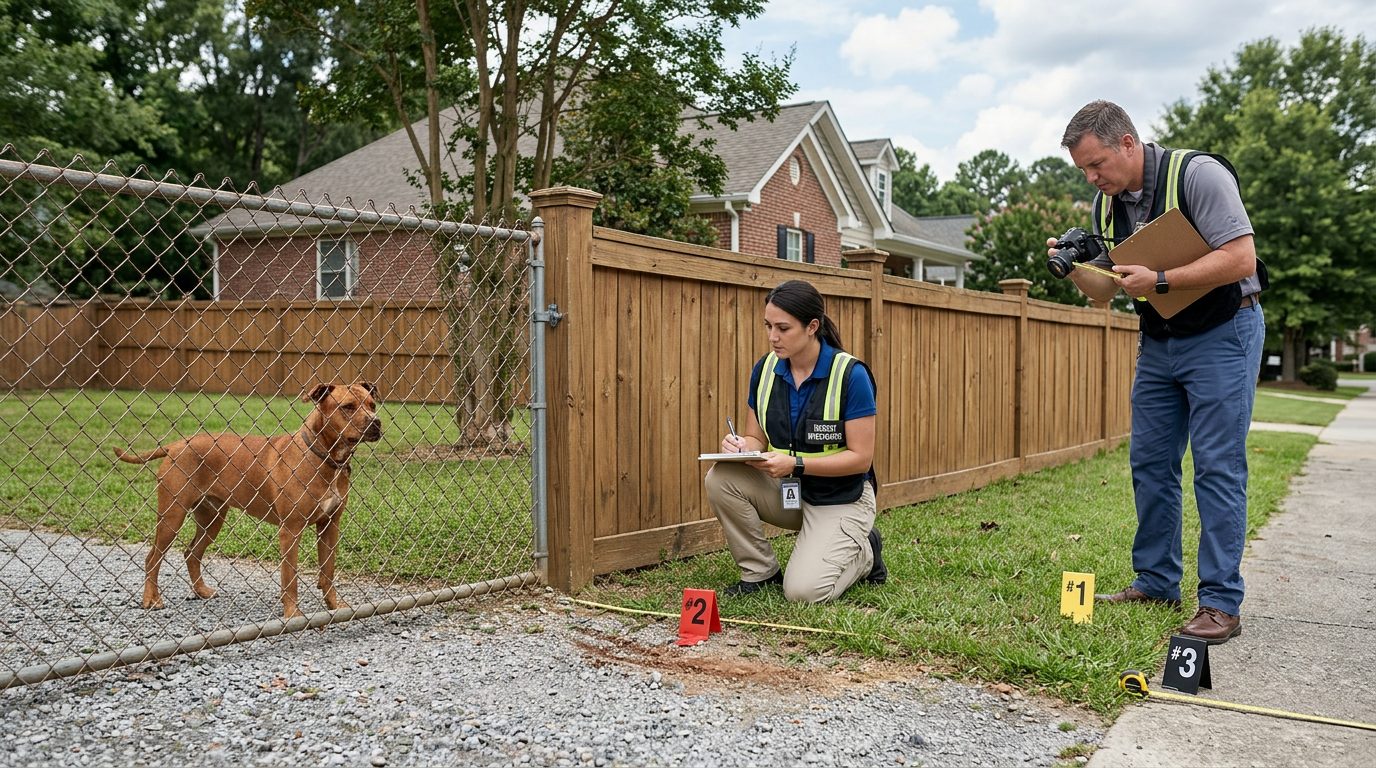
Photographs of the injury, the animal, and the location, along with any medical records, can be important. If you have questions about your situation, reach out and we can walk through it with you.
Common Questions About Georgia Dog Bites
Who might be responsible?
Responsibility often centers on the dog's owner, but the facts of each incident matter. We can review the details of what happened to you.
What losses can be involved?
Injured people frequently deal with medical bills, lost income, and other harm. These are among the losses a claim may address.
What if the owner is a friend or neighbor?
Many bite claims involve people the injured person knows. Compensation typically comes through insurance rather than a person's own pocket.
How do I get started?
Contact Slam Dunk Attorney for a free consultation. We serve people across metro Atlanta and Georgia.