
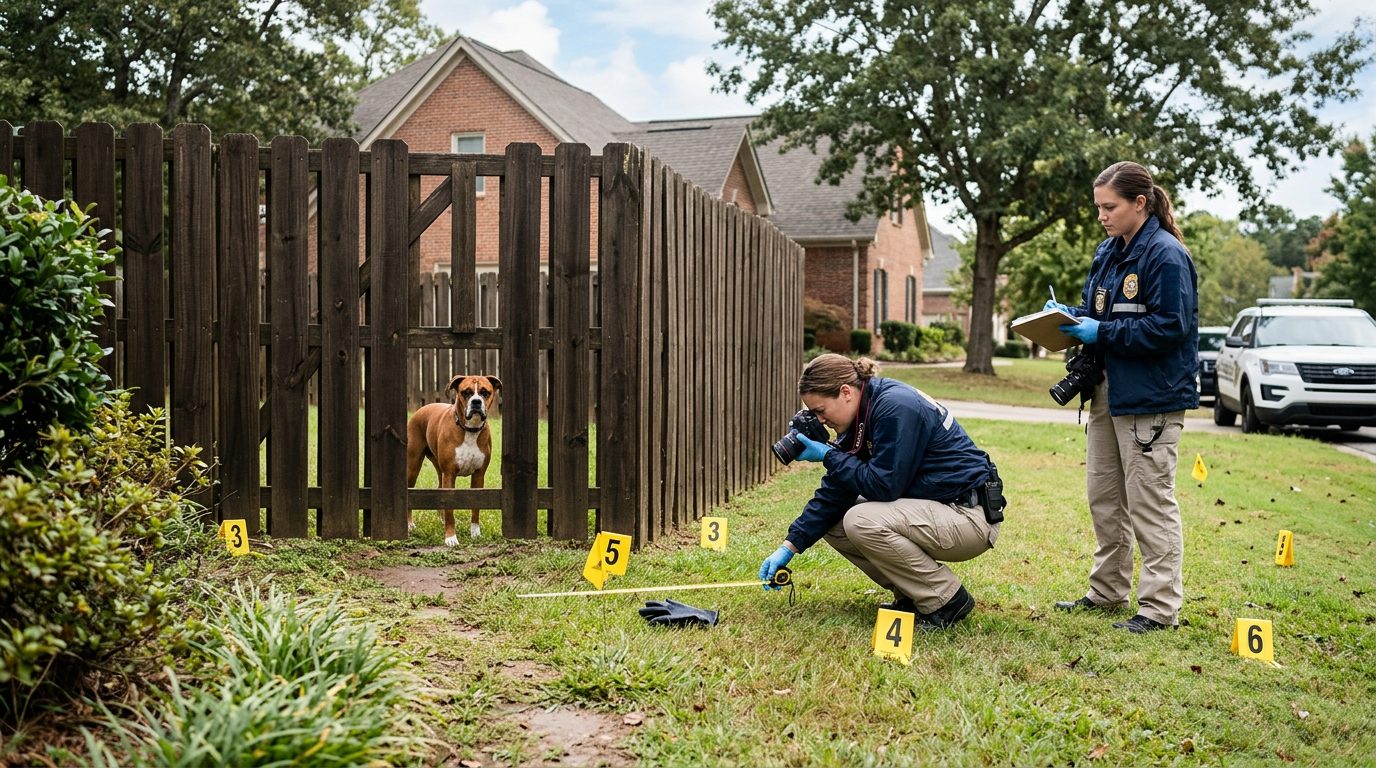
Dog Bites | Duluth, Georgia
What Are the Dog Laws in Georgia?
Georgia's dog bite rules can be complicated. Here is a plain-language overview of owner liability, local leash ordinances, and what to do after a bite.
By Peter F. Jaraysi · Published October 30, 2026
What are the dog laws in Georgia? Two layers of rules apply. State statutes set the basic rules for when a dog owner can be liable for an injury. City and county ordinances add local requirements, such as leash rules. This guide explains both layers in plain language.
Georgia Dog Laws at a Glance: State Law and Local Rules
The state dog bite statute decides when an owner can be liable for injuries a dog causes. Local governments then set many daily rules, such as leash requirements and limits on the number of dogs.
That split matters after an incident. The rules that apply depend on where the incident happened, so the city or county is part of the picture. DeKalb County publishes its animal ordinances and public safety rules, including enforcement steps for dangerous or vicious animals. The sections below cover liability, dangerous dog rules, local ordinances, ownership, loose dogs, and deadlines.
If you're weighing your next step, you don't have to sort out these rules alone. Talk it through with our team — the first consultation is free, confidential, and carries no obligation.
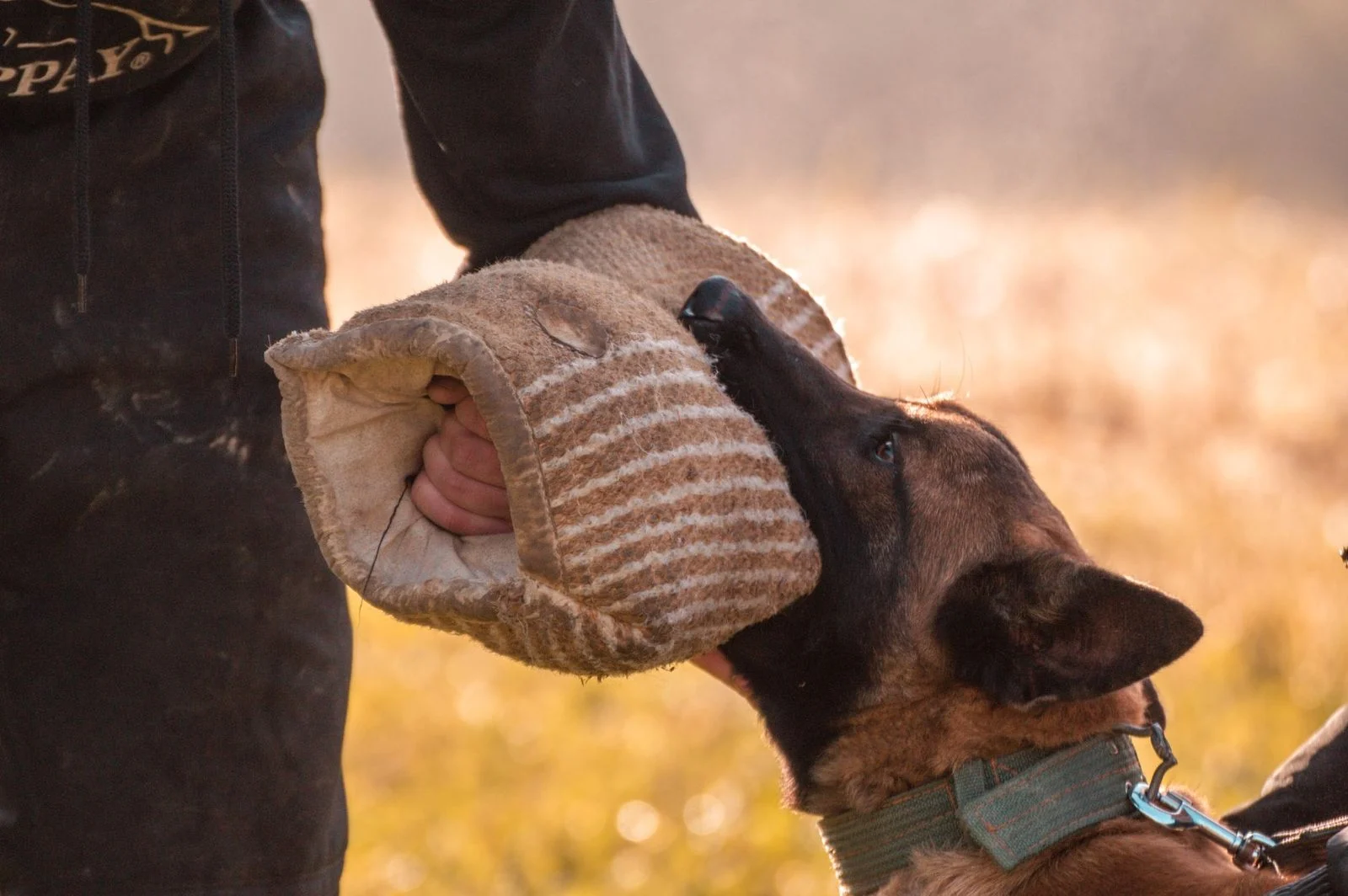
Dog Owner Liability for Bites Under Georgia Law
An owner or keeper of a vicious or dangerous animal can be liable when careless management or allowing the animal to go at liberty causes injury to a person who does not provoke the injury by their own act. The core rule is in O.C.G.A. § 51-2-7. The statute covers a person who owns or keeps a vicious or dangerous animal. If that person causes injury to someone who did not provoke it by careless management or by allowing the animal to go at liberty, the person may be liable in damages.
The law looks at how the animal was managed. Careless management is a negligence idea. Under Georgia law, ordinary diligence is the care that ordinarily prudent people use in similar circumstances. Failing to use that care is ordinary negligence (O.C.G.A. § 51-1-2). An open gate or a dog left unrestrained around visitors are common examples.
The statute also covers leashes. If a local ordinance required the dog to be at heel or on a leash, and the dog was not, that alone is enough to prove vicious propensity. The injured person’s own conduct matters too. The statute protects people who did not provoke the injury through their own act.
Dangerous and Vicious Dog Rules in Georgia
Georgia law addresses owners of vicious or dangerous animals in O.C.G.A. § 51-2-7 (S&S Towing & Recovery, LTD v. Charnota (2020)).
Under O.C.G.A. § 51-2-7 (S&S Towing & Recovery, LTD v. Charnota (2020)), a person who owns or keeps a vicious or dangerous animal may be liable in damages to a person injured by careless management or by allowing the animal to go at liberty, if the injured person did not provoke the injury by his own act.
Rabies is a separate concern after some bites. The Georgia Department of Public Health explains immediate rabies precautions after a bite from a potentially rabid dog. Its rabies guidance also covers possible quarantine and observation of the domestic animal.
Local Ordinances: Leash and Containment Rules
Local ordinances often require dogs to be leashed or kept inside a yard or fence. A dog kept without proper containment can affect an owner’s liability when it hurts someone.
Here the state statute and local rules meet. Under § 51-2-7, if a city, county, or consolidated government ordinance required the animal to be at heel or on a leash and the animal was not at heel or on a leash at the time of the occurrence, that alone is sufficient to prove vicious propensity. The leash-based proof rule in O.C.G.A. § 51-2-7 does not apply to domesticated fowl, including roosters with spurs, or to domesticated livestock.
A violation of a local ordinance can also matter as evidence in a claim.
What Makes a Dog Legally Yours: Owners and Keepers
Georgia’s dog bite statute asks who owns or keeps the dog, not only who bought it. The statute applies to a person who owns or keeps a vicious or dangerous animal. Responsibility can rest with more than the name on a registration or a purchase receipt.
Examples include a household member who feeds and walks the dog, a tenant who keeps a dog at a rental home, a dog sitter who cares for the animal, or a relative who looks after it for a few weeks. Any of these people may have kept the dog when the injury happened.
More than one person can share responsibility for a dog. Who had the dog at the time, and how they handled it, shapes the answer. The facts of each case control that question.
When a Neighbor’s Dog Is Loose or Left Outside
A neighbor’s loose dog can create liability for the owner if it injures someone and the owner was careless. A dog left outside without real containment is a safety problem. It may also break a local leash or containment rule.
A dog on the owner’s property is treated differently from a stray or loose dog on a public street. Who controlled the dog, and where it was, changes how the rules apply.
Local animal control can respond to dangerous situations. DeKalb County’s animal ordinances describe enforcement measures that may follow an attack or dog bite. Local animal control offices can be involved when a dangerous animal is reported, and the specifics can vary from one community to another.
If a dog has bitten or threatened someone before, that history can matter.
Not sure what your next step is?
Talk it through with our team — the first consultation is free, confidential, and carries no obligation.
Dog Bite Deadlines and Talking With a Lawyer About Your Situation
Most Georgia lawsuits for injuries to a person must be filed within two years after the right of action accrues. That rule comes from O.C.G.A. § 9-3-33. Claims involving loss of consortium have four years under the same statute.
Claims against a Georgia municipality require written notice within six months under O.C.G.A. § 36-33-5(b), a much shorter deadline than most injury claims. It must also state the specific amount of money damages sought (O.C.G.A. § 36-33-5). A written notice of claim against the state is due within 12 months of when the loss was discovered or should have been discovered (O.C.G.A. § 50-21-26).
Under O.C.G.A. § 51-12-33, damages drop in proportion to the injured person’s share of fault. A person who is 50 percent or more responsible recovers nothing. Each liable person pays only its own share.
A dog bite can leave a child scarred, a parent in the hospital, or a family facing bills and hard questions about the dog. That is a lot to carry at once. If you’re weighing your next step, you don’t have to sort out these rules alone. Slam Dunk Attorney offers a free first consultation that is confidential and carries no obligation to continue. You can reach the firm through its contact page.
What are the dog laws in Georgia?
State law sets the basic owner-liability rule, and a local leash ordinance can also matter: under O.C.G.A. § 51-2-7 (S&S Towing & Recovery, LTD v. Charnota (2020)), showing that an animal was required to be at heel or on a leash by a city, county, or consolidated government ordinance and was not at heel or on a leash at the time of the incident can be sufficient to prove vicious propensity, though this does not apply to domesticated fowl (including roosters with spurs) or domesticated livestock.
Is a dog owner liable for a bite in Georgia?
A person who owns or keeps a vicious or dangerous animal may be liable. That can happen when careless management or letting the animal loose causes injury to someone who did not provoke it.
Dog Limits Are Set Locally and Vary by City or County
Does my own fault reduce a dog bite claim?
Yes, damages drop by your share of fault. A person who is 50 percent or more responsible recovers no damages (O.C.G.A. § 51-12-33; Quynn v. Hulsey (2020)).
This page is general information, not legal advice. The responsible lawyer for this page is Peter F. Jaraysi of Slam Dunk Attorney, Duluth, Georgia. Contact: slamdunkattorney.com/contact-us.
How Our Team Can Help
Plain-Language Answers
We explain how Georgia dog bite law may apply to your situation, without legal jargon.
Help Gathering Records
We work with you to collect medical records, photos, animal control reports, and witness information.
Advocacy for Injured People
Our lawyers focus on protecting the rights of people hurt by dogs, including children and pedestrians.
Compassionate Support
We understand that a dog attack can cause physical, emotional, and financial strain, and we treat every client with care.
Important: Get Medical Care First
Your health comes first. Seek medical attention for any bite, even if the wound looks minor, because dog bites can lead to infection. Keep copies of your medical records and bills, and write down what happened while the details are fresh.
Key Topics in Georgia Dog Bite Cases
Owner Liability Basics
State law addresses when a dog's owner may be responsible for injuries caused by the animal. The facts of each incident matter.
Local Leash Ordinances
City and county leash rules can be important evidence in a dog bite claim. Our team reviews which local rules may apply where the incident occurred.
Documenting the Incident
Photos, medical records, animal control reports, and witness statements can help tell the full story of what happened.
Talking With a Lawyer
Our firm offers a free first consultation that is confidential and comes with no obligation to continue.