
Dog Bite Claims | Duluth, Georgia
What Proof Is Needed for a Dog Bite in Georgia?
A plain-language guide to the records, photos and details that can help document a dog bite injury and what happened.
By Peter F. Jaraysi · Published October 25, 2026
What proof is needed for a dog bite? In Georgia, the answer usually comes down to two questions. First, did the owner know, or should the owner have known, the dog could cause harm? Second, can you show the bite caused real injuries?
Most dog bite matters rely on the same kinds of evidence. These include medical records, photos, witness details, facts about the dog and its owner, and proof of your losses. This guide walks through each one and explains why it matters.
This is general information, not legal advice about your situation. If you were bitten, or you are helping a family member who was, you may be scared, hurting, and short on answers.
What Proof Is Usually Needed in a Georgia Dog Bite Claim?
Under O.C.G.A. § 51-2-7, a person who owns or keeps a vicious or dangerous animal may be liable in damages. That applies when careless management, or letting the animal go at liberty, causes injury to someone who did not provoke the bite.
The statute uses the phrase “vicious propensity,” and in proving it, it shall be sufficient to show that the animal was required to be at heel or on a leash by an ordinance of a city, county, or consolidated government, and the said animal was at the time of the occurrence not at heel or on a leash, except that this does not apply to domesticated fowl including roosters with spurs or to domesticated livestock. The bite itself is only part of the picture. The bite itself is only part of the picture.
Every bite has its own facts. The weight of each item below depends on those facts. Still, the same types of records are gathered in most matters, so it helps to know what each one shows.
For a wider view of the topic, read our Georgia dog bite overview.
If a dog bite has left you hurt and unsure what comes next, our team at Slam Dunk Attorney can talk it through with you in a free, confidential consultation. Talk it through with our team — the first consultation is free, confidential, and carries no obligation.
Proving the Owner Knew or Should Have Known About the Dog
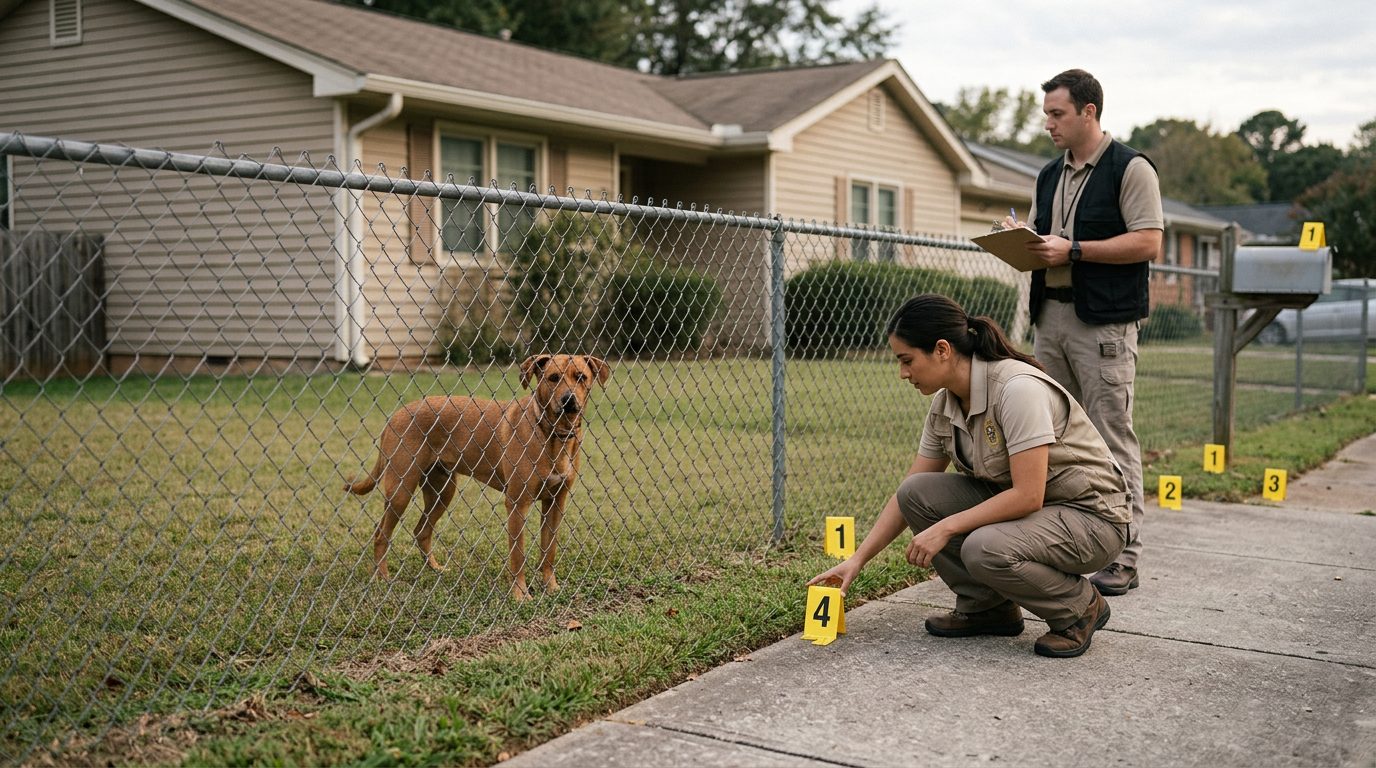
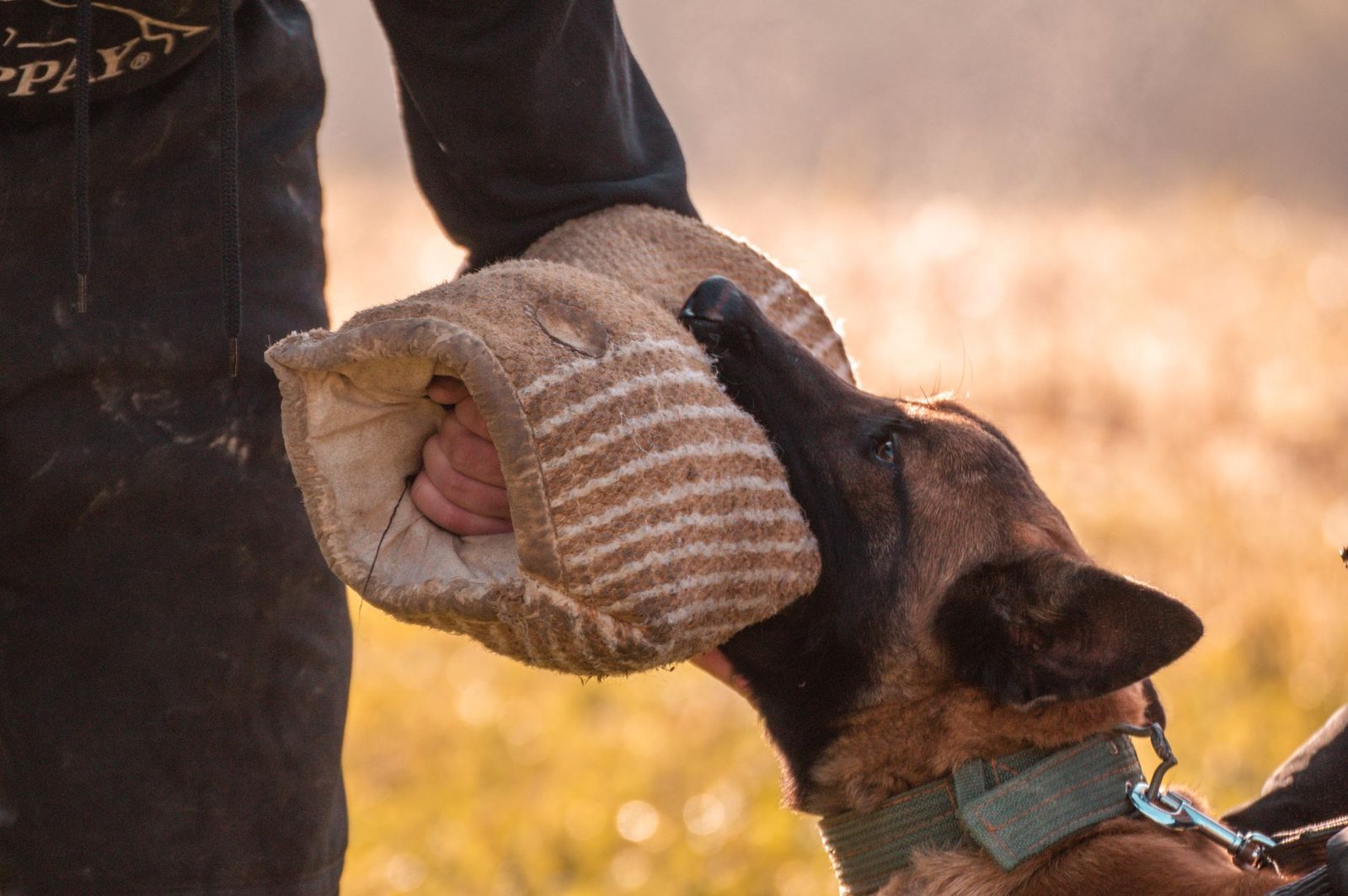
Proof of owner knowledge usually comes from what happened before the bite. Look for earlier bites or attacks, growling or lunging at visitors or passersby, and complaints from neighbors.
Prior reports to animal control can also matter. Ask the local agency whether it has records tied to the dog or the address.
Written records count too. Texts, emails, letters, and social media posts about the dog’s behavior can show what the owner knew. Save them as they are, and don’t edit them.
A dog with no bite history can still be at issue. That question turns on the facts.
Georgia law also ties leash rules to this question. Under the same statute, if a city, county, or consolidated government ordinance required the dog to be on a leash, and the dog was not on one at the time, that is sufficient to prove vicious propensity. Local rules vary, so check the ordinances where the bite happened. DeKalb County’s animal ordinances show how one Georgia county addresses dangerous animals.
Medical Records and Documentation of the Injury
Medical records are the core proof of the injury and its treatment. Start with emergency room or urgent care notes. These often describe the wound, the treatment, and any prescriptions.
Keep every follow-up visit, wound check, and infection treatment record too. A clear timeline shows what the bite did over time, from the first visit through later care. If a scar needs revision later, that care belongs in the file as well.
Keep every bill, receipt, and prescription label. Write down any days you missed from work and why.
Medical costs have limits under Georgia law. Under O.C.G.A. § 51-12-1.1, medical expenses are limited to the reasonable value of medically necessary care. The trier of fact, usually a jury, decides that amount. If you have any form of public or private health insurance, the evidence shall include both the amounts charged for your medical and healthcare expenses and the amounts actually necessary to satisfy those charges under the insurance contract or the applicable program, regardless of whether the insurance has been used or will be used.
Decisions about medical care belong to your treating clinicians. Follow their advice on wound care and follow-up visits.
Photos, Witnesses, and the Scene of the Bite
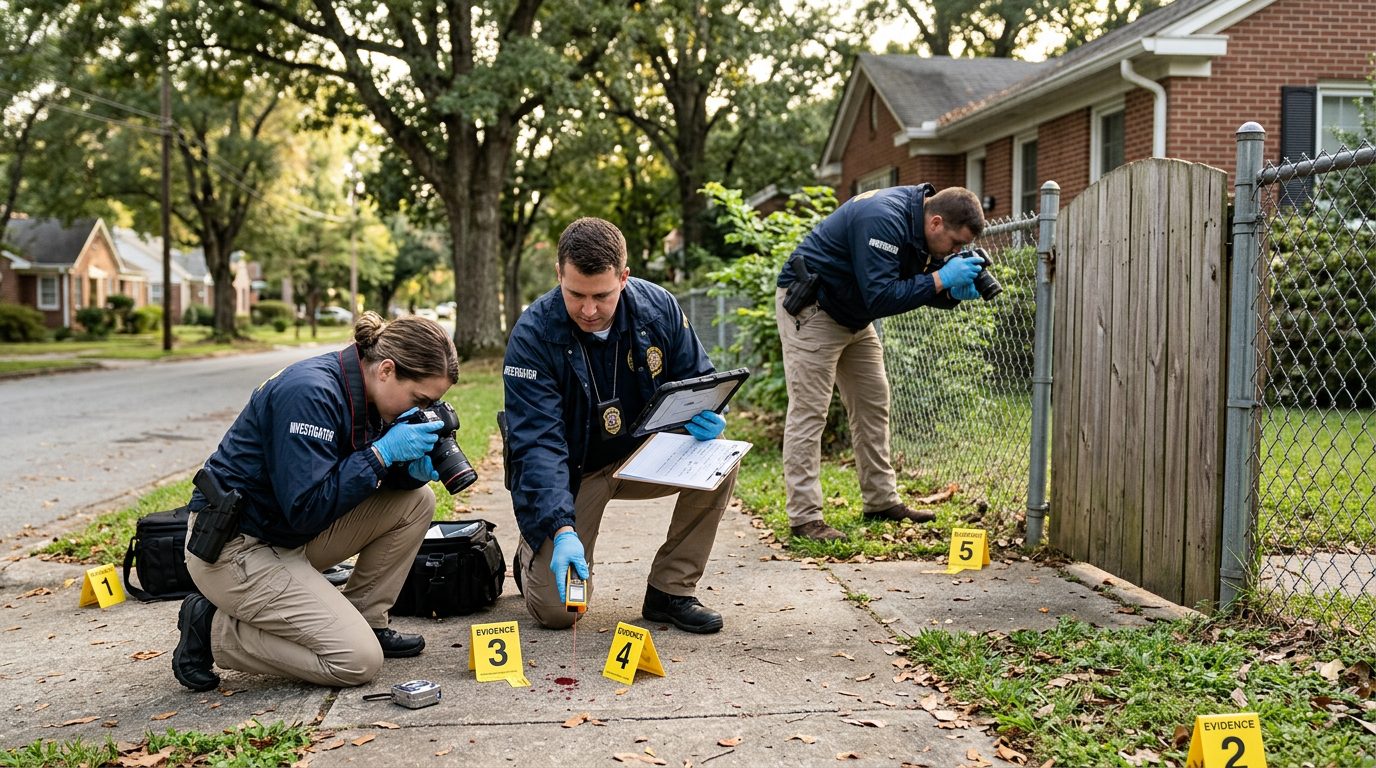
Photos, witnesses, and reports from the scene help show what happened and when. These items are also easy to lose, so gather them early.
Take photos of the wound over several days, not just once. Photograph the location, torn clothing, and the area around the dog. Keep the original files with their dates, and don’t apply filters.
Get the names and phone numbers of anyone who saw the bite. Ask each person to write a short account while the memory is fresh.
Location matters. A bite on the owner’s property, in a public place, or in a shared space such as an apartment complex can raise different questions. Whether that matters turns on the facts, so contact Slam Dunk Attorney for a free, confidential initial consultation with no obligation to continue.
Save any police, animal control, or incident reports. Write down the report number too.
Identifying the Dog and the Owner
Recording facts about the dog and its owner is one of the most useful early steps. Write these details down as soon as it is safe to do so.
Note the dog’s size, color, and breed if you know it. Look for a tag or a microchip. Record the owner’s name, address, and phone number.
The American Veterinary Medical Association advises that when the dog’s owner is present, you should request proof of rabies vaccination. It also advises getting the owner’s name and contact information.
Licensing records and local leash rules can help confirm facts about the dog and its owner. Ask whether the owner has homeowner’s or renter’s insurance. That coverage is often relevant. You can ask for the details or request them through the claims process.
Don’t confront the owner, and don’t post accusations online. Statements made in anger can be used later, so keep your words calm and factual.
Common Questions About Dog Bite Evidence
Most dog bites that break the skin deserve medical attention, even when they look small. Here are the questions readers often ask first.
Should I worry about a minor dog bite?
Yes, any bite that breaks the skin deserves prompt medical evaluation. The AVMA advises cleaning the bite wound with soap and water, and small wounds can still become infected.
What does a serious dog bite look like?
Go to urgent care or an emergency room right away if the wound is deep, is bleeding heavily, or is on the face or hands. Get care quickly if you notice signs of infection.
How soon do you need a tetanus shot?
Your clinician can tell you whether a tetanus booster is needed. The answer depends on your vaccination history and the wound, so ask promptly after the bite.
Not sure what your next step is?
Talk it through with our team — the first consultation is free, confidential, and carries no obligation.
Damages and Records That Show the Full Impact
Damages are the losses the bite caused, and each one needs support. Under O.C.G.A. § 51-12-2, general damages are presumed to flow from a wrongful act and may be recovered without proof of an amount. Special damages actually flow from the act and must be proved.
Common losses include medical bills, lost wages, scarring, and changes to daily life. Under O.C.G.A. § 51-12-7, necessary expenses caused by an injury are a legitimate part of the damages estimate. Keep receipts, mileage to appointments, and out-of-pocket costs.
A simple daily journal helps. Note your pain, sleep, activities you missed, and appointments you attended. Write each entry close to the day it describes.
Georgia law also sets limits. Under O.C.G.A. § 51-12-4, if an injury is small or the mitigating circumstances are strong, nominal damages only are given. Documentation is reviewed together with the other evidence, not on its own.
Time Limits and Evidence That Can Be Lost
Georgia’s general deadline for a personal injury lawsuit is two years. Under O.C.G.A. § 9-3-33, actions for injuries to the person must be brought within two years after the right of action accrues. The statute has exceptions, so check any date that may apply to you early.
Fault matters too. Georgia uses modified comparative fault, which means the injured person’s own share of fault reduces the recovery. Under O.C.G.A. § 51-12-33, a person found 50 percent or more responsible recovers nothing. Under O.C.G.A. § 51-12-33, if an injured person shares some responsibility, the judge reduces the damages awarded in proportion to that person’s percentage of fault, and a person who is 50 percent or more responsible for the injury is not entitled to receive any damages.
Photos, texts, video, and witness memories can fade or disappear. Keep the phone that holds them. Don’t delete posts, messages, or photos about the dog or the bite.
If a child or an elderly relative was bitten, the helper should write down what they saw. They should keep the same records and save the same messages.
Talk Through Your Dog Bite With Our Team
Gathering dog bite evidence is easier with a clear plan, and talking it through can help. A bite can leave you frightened and in pain. This is especially true when the dog belonged to a neighbor, a friend, or a family member.
If a dog bite has left you hurt and unsure what comes next, reach out through the Slam Dunk Attorney contact page. Our team can set up a free, confidential initial consultation, with no obligation to continue, to talk through your evidence and your options.
Responsible lawyer: Peter F. Jaraysi, Slam Dunk Attorney, Duluth, Georgia. This page is general information, not legal advice. Outcomes vary from case to case.
Types of Proof That Can Help Document a Dog Bite
Medical records
Emergency room, urgent care, and follow-up treatment notes describe the injury, its treatment, and how the wound was cared for over time.
Photographs
Clear images of the wound, its healing, and the scene where the bite happened can show details that are easy to forget later.
Witness information
Names and contact details for people who saw the attack or its aftermath can help support your account of events.
Owner and animal details
The dog's owner, the animal's description, and any vaccination or licensing information can help identify who was responsible for the animal.
Your own timeline
A written account of what happened, when, and how you felt afterward can help keep your memory of events organized.
Get Medical Care First
Even a small bite that breaks the skin deserves prompt medical evaluation. Your health comes first, and the medical records created during treatment are often among the most important proof in a dog bite matter.
Ways to Preserve Proof After a Bite
Keep every record
Save discharge papers, bills, prescriptions, and appointment summaries in one place so nothing gets lost.
Document the injury
Take dated photos of the wound as it heals, and note any scarring, swelling, or ongoing pain.
Write it down early
Record what you remember about the dog, the location, and the sequence of events while the details are still fresh.
Ask for contact details
If it is safe to do so, note the owner's name and contact information, and the names of anyone who witnessed the incident.