
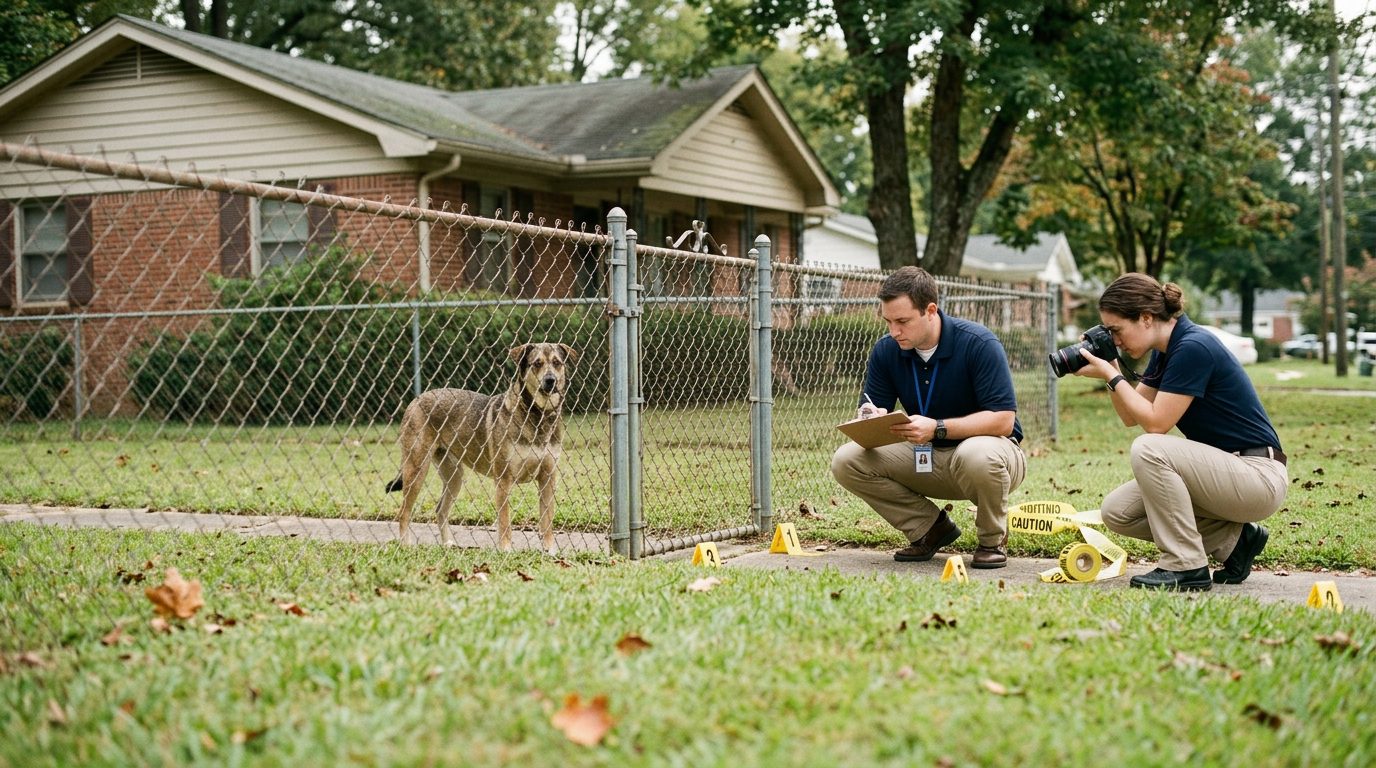
Dog Bite | Landlord Liability
Bitten by a Tenant's Dog? Know Your Rights
When a landlord knows about a dangerous dog and does nothing, they may be liable for your injuries. Slam Dunk Attorney fights for injured people across Georgia.
By Peter F. Jaraysi · Published September 16, 2026
Dog Bite Claims on Rental Property: Landlord Liability in Georgia
If you were bitten by a dog on rental property in Georgia, you may assume the tenant alone is responsible. That’s often wrong. Landlords can be liable for dog bites under Georgia premises liability law if they knew or should have known about a dangerous dog and failed to control the hazard—regardless of Georgia’s “one bite rule.”
This page explains who is liable in rental property dog bite cases, what we investigate and pursue on your behalf, and how to move forward with a claim.
If you were bitten by a dog on rental property and aren't sure whether the landlord bears responsibility, you have a potential claim—and our team can help you understand your options at no upfront cost. Talk it through with our team — the first consultation is free, confidential, and carries no obligation.
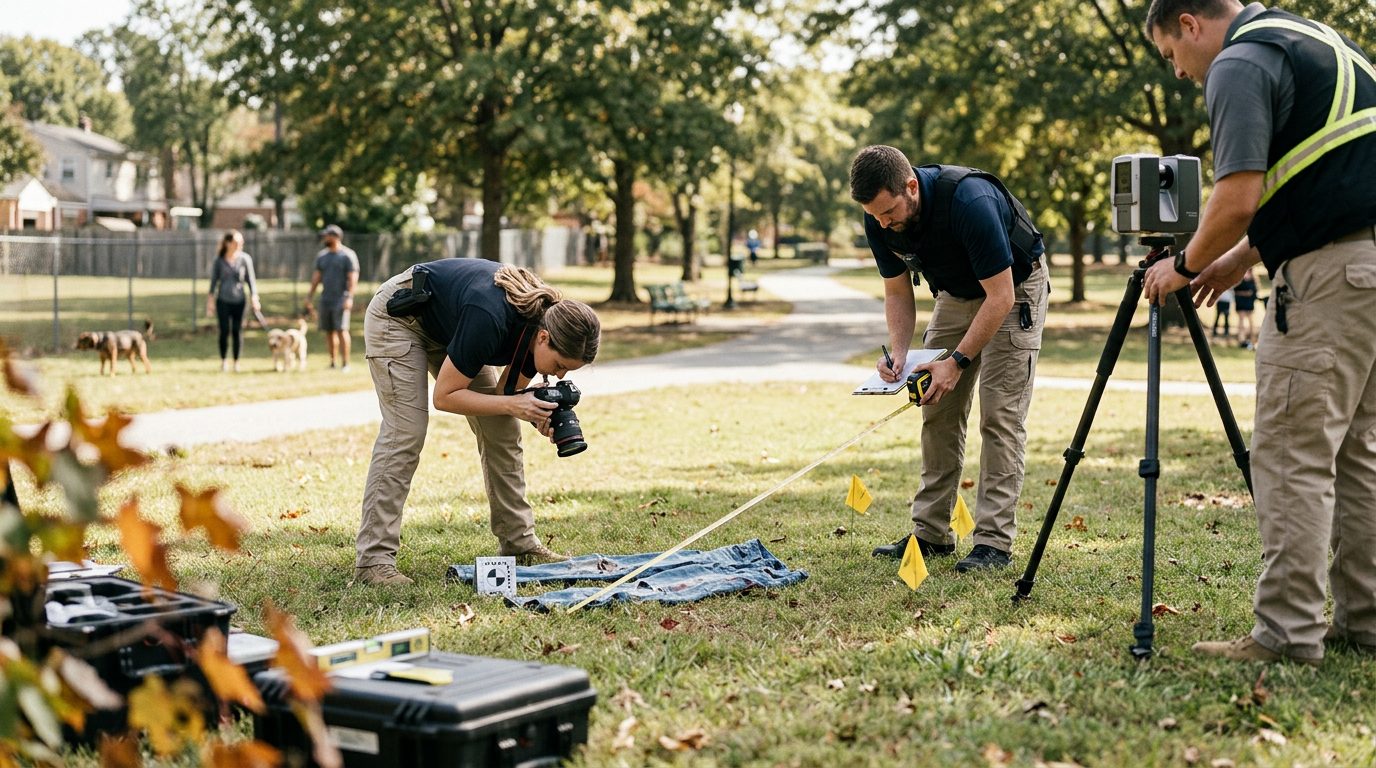
Dog Bite Injuries on Rental Property: Who Is Liable in Georgia?
Liability for a dog bite on rental property depends on three things: whether the landlord knew about the dog, whether the landlord knew the dog was dangerous, and whether the landlord failed to act.
Georgia recognizes a “one bite rule”—meaning a dog owner is often liable only if the dog has previously bitten someone and the owner knew it. But landlords face a separate liability theory: premises liability. Under Georgia law, landlords have a duty to maintain safe premises and protect tenants and visitors from known hazards. A dangerous dog is a hazard.
Many people wrongly assume the tenant is solely responsible. In reality:
- The landlord may be liable if they knew or should have known the dog was on the property and dangerous, yet failed to enforce a lease prohibition, remove the dog, or warn visitors.
- Prior complaints matter. If neighbors complained, if animal control was called, or if the dog had shown aggressive behavior, the landlord’s knowledge is established.
- A “no pets” lease clause doesn’t shield the landlord. If the landlord knew about an unauthorized dog and did nothing, liability can still attach.
- Both the landlord and tenant may be liable. We investigate all responsible parties.
At Slam Dunk Attorney, we don’t assume the tenant is the only defendant. We dig into landlord knowledge, lease terms, property management practices, and prior incidents to identify every liable party.
What This Service Covers
When you bring a dog bite claim on rental property to Slam Dunk Attorney, we handle the full scope of investigation and recovery:
Investigation & Evidence – Landlord knowledge of the dog and prior incidents – Lease terms and pet policies – Property maintenance and control obligations – Prior complaints to animal control, police, or the landlord – Witness statements and incident reports – Medical records and treatment documentation
Liability Analysis – Premises liability claims against the property owner or manager – Tenant liability claims where the tenant is the dog owner – Homeowners association liability if applicable – Renter’s insurance and landlord’s insurance coverage
Damages We Pursue – Medical expenses (emergency care, surgery, ongoing treatment, therapy) – Lost wages and lost earning capacity – Pain and suffering – Scarring and disfigurement – In some cases, punitive damages if the landlord’s conduct was reckless
Negotiation & Resolution – Demand letters to the liable party’s insurance carrier – Settlement negotiations – Litigation and trial preparation if a fair settlement cannot be reached
How Landlord Liability Works for Dog Bites in Georgia
Under Georgia premises liability law, landlords owe a duty of care to tenants and visitors on their property. That duty includes controlling known hazards—and a dangerous dog is a known hazard if the landlord knew or should have known about it.
Landlord knowledge is the key. Evidence of knowledge includes:
- Prior bites or attacks by the same dog
- Complaints from neighbors, tenants, or visitors
- Animal control reports or police calls
- Visible aggressive behavior (lunging, growling, jumping at the fence)
- The dog’s breed or size, if known to the landlord
- Prior lease violations or warnings about the dog
A lease “no pets” clause does not eliminate landlord liability. If the landlord knew the tenant had an unauthorized dog and failed to enforce the lease or remove the dog, the landlord’s inaction can constitute negligence.
Property managers are treated the same as direct landlords. If a property management company was responsible for maintaining the property and knew about the dog, they can be held liable.
Comparative fault (shared responsibility) may apply (O.C.G.A. § 51-12-33; Quynn v. Hulsey, 310 Ga. 473 (2020)). Georgia recognizes comparative negligence, meaning both the landlord and tenant can share liability. We investigate the full picture and pursue all responsible parties.
Our Process: How We Handle Your Dog Bite Claim
Here’s what to expect when you work with Slam Dunk Attorney:
Step 1: Free Case Review You call or request a consultation online. We listen to what happened, gather initial facts, and answer your questions. No obligation, no upfront cost.
Step 2: Investigation We obtain police and animal control reports, medical records, the lease agreement, prior complaint history, and witness statements. We also research the landlord’s history with other properties and tenants.
Step 3: Liability Analysis We identify all liable parties—landlord, tenant, property manager, HOA—and determine the strength of each claim. We explain our findings to you in plain language.
Step 4: Demand & Negotiation We send a detailed demand letter to the liable party’s insurance carrier, laying out the facts, the injuries, the damages, and the legal basis for liability. We negotiate aggressively to reach a fair settlement.
Step 5: Settlement or Litigation If the insurance company makes a fair offer, we negotiate the final terms. If they refuse to settle fairly, we prepare your case for trial and file suit.
Timeline: Most dog bite cases resolve within 6 to 12 months. Complex cases with multiple liable parties or significant injuries may take longer. We keep you informed every step.
Why Choose Slam Dunk Attorney for Your Dog Bite Claim
Georgia-based experience. We’re based in Duluth, Georgia, and we know Georgia premises liability law, local court procedures, and how judges and juries in metro Atlanta evaluate these cases.
Focused practice. Dog bites and premises liability are core to what we do. We’re not a generalist firm; we focus on injury claims.
Thorough investigation. We don’t accept the easy answer that the tenant is solely liable. We investigate landlord duty, knowledge, and prior incidents to build a strong case.
No upfront fees. We work on contingency. You pay nothing unless we recover for you. You may still owe case costs (such as filing fees or expert witness fees), which we’ll discuss upfront.
Direct attorney representation. You work with experienced attorneys, not case managers or paralegals. Your attorney handles your case from start to finish.
Transparent communication. We explain your options, the risks, and the timeline. You’ll know what’s happening and why.
Not sure what your next step is?
Talk it through with our team — the first consultation is free, confidential, and carries no obligation.
Common Questions About Dog Bite Claims on Rental Property
Q: Is the landlord always liable if a tenant’s dog bites me?
No. Liability depends on whether the landlord knew or should have known about the dog’s dangerous propensity and failed to act.
Q: What if the lease says “no pets”?
A lease violation doesn’t automatically shield the landlord from liability if they knew about the dog and did nothing.
Q: Can I sue both the landlord and the tenant?
Yes, if both bear responsibility. We investigate and pursue all liable parties.
Q: What damages can I recover?
Medical bills, lost income, pain and suffering, scarring, and in some cases, punitive damages.
Q: How long do I have to file a claim?
Georgia’s statute of limitations is generally two years from the date of injury under O.C.G.A. § 9-3-33 (Cameron v. JMP Pizza, Inc. (2026)), but don’t wait—evidence fades and memories fade.
Q: Will this go to trial?
Most cases settle, but we prepare every case for trial and are ready to go to court if necessary.
What to Bring to Your Free Consultation
Gather these documents and details before your call:
- Photos of your injuries and the bite scene
- Medical records and bills from treatment
- Witness names and contact information
- The property address and landlord/tenant contact details
- Any police reports or animal control records
- Prior complaints or incident reports if you filed them
- The lease agreement or rental documentation if you have it
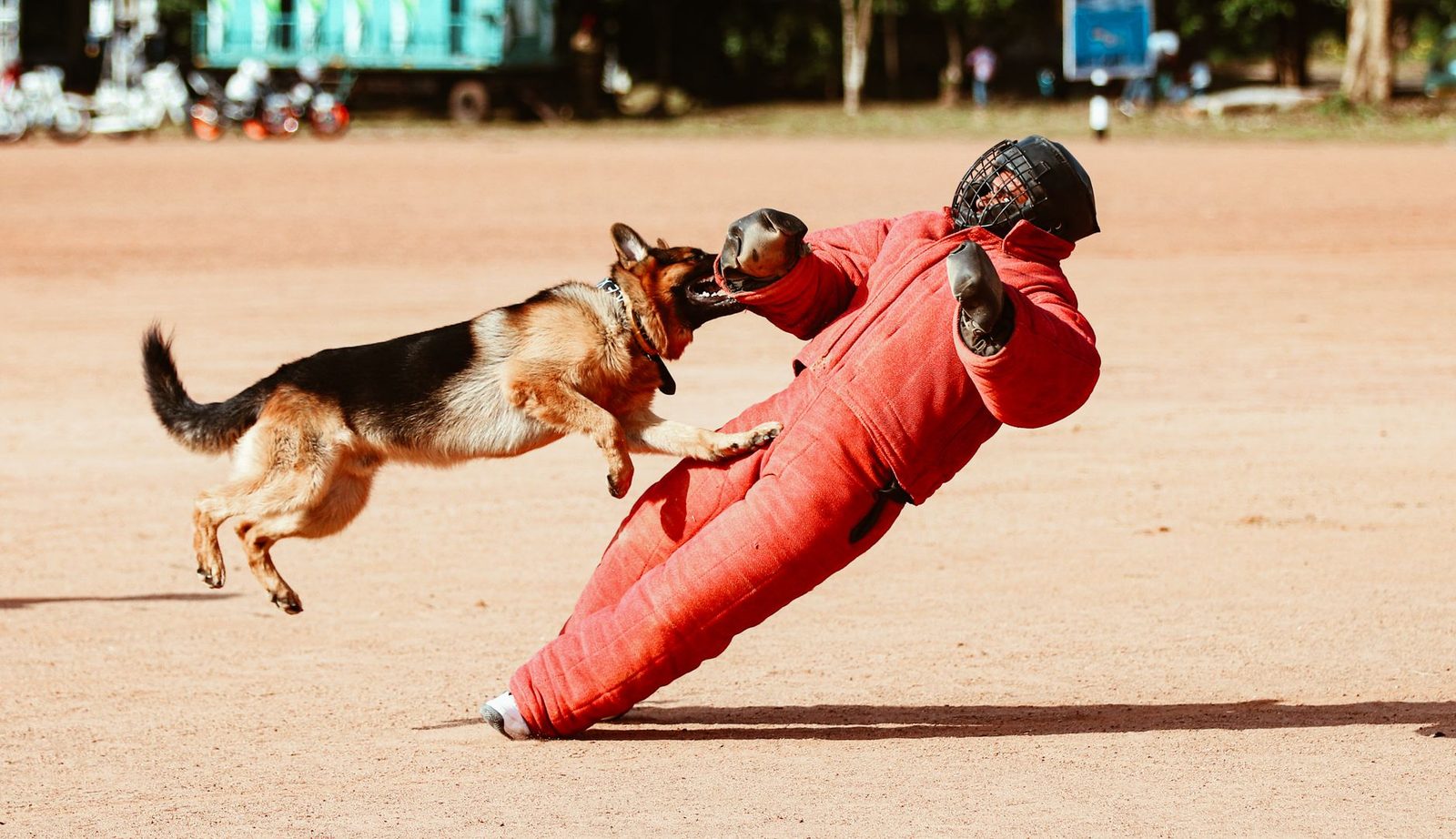
Next Steps: Get Your Free Case Review
If you were bitten by a dog on rental property and aren’t sure whether the landlord bears responsibility, you have a potential claim. Many people in your situation can reach out to us—and we help them understand their options and recover the damages they deserve.
Call us or request a free consultation online. We’ll review the facts, explain your rights, and tell you what comes next. There’s no obligation and no upfront cost.
Important: Liability Isn't Automatic
A landlord's responsibility for a tenant's dog bite depends on what they knew about the dog's dangerous behavior and what they failed to do about it. A 'no pets' clause in the lease doesn't shield a landlord who knew about the dog and took no action.
When a Landlord May Be Liable
Knowledge of Danger
The landlord knew (or should have known) the dog had dangerous tendencies—prior bites, aggressive behavior, or complaints from other tenants.
Failure to Act
Despite knowing about the danger, the landlord did nothing: no eviction, no requirement to remove the dog, no warning to visitors.
Your Injury
You were bitten or otherwise injured by the dog while lawfully on the property—at the entrance, in a common area, or during a permitted visit.
Causation
The landlord's inaction directly led to your injury. The dog wouldn't have bitten you if the landlord had taken reasonable steps.
Why Choose Slam Dunk Attorney
Focused on Your Case
We focus exclusively on personal injury claims—car accidents, dog bites, premises liability, and more. Your case gets dedicated attention.
Transparent, Empathetic Approach
We explain the law in plain language and listen to your story. No pressure, no jargon—just honest counsel about your options.
No Fees Unless There's a Recovery
We work on contingency: no attorney fees unless we recover compensation for you. You may still owe case costs. We'll discuss this upfront.
Serving Metro Atlanta & Georgia
Based in Duluth, Georgia, we represent injured people across the Atlanta metro area and throughout Georgia.
Common Questions About Landlord Dog Bite Liability
Is the landlord always liable if a tenant's dog bites me?
No. Liability depends on whether the landlord knew or should have known about the dog's dangerous propensity and failed to take action.
What if the lease says 'no pets'?
A lease violation doesn't automatically shield the landlord from liability. If the landlord knew about the dog and did nothing, they may still be responsible.
What counts as 'knowing' about a dangerous dog?
The landlord might have known through prior complaints, prior bites, visible aggressive behavior, or reports from other tenants or neighbors.
Can I recover medical bills and other losses?
If the landlord is liable, compensation may cover medical expenses, lost wages, pain and suffering, and other damages. We'll evaluate your specific situation.