
Dog Bites | Duluth, Georgia
Dog Bite Quarantine Rules in Georgia: What Injured People Should Know
A dog's observation period can shape the steps that follow a bite, and a clear picture of your situation makes those steps easier to plan.
By Peter F. Jaraysi · Published November 16, 2026
The 10 day rule in dog bite cases is a 10-day observation period for an animal that has bitten someone. If the animal stays healthy during that window, it is generally considered unlikely to have had rabies at the time of the bite. It is a public health step, not a deadline for filing an injury claim.
If you were bitten, or you are caring for someone who was, this rule can feel like one more thing to track. This page explains the 10 day rule in plain terms, separates it from the legal clock, and lists the steps to take now.
What the 10 day rule means for a dog bite
The 10 day rule is a monitoring period for an animal that has bitten a person. Most often it applies to dogs, though cats and ferrets can be handled the same way. The animal is watched for 10 days after the incident.
Georgia counties use this 10-day approach in their own procedures.
The rule is a public health step. It is not a deadline for filing an injury claim, and it does not decide who is at fault. For the person bitten, the observation can mean days of uncertainty while the animal is watched.
If a dog bite has left you or someone you love hurt and waiting on answers, our team is ready to talk, and the first consultation is free. Talk it through with our team — the first consultation is free, confidential, and carries no obligation.
Why the observation period exists
The observation exists because rabies can be carried in an animal’s saliva before the animal shows any sign of illness. Rabies is a serious virus. The 10 days give officials a way to learn the animal’s health before decisions about the bite victim’s care are made.
If the animal stays healthy through the 10 days, it is generally considered unlikely to have had rabies at the time of the bite. If it becomes ill, dies, or is euthanized during the observation, it can be tested for rabies.
Here is the mistake many people make. They treat a healthy animal’s result as the end of the medical question. The result helps guide decisions, but it does not replace a medical evaluation of the wound. Decisions about treatment are made with a physician and the local health department. Keep the timeline and the animal’s details written down so the health department has them.
Who runs the observation and what it involves
Local animal control or the county health department usually sets up and tracks the observation. The details depend on the county and the facts of the bite.
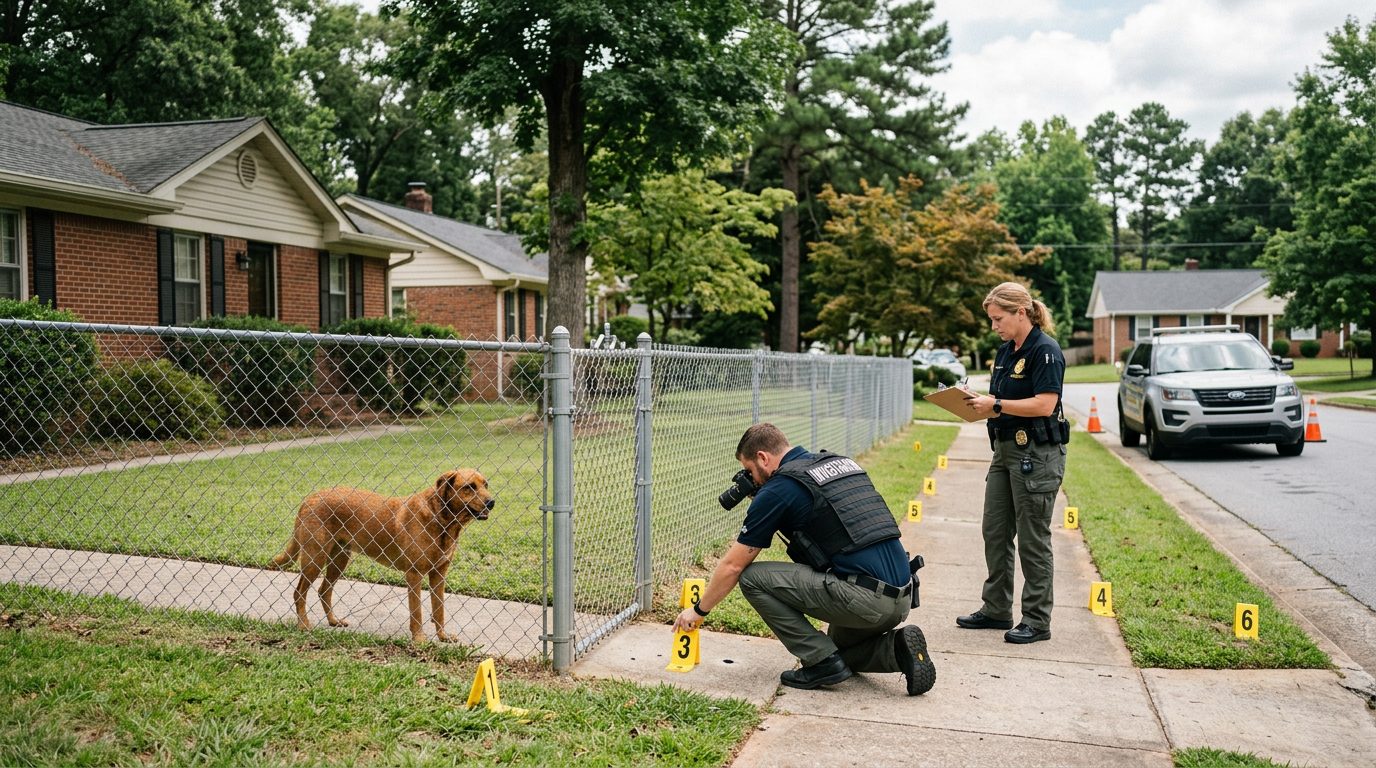
Some animals stay at the owner’s home under confinement. Others are held at a shelter or veterinary facility.
Georgia’s animal liability law works alongside these rules. Under O.C.G.A. § 51-2-7, an owner or keeper of a vicious or dangerous animal may be liable if careless management or letting the animal go at liberty causes injury to a person who did not provoke it. If a local leash ordinance applied and the dog was off leash, that alone can be enough to show vicious propensity.
Signs of rabies to watch for in the animal
Watch the animal closely for any change in behavior during the 10 days. Unusual aggression, restlessness, or unusual shyness or withdrawal can all be warning signs.
Physical changes matter too. Watch for fever, trouble swallowing, heavy drooling, trouble walking, or weakness, including paralysis. Symptoms may come on gradually, so keep watching through the full 10 days.
Report any sign of illness to animal control or the health department right away. Don’t try to handle a sick animal yourself. If you are unsure whether a sign is serious, report it anyway.
Owners and families often feel torn here. The animal may be a friend’s pet or a neighbor’s dog, and reporting can feel like causing trouble. A report protects the person who was bitten and anyone else the animal meets. Write down what you see, with dates and times. Clear notes help officials and any doctor who needs to understand the animal’s status.
Frequently asked questions about the 10 day rule
Here are short answers to the questions people ask most. Each answer is brief, and the details of your case may change the picture.
How long should a cat be quarantined for rabies?
A biting cat is generally observed on the same 10-day approach as a dog. Local animal control sets the details for each case.
Does the 10 day rule apply to vaccinated animals?
Vaccination records are a factor officials weigh, so bring them to animal control and the health department.
Is 30 days too late for a rabies vaccine?
Whether treatment still makes sense is a medical decision for a physician and the local health department. Prompt medical evaluation is the step that matters now.
How much time do I have after a dog bite?
Two separate clocks apply: the 10-day observation of the animal, and the deadline to sue. Under O.C.G.A. § 9-3-33, actions for injuries to the person must generally be brought within two years after the right of action accrues, except for actions for injuries to the person involving loss of consortium, which must be brought within four years after the right of action accrues.
The 10 day rule and an injury claim: what to do now
Get medical care for the wound promptly, even if it looks minor. Tell the provider about the bite and the animal’s status, including whether it is being observed.
Report the bite to animal control or the health department. Ask for the observation details in writing, including the start and end dates of the 10 days.
Keep a file of useful facts. Include the owner’s name and contact details, the date and place of the bite, photos of the wound, medical bills, and any messages with the owner or insurer.
Georgia’s shared-fault rules can also matter. If the person who was bitten shares some blame, that can affect what they recover. Write down your own account while the details are fresh, and stick to facts you saw and heard.
Not sure what your next step is?
Talk it through with our team — the first consultation is free, confidential, and carries no obligation.
Talk with our team about your dog bite questions
A bite, the wait for an animal’s results, and the paperwork can feel overwhelming. That is especially true when the injured person is a child or a family member.
Slam Dunk Attorney is based in Duluth, Georgia, and its lawyers handle dog bite matters across Georgia. Gathering your records early makes the first talk more useful.
If a dog bite has left you or someone you love hurt and waiting on answers, our team is ready to talk, and the first consultation is free. It is confidential, with no obligation to continue. Contact our team to start.
This page is general information, not legal advice. Peter F. Jaraysi is the responsible lawyer for this page at Slam Dunk Attorney, based in Duluth, Georgia. Contact the firm through the contact page.
How our team approaches dog bite cases
Focused on injured people
Our Duluth firm represents people hurt in dog bite incidents across metro Atlanta and Georgia, and we take time to understand what happened to you.
Organized records
We help gather medical bills, photos, witness details, and animal control reports so your story is complete.
Early attention
Medical care and early records matter, so it helps to talk with us soon after a bite.
Plain-language guidance
We explain each step of the process in clear terms, so you know what to expect.
Get medical care first
Dog bites can cause infections and deep wounds that are not always visible. Seek medical attention right away, keep copies of every bill and record, and do not wait for any official process to finish before getting help.
Details that help us understand your situation
The dog and its owner
Note the dog's breed, its owner's name and address, and whether the owner was present.
Where it happened
Record the location, such as a home, yard, park, or rental property, and whether the dog was on or off a leash.
Animal control involvement
If a report was filed or the dog was taken for observation, keep the case number and contact details.
Your medical care
Save discharge papers, treatment notes, prescriptions, and photos of your injuries as they heal.