
Dog Bites · Duluth, Georgia
Bitten by a Dog in Georgia? Start With a Free Case Review.
Talk with our team about what happened, what it may mean for you, and what steps to take next.
By Peter F. Jaraysi · Published November 22, 2026
If a dog has bitten you or someone you care about, you may be asking whether the first bite matters: does Georgia have a one-bite law for dog bites? Many people wonder who pays when a dog bites someone for the first time, and Georgia law does not hold every owner responsible after a single bite. Liability turns on the dog’s behavior and how the owner controlled the animal. This page explains the state statute in plain words, the facts that often matter, and the steps that can protect you.
Short answer: does Georgia have a one-bite law for dog bites?
Georgia’s dog bite liability provision is found in O.C.G.A. § 51-2-7.
The real questions are about the dog’s behavior, the owner’s control, and the facts of the incident. Every case turns on its own facts. The same bite can look very different depending on where and how it happened.
Two people bitten by the same dog can face different questions. One may have a clear record of the dog acting dangerously. The other may have no such history. The rest of this page explains each question and the evidence that answers it.
Not sure what your next step is?
Talk it through with our team — the first consultation is free, confidential, and carries no obligation.
The Georgia dog bite statute and the owner’s knowledge
Georgia’s statute lets an injured person seek damages from someone who owns or keeps a vicious or dangerous animal. Under O.C.G.A. § 51-2-7, that owner or keeper may be liable when careless management, or letting the animal go at liberty, causes injury. The statute also says the injured person must not have provoked the injury by his or her own act. That point matters. A person who taunted or hit the dog may face a different outcome.
Each dog bite situation is different, and questions about the dog’s history and the circumstances of the bite can matter.
What shows that tendency? Past aggressive acts, complaints from neighbors, warnings given to the owner, and an earlier bite can all help. Each one can show the owner had reason to know the dog was dangerous.
A first bite with no earlier history still raises questions. Was the dog provoked? Had the owner ever seen it act aggressively? How was the dog kept? Those facts can still matter a great deal.
Leash law violations and the leash law substitution doctrine
A leash violation can stand in for some proof of vicious propensity. The statute says that proving vicious propensity is sufficient when a city, county, or consolidated government ordinance required the animal to be at heel or on a leash, and the animal was not at heel or on a leash when the incident happened. Some writers call this a leash law substitution. The label matters less than the rule itself.
Here is a simple example. A dog slips its leash in a park where a local leash ordinance applies, then bites a jogger. The leash fact can change the analysis, even if no earlier aggression is known.
The statute’s leash-ordinance rule does not apply to domesticated fowl, including roosters with spurs, or to domesticated livestock. Those are not typical dog bite facts, but the exclusions show how narrowly the statute is drawn.
Leash ordinances differ from one city and county to another. The place where the bite happened matters. If you can, write down the location, whether the dog was restrained, who held the leash, and what the dog was doing just before the bite.
Dangerous and vicious dog designations in Georgia
A formal designation from local authorities is one piece of evidence, not the whole case. Animal control may label a dog as dangerous or vicious after an incident or a complaint. That label can help show what the owner and officials knew. A missing label means you need other proof, not that the question is closed.
Animal control and bite records can matter too. Bite reports, field notes, and quarantine records may show what happened, where the dog was kept, and whether there were earlier complaints. Local procedures vary. That is a county procedure, not a rule of Georgia state law. It still shows why local records matter.
Ask the responding animal control agency whether a bite report was filed. Keep copies of anything you receive. Note the report number and the officer’s name if you have them.
Proving the dog’s viciousness without a prior bite
Proof of a dog’s tendencies can come from behavior short of a bite. Growling, lunging at a fence, chasing joggers, or threatening visitors can all point to a dog’s tendencies. Neighbors, mail carriers, and other dog walkers may have seen these things firsthand.
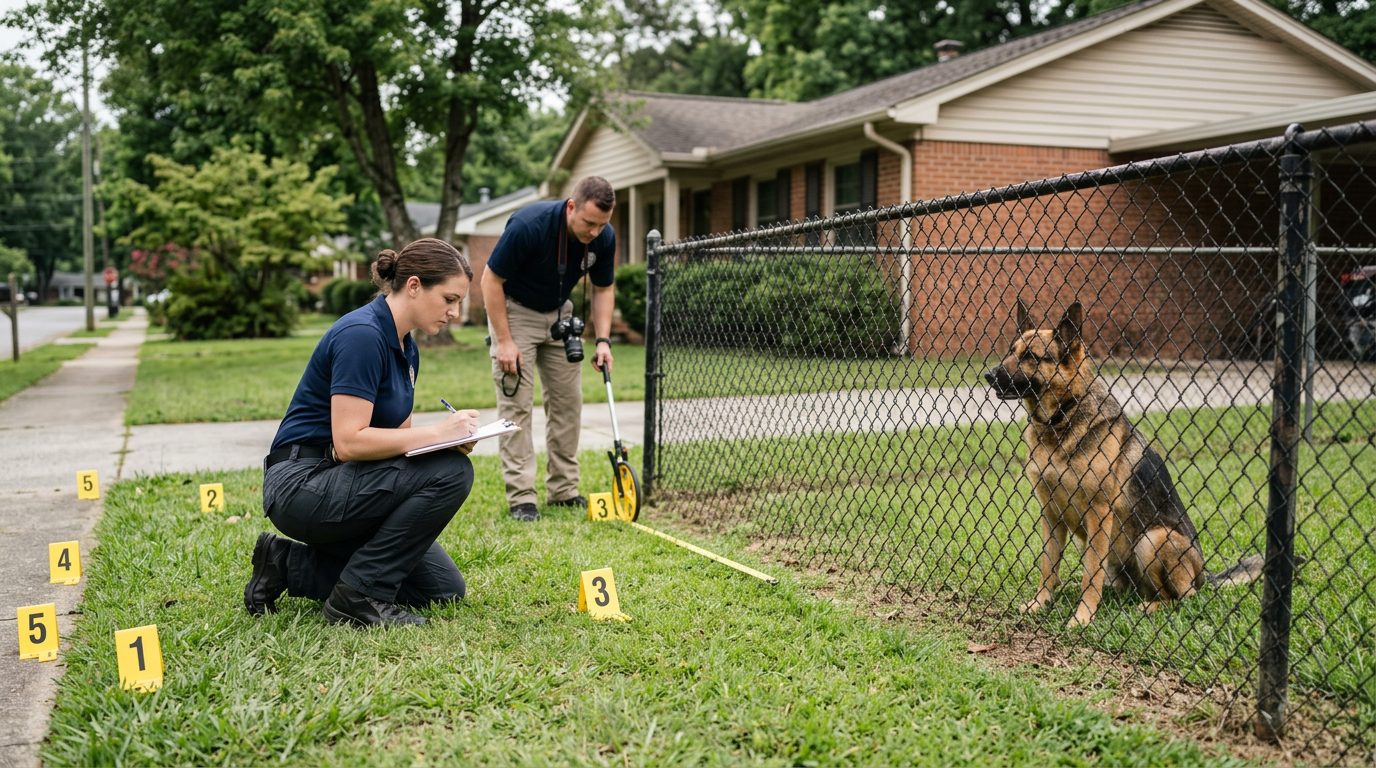
Timing matters. Witness names and phone numbers are easy to lose. Photos of wounds, a gap in a fence, or a broken leash, taken soon after the bite, can preserve facts that fade. Save texts, emails, and social media posts about the dog. Do not delete anything, even posts that seem unhelpful, because deleted material can cause problems later.
The owner’s own words count too. If the owner admitted the dog had growled at visitors or had been loose before, those statements can matter. Write down exactly what was said, when, and who heard it.
How strong this proof is depends on the facts of each case. A single clear witness with firsthand knowledge may help more than several vague reports.
Who counts as the owner, and child bite cases
The statute covers a person who owns or keeps a vicious or dangerous animal and who, by careless management or by allowing the animal to go at liberty, causes injury to another person who does not provoke the injury by his own act. Liability is not limited to the name on a license. A person who cares for or controls the dog in practice, such as a relative or a roommate, may fall within the statute’s reach. The facts decide who kept the dog at the time of the bite.
Child bites raise different practical questions. A parent or guardian usually takes the lead. That person may handle medical visits, records, and decisions about the claim. The child’s age and the setting of the bite also shape the facts. A bite at home, in a neighbor’s yard, or in a public park can raise different questions about control and notice.
Time limits still apply. Under O.C.G.A. § 9-3-33, except as otherwise provided in this article, actions for injuries to the person must be brought within two years after the right of action accrues. Loss of consortium claims have four years under the same section. Do not assume a child’s case has more time than the statute allows.
Not sure what your next step is?
Talk it through with our team — the first consultation is free, confidential, and carries no obligation.
What to do after a dog bite in Georgia
Start with medical care, and tell the doctor it was a dog bite. Ask about rabies.
Then protect the facts. Photograph wounds over several days, the scene, and any torn clothing. Collect the owner’s name, address, and insurance details if you can. Get witness names and phone numbers. Report the bite to local animal control.
Many dog bite claims involve the owner’s liability insurance. Your claim may move through that coverage, so keep every letter and call note.
Georgia also reduces damages when the injured person shares fault. Under O.C.G.A. § 51-12-33, the judge reduces the damages in proportion to the plaintiff’s percentage of fault. Under subsection (g), a plaintiff who is 50 percent or more responsible for the injury or damages claimed receives no damages. Your own conduct can affect the result, so stay factual when you describe the bite.
Talk with our team about your dog bite situation
Many people research this after a frightening bite. They are still dealing with doctors, bills, and questions about the owner. You may be reading this for yourself, for a child, or for a family member who cannot manage it alone.
The decision in front of you is whether to speak with a lawyer about the owner’s responsibility under Georgia law. Our team at Slam Dunk Attorney can review your facts in a free, confidential initial consultation, with no obligation to continue. You can reach us through our contact page.
Quick answers
The statute says that showing an ordinance of a city, county, or consolidated government required the animal to be at heel or on a leash, and that the animal was not at heel or on a leash at the time of the occurrence, is sufficient to prove vicious propensity (O.C.G.A. § 51-2-7).
How long do I have to file an injury claim?
Georgia’s general deadline for injuries to the person is two years after the right of action accrues, except that loss of consortium claims must be brought within four years, while injuries to reputation must be brought within one year (O.C.G.A. § 9-3-33).
Does the injured person’s own fault matter?
Yes. Damages are reduced by the injured person’s share of fault and are barred at 50 percent or more (O.C.G.A. § 51-12-33; Quynn v. Hulsey (2020)).
Disclaimer: This page gives general information about Georgia law. It is not legal advice, and reading it does not create an attorney-client relationship. Responsible lawyer: Peter F. Jaraysi, Slam Dunk Attorney, Duluth, Georgia. Contact us through our contact page.
How Our Firm Approaches a Dog Bite Case
Listening First
We start by hearing how the bite happened, who was involved, and what medical care you have needed.
Careful Documentation
Our team helps gather medical records, photos, witness details, and animal control reports that describe the incident.
Clear Explanations
We explain the legal questions in plain language so you can make informed decisions about your case.
Respect for Your Recovery
We understand that physical and emotional healing come first, and we work to keep the process manageable for you.
Keep Your Records
Seek medical attention for any bite, even if the wound looks minor. Keep copies of every medical bill, prescription, and appointment note, and write down what you remember about the incident while it is still fresh.
Steps to Take After a Dog Bite
Get Medical Care
Visit a doctor or urgent care promptly. Infections from animal bites can develop quickly, and a medical record documents your injuries.
Report the Bite
Ask local animal control or the appropriate authority to record the incident. An official report can be important later.
Document the Scene
Photograph your injuries, the location, and any visible conditions. Collect the names and contact details of anyone who saw what happened.
Speak With Our Team
Contact Slam Dunk Attorney for a free, confidential consultation. We will review the details of your bite and discuss your options.