

Dog Bite Law in Georgia
What Georgia Law Actually Says About Dog Bites and Breed
Breed restrictions exist in some Georgia cities, but liability depends on what the law requires—and what happened. Here's what you need to know.
By Peter F. Jaraysi · Published September 24, 2026
Breed-Specific Dog Bite Liability in Georgia: What the Law Actually Says
Georgia does not have a statewide breed ban or breed-specific dog bite statute. That’s the first thing to know. Liability in Georgia dog bite cases rests on the owner’s negligence and Georgia’s strict liability rule—not on a dog’s breed or breed classification alone.
If you’ve been bitten, or if your dog has bitten someone, breed is likely less important to your legal position than the circumstances of the incident, the owner’s knowledge of the dog’s behavior, and what you can prove. This page explains what Georgia law actually says and clears up common misconceptions that can mislead injured parties and dog owners alike.
If you've been bitten or your dog has bitten someone, the breed may matter less than you think—but the facts of your situation matter a lot. Reach out to discuss what actually applies to your case. Talk it through with our team — the first consultation is free, confidential, and carries no obligation.
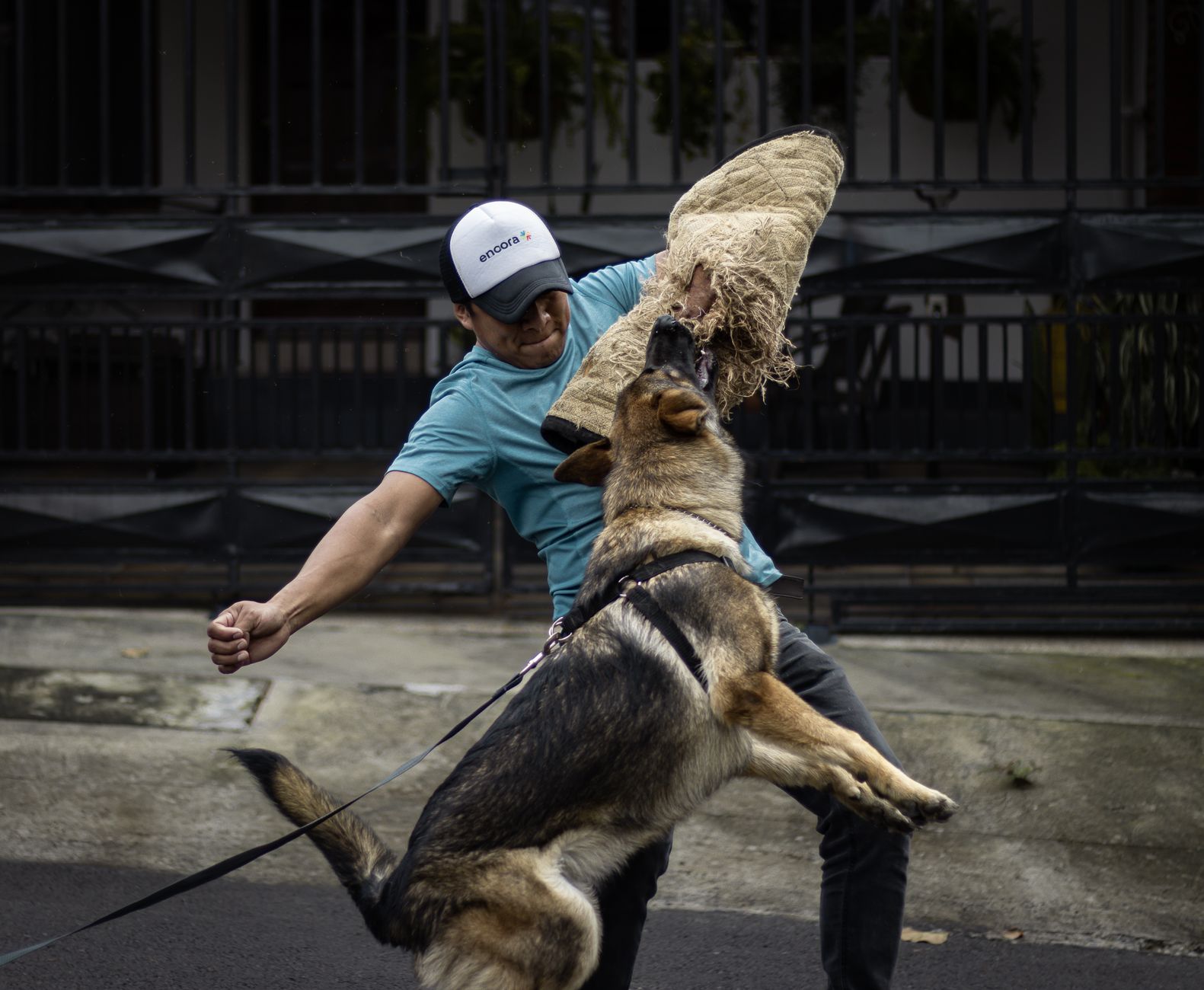
Does Georgia Have Breed-Specific Dog Bite Laws?
No—Georgia law does not automatically hold owners liable based solely on a dog’s breed.
While some states and cities have enacted breed-specific legislation (bans on certain breeds or breed-specific liability rules), Georgia has chosen a different approach. The state’s dog bite liability framework focuses on the individual dog’s behavior and the owner’s conduct, not breed designation.
This distinction matters because it means that a dog’s breed alone cannot be the reason an owner is found legally responsible. Instead, Georgia courts and the legal system look at what the owner knew, what precautions they took, and what actually happened when the bite occurred.
Georgia’s Actual Dog Bite Liability Framework
Georgia operates under a strict liability rule for dog bites: an owner is liable for injuries caused by their dog’s bite, even if the owner was not negligent and the dog had no prior history of aggression.
This rule applies regardless of the dog’s breed. Under Georgia’s strict liability standard, if a dog bites someone, the owner is responsible for the injured person’s damages. The injured party does not have to prove the owner was careless or knew the dog was dangerous.
Owners are also liable under a negligence theory if they knew (or should have known) the dog was dangerous and failed to control or restrain it. This second path to liability focuses on the owner’s conduct: Did they ignore warning signs? Did they fail to use a leash or secure containment? Did they ignore complaints from neighbors or animal control?
The law’s focus is on the individual dog’s behavior and the owner’s actions—not the breed itself.
How Breed Can Factor Into a Dog Bite Claim
While breed alone does not create liability, evidence about a dog’s breed may be relevant to proving negligence or demonstrating that an owner should have exercised greater care.
For example, if an owner knew a particular dog—regardless of breed—had aggressive tendencies, that knowledge strengthens a negligence claim. If a dog is large or powerful, an owner may have a duty to use stronger containment, a muzzle, or closer supervision. Breed can be evidence of the owner’s responsibility to take those precautions.
In premises liability cases (injuries that happen on someone’s property), a property owner’s knowledge of a dog’s breed or size may factor into whether they took reasonable steps to protect visitors. If a landlord knew a tenant had a large or powerful dog, for instance, they may have had a duty to warn guests or require additional security measures.
Courts may also consider breed as context for understanding the severity of injuries—a larger dog may cause more serious harm—but breed is not automatic proof of liability.
Common Misconceptions About Breed and Georgia Dog Bite Law
Myth: Certain breeds are automatically “dangerous” under Georgia law.
Reality: Georgia law does not designate specific breeds as inherently dangerous. Liability depends on the individual dog and owner conduct, not breed classification.
Myth: A dog bite claim is stronger if the dog is a “dangerous breed.”
Reality: Breed is one potential factor among many. The strength of a claim depends on evidence of the owner’s negligence, knowledge of the dog’s dangerous propensities, and the circumstances of the bite.
Myth: Breed-specific insurance restrictions mean the breed is legally dangerous in Georgia.
Reality: Insurance company policies are separate from Georgia law. Insurers may have their own underwriting rules that do not reflect Georgia’s legal standard for liability. An insurer’s refusal to cover a certain breed does not mean that breed is legally dangerous under state law.
Myth: A dog with no prior incidents cannot result in owner liability if it bites.
Reality: Georgia’s strict liability rule means an owner is liable for a bite even if the dog had no history of aggression. The dog does not need a “dangerous dog” designation or prior incidents.
What Matters Most in a Georgia Dog Bite Liability Case
Focus on these factors instead of breed:
The dog’s actual behavior and history. Did the owner know the dog had aggressive tendencies? Was the dog previously reported to animal control? Did neighbors complain? These facts strengthen a negligence claim.
The owner’s actions. Did they fail to restrain, supervise, or warn about the dog? Did they ignore complaints or warning signs? Did they violate local leash laws or containment ordinances?
The circumstances of the bite. Where did it happen? Was the injured person lawfully present? Did the owner take reasonable precautions? Was the dog provoked?
Evidence of injury. Medical records, photographs, and witness statements documenting the bite and its severity are critical to proving damages.
Local ordinances. Some Georgia cities and counties may have additional regulations about dangerous dogs, containment, or licensing. Violating a local ordinance can strengthen a negligence claim.
Not sure what your next step is?
Talk it through with our team — the first consultation is free, confidential, and carries no obligation.
Breed-Specific Ordinances in Metro Atlanta and Georgia Cities
While Georgia state law does not ban breeds, some local jurisdictions may have their own ordinances addressing dangerous dogs or specific containment requirements.
These local rules vary by city and county. Some jurisdictions may reference breed, size, prior incidents, or owner conduct. A local ordinance might require certain dogs to be muzzled in public, kept behind secure fencing, or licensed as “potentially dangerous.”
If an owner violated a local ordinance—for example, failing to comply with a leash law or containment requirement—that violation can strengthen a negligence claim. It shows the owner did not meet the standard of care required by their community.
Understanding your local jurisdiction’s rules is important when evaluating liability and damages. An attorney familiar with your specific city or county can identify applicable local regulations that may support your claim.
If You’ve Been Bitten or Your Dog Has Bitten Someone
If you were bitten:
Document the injury with photos and medical records. Get the dog owner’s information and homeowner’s insurance details. Report the bite to local animal control. Gather witness statements from anyone who saw what happened. These steps create a record and preserve evidence.
If your dog bit someone:
Do not assume you are automatically liable—but do not ignore the incident either. Notify your homeowner’s or renters insurance immediately. Do not make statements to the injured party without legal guidance. Contact an attorney before the situation escalates.
Remember: Breed is one piece of context, not the deciding factor in Georgia dog bite law. What matters is what you can prove about the dog’s behavior, the owner’s knowledge, and the circumstances of the bite. The specifics of your situation—where you live, what happened, and what evidence exists—determine your legal position and next steps.

Frequently Asked Questions
Does Georgia law hold dog owners liable for bites regardless of the dog’s breed?
Yes. Under Georgia’s strict liability rule, owners are liable for bites even if the dog had no prior history of aggression or dangerous behavior. Breed does not change this standard.
Can I be held liable for a dog bite if my dog had no prior incidents?
Yes. Georgia’s strict liability rule means you can be liable even if your dog has never bitten anyone before. Prior incidents are not required.
What local ordinances in metro Atlanta address dangerous dogs?
Local rules vary by city and county. Some jurisdictions have leash laws, containment requirements, or “dangerous dog” designations. An attorney familiar with your area can identify what applies to your situation.
Is a pit bull automatically considered dangerous under Georgia law?
No. Georgia law does not designate any breed as automatically dangerous. Liability depends on the individual dog’s behavior and the owner’s conduct.
What should I do immediately after being bitten by a dog in Georgia?
Seek medical attention, document injuries with photos, get the owner’s information and insurance details, report the bite to animal control, and gather witness statements.
If you’ve been bitten and you’re trying to understand whether the dog’s breed matters to your claim—or if your dog has bitten someone and you’re worried about what breed-specific rules might mean for your liability—the facts of your situation matter far more than the breed itself. People in these situations reach out regularly to understand their actual legal position. We can help you sort through what applies in your case and what your next steps should be. Contact us for a free consultation.
Key Point: Georgia's Liability Standard
Under Georgia law (O.C.G.A. § 51-2-7), a dog owner is generally liable for injuries if the dog was known to be vicious or dangerous, or if the owner failed to control it as required by local law. Breed alone does not automatically create liability—but local ordinances in Atlanta, Marietta, Alpharetta, and other metro Atlanta cities may impose their own rules about dangerous dogs, restricted breeds, or leash requirements. Violating those rules can affect liability.
What Matters in a Georgia Dog Bite Claim
Owner Knowledge
Did the owner know the dog had bitten, attacked, or shown aggressive behavior before? Georgia law looks at what the owner knew or should have known about the dog's dangerous propensity.
Local Ordinances
Many Georgia cities classify certain breeds as dangerous or require specific containment, licensing, or muzzling. Failure to follow local rules can establish liability even if the dog had no prior incidents.
Control and Containment
Was the dog properly restrained, fenced, or supervised? Negligent control—leaving a dog loose, off-leash in a public area, or unsecured on a property—can create liability regardless of breed.
Circumstances of the Bite
Where did the bite happen? Was the victim lawfully on the property? Was the dog provoked? The context matters to establishing what the owner should have done to prevent injury.
How We Help Dog Bite Victims
We Know Georgia's Rules
We understand how O.C.G.A. § 51-2-7 applies to your situation, and we're familiar with the dangerous-dog ordinances in Atlanta, Lawrenceville, Johns Creek, Alpharetta, Marietta, Norcross, Kennesaw, and Dunwoody.
We Investigate What Happened
We gather evidence about the dog's history, the owner's knowledge, local ordinance violations, and the circumstances of the bite—not just breed classification.
We Explain Your Options
We'll walk you through what Georgia law says about your claim, what recovery may be possible, and what to expect next in plain language.
We Handle the Process
From initial consultation through settlement or trial, we manage communications with the owner's insurance company and handle the legal work so you can focus on recovery.
If You or a Loved One Was Bitten
Related practice areas
- Georgia Dog Bite Lawyer | Slam Dunk Attorney
- Dog Bites in Lawrenceville
- Dog Bite Public Place Georgia Claim: Parks, Trails