
Dog Bite Injuries | Duluth, Georgia
Hurt by a Dog in Georgia? Start With the Facts.
Plain-language answers on dog bite injuries from Slam Dunk Attorney, a Duluth, Georgia personal injury firm serving metro Atlanta and surrounding communities. Our first consultation is free, confidential, and carries no obligation to continue.
By Peter F. Jaraysi · Published October 30, 2026
Quick Answer: How Georgia Law Protects Dog Bite Victims
What are the legal protections for dog bites in Georgia? The short answer is that Georgia’s animal liability statute lets an injured person seek damages from the dog’s owner or keeper. That applies when the owner or keeper of a vicious or dangerous animal, by careless management or by allowing the animal to go at liberty, causes injury to a person who does not provoke the injury by his own act. O.C.G.A. § 51-2-7
Three questions drive most of these claims. Who owned or kept the dog? Was the dog vicious or dangerous? Did the owner fail to use ordinary care? This guide answers each question in plain language. It also covers fault sharing, deadlines, and the records that matter.
If you were bitten, or you are researching for a child or family member, the details below can help you organize what you know. You don’t need to have every answer yet.
If a dog bite has left you hurt and worried about bills, you may have a claim, and our team can review your facts with you at no cost. Talk it through with our team — the first consultation is free, confidential, and carries no obligation.
Who Can Be Held Responsible: The Owner or Keeper
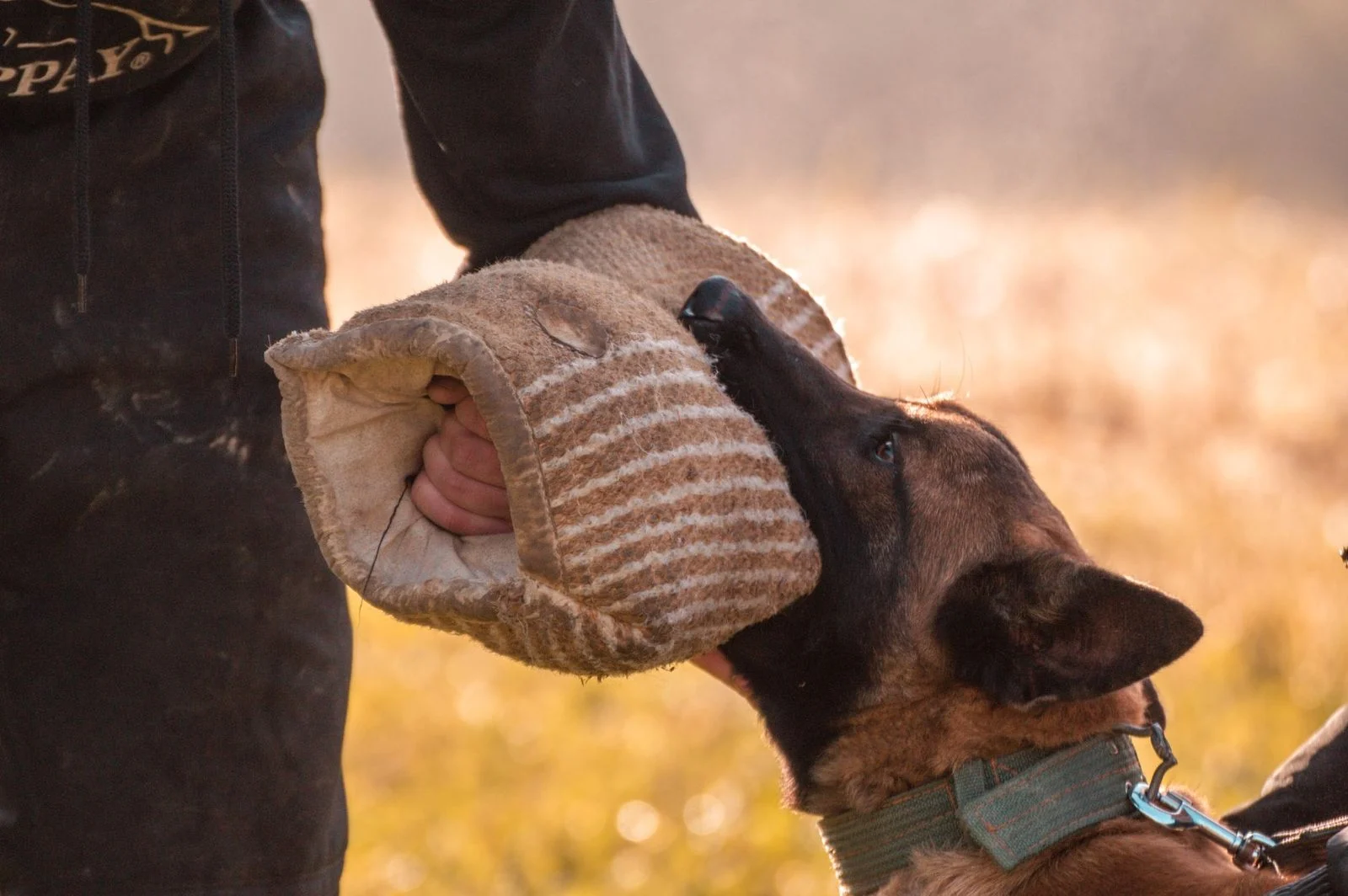
Liability usually falls on the person who owns the dog or keeps it at the time of the bite. The statute uses the words “owns or keeps,” so control matters as much as legal ownership.
A keeper can be a household member, a relative watching the dog, a tenant, a dog walker, or a business that had the animal in its care. When a dog belongs to a relative or tenant, the key question is who handled the dog day to day. A lease, a boarding receipt, or a text about who walked the dog can help show that.
The injured person does not have to be a stranger to the household. Visitors, delivery workers, neighbors, and children can all be hurt. Children are often among dog bite victims, according to the American Veterinary Medical Association’s dog bite prevention resource.
Write down the owner’s name and address, who was home, and who had the leash or gate key. These details help identify the right party from the start.
The Vicious or Dangerous Dog: Why a Bite Count Isn’t the Test
Georgia’s statute asks whether the animal is vicious or dangerous.
The statute covers a person who owns or keeps a vicious or dangerous animal. That person may be liable if careless management, or letting the animal go at liberty, causes injury to someone who did not provoke it.
The leash rule is a practical point. If a city, county, or consolidated government ordinance requires a dog to be at heel or on a leash, and the dog was not, that can be enough to prove vicious propensity. The statute excludes domesticated fowl, including roosters with spurs, and domesticated livestock from that rule.
Past behavior can still matter. Earlier lunging, growling, snapping, or a prior bite can be useful evidence. Witness accounts, neighbor complaints, and vet or training notes can help show how the dog was likely to act.
Negligence: When the Owner Failed to Use Ordinary Care
A negligence claim asks whether the owner or keeper failed to use ordinary care. Georgia defines ordinary diligence as the care that ordinarily prudent people use under similar circumstances. The absence of that care is ordinary negligence. O.C.G.A. § 51-1-2
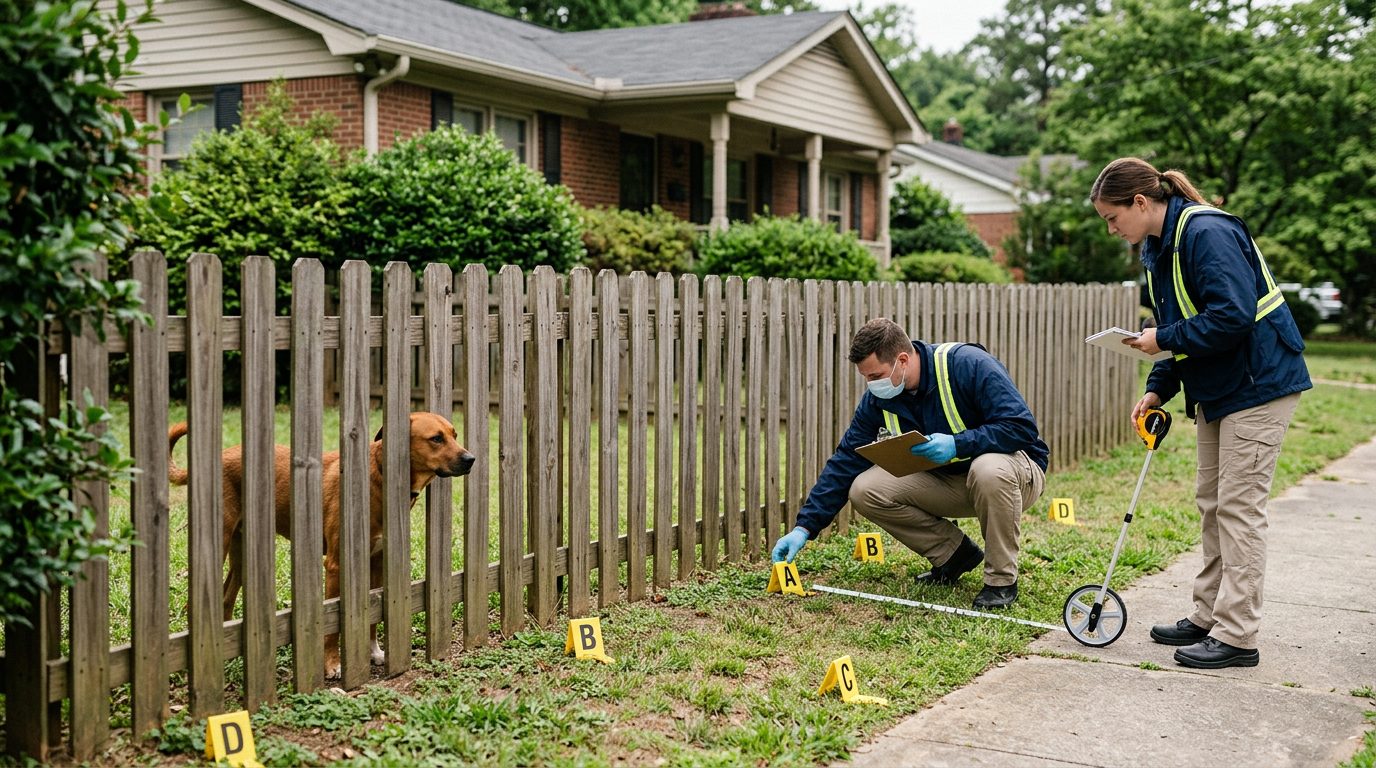
This route looks at how the dog was controlled. Common examples include an unlatched gate, a dog left loose near a sidewalk, or a dog not restrained in a shared yard or hallway. These examples show conduct a claim may examine. They are not a complete list.
A repair request for a broken fence or an earlier complaint about the dog getting loose can be important records.
Defenses Owners Commonly Raise: Provocation and Other Arguments
The most common defense is that the injured person provoked the dog.
Provocation means the person did something that caused the attack. Examples include teasing, hitting, cornering the dog, or reaching into a fenced yard. The question is what the injured person actually did, not what the owner says happened. Witnesses and video often answer that question.
Owners and insurers may also argue that the person was somewhere they should not have been. These points need a close look, not an assumption either way. A guest, a mail carrier, and a person who entered without permission may face very different facts.
How Comparative Fault Works in Georgia
Georgia uses modified comparative fault, which means shared fault (each party’s share of blame) reduces what you can recover. If you are 50 percent or more responsible, you cannot recover damages. O.C.G.A. § 51-12-33
Here is the math in plain terms. Suppose the total damages were set at some amount, and you were 20 percent at fault. The award would drop by 20 percent. At 49 percent at fault, you still recover, reduced by 49 percent. At 50 percent, the statute bars recovery.
When more than one party may share fault, the fact-finder considers everyone who contributed. Each liable person owes only their own share, not a joint share.
Because fault is decided on facts, the details of the bite carry real weight. Write down the sequence of events while you still remember it clearly.
Not sure what your next step is?
Talk it through with our team — the first consultation is free, confidential, and carries no obligation.
Deadlines, Medical Records, and Reporting the Bite
Georgia generally gives two years from the injury to sue for injuries to the person. Put that date on your calendar now. O.C.G.A. § 9-3-33 The same section gives four years for a loss of consortium claim, such as a spouse’s claim.
Get prompt medical care and keep every bill, record, and prescription. Under O.C.G.A. § 9-3-33, actions for injuries to the person generally must be brought within two years after the right of action accrues. The limit on medical expense damages to the reasonable value of medically necessary care is in O.C.G.A. § 51-12-1.1. The trier of fact decides that amount. O.C.G.A. § 51-12-1.1 Clear records that tie treatment to the bite help show what was necessary.
Local animal services offices handle bite reports, and county rules set enforcement steps. DeKalb County’s animal ordinance guidance describes how dangerous animal rules and follow-up measures work after an attack.
Take photos of your injuries over time. Note the location and time. Collect the owner’s contact details and any witness names. Save texts and emails with the owner or insurer.
Animal Control, Criminal Matters, and a Civil Injury Claim
An animal control case and a civil injury claim are separate processes. Animal control focuses on public safety and the animal. A civil claim seeks compensation from the owner or keeper for harm to you.
Some animal-related matters can also lead to criminal charges. Each track moves on its own schedule.
General damages are those the law presumes to flow from a wrongful act, and they may be recovered without proof of an exact amount (O.C.G.A. § 51-12-2). Special damages for medical and healthcare expenses are recoverable only as provided in O.C.G.A. § 51-12-1.1. Special damages actually flow from the act and must be proved (O.C.G.A. § 51-12-2). For medical and healthcare expenses, recovery is limited as provided in O.C.G.A. § 51-12-1.1. Medical expenses fall under the special damages rules for medical care. O.C.G.A. § 51-12-2
General damages are those which the law presumes to flow from any tortious act; they may be recovered without proof of any amount (O.C.G.A. § 51-12-2). The rule limiting damages to nominal amounts for small or mitigated injuries is in O.C.G.A. § 51-12-4. O.C.G.A. § 51-12-4
Is It Worth Pursuing a Dog Bite Claim?
Whether a dog bite claim is worth pursuing depends on the facts. Key factors include the dog’s history, how it was kept, the severity of the injury, the cost of care, available insurance, and the evidence you can gather.
A claim may address several kinds of loss. These can include medical bills, lost income, scarring, and the way the injury affects daily life. Where the entire injury is to feelings, Georgia law sets no fixed measure of damages.
No general information can predict how a particular matter will end. Each situation needs a review of its own facts.
Frequently Asked Questions
Does Georgia have a one-bite rule?
Georgia’s statute focuses on vicious or dangerous animals, not a set number of bites.
How long do I have to sue for a dog bite in Georgia?
Georgia generally allows two years after the right of action accrues to sue for injuries to the person, except loss of consortium claims, which have four years (O.C.G.A. § 9-3-33).
Can I recover damages if I was partly at fault?
Yes, if you are less than 50 percent at fault, but your award is reduced by your share of fault (O.C.G.A. § 51-12-33; Quynn v. Hulsey (2020)).
Do dog bites have to be reported?
Local animal services offices handle bite reports, and county guidance explains how enforcement works.
Talk With Our Team About Your Dog Bite
If a dog bite has you in pain, juggling medical visits, and wondering what the owner owes you, you don’t have to sort it out alone. Our team offers a free, confidential first consultation, without obligation to continue. Reach out through our contact page to talk through the dog, the bite, and the deadlines that may apply.
Responsible lawyer: Peter F. Jaraysi, Slam Dunk Attorney, Duluth, Georgia. Contact: https://slamdunkattorney.com/contact-us/. This page offers general information about Georgia law and is not a substitute for advice on your own case.
Steps that can help protect your claim
Get medical care right away
Even bites that look minor can cause infections or deeper injuries. A prompt medical evaluation protects your health and creates a record of your injuries.
Keep your medical records
Save discharge papers, bills, prescriptions, and notes from follow-up visits. Organized records make it easier to explain what happened and how it affected you.
Document the scene
If you can, photograph your wounds, the location, and any visible conditions such as a broken fence or missing gate. Write down what you remember while it is fresh.
Gather witness and owner details
Names, phone numbers, and contact information for witnesses, the dog's owner, and anyone who saw the incident can be valuable later.
Think before you speak with an insurer
Insurance representatives may contact you quickly and ask for a recorded statement. Before you give a statement or sign any paperwork, consider speaking with a lawyer about your situation.
Common dog bite situations we discuss
Bites on someone else's property
Injuries that happen at a neighbor's home, a friend's yard, or another private property often raise questions about who was responsible for the dog and the premises.
Bites at a rental or vacation home
Injuries at short-term rentals such as Airbnb or VRBO properties can involve both the animal's owner and the property's condition. We can talk through how these facts may apply to you.
Bites in public places
Incidents on sidewalks, in parks, or at businesses can involve different questions about the dog, the owner, and the location where the bite occurred.
Bites involving children
Children are often injured more severely by dog bites. Families have questions about medical care, documentation, and the next steps, and we are glad to listen.