
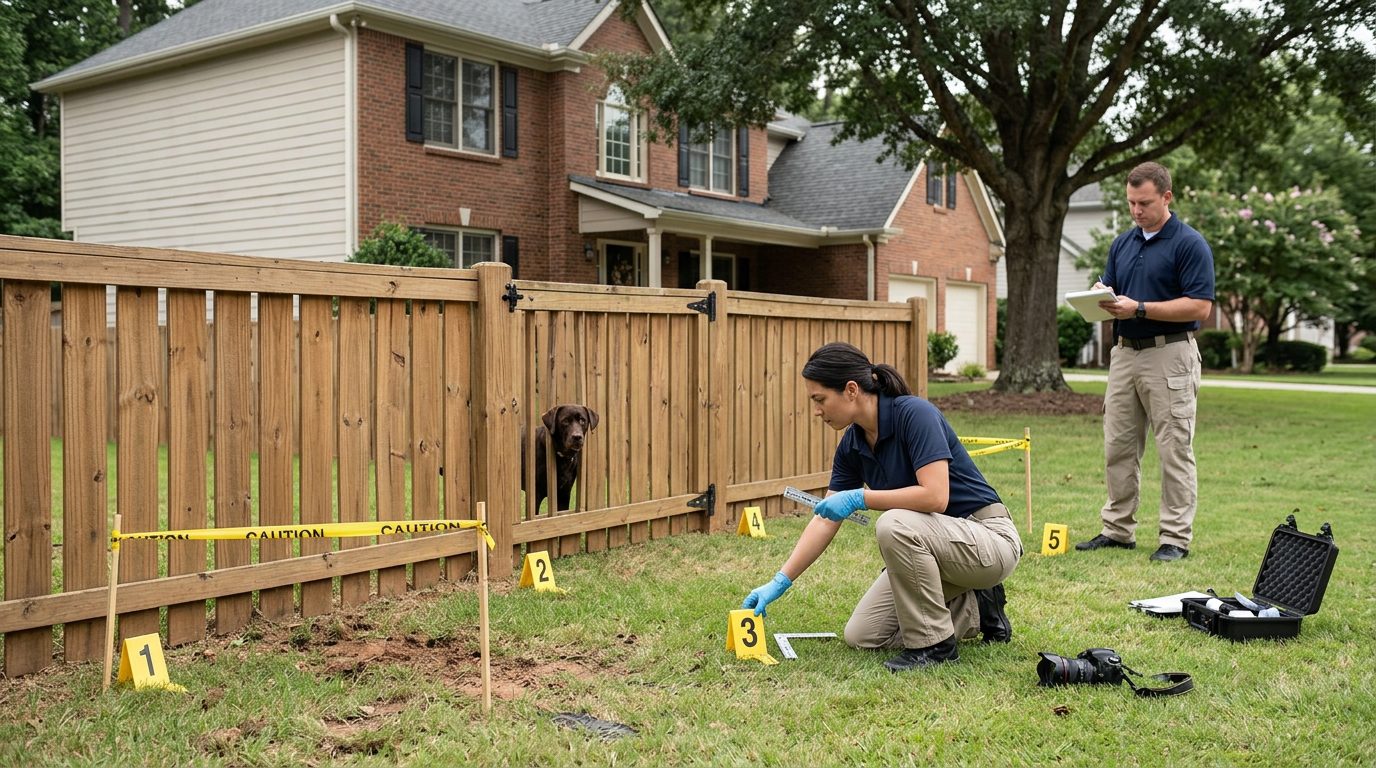
Dog Bite Claims
How Fault Is Determined in Georgia Dog Bite Cases
Understanding the legal framework and what it takes to hold a dog owner accountable.
By Peter F. Jaraysi · Published September 24, 2026
Proving Fault in a Dog Bite Case in Georgia: What You Need to Know
If you’ve been bitten by a dog in Georgia, the owner is likely responsible for your injuries—even if the dog had never bitten anyone before. Georgia’s strict liability law makes dog owners liable for bite injuries without requiring you to prove the owner was careless or knew the dog was dangerous. Understanding how fault works in Georgia dog bite cases helps you know whether you have a claim and what evidence matters most.
If you or a family member was bitten by someone else's dog, you're likely wondering whether the owner is responsible—and people in that situation reach out to us regularly to understand their options. Talk it through with our team — the first consultation is free, confidential, and carries no obligation.

How Georgia Law Handles Dog Bite Fault
Georgia imposes strict liability on dog owners under O.C.G.A. § 51-2-7, meaning the owner is liable for damages if the dog bites someone, regardless of the dog’s history or the owner’s knowledge. This is different from negligence, which requires you to prove the owner acted carelessly or knew the dog was dangerous.
Strict liability applies when the bite occurs in a public place or when you were lawfully on private property—such as an invited guest, a service provider, or a customer. Negligence is an alternative theory that may apply in situations where strict liability doesn’t, such as when a trespasser is bitten on private property. Both theories can support a claim, and understanding which applies to your situation helps you build a stronger case.
Strict Liability: The Georgia Standard
Under Georgia’s strict liability rule, the owner cannot escape responsibility by claiming the dog was friendly, well-trained, or had never bitten before. The owner’s liability does not depend on prior aggressive behavior or the owner’s knowledge of any danger.
To establish strict liability, you must prove three things:
- The dog bit you (or caused injury through direct contact).
- The bite caused injury or harm.
- The owner owned the dog.
Strict liability applies regardless of breed, size, or training. A small, seemingly gentle dog carries the same legal responsibility as a large or aggressive one. The owner cannot defend themselves by saying they didn’t know the dog would bite or that the dog had a perfect history.
Negligence Claims in Dog Bite Cases
Negligence is a separate theory that applies when strict liability may not fully cover your situation. For example, if you were trespassing on private property when bitten, negligence may be your primary path to recovery.
To prove negligence, you must show that the owner knew or should have known the dog was dangerous. Evidence of prior aggressive behavior, complaints from neighbors, prior bites, or warnings strengthens a negligence claim. The owner’s failure to restrain, warn, or control the dog—such as leaving a known aggressive dog off-leash in a yard—can establish negligence.
Negligence also covers injuries caused by a dog that didn’t bite you. If the dog knocked you down, jumped on you, or caused you to fall, and the owner failed to control the dog, you may have a negligence claim even without a bite.
Evidence That Proves Fault in a Dog Bite Case
Strong evidence is critical to establishing fault. Here’s what matters:
Medical Records and Documentation
Medical records documenting the bite, injuries, and all treatment are essential. They establish the injury and its severity, which directly affects the damages you can recover.
Photographs
Photographs of the bite wound and injuries taken shortly after the incident are powerful evidence. Photos show the extent of harm and help a jury understand the impact of the injury.
Witness Statements
Statements from people who saw the bite or know the dog’s behavior support your account. Witnesses can describe how the bite happened, whether the dog was restrained, and any prior incidents they witnessed.
Police or Animal Control Reports
A report filed with local animal control or police creates an official record of the incident. These reports often include the officer’s observations, statements from both you and the owner, and any prior complaints about the dog.
Veterinary or Animal Control History
Records showing prior complaints, warnings, or incidents involving the dog strengthen your case. Animal control databases may document prior bites, escapes, or aggressive behavior.
Owner’s Statements
Admissions by the owner about the dog’s behavior or lack of control can be used against them. If the owner told you the dog was “not friendly” or “sometimes aggressive,” that statement supports your claim.
Evidence the Dog Was Not Restrained
Proof that the dog was loose, not on a leash, or not behind a fence at the time of the bite supports both strict liability and negligence claims.
Prior Warnings or Complaints
Evidence that neighbors or others complained about the dog or warned the owner strengthens a negligence claim and shows the owner knew or should have known of the danger.
Where the Bite Occurred Matters
The location of the bite affects which legal theory applies and how strong your claim is.
Public Places
If you were bitten in a public place—a park, sidewalk, street, or other area open to the public—strict liability applies automatically. The owner cannot claim you were trespassing or that you had no right to be there.
Private Property Where You Were Lawfully Present
If you were invited to someone’s home, working as a service provider, or visiting as a customer, strict liability applies. The owner cannot escape liability by claiming you were on their property.
Private Property Where You Were Trespassing
If you were trespassing when bitten, strict liability may not apply, but negligence may. You would need to prove the owner knew or should have known the dog was dangerous.
Business Premises
Strict liability applies if you were bitten on business property where you had a right to be. The business owner may also face premises liability claims if they failed to warn customers of a known dangerous dog.
Not sure what your next step is?
Talk it through with our team — the first consultation is free, confidential, and carries no obligation.
Defenses the Dog Owner Might Raise
Dog owners often raise defenses to try to escape or reduce liability. Understanding these defenses helps you prepare.
Trespassing
The owner may claim you were trespassing. While this may limit strict liability, it does not eliminate your right to recover under a negligence theory if the owner knew the dog was dangerous.
Provocation
The owner may claim you provoked the dog. Georgia law does not recognize provocation as a complete defense to strict liability, but evidence of provocation may reduce the damages you recover.
Assumption of Risk
The owner may argue you assumed the risk by being near the dog. This defense has limited application in Georgia dog bite cases and rarely succeeds.
Comparative Negligence
The owner may claim your own actions contributed to the bite—for example, that you reached toward the dog or ignored warnings. This can reduce your recovery but does not eliminate the owner’s liability.
Disputing the Bite
The owner may simply deny that the dog bit you. Medical records and witness statements overcome this defense.
Comparative Negligence in Georgia
Georgia follows comparative negligence rules, which means your recovery may be reduced if you were partly at fault. If you were 20% at fault for the incident, you can recover 80% of the damages.
Your own actions—such as reaching toward the dog, ignoring a warning sign, or trespassing—may be considered in determining fault. Strict liability is not eliminated by comparative negligence, but the damages you recover may be adjusted based on your degree of fault.
What Happens After You Prove Fault
Once fault is established, the focus shifts to damages and recovery. Damages may include medical expenses, lost wages, pain and suffering, scarring, and disfigurement. The owner’s homeowner’s or renter’s insurance often covers dog bite liability, so the claim is typically filed with their insurance company.
After fault is clear, settlement negotiations often follow. Many cases are resolved through insurance settlements without going to trial. If the parties cannot agree on a settlement, the case may proceed to trial, where a judge or jury determines the final award.
Next Steps If You’ve Been Bitten
Taking the right steps immediately after a dog bite protects both your health and your legal claim.
Seek Medical Attention
Even if the bite seems minor, get medical care. A doctor will clean the wound, assess infection risk, and document the injury. Rabies exposure is a serious concern, and a medical professional can advise on prevention.
Report the Bite
Contact local animal control or police and file a report. This creates an official record and helps authorities track the dog’s history.
Document Everything
Take photographs of the bite wound, the scene, and the dog if possible. Collect contact information from any witnesses.
Preserve Medical Records
Keep all receipts, medical records, and documentation of treatment and expenses.
Do Not Discuss with Insurance
Avoid speaking with the owner’s insurance company without legal guidance. Statements you make can be used against you.
Frequently Asked Questions
Can a dog owner be held liable if their dog has never bitten anyone before?
Yes. Georgia’s strict liability law holds the owner liable for the bite regardless of the dog’s history or prior behavior.
What if I was partly at fault for the bite?
Your recovery may be reduced based on your degree of fault, but you can still recover under comparative negligence rules.
Do I need to report the bite to animal control?
Reporting creates an official record that strengthens your case and helps authorities track the dog’s history.
What types of damages can I recover?
Medical expenses, lost wages, pain and suffering, scarring, and disfigurement are all recoverable damages in a dog bite case.
How long do I have to file a claim?
Georgia’s statute of limitations for personal injury claims is two years from the date of the bite. Acting quickly preserves evidence and helps your case.
If you or a family member was bitten by someone else’s dog in Georgia, you may have a claim under strict liability or negligence law. The questions you’re asking now—about fault, evidence, and what you might recover—are the same ones people facing this situation bring to us regularly. We can help you understand your options and what happens next. Contact us for a free case review to discuss your situation with an attorney who handles dog bite claims across metro Atlanta and Georgia.
Georgia's Dog Bite Law
Georgia law recognizes dog bite claims under both statutory and common-law theories. The specific requirements and how they apply to your situation depend on the facts—including where the bite occurred, your status on the property, and the dog owner's knowledge or conduct. An attorney can review the details of what happened and explain your options.
Key Factors in Proving Fault
Ownership and Control
Establishing who owned or controlled the dog at the time of the bite is foundational. This includes identifying the person responsible for the dog's care and actions.
Your Status and Location
Whether you were lawfully on the property, trespassing, or in a public space matters. Your legal status affects which legal theories may apply to your claim.
Prior Knowledge or Notice
Evidence that the owner knew the dog was dangerous—or should have known—can strengthen a claim. This includes prior incidents, warnings, or the dog's behavior.
Comparative Negligence
Georgia allows recovery even if you bear some responsibility for the incident. Your recovery may be reduced based on your degree of fault under comparative negligence rules.
How We Approach Your Claim
Thorough Investigation
We gather medical records, incident reports, witness statements, and information about the dog's history to build a complete picture of what happened.
Clear Legal Analysis
We explain which legal theories apply to your situation and what evidence is needed to support your claim under Georgia law.
Direct Communication
We keep you informed every step of the way and answer your questions in plain language—no legal jargon unless we explain it.
Focused on Your Recovery
We pursue fair compensation for your injuries, medical expenses, and other losses while you focus on healing.
Common Questions About Dog Bite Liability
Can an owner be liable if the dog has never bitten anyone before?
Yes. Georgia law provides grounds for holding an owner liable even if the dog has no prior history of biting. The absence of a prior incident does not shield an owner from responsibility.
What if I was partly at fault for the bite?
You may still recover under Georgia's comparative negligence rules. Your recovery would be reduced based on your degree of fault, but you are not automatically barred from compensation.
Do I need to prove the owner was negligent?
It depends on the legal theory. Different circumstances may allow different approaches to establishing liability. An attorney can explain which apply to your case.
What evidence do I need?
Medical records, photographs of injuries, witness statements, and information about the dog's behavior and the owner's actions are all valuable. We know what evidence matters and how to obtain it.
About Fees
We represent dog bite clients on a contingency basis: no fees unless there is a recovery. You may still owe certain case costs depending on how your claim is resolved. We'll discuss the details during your consultation.