
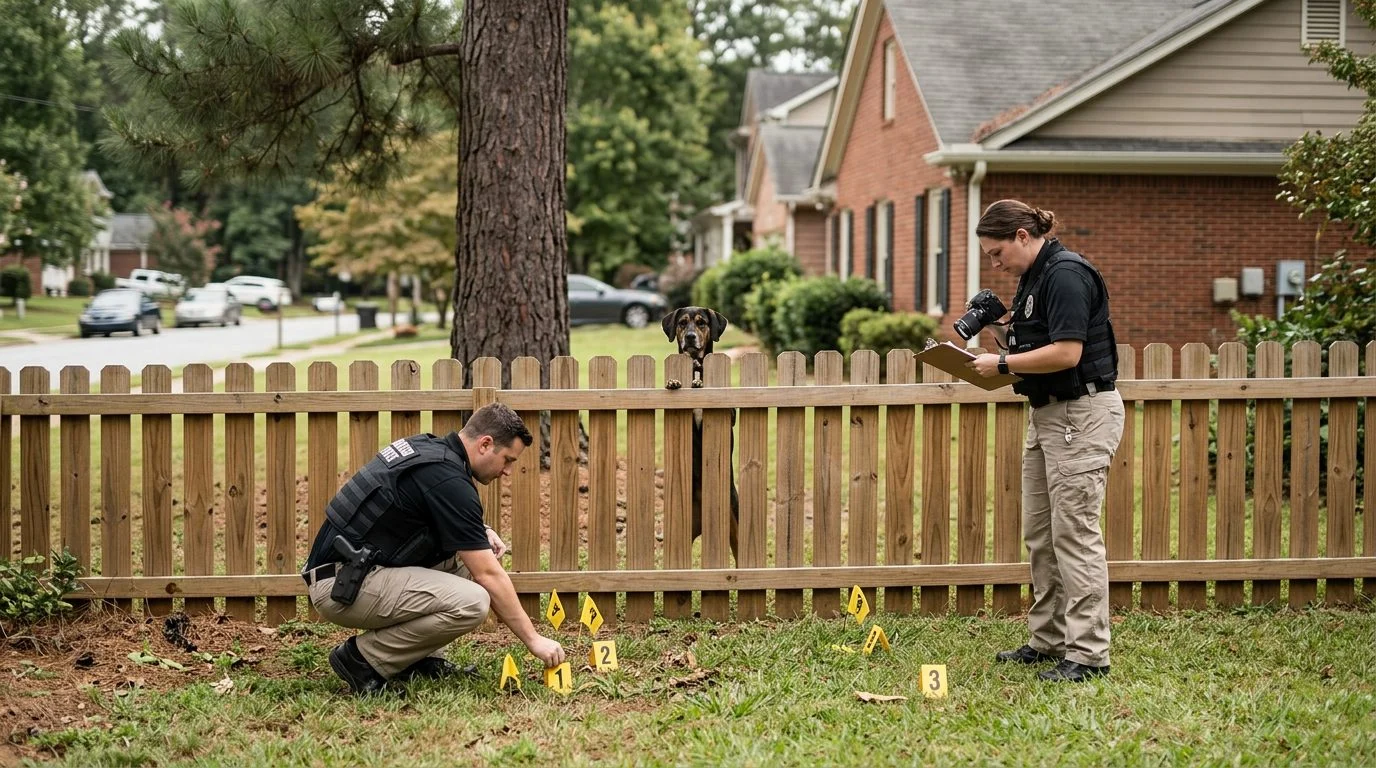
Dog Bites and Short-Term Rental Injuries | Metro Atlanta
Hurt by a Dog at an Airbnb or VRBO? Find Out Where You Stand
A bite on a rental property can raise questions you did not expect, such as who controlled the space and which insurance may apply. Our team at Slam Dunk Attorney helps you sort through those details.
By Peter F. Jaraysi · Published November 14, 2026
A dog bit you during a rental stay, and now you’re trying to figure out who is responsible. You may be asking whether you can sue the host.
Whether you can depends on who owned or kept the dog, who controlled the property, and how the bite happened.
Short Answer: Can You Sue an Airbnb or VRBO Host After a Dog Bite in Georgia?
Often the dog’s owner and the property’s owner are different people, and both can matter.
People searching for the average dog bite settlement in Georgia are usually hoping for a number. A general figure can’t tell you what your own claim is worth. This page focuses on the legal questions that come first, because they shape everything after them.
If a dog bite at a rental left you hurt, you don't have to sort out who is responsible alone, and our team can talk it through with you. Talk it through with our team — the first consultation is free, confidential, and carries no obligation.
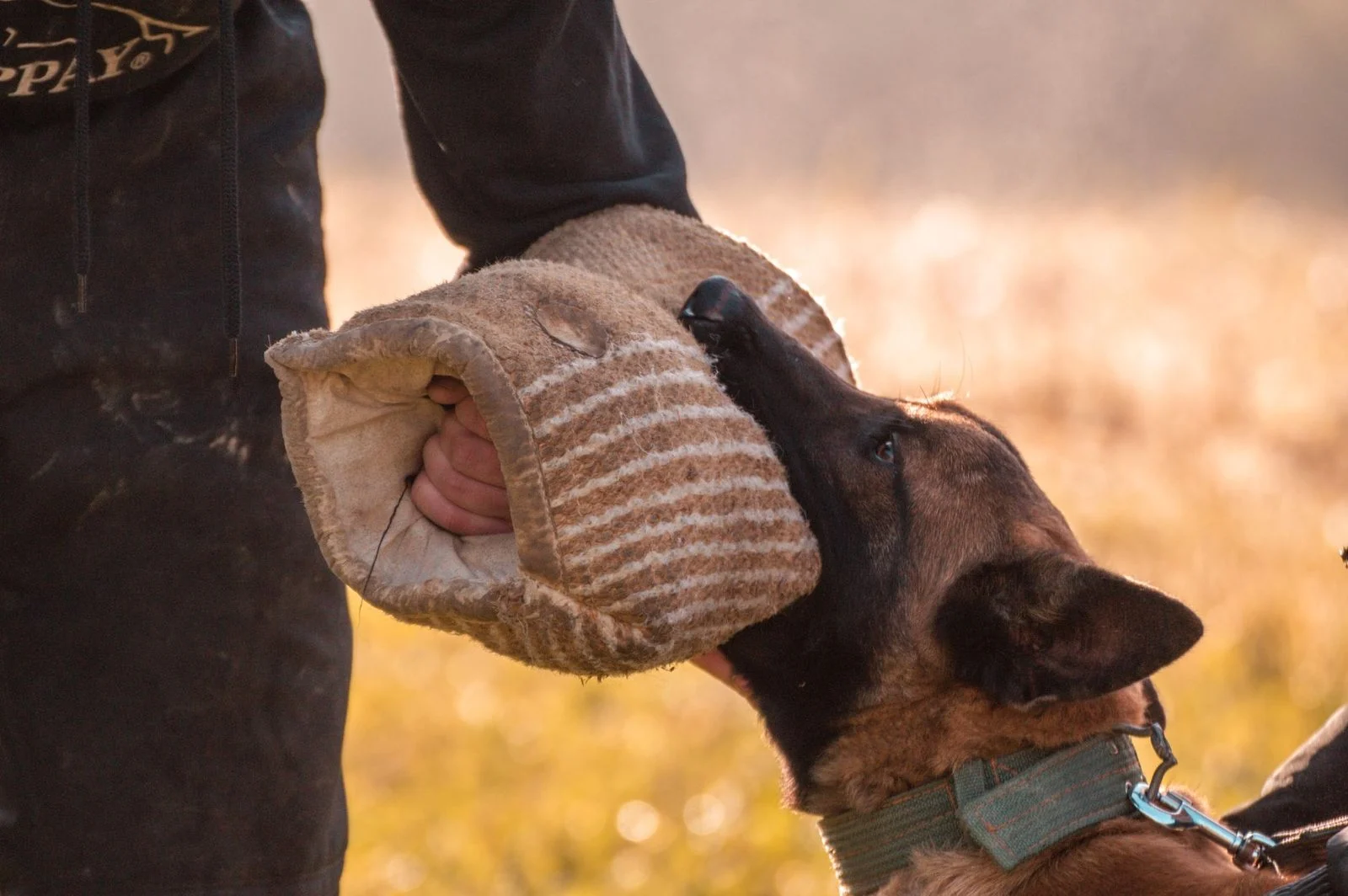
Who Can Be Responsible for a Dog Bite at a Rental
The dog’s owner or keeper, and sometimes the property owner or manager, are the people a claim may examine. Start with the dog. A host who neither owns nor keeps the dog may not fit that rule on its own.
Next, look at the property. A guest is usually an invitee, meaning someone invited onto the premises for a lawful purpose. Under O.C.G.A. § 51-3-1, an owner or occupier who, by express or implied invitation, induces or leads others to come upon the premises for any lawful purpose must use ordinary care to keep the premises and approaches safe. Property managers and co-hosts who controlled the premises may also be part of the picture.
Georgia’s landlord rule adds a twist. Under O.C.G.A. § 44-7-14, a landlord who has fully parted with possession and the right of possession is not responsible to third persons for damages resulting from the negligence or illegal use of the premises by the tenant. The landlord stays responsible for defective construction or failure to keep the premises in repair. Whether a short stay fits this rule depends on the facts.
Insurance may also matter. Liability coverage tied to a host’s policy or a booking may apply, depending on the policy terms and when the bite happened.
How Georgia Law Treats Dog Bite Liability
An owner or keeper of a vicious or dangerous animal may be liable when careless management, or letting the animal go at liberty, causes injury to someone who did not provoke the injury by his own act. That is the core test in O.C.G.A. § 51-2-7.
The statute covers vicious or dangerous animals. Proof can be simpler in one situation. If a city, county, or consolidated government ordinance required the dog to be at heel or on a leash, and the dog was neither at heel nor on a leash at the time, that alone is enough to prove vicious propensity. In plain terms, that means a dangerous tendency.
Provocation matters too. The statute protects only people who did not provoke the injury through their own act.
The real question is whether the owner or keeper was careless with the dog. Facts such as earlier aggression, complaints, or warnings can help show what the owner knew about the animal.
How a Short-Term Rental Changes the Picture
A short stay can make responsibility harder to pin down. The host may own the dog, own only the building, or own neither. Each role leads to different questions.
Some facts stand out. A gate that did not latch, a dog left loose while guests were out, or a host who knew of aggression and did not warn guests can all matter. Under O.C.G.A. § 51-3-1, the core question is whether the host used ordinary care to keep the property safe.
Local rules also matter. Leash and animal rules vary by city and county. The DeKalb County animal ordinances page describes county enforcement that can follow an attack or bite. A lawyer may review the rental’s city or county rules as one factor in a case.
What Affects the Value of a Dog Bite Claim
No published average can predict what your claim is worth, because each case turns on its own facts.
Common factors include the type and severity of the injury, medical treatment and costs, time missed from work, scarring or lasting effects, and how clear fault is. The insurance limits behind a claim can also affect how much money is practically collectible.
Georgia’s damage rules shape the math. General damages are those the law presumes flow from a wrongful act, and they can be recovered without proof of an amount. Special damages must be proved (O.C.G.A. § 51-12-2). For medical bills, O.C.G.A. § 51-12-1.1 limits special damages to the reasonable value of medically necessary care, treatment, or services, as the jury or judge decides.
Fault can reduce recovery. Under O.C.G.A. § 51-12-33, a judge reduces damages in proportion to the injured person’s share of fault. If that share is 50 percent or more, no damages can be recovered. When more than one person is liable, each pays only the share assigned to them, not a joint share.
For more on how these pieces fit, see how much to sue for a dog bite.
Deadlines and Steps to Protect a Claim
Georgia generally gives two years to file most injury lawsuits, so timing matters early. Under O.C.G.A. § 9-3-33, actions for injuries to the person must be brought within two years after the right of action accrues, except for actions for injuries to the person involving loss of consortium, which must be brought within four years after the right of action accrues.
Steps that help preserve evidence include:
- Photos of your injuries, the bite area, and the property where it happened.
- Medical records, bills, and appointment notes.
- Your booking confirmation.
- A copy of the listing and house rules as they appeared when you booked.
- Saved messages with the host.
- An animal control report, if one was filed.
The duty to preserve evidence can start before a lawsuit is filed. Under Phillips v. Harmon, the duty arises when litigation is reasonably foreseeable to the party that controls the evidence. Keep your own copies now.
Quick Answers
Can I sue an Airbnb host if their dog bites me?
You may be able to, if the host owns or keeps the dog or controlled the property. The facts of your bite decide that.
How long do I have to sue for a dog bite in Georgia?
Georgia generally allows two years from when the injury claim arises. Timing rules can have exceptions, so act early.
Does a dog bite claim work if I was partly at fault?
Georgia reduces damages in proportion to your share of fault. If you are 50 percent or more responsible, you cannot recover damages (O.C.G.A. § 51-12-33; Quynn v. Hulsey (2020)).
Not sure what your next step is?
Talk it through with our team — the first consultation is free, confidential, and carries no obligation.

Talk With Our Team About Your Rental Dog Bite
If a dog bite at a rental left you hurt, you don’t have to work out who is responsible on your own. You may be dealing with medical visits, bills, and questions about who pays. You may also be researching for a family member who is still recovering.
Our team can talk through your booking, the host, and your injuries with you. The first consultation is free, confidential, and carries no obligation to continue. Contact our team to start that conversation.
Peter F. Jaraysi is the responsible lawyer for this page. Slam Dunk Attorney is based in Duluth, Georgia, and represents people across metro Atlanta and Georgia.
This page is general information, not legal advice. Contact details for Slam Dunk Attorney and Peter F. Jaraysi appear on the firm’s contact page.
What We Look at After a Rental Property Dog Bite
Who owned or kept the dog
Ownership, who cared for the dog, and who had it on the property often shape the questions in a claim.
Who controlled the property
Whether the host, a property manager, or another party had control over the area where the bite happened.
Which insurance may apply
Homeowner, renter, or other policies, and any coverage tied to a short-term rental, can each raise different questions.
Your medical care
Treatment for bite wounds, including infection risk and scarring, is part of your recovery and part of your story.
Protect Your Evidence Early
Keep photos of your injuries, the property, and the dog, along with messages with the host, booking details, and receipts. Avoid posting about the incident on social media, since those posts can be used against you.
How a Free Consultation Works
1. Tell Us What Happened
Share the date, the location, booking details, and any photos or medical records you have.
2. We Review the Facts
Our team looks at the rental arrangement, who owned or kept the dog, and the injuries you describe.
3. You Decide What Comes Next
The first consultation is free, confidential, and carries no obligation to continue with our firm.