
Dog Bites | Duluth, Georgia
Dog Bite Injuries in Georgia: Who Is Responsible?
A dog attack can leave you with physical pain, medical bills and uncertainty. Here is a plain-language guide to how Georgia law looks at dog owners and what to know early on.
By Peter F. Jaraysi · Published November 9, 2026
If a dog has bitten you or someone you love, you probably want to know who is responsible and how much time you have to act. In Georgia, the main answer comes from one owner-liability statute and a two-year deadline for most injury claims (O.C.G.A. § 9-3-33; Kenneth B. Cameron v. Jmp Pizza, Inc (2026)).
This guide explains the Georgia laws regarding dogs that matter after a bite, in plain terms. Each rule is tied to its statute so you can see where it comes from.
The short answer: what Georgia dog bite law covers
Georgia dog bite law mainly asks two questions. First, did the owner’s careless management cause the injury? Second, was the claim filed in time? The owner rule is in O.C.G.A. § 51-2-7. The filing deadline is in O.C.G.A. § 9-3-33.
Many people look up these rules on behalf of someone else, often a child.
Knowing the rules early helps you ask the right questions.
If a dog bite has left you or someone you love hurt and unsure who is responsible, our team at Slam Dunk Attorney can talk it through with you. Talk it through with our team — the first consultation is free, confidential, and carries no obligation.
Who can be liable when a dog bites someone
An owner can be liable when careless management causes a dog to injure someone. Under O.C.G.A. § 51-2-7, a person who owns or keeps a vicious or dangerous animal may be liable in damages. That applies when, by careless management or by letting the animal go at liberty, the animal injures another person who did not provoke the injury.
Georgia’s dog bite statute provides that a person who owns or keeps a vicious or dangerous animal of any kind and who, by careless management or by allowing the animal to go at liberty, causes injury to another person who does not provoke the injury by his own act may be liable in damages to the person so injured. A dog that bites a visitor who kicked it is a different set of facts than one that bites a child walking past.
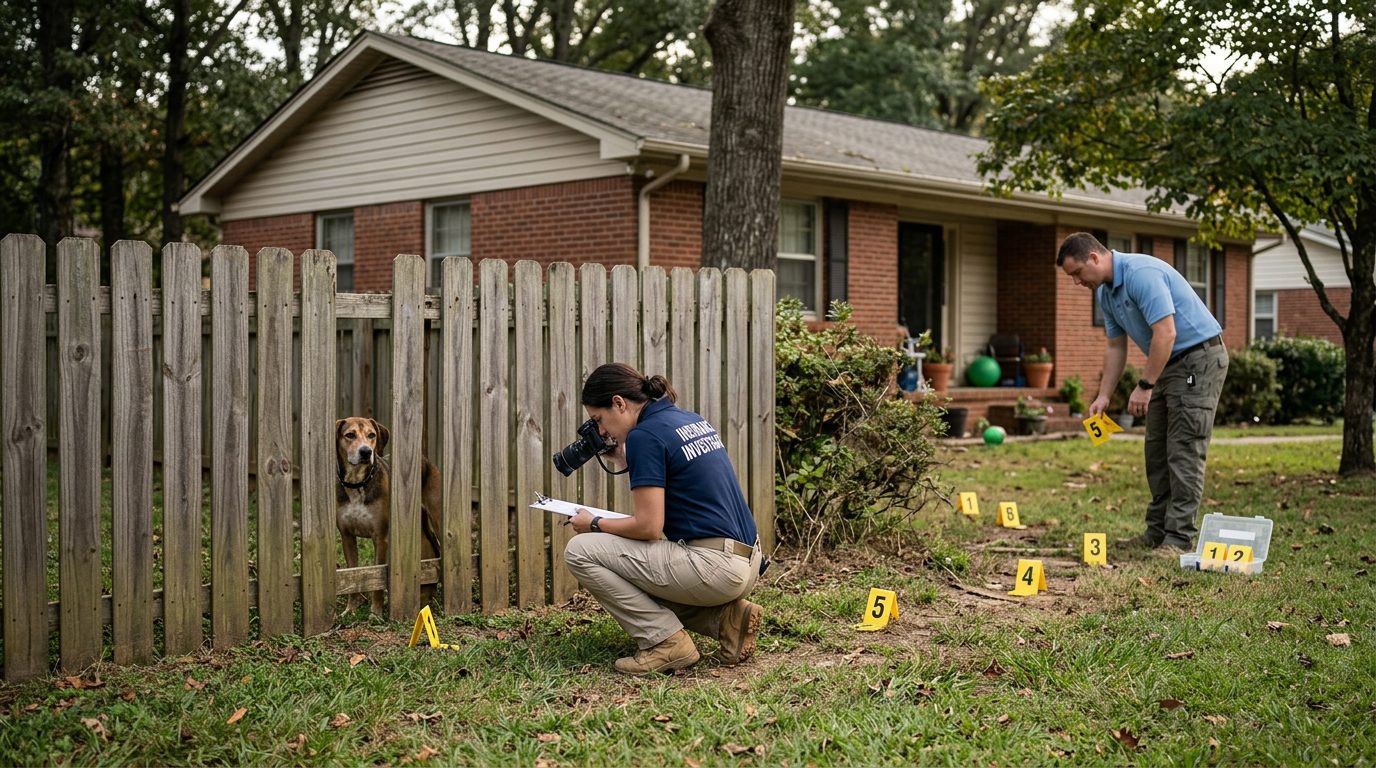
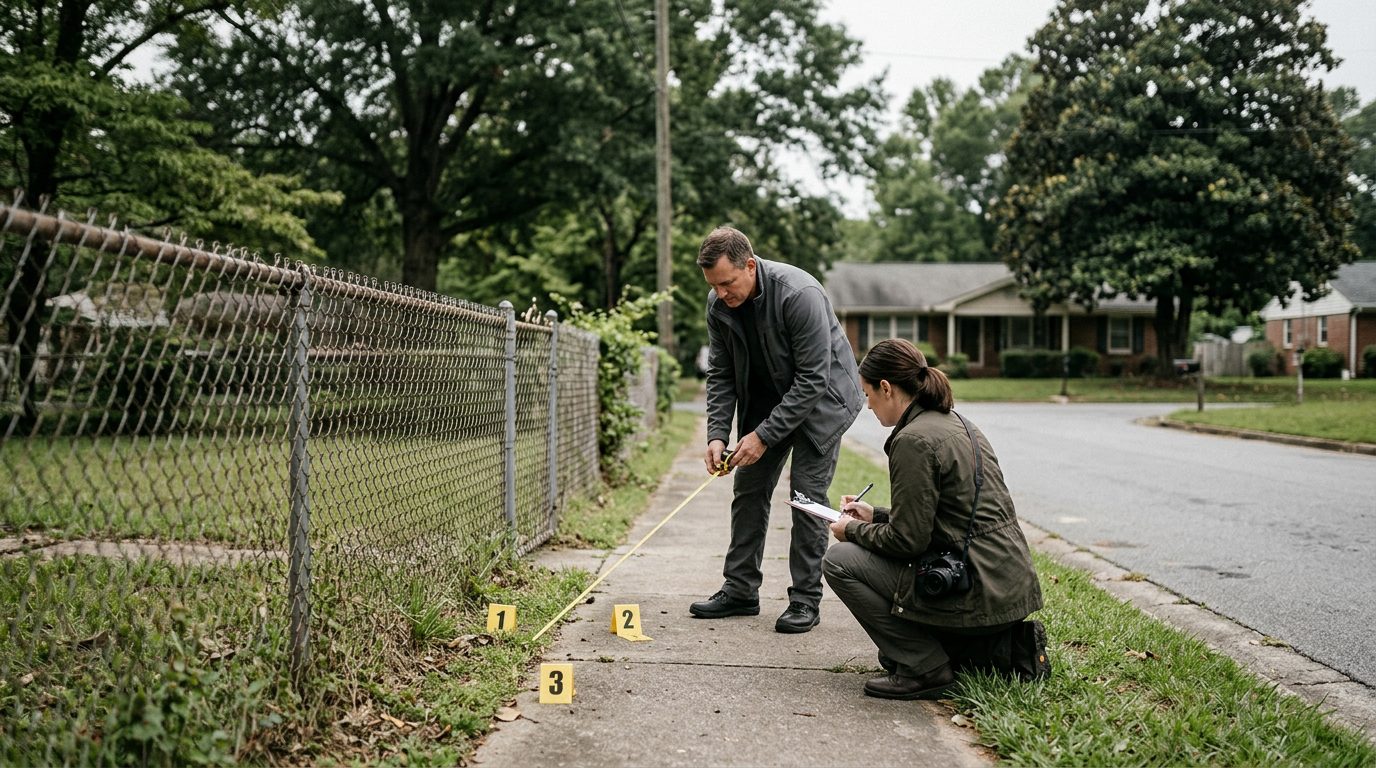
In practice, these cases often turn on details. How the dog got out, whether a gate or fence was broken, and what the owner knew about the dog’s past behavior all matter. Write down what you remember soon after the bite. Collect names of witnesses and any photos of the scene.
Vicious propensity, leash rules, and shared fault
The statute gives a shortcut for proving vicious propensity, meaning the animal’s tendency to bite or attack. If a city, county, or consolidated government ordinance required the dog to be at heel or on a leash, and the dog was not, that alone can be enough. This leash point is part of O.C.G.A. § 51-2-7.
The same statute says the leash shortcut does not apply to domesticated fowl, including roosters with spurs, or to domesticated livestock.
Georgia also looks at the injured person’s own conduct. If that person is partly at fault, the damages are reduced in proportion to their percentage of fault, under O.C.G.A. § 51-12-33. If the injured person is 50 percent or more responsible, the statute says they cannot receive any damages. Separately, O.C.G.A. § 51-11-7 says that if the injured person could have avoided the consequences of the defendant’s negligence with ordinary care, they are not entitled to recover.
Fault is often disputed, and the facts of each bite decide each point.
Filing deadlines and why timing matters
For most injury claims, Georgia gives two years to file. O.C.G.A. § 9-3-33 says actions for injuries to the person must be brought within two years after the right of action accrues. Claims involving loss of consortium have four years under the same section.
Timing matters because facts get harder to prove as time passes. Medical records, witness names, and photos are easier to gather while the events are fresh. Waiting can also leave you with fewer choices.
A common mistake is waiting to see how an injury heals before asking questions. Asking early keeps your options open and your records complete. Keep every medical visit summary and bill, even for care that seemed minor.
Talking to the insurance company after a dog bite
Insurance is often part of how a dog bite claim gets paid. The owner’s insurer may contact you soon after the bite. Remember that an adjuster works for the insurance company, not for you.
Adjusters may ask for quick answers, and that can feel like pressure. Before you give a recorded statement or sign a release, read it carefully and make sure you understand what it says. Taking a short pause to get the facts right is a reasonable step. For more on this, read insurance adjuster questions.
Your next step if someone you love was bitten
If you’re reading this after a bite, you may be dealing with pain, medical visits, and worry about what comes next. Many people are also trying to understand a process they never expected to face. For a broader view, see dog bite claims in Georgia.
Does Georgia law make dog owners responsible for bites?
Under Georgia law, an owner or keeper of a vicious or dangerous animal may be liable. That can happen when careless management causes injury to someone who did not provoke it.
How long do I have to file a dog bite claim in Georgia?
For most injury claims, the deadline is two years. Loss of consortium claims have four years.
Can a leash law matter in a Georgia dog bite case?
It can. If a local ordinance required the dog to be on a leash and it was not, that alone can be enough to prove vicious propensity.
If a dog bit you or someone you love, Peter F. Jaraysi and our team at Slam Dunk Attorney, based in Duluth, Georgia, can review the facts and explain how these rules may apply. Your first consultation is free, confidential, and without obligation. Contact us to start the conversation.
What Shapes a Georgia Dog Bite Claim
Owner and Keeper Duties
Georgia law looks at the owner or keeper of an animal, and at how that animal was managed before the injury.
Known Dangerous Behavior
Prior aggression, warnings or a history of biting can be important facts in evaluating a claim.
Provocation and Circumstances
Where the bite happened, who was present and whether the victim was provoked all matter to the details of a case.
Injuries and Medical Records
Bite injuries can lead to infection, scarring or lasting harm. Medical records help document both the injury and its treatment.
Act Early to Protect Your Information
Photos of the injury and the scene, the dog's owner information, animal control reports and names of witnesses are easier to gather soon after a bite. Seek medical care first, even if the wound seems minor.
Steps to Take After a Dog Bite
Get Medical Care
See a doctor promptly, even for a small puncture or scratch. Infections from animal bites can become serious.
Document the Scene
Take photos of your injuries, the location and any visible conditions that contributed to the attack.
Report the Bite
Ask that the bite be reported to animal control or local authorities so that an official record exists.
Talk With Our Lawyers
Our team at Slam Dunk Attorney can review the facts of your situation and explain the options that may apply.
Talk With Slam Dunk Attorney About Your Dog Bite
Related practice areas
- Are Pitbulls Illegal in GA? Georgia Dog Bite Law