
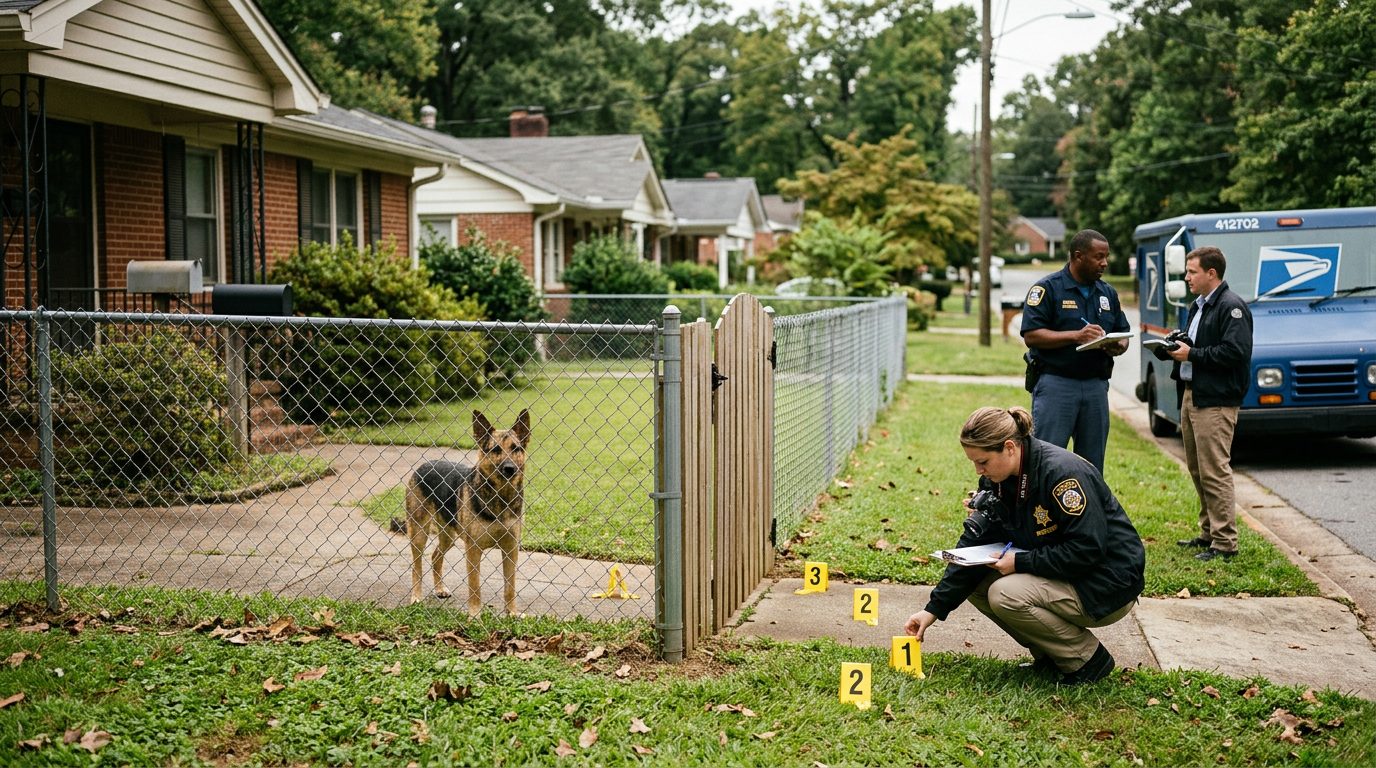
Dog Bites | Duluth, Georgia and Metro Atlanta
A Dog Bite on Your Route? Here's What to Do Next
Mail carriers and other workers who are bitten on the job or in the community often face pain, medical bills, and questions about who is responsible. Here is a plain-language guide to the first steps in Georgia.
By Peter F. Jaraysi · Published November 1, 2026
What Happens If Your Dog Bites a Mailman? A Georgia Guide
What happens if your dog bites a mailman? The carrier may need medical care, the owner may face a legal claim, and several steps need attention right away. Secure the dog, make sure the carrier is checked by a medical provider, and report the bite to local animal services. Georgia law can make a dog owner liable for injuries, so the facts matter. This guide walks through each step in plain language.
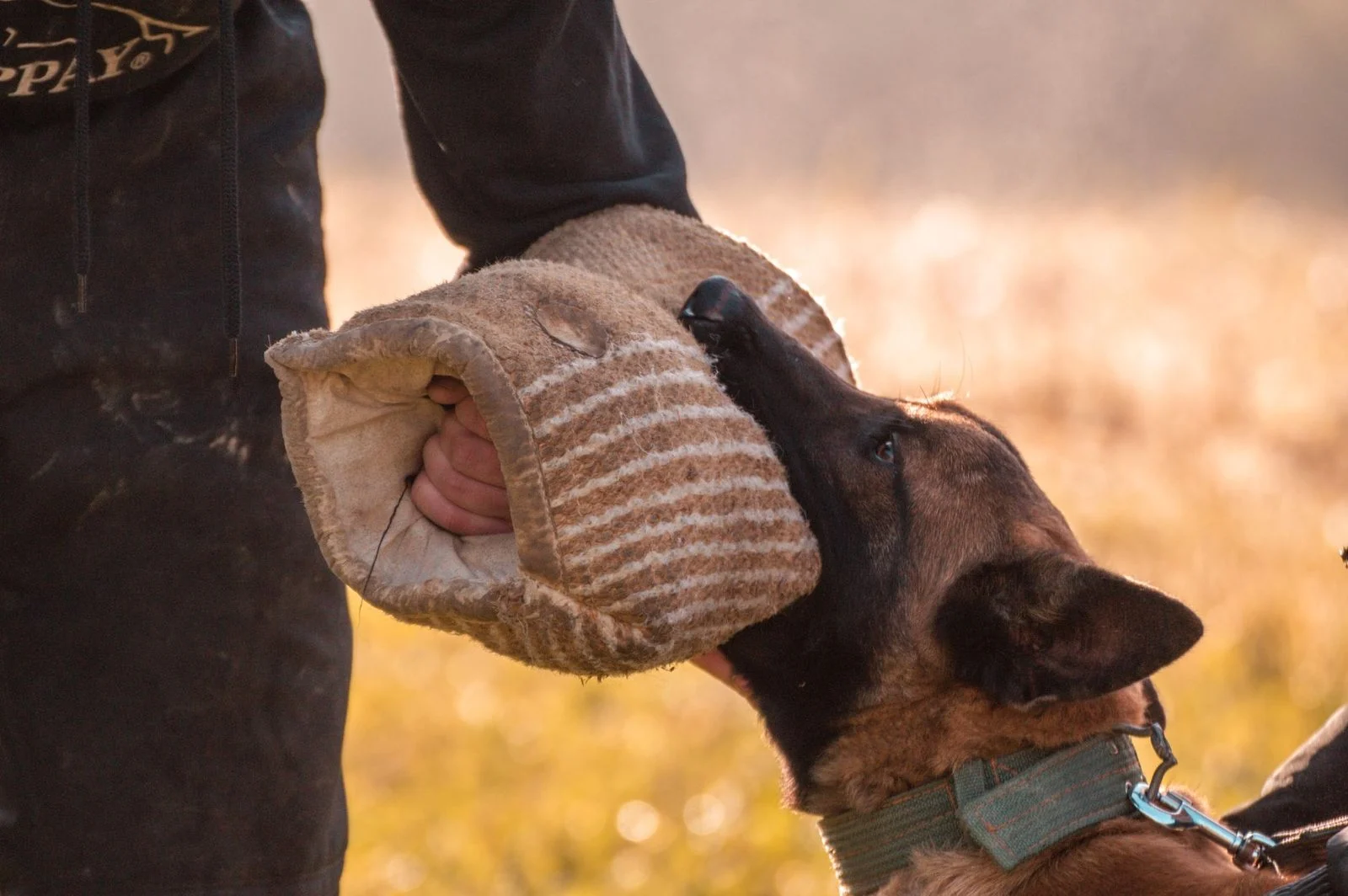
Why Dogs Go After Mail Carriers
Dogs often react to a carrier’s routine. A carrier may walk to the front door, open a gate, or reach into a mailbox near a dog that guards its yard or family. The uniform, the vehicle, and footsteps on the porch can all set a dog off.
Many owners assume their dog would never bite. That assumption is risky. A dog with no bite history can still bite, especially when it feels it must protect its home. The American Veterinary Medical Association publishes dog bite prevention guidance for pet owners. Reading it before a problem starts is a smart habit.
Our Georgia dog bite guide covers the wider picture of dog bite claims in the state. This page focuses on the mail carrier situation.
What Happens Right After the Bite
The first priorities come in order. Separate the dog from the carrier, secure the dog, and make sure the carrier gets medical care. Don’t wait to decide whether the injury looks serious enough to need care.
Next, gather the details you’ll need later. Collect the dog’s vaccination and rabies tag records. Write down the carrier’s name and contact information, if you have it, along with the names of any witnesses. If it’s safe, take photos of the scene. Keep a short written timeline while your memory is fresh.
Then contact your homeowner’s or renter’s insurer. Many claims begin under that policy, so tell the insurer soon after the bite. Keep copies of everything you send and receive. Keep your account short and factual, and stick to what you saw.
Will the Postal Service Stop Delivering to Your Home?
Delivery decisions belong to the Postal Service, and they can change from one situation to the next. A bite can change how a route is handled for a period of time. Your job is to focus on the safety picture at your home.
Practical steps many owners take include keeping the dog behind a secured fence or gate, keeping the dog indoors while the carrier is on the property, and using a leash whenever anyone approaches. Ask everyone who walks or cares for the dog to follow the same routine. Write down what you changed and when. A clear record shows you took the problem seriously.
The leash step also matters under Georgia law, as the next section explains.
Are You Liable If Your Dog Bites a Mail Carrier?
A dog owner can be liable under Georgia law when the dog is vicious or dangerous and the owner’s careless management, or allowing the dog to go at liberty, causes injury to another person who does not provoke the injury by his own act. When people ask what happens if your dog bites a mailman, liability is the core question. Under O.C.G.A. § 51-2-7, a person who owns or keeps a vicious or dangerous animal may be liable in damages. That applies when, by careless management or by letting the animal go at liberty, the person causes injury to someone who did not provoke it.
The statute also addresses leashes. If a city, county, or consolidated government ordinance required the dog to be at heel or on a leash, and the dog was off leash at the time, that is enough to prove vicious propensity (a known tendency toward dangerous behavior). The statute carves out domesticated fowl, including roosters with spurs, and domesticated livestock from that leash sentence.
Georgia also has a premises rule. Under O.C.G.A. § 51-3-1, an owner or occupier who invites people onto the property must use ordinary care to keep the premises and approaches safe. Delivery drivers face similar questions, and our delivery driver dog bite guide covers those facts.
How a Mail Carrier’s Injury Is Typically Handled
It runs on its own track.
Whether the owner is liable under state law is a separate question. These two tracks are different. Each can move on its own timeline, and one does not decide the other.
Fault matters too. Georgia uses a modified comparative fault rule (shared fault). Under O.C.G.A. § 51-12-33, damages are reduced by the injured person’s share of fault. A person who is 50 percent or more responsible recovers nothing. Under O.C.G.A. § 51-12-33, when an action is brought for injury to person or property and the plaintiff is to some degree responsible for the injury or damages claimed, the trier of fact determines the plaintiff’s percentage of fault and the judge reduces the amount of damages otherwise awarded to the plaintiff in proportion to that percentage. Subsection (g) adds that the plaintiff shall not be entitled to receive any damages if the plaintiff is 50 percent or more responsible for the injury or damages claimed.
Not sure what your next step is?
Talk it through with our team — the first consultation is free, confidential, and carries no obligation.
Do I Have to Report a Minor Dog Bite?
Local animal services handle bite reports. A bite should be reported even when it looks minor, especially if the skin was broken. Reports help officials track the dog and monitor for rabies.
Rules vary by county. DeKalb County’s animal ordinances page describes county procedures for dangerous or vicious animals, including measures that may follow a dog bite.
Confirm the process with your county animal services office so you know which steps apply to you. Skipping the report can create its own problems for the owner, so don’t skip it.
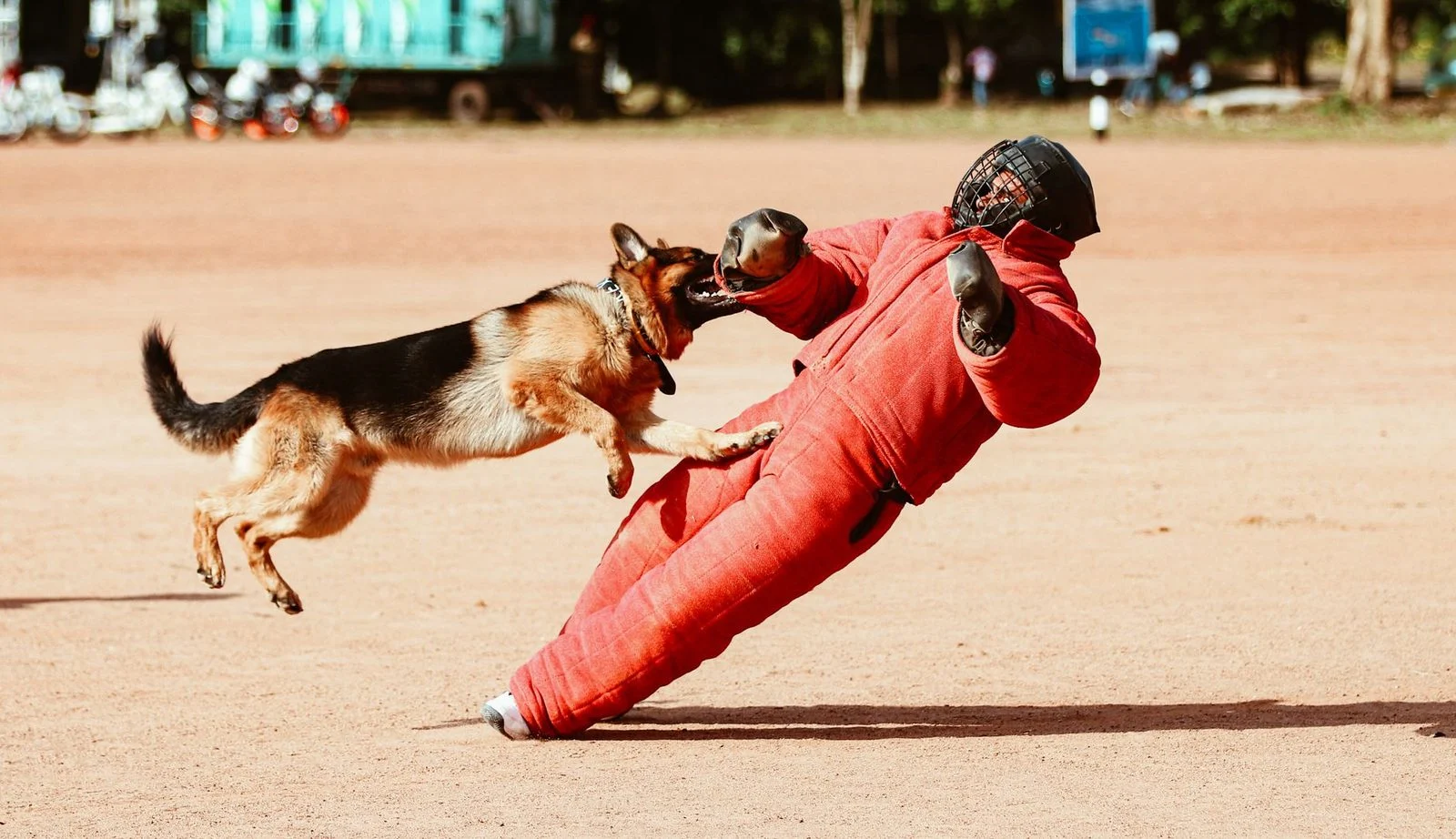
If Your Dog Has Bitten a Mail Carrier, Talk With a Duluth Dog Bite Lawyer
If you’re reading this, you may be the owner, a relative of the carrier, or someone who just received a call or letter about a bite. That’s a stressful place to be, and feeling unsure about next steps is normal.
Timing matters. Under O.C.G.A. § 9-3-33, actions for injuries to the person generally must be brought within two years after the right of action accrues. Talking through the facts early helps you understand where you stand. Our Duluth dog bite page has local context.
Quick Answers
What should I do first?
Separate the dog from the carrier, secure the dog, and make sure the carrier gets medical care.
Can a dog owner be liable?
Georgia law can hold an owner liable when careless management or letting the dog run loose causes injury to someone who did not provoke it.
How long do I have to file?
Under Georgia law, most lawsuits for injuries to the person generally must be filed within two years.
If your dog has bitten a letter carrier and you’re unsure what comes next, you don’t have to work through it alone. Our team offers a free first consultation that is confidential and carries no obligation to continue. Reach out through our contact page to request a free case review.
This page is general information, not legal advice. Responsible lawyer: Peter F. Jaraysi, Slam Dunk Attorney, Duluth, Georgia. Contact: slamdunkattorney.com contact page.
How We Can Help
Plain-Language Answers
We explain the process in everyday terms so you know what to expect at each step.
Attention to Your Recovery
We understand that medical care comes first, and we keep your health and your questions at the center of our work.
Confidential, No-Obligation Start
Our initial consultation is free, confidential, and carries no obligation to continue.
Important: Get Medical Care Right Away
Some dog bite injuries, including puncture wounds and infections, can worsen quickly. Seek medical attention even if the wound looks minor, and keep records of every visit.
Steps to Take After a Dog Bite
2. Get Medical Care
See a doctor or urgent care promptly. Ask for the bite to be documented in your records.
3. Document What Happened
Write down the date, location, and what occurred. Photograph the wound, the scene, and any torn clothing or equipment.
4. Gather Contact Information
Collect the owner's name, phone number, and address, along with any witness details and the dog's rabies vaccination information if available.