
Dog Bite Claims · Georgia
Dog Bite Injuries in Georgia: How a Dog Bite Claim Differs from Other Injury Cases
If a dog has hurt you or someone in your family, the facts that matter most may not look like those in a typical injury case. Here is what to understand before you decide on your next step.
By Peter F. Jaraysi · Published November 16, 2026
A dog bite can leave you hurt, worried about bills and unsure what comes next. You may have seen “dog bite attorneys” and “personal injury lawyers” mentioned side by side. A dog bite claim is a type of personal injury claim under Georgia law, so the two terms describe overlapping work, not two separate choices. This guide explains how that fits together, along with deadlines, damages and first steps.
Does a Duluth, Georgia Personal Injury Firm Serve Clients in the 30303 Atlanta ZIP Code, and How Does a Dog Bite Claim Relate to Other Personal Injury Claims?
Yes. Slam Dunk Attorney is based in Duluth, Georgia, and represents people in Atlanta and across Georgia, so a reader in the 30303 ZIP code can ask whether their matter fits. The useful comparison is between types of claim, not between law firms.
Dog bites are one of the practice areas the firm handles. Its others include car, truck, motorcycle and pedestrian accidents, premises liability, slip and fall, and nursing home abuse. Our lawyers include Peter F. Jaraysi, the responsible lawyer for this page, and Brian D. Wright. Whether a lawyer takes a matter depends on the facts, so the first step is a conversation about your bite. In that conversation, you can describe the bite, the owner and where it happened.
If a dog bite has left you hurt and unsure who is responsible, our team can talk it through with you in a free case review. Talk it through with our team — the first consultation is free, confidential, and carries no obligation.
How Long After a Dog Bite Can You Make a Claim?
Most Georgia claims for injuries to a person must be brought within two years after the right to sue arises. That general rule appears in O.C.G.A. § 9-3-33, and it covers a dog bite that causes personal injury. The same statute gives a four-year period for certain loss of consortium claims, which may matter to a spouse.
Some timing rules can change that starting point. If the injured person was under 18 when the claim arose, that person gets the same time after turning 18 to sue, as set out in O.C.G.A. § 9-3-90, unless another section applies. If the dog owner is the state, a written notice of claim must be given within 12 months of the date the loss was discovered or should have been discovered under O.C.G.A. § 50-21-26.
Dates like these are easy to lose track of during recovery. Ask a lawyer early so someone checks the timeline against your facts.
How Much Can I Sue Someone for Their Dog Biting Me?
A dog bite claim seeks money for the losses the bite caused, and the amount varies from case to case. Injuries, treatment and the facts all shape the value.
Georgia law separates two kinds of losses. General damages are those the law presumes flow from a wrongful act, and they can be recovered without proof of an amount. Special damages actually flow from the act and must be proved. O.C.G.A. § 51-12-2 sets out that difference.
Medical bills fall under special damages. Under O.C.G.A. § 51-12-1.1, they are limited to the reasonable value of medically necessary care, and the judge or jury decides that amount.
Small injuries can recover less. Under O.C.G.A. § 51-12-4, if an injury is small or the mitigating circumstances are strong, only nominal damages may be given. Photos and medical records help document scarring, pain and missed work, so keep them.
My Dog Bit My Skin and It Broke. What Should I Do?
Get medical care right away, and tell the provider exactly how the bite happened. A bite that breaks the skin needs professional attention, so don’t wait to see whether it heals on its own. While you get care, wash the wound with soap and water.
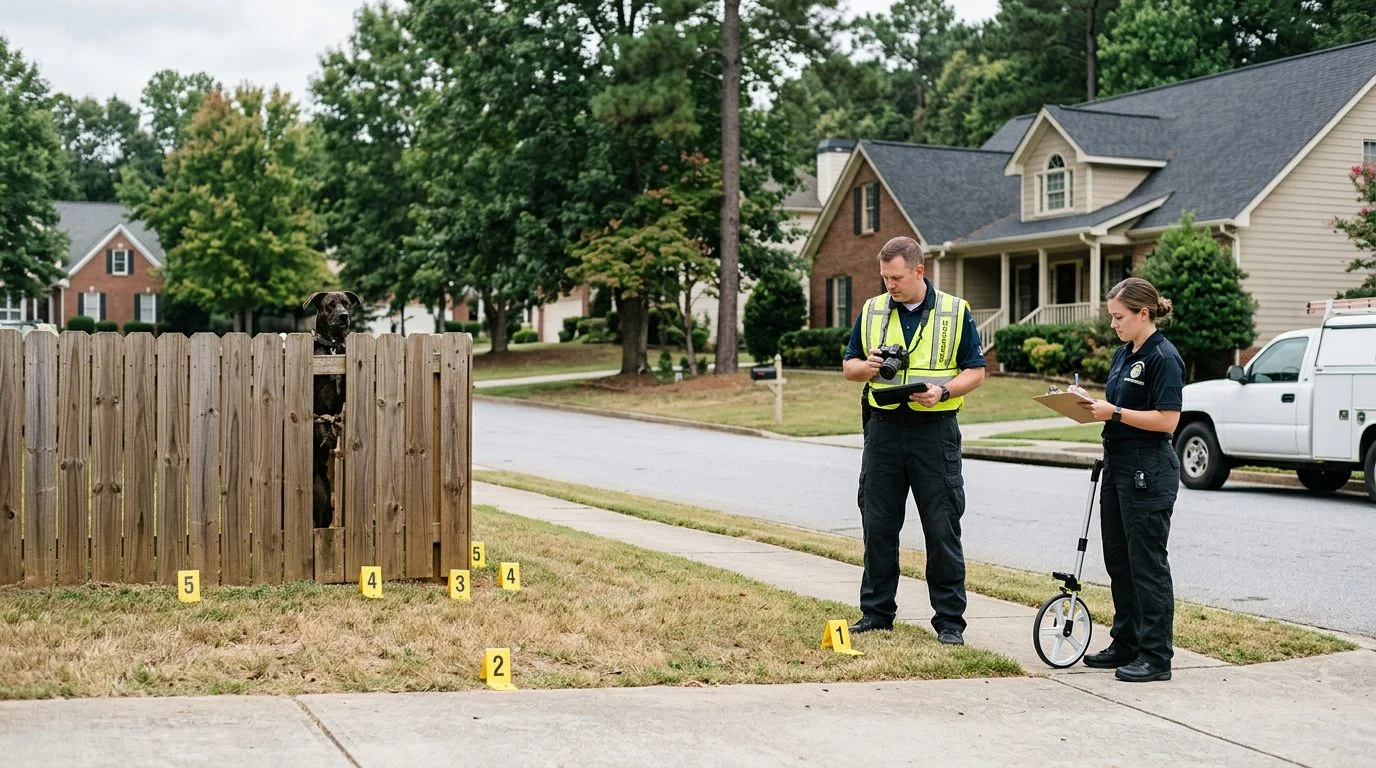
Start a record today. Write down the time, the place, and whether the dog was on a leash. Note the owner’s name, phone number and address, the dog’s description, and the names of any witnesses. Take photos of the wound as it heals, and keep the dates you were treated.
Report the bite to local animal control so there is an official record of what happened. Keep every medical bill and record too. If Medicare is involved, Medicare.gov explains how Medicare may pay first and later recover what another payer should have paid.
How Georgia Law Treats a Dog’s Past Behavior
Under O.C.G.A. § 51-2-7, a person who owns or keeps a vicious or dangerous animal can be liable in damages. That applies when careless management, or letting the animal go at liberty, causes injury to someone who did not provoke the attack.
Proof can be simpler when a leash rule applies. If a city, county or consolidated government ordinance required the dog to be on a leash, and it was not on one at the time, that can be enough to show vicious propensity, the legal term for a dangerous tendency. That leash sentence does not apply to domesticated livestock or to fowl, including roosters with spurs.
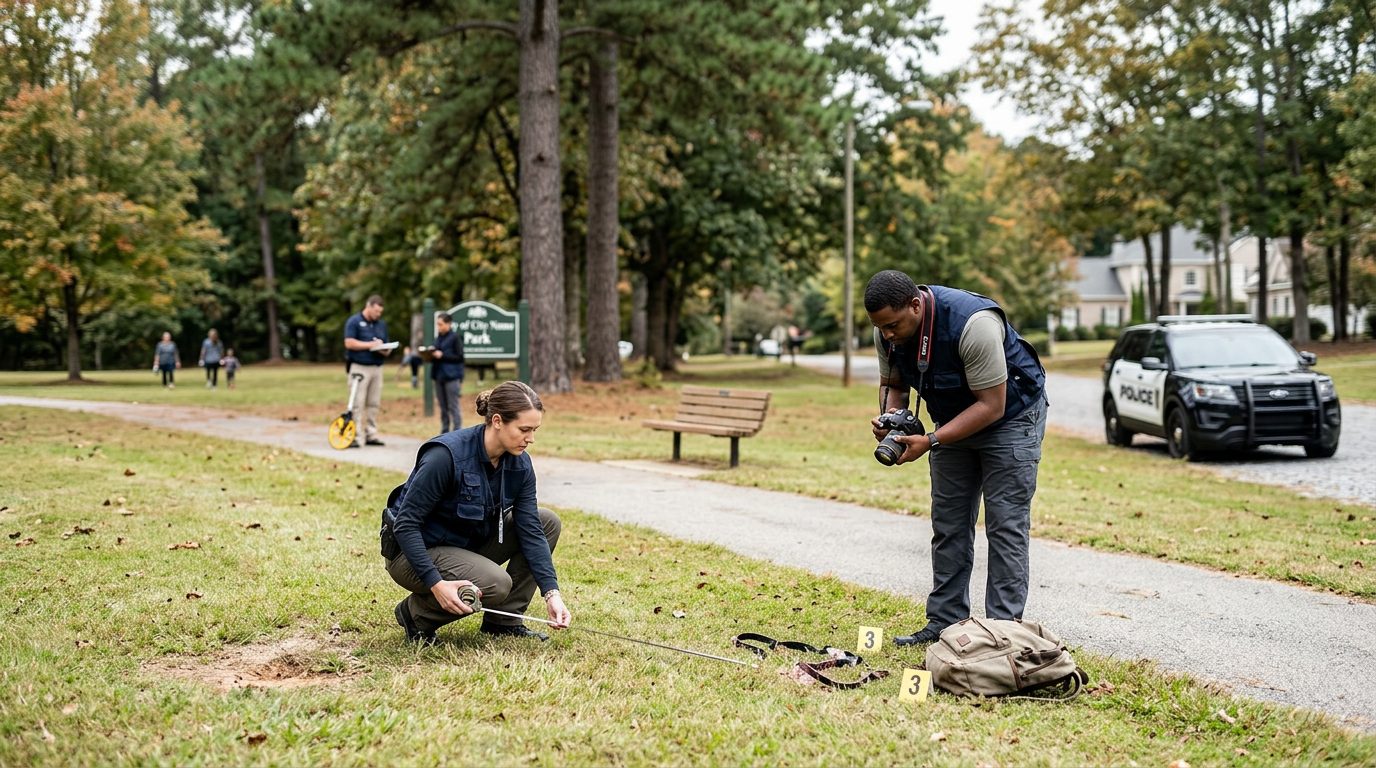
Prior complaints, animal control reports and earlier bites can all become part of the facts. Whether a dog can be trusted again is a question for its owner, a veterinarian or animal control. A personal injury claim looks back at what happened, including how the owner managed the dog.
How Dog Bite Claims Fit Within Personal Injury Law
A dog bite claim is a personal injury claim. The injured person can sue an owner or keeper of a vicious or dangerous animal under the owner-liability statute in O.C.G.A. § 51-2-7, where the owner’s careless management or allowing the animal to go at liberty causes injury to a person who does not provoke the injury by his own act. The general rule in O.C.G.A. § 51-1-6 also lets an injured person recover when someone breaks a legal duty and causes damage.
People often treat the two terms as different choices. In practice, “dog bite attorney” names the type of injury, while “personal injury lawyer” names the wider area of law. That area covers car, truck, premises, slip and fall and other injury matters.
The core questions are usually similar. Who owed a duty? Was that duty broken? Did the break cause harm, and what losses followed? The facts about the dog, the owner and the place decide how each question is answered. For a fuller overview, read dog bite law in Georgia.
Not sure what your next step is?
Talk it through with our team — the first consultation is free, confidential, and carries no obligation.
Frequently Asked Questions
Short answers to common questions about dog bite claims in Georgia appear below.
Do dog bite claims always go to court?
Some claims settle before a trial, and others move forward in court. The path varies with the facts and the parties involved.
Can a parent file a claim for a child’s dog bite?
A child’s claim has its own timing rules under O.C.G.A. § 9-3-90. Ask a lawyer early about who should bring the claim and when.
Does homeowners insurance cover dog bites?
The Georgia insurance regulator says homeowners insurance generally includes personal-liability coverage for injury claims. Coverage follows the terms of each policy.
What if the dog belonged to a friend or tenant?
Under O.C.G.A. § 51-2-7, the statute applies to a person who owns or keeps a vicious or dangerous animal of any kind and who, by careless management or by allowing the animal to go at liberty, causes injury to another person who does not provoke the injury by his own act. Liability can turn on who owned or kept the dog when the bite happened.
Talk to Our Team About Your Dog Bite Situation
A bite can leave you with a wound, medical bills and questions about who is responsible. If you’re still deciding whether to speak with a lawyer, our team can help you sort through the facts of your bite, the owner’s responsibility and the deadlines that may apply. Bring what you have, including photos, bills and the owner’s contact details.
Peter F. Jaraysi is the responsible lawyer for this page, and the firm is based in Duluth, Georgia. The first consultation is free, confidential, and comes without obligation to continue.
When you’re ready to talk, request your free case review through our contact page.
How our team approaches dog bite matters
Plain-language guidance
We explain each step of the process so you know what to expect before you decide how to move forward.
Looking at every party involved
Dog bite matters can involve an owner, a keeper, a property owner, or an insurance carrier. We look at who is connected to the incident.
Timing matters
Early steps, including medical care and gathering information, can make a difference. Contacting us sooner rather than later gives us more to work with.
Focus on the injured person
Bites can cause physical pain, scarring, and emotional distress. We keep your health and well-being at the center of the conversation.
Get medical care first
Dog bites can lead to infection, nerve damage, and lasting scars, even when the wound looks minor. Seek medical attention promptly and keep records of every visit, prescription, and photo of your injuries.
Key differences at a glance
Who may be responsible
Dog bite matters often involve more than one person or company, such as an owner, a keeper, a landlord, or an insurer. Who is involved can change how a claim is built.
Where the bite happened
A bite on a public sidewalk, at a neighbor's home, or at a short-term rental can raise different questions about property, control of the animal, and responsibility.
Injuries that need follow-up
Puncture wounds, infections, scarring, and nerve injuries may need ongoing treatment. Careful documentation of that care supports a clear picture of what happened.
Bites to children
When a child is bitten, questions about who should bring a claim and when can be more complex. Early guidance helps families understand their options.