
Dog Bite Safety
Dog Bite First Aid & Steps to Take in Georgia
Know what to do immediately after a dog bite—and when to seek legal help if you've been injured.
By Peter F. Jaraysi · Published September 16, 2026
What to Do After a Dog Bite in Georgia: Step-by-Step
If you’ve just been bitten by a dog, your immediate priority is your safety and health. The steps you take in the first minutes and hours—medical care, wound cleaning, reporting, and documentation—protect both your wellbeing and your legal rights. Here’s exactly what to do.
If your dog bite caused serious injuries, significant medical bills, or the dog owner's insurance isn't cooperating, reach out—many people in your situation contact us to understand their options. Talk it through with our team — the first consultation is free, confidential, and carries no obligation.
Immediate Actions: The First Few Minutes
Move away from the dog to a safe location as your first step.
Once you’re safe, assess your injuries. Check whether the bite broke the skin and whether you’re actively bleeding. Even small puncture wounds from dog teeth carry infection risk because they’re deep and hard to clean thoroughly.
Wash the wound immediately with soap and clean running water for at least 5 minutes. This is one of the most important things you can do to prevent infection. If the bite is still bleeding, apply steady pressure with a clean cloth. Don’t bandage or close the wound yet if blood is still flowing—let it bleed a little to help flush bacteria out naturally.
If the bite is severe, involves the face, hands, or genitals, or if you can’t stop the bleeding after 10 minutes of pressure, don’t wait—go to the emergency room now.
Seek Medical Attention
Any dog bite that broke the skin needs evaluation at an urgent care clinic or emergency room, even if it looks minor.
Tell the healthcare provider exactly what happened: when the bite occurred, what the dog looked like, and whether you know anything about the dog’s vaccination history. The provider will:
- Clean and assess the wound for depth and infection risk
- Prescribe antibiotics if needed to prevent bacterial infection
- Evaluate whether rabies post-exposure prophylaxis (PEP)—a series of shots—is necessary based on the dog’s vaccination status and behavior
- Update your tetanus protection if your last tetanus shot was more than 5–10 years ago
Rabies is rare but extremely serious. The decision to give PEP depends on whether the dog is known to be vaccinated and whether it showed signs of illness or aggression. Your healthcare provider will make this determination with you. Keep all medical records, prescription receipts, and billing statements—you’ll need them later.
Report the Bite to Local Animal Control
Contact your city or county animal control office within 24 hours.
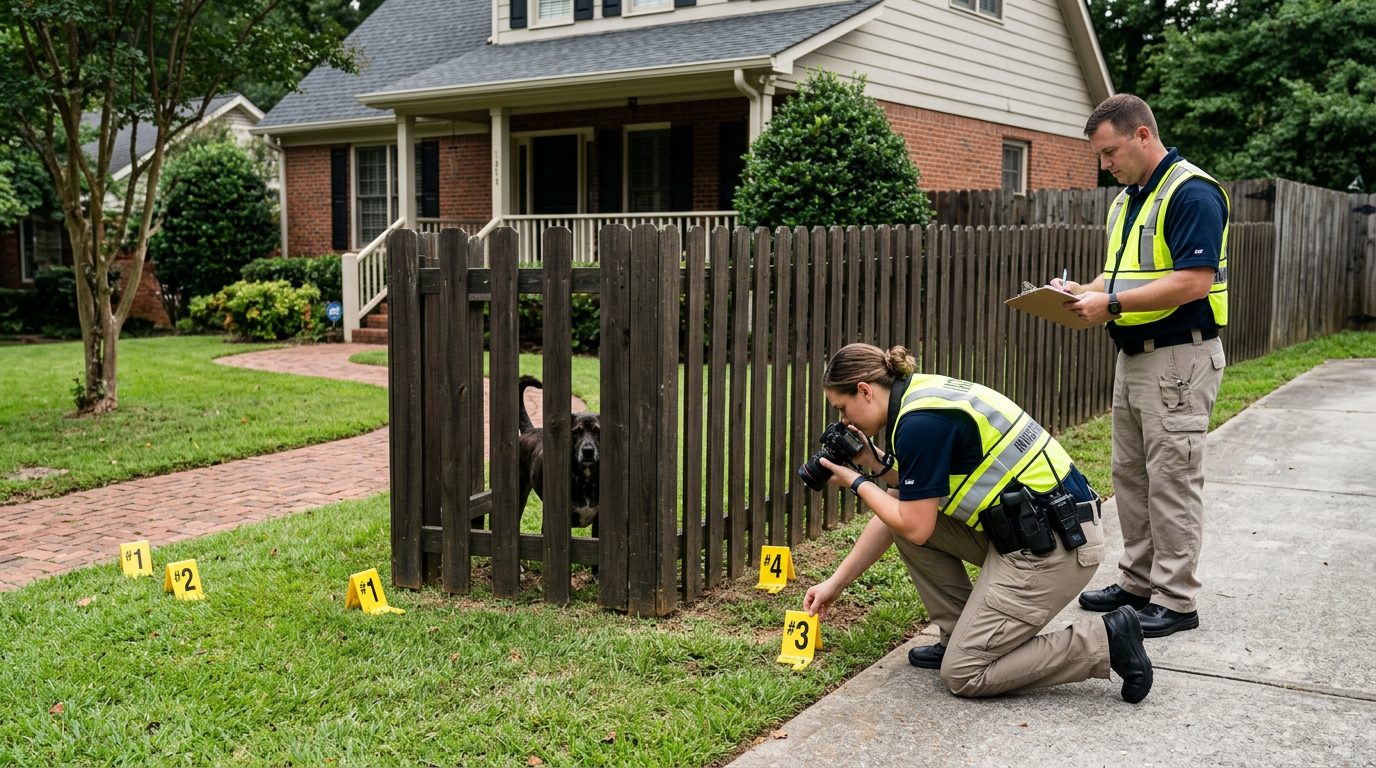
Provide the dog owner’s name and address if you have it, or a detailed description of the dog and the exact location where the bite happened. Animal control will investigate, check the dog’s vaccination records, and may quarantine the dog for observation to monitor for rabies. This investigation creates an official record of the incident and the dog’s history—critical documentation if a claim becomes necessary.
Request a copy of the animal control report once it’s completed. You’ll want this in your records.
Document Everything
Thorough documentation is essential. Start immediately and continue as your injuries heal.
Photograph your injuries: Take clear photos of the bite wounds from multiple angles. Photograph them again on day 3, day 7, and day 14 as they heal and change. Photos showing progression of healing—or of scarring and infection—are powerful evidence of injury severity.
Photograph the location: Take a photo of where the bite happened, including any relevant context (a residential yard, a public park, a sidewalk).
Write down the details: Record the exact date, time, and location. Note the dog’s appearance, size, and behavior. Write down the dog owner’s full name, address, phone number, and any insurance information they provide.
Get witness contact information: If anyone saw the bite happen, get their name, phone number, and email address.
Keep a timeline: Write down when you sought medical care, what the provider said, which medications you were prescribed, and any symptoms you experienced (fever, increased pain, spreading redness, difficulty with daily activities).
Save all receipts and records: Collect medical bills, pharmacy receipts for antibiotics or pain medication, and any documentation of lost wages if you missed work for medical appointments or recovery.
Notify the Dog Owner’s Homeowner’s or Renter’s Insurance
If you know the dog owner, ask for their homeowner’s or renter’s insurance information.
Contact the insurance company and report the incident. Provide your medical records and the documentation you’ve gathered. Do not sign anything or agree to a settlement offer without fully understanding your rights and the extent of your injuries. Insurance companies often make quick, low offers—especially if you’re not represented.
Not sure what your next step is?
Talk it through with our team — the first consultation is free, confidential, and carries no obligation.
Monitor Your Wound and Watch for Infection
Keep the wound clean and dry while it heals.
Watch for signs of infection: increased redness, warmth, or swelling around the bite; pus or discharge; red streaks extending from the wound; fever; or chills. Any of these signs mean you need immediate medical attention. Follow all instructions from your healthcare provider about wound care, antibiotics, and follow-up visits.
When to Consider Legal Help
Legal guidance becomes relevant if:
- Your injuries are significant or require ongoing medical treatment
- Your medical bills are substantial or you’ve lost wages from time off work
- The dog owner or their insurance company is uncooperative, denies responsibility, or offers an amount that doesn’t cover your actual costs
- You’re unsure about your rights under Georgia law
- The incident involved a dog with a documented history of attacks or aggression
You don’t have to navigate insurance disputes or medical bill negotiations alone. Many people in your situation reach out to understand what they’re entitled to and whether a claim makes sense for their circumstances.
Frequently Asked Questions
Do I need to go to the ER for every dog bite?
Any bite that broke the skin should be evaluated by a healthcare provider at an urgent care clinic or ER to assess infection and rabies risk—even if the wound looks small.
How long does rabies post-exposure prophylaxis take?
PEP is a series of four or five shots given over two weeks, depending on your prior vaccination history and the specific protocol your provider recommends.
What if I don’t know who owns the dog?
Provide animal control with a detailed description of the dog, the location, and the time of the incident. Animal control will investigate and may locate the owner through neighborhood canvassing or security footage.
How long do I have to report a dog bite in Georgia?
Report it to animal control within 24 hours. The sooner you report, the sooner the investigation begins and the dog’s vaccination records can be verified.
Can I get compensation for a dog bite in Georgia?
Georgia law holds dog owners responsible for injuries caused by their dogs. Compensation may cover medical bills, lost wages, pain and suffering, and scarring or disfigurement—but the amount depends on your specific injuries and circumstances. An attorney can help you understand what your case is worth.
A dog bite is a sudden, frightening event. The medical steps—cleaning, getting care, watching for infection—come first and are non-negotiable. Documentation and insurance reporting come next. If your injuries are serious, your medical costs are high, or the dog owner’s insurance isn’t cooperating, that’s when legal guidance helps. If you’re facing that situation now, reach out to discuss what your case might mean and what options are available to you.
Seek Medical Care First
Any bite that breaks the skin should be evaluated by a healthcare provider at an urgent care clinic or emergency room—even if the wound looks small. This assessment is critical to check for infection risk and determine if rabies post-exposure prophylaxis (PEP) is needed.
Immediate Steps After a Dog Bite
1. Wash the Wound
Rinse the bite area with soap and clean water for at least 5 minutes. This reduces infection risk and helps flush out bacteria.
2. Stop Any Bleeding
Apply gentle pressure with a clean cloth or bandage. If bleeding is heavy or won't stop, seek emergency care right away.
3. Apply Antibiotic & Cover
Use an over-the-counter antibiotic ointment and cover the wound with a clean bandage. Change the bandage daily until it heals.
4. Get Medical Evaluation
Visit urgent care or an ER to assess infection and rabies risk. Report the dog's vaccination status if known, and get the dog owner's information.
What You Should Know About Dog Bite Recovery
Rabies Post-Exposure Prophylaxis (PEP)
If rabies exposure is a concern, PEP is a series of shots given over two weeks. Your healthcare provider will determine if it's necessary based on the dog's history and the bite circumstances.
Document Everything
Keep records of the dog owner's name and contact information, the dog's vaccination records if available, photos of your injuries, and all medical bills and treatment records.
Watch for Infection Signs
Monitor the wound for increased redness, warmth, swelling, pus, or fever. Contact your doctor immediately if any of these develop.
Know Your Rights
In Georgia, dog owners are responsible for injuries caused by their dogs. If you've been bitten due to someone's negligence, you may have a legal claim for your medical costs and other damages.
When to Contact a Personal Injury Attorney
If a dog bite has left you with significant injuries, medical bills, or ongoing pain, a personal injury attorney can help you understand your options. You may be entitled to recover costs related to your injury.