
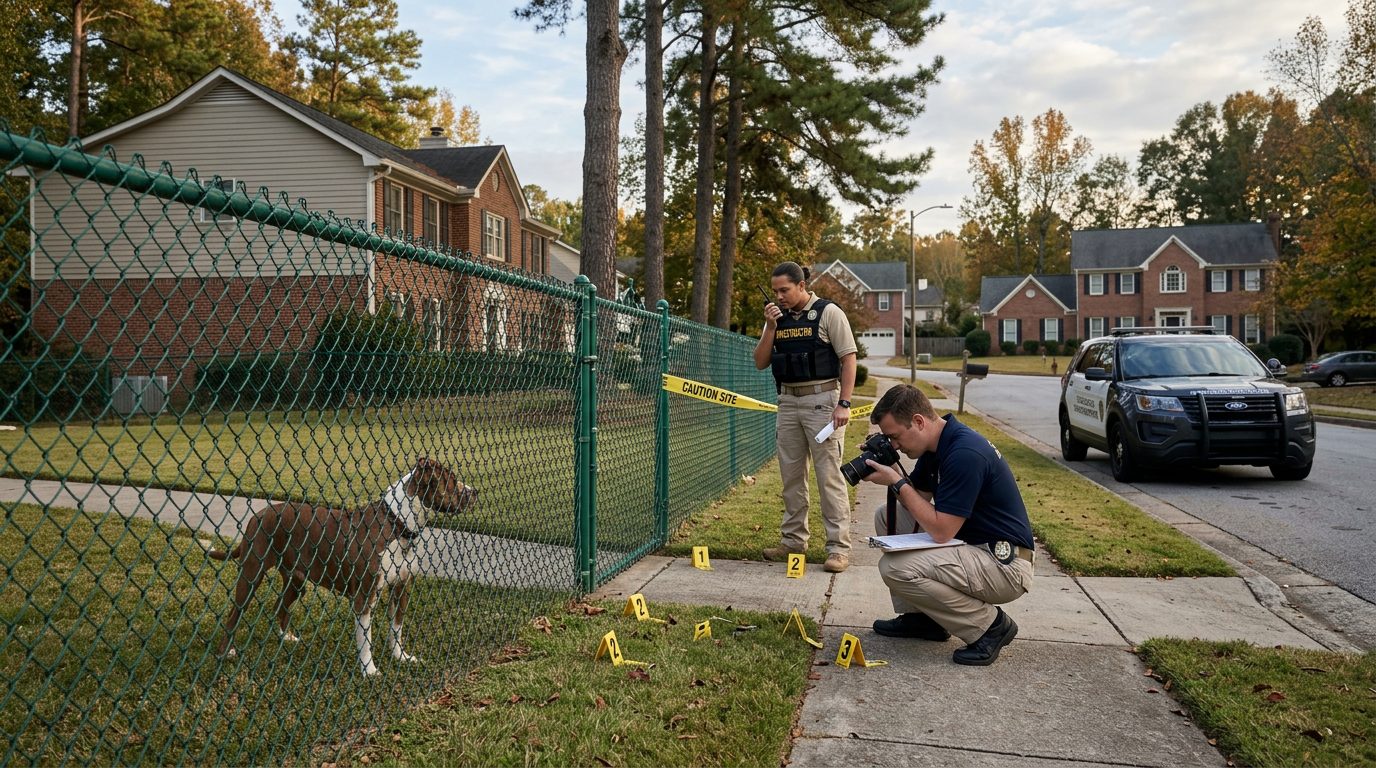
Dog Bite Claims | Duluth, Georgia
Hurt by a Dog?
Insurance questions can arrive fast, often while you are still recovering. Here is a plain-language way to understand what to look for and how a lawyer can help you sort it out.
By Peter F. Jaraysi · Published November 13, 2026
If your dog bites someone, one of your first worries may be your home insurance. A bite claim can affect your homeowners policy, but it does not always end your coverage. In short, a bite can lead to a non-renewal, a higher premium, or a new dog exclusion. The policy wording and the facts of the bite decide which of these, if any, applies.
This guide explains how liability coverage usually responds, why insurers may act after a claim, and what Georgia law says about dog owners. It is written for owners in Duluth, Atlanta, and across the metro area, and for family members helping someone who was hurt.
Short answer: can homeowners insurance drop you after a dog bite?
Yes, an insurer can change or non-renew a policy after a dog bite claim, but it is not automatic. Three separate events can happen: the claim may be paid, the claim may be denied, or the policy may be changed or non-renewed at renewal. A paid claim does not always mean the policy will renew on the same terms. A denied claim does not always mean the policy will be dropped, either.
That is why you should read your renewal notice closely instead of guessing. Each insurer sets its own underwriting rules. Two companies can respond to the same bite in very different ways, so the letter in your hand matters more than general rumors.
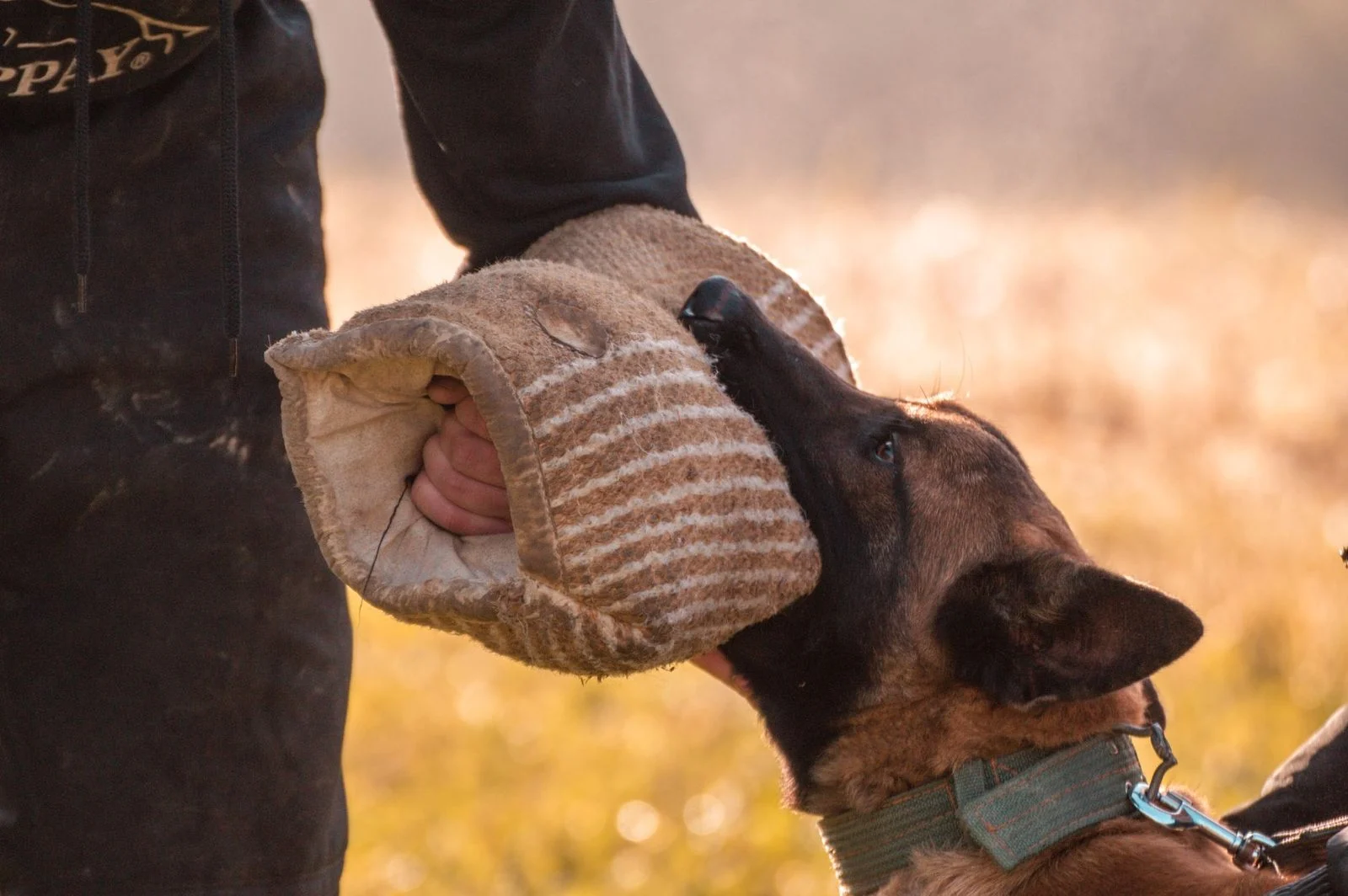
How homeowners liability coverage responds to a dog bite claim
Homeowners liability coverage is the part of the policy that usually responds when your dog hurts someone. The Georgia Office of the Commissioner of Insurance and Safety Fire says homeowners insurance generally includes personal-liability coverage for injury claims arising from accidents on the insured property. Coverage for a bite that happens somewhere else depends on the policy wording.
In general terms, the insurer handles covered claims and pays covered damages up to the policy’s liability limit. That limit is the most the policy will pay for covered liability claims, so check it on your declarations page. Read the exclusions section too. Some policies exclude certain dog breeds or dogs with a prior bite history.
If you rent your home, a renters policy may respond in a similar way. For that situation, see our renters insurance and dog bite guide.
Why an insurer may non-renew, surcharge, or exclude a dog after a bite
An insurer may change your policy after a bite because the claim suggests a higher risk. Underwriters often look at the claim history, the dog’s breed or size under their own rules, and whether there were earlier incidents involving the same animal. None of this is automatic, and the exact factors come from each company’s rules and your policy.
Several common mistakes can make the situation harder. Many owners assume a paid claim means the policy is safe. Others set the renewal letter aside and miss a deadline or a new endorsement. An endorsement is a written change to the policy, and a dog exclusion added after a bite can leave a gap in coverage for future incidents.
Keep the events separate in your mind. A claim that is paid, a claim that is denied, and a policy that is non-renewed each have different effects. Ask the insurer to explain in writing which one applies to you.
Georgia dog bite law and why the owner’s conduct matters
Georgia’s dog bite statute, O.C.G.A. § 51-2-7, says a person who owns or keeps a vicious or dangerous animal may be liable in damages. That liability applies when the owner’s careless management, or allowing the animal to go at liberty, causes injury to a person who did not provoke the injury by his own act. The facts of how the bite happened therefore matter a great deal.
The statute also explains one way to prove a dog’s vicious propensity, which means a tendency to cause harm. If a city, county, or consolidated government ordinance requires the dog to be at heel or on a leash, showing the dog was neither at heel nor on a leash at the time is enough. The leash sentence does not apply to domesticated fowl, including roosters with spurs, or to domesticated livestock.
In plain words, the statute looks at how the owner managed the dog and whether the dog was under control. Our pillar guide on Georgia dog bite claims covers the wider picture.
Common questions: how much coverage pays and what proof is needed
Coverage pays up to your policy’s liability limit, and the amount depends on the injuries and the facts. A general guide cannot say what a particular claim will pay. O.C.G.A. § 51-2-7 says a person who owns or keeps a vicious or dangerous animal of any kind may be liable in damages if, by careless management or by allowing the animal to go at liberty, the animal causes injury to another person who does not provoke the injury by his own act; the general-damages rule is in a different section, O.C.G.A. § 51-12-2, which says general damages are those the law presumes to flow from any tortious act and may be recovered without proof of any amount. Special damages actually flow from the act and must be proved. O.C.G.A. § 51-12-2 sets out this distinction.
Medical expenses are limited to the reasonable value of medically necessary care, and the fact-finder decides that amount. If the injured person has health insurance, evidence can include both the amounts charged and the amounts actually needed to satisfy them. See O.C.G.A. § 51-12-1.1.
Useful proof usually includes:
- Medical records and itemized bills
- Photos of the injuries, the scene, and the dog
- Names and contact details of witnesses
- Any animal control or incident report
Severe bites often involve more medical care. A study of Atlanta-area pediatric facial dog bites lists severity markers, including anesthesia or sedation, several head-and-neck regions affected, and a surgical consultation. For that reason, records from the first day matter.
Does homeowners insurance cover dog bites?
Many homeowners policies include personal liability coverage that can apply to dog bites. The policy language, limits, and exclusions decide whether it applies to your situation.
How long do I have to sue over a dog bite in Georgia?
Georgia generally allows two years to file a personal injury lawsuit under O.C.G.A. § 9-3-33. Talk with a lawyer early so you don’t lose track of that timeline.
Am I liable if my dog attacks an intruder?
Whether an owner could be liable for an intruder bite turns on the facts. The key questions are how the person came onto your property and what the dog was doing at the time.
Careless management and allowing the dog to run loose still matter in these cases. Insurers may review intruder bites differently from ordinary bites. Compare the exact policy wording with the specific facts before you assume how coverage will respond.
Not sure what your next step is?
Talk it through with our team — the first consultation is free, confidential, and carries no obligation.
What to do right after a bite to protect your coverage
Notify your homeowners insurer promptly after the bite. Write down the date, the time, the name of the person you spoke with, and what was said. Keep a simple written record from the start.
Ask for a full copy of your policy, including every endorsement and any dog-related exclusion. Read the declarations page to confirm your liability limit. If you don’t understand a term, ask the insurer to explain it in writing.
Get medical care for the injured person first. Take photos of the injuries, the scene, and your dog. Keep every letter from the insurer and any animal control agency. These records are the proof the insurer and any later claim will rely on.
Be careful with recorded statements to anyone else. Understand the facts and your own policy before you speak in detail.
Talk with Slam Dunk Attorney about your dog bite situation
If you’re reading this after a letter from your insurer, a renewal that changed, or a neighbor or guest who was hurt, you may be carrying a lot right now. Slam Dunk Attorney is a personal injury firm based in Duluth, Georgia. Our team represents people hurt in dog bites and other injury cases across metro Atlanta and Georgia. Peter F. Jaraysi is the responsible lawyer for this page. To talk through your situation, reach out through our contact page for a free, confidential first consultation with no obligation to continue.
How Our Firm Can Help With Your Dog Bite Claim
Review the Policy
We help you look at the homeowners policy language, limits, and exclusions so you understand what the insurer has said and why.
Plain-Language Answers
Insurance terms can be confusing. We explain each step of the process in clear, everyday words so you can make informed decisions.
Protection From Pressure
Insurers may ask for recorded statements or quick settlements. We help you decide how to respond before you commit to anything.
Focus on Your Recovery
We handle the paperwork and calls with the insurance company so you can concentrate on your health and your family.
Warning: Do Not Sign Quickly
Insurance adjusters may contact you soon after a bite. Avoid signing releases or giving a recorded statement until you understand what you are agreeing to.
After a Dog Bite: Steps That Can Help
Get Medical Care
Seek treatment right away, even if the wound looks minor. Keep every record, bill, and prescription.
Document the Scene
Take photos of your injuries, the location, and any visible damage. Write down what happened while the details are fresh.
Collect Contact Information
Note the dog owner's name, address, and phone number, along with any witnesses and animal control reports.
Speak With a Lawyer
Before answering detailed questions from an insurer, talk with our team about how your claim should be handled.