
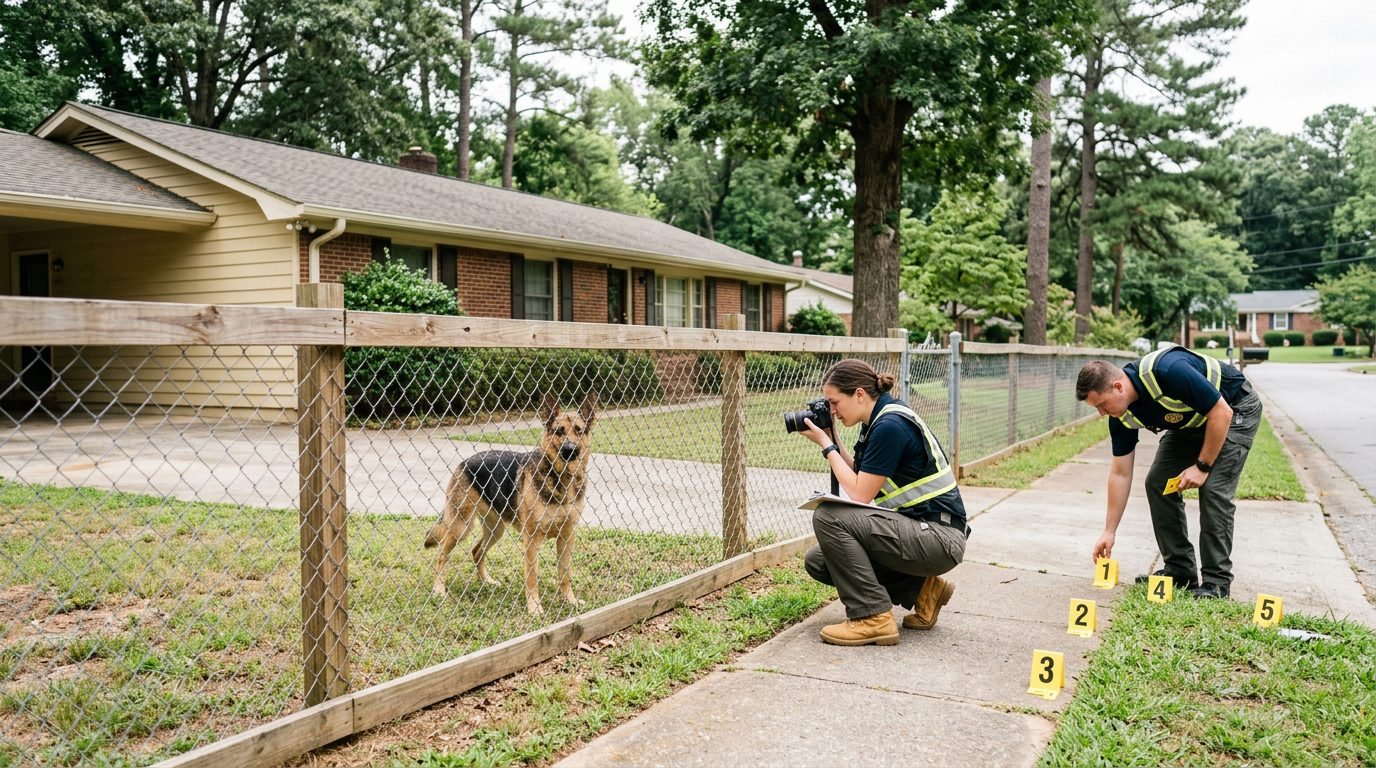
Dog Bite Claims | Duluth, Georgia and Metro Atlanta
Does Your Homeowners Insurance Pay for a Dog Bite?
A plain-language look at how liability coverage can come into play after a dog bite, and why the details of your policy matter.
By Peter F. Jaraysi · Published November 13, 2026
Someone was bitten by a dog, and now bills and phone calls are piling up. Often, a homeowners policy’s personal liability coverage can apply when a dog bites someone. Whether a specific claim is covered depends on the policy wording and the facts.
This guide explains the coverage parts, what can change the answer, and the first steps that matter most.
Quick Answer: Does Renters or Homeowners Insurance Cover a Dog Bite?
Usually, a renters or homeowners policy can respond to a dog bite claim against the policyholder. Two coverage parts come up most often: personal liability coverage and medical payments to others. Which part applies, and how much it pays, depends on the policy wording and the facts.
You may be the person who was bitten, a parent of a child who was bitten, or a relative helping someone decide what to do next. You may also be the dog owner, worried about your own policy. Each role raises different questions.
For a wider view of dog bite claims in Georgia, read our Georgia dog bite claims guide.
If a dog bite has left you facing medical bills and a letter from an insurer, you don't have to sort out coverage alone. Our team can talk it through with you. Talk it through with our team — the first consultation is free, confidential, and carries no obligation.
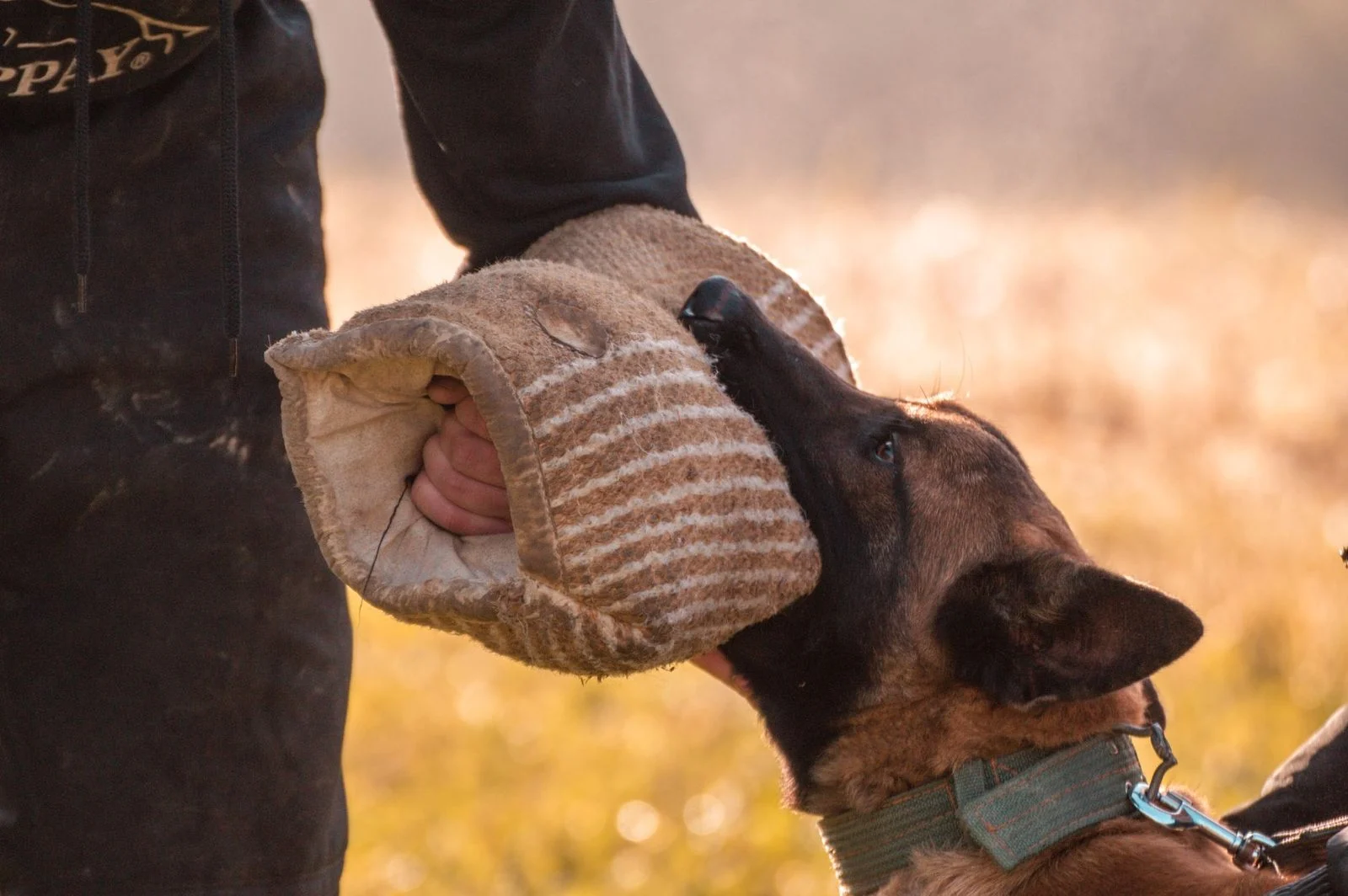
How Georgia Law Makes the Owner Responsible for a Dog Bite
Georgia law can make a dog’s owner or keeper liable for an injury the dog causes. The core rule is in the Georgia animal liability statute, O.C.G.A. § 51-2-7.
The statute covers a person who owns or keeps a vicious or dangerous animal. That person may be liable when careless management, or letting the animal go at liberty, causes injury to another person who did not provoke the injury.
The statute speaks of “another person,” so the injured person does not need to own the dog.
A leash rule can matter too. If a city, county, or consolidated government ordinance required the dog to be at heel or on a leash, and at the time of the bite it was neither at heel nor on a leash, the statute says that is enough to show vicious propensity.
Why does this matter for insurance? A liability policy exists to pay for the owner’s legal responsibility to others. Whether the owner is responsible depends on the facts of each case.
What Renters Insurance Typically Covers After a Dog Bite
Renters insurance usually pays for the policyholder’s legal liability to others, up to the policy limit. This is personal liability coverage. It responds when the policyholder becomes legally responsible for another person’s bodily injury.
Medical payments to others is a separate part. It usually pays a limited amount toward a guest’s medical bills, often without regard to who was at fault. It has its own cap and conditions.
Keep the two parts apart in your mind. The owner’s policy pays for the owner’s legal responsibility. The injured person’s losses are still part of the claim against the owner.
Where the bite happened matters. So does whether the injured person was a household member or a guest. Either can change which part applies.
Renters policies can carry lower liability limits than homeowners policies. Read the declarations page to confirm your limits. It is the summary page that lists what your policy pays.
Does Homeowners Insurance Cover Dog Bites the Same Way?
Homeowners policies usually have a similar personal liability part. A homeowners policy often responds to a dog bite in much the same basic way. The Georgia Office of the Commissioner of Insurance says homeowners insurance generally includes personal-liability coverage for injury claims from accidents on the insured property.
Coverage can still be limited. Some policies exclude certain dog breeds or dogs with a prior bite history. Others look at whether a dog was disclosed when the policy was written or renewed. An undisclosed dog can create a coverage problem.
Business use is another issue. Short-term rentals raise questions a standard policy may not answer. The Insurance Information Institute explains when short-term rental activity may be covered under a homeowners or renters policy. It also explains when regular hosting is treated as a business needing separate coverage.
If you host guests through Airbnb or VRBO, ask your insurer in writing how it treats short-term rental guests.
Will Homeowners Insurance Drop You if Your Dog Bites Someone?
A bite claim can lead an insurer to review your policy. It may also lead to non-renewal. The result depends on the insurer, the policy terms, and what happened.
When a cancellation or non-renewal notice arrives, read it closely. Note the date, the stated reason, and any deadline to respond. Then ask the insurer to explain the reason in writing, and keep a copy.
If coverage ends, ask what replacement coverage is available and when it starts. A gap in coverage can cause real trouble, so raise that question early.
The insurer’s review of your policy is a separate question from who is responsible for the injury. Stay calm, stick to facts, and avoid guessing about fault.
What Proof Is Needed for a Dog Bite Claim?
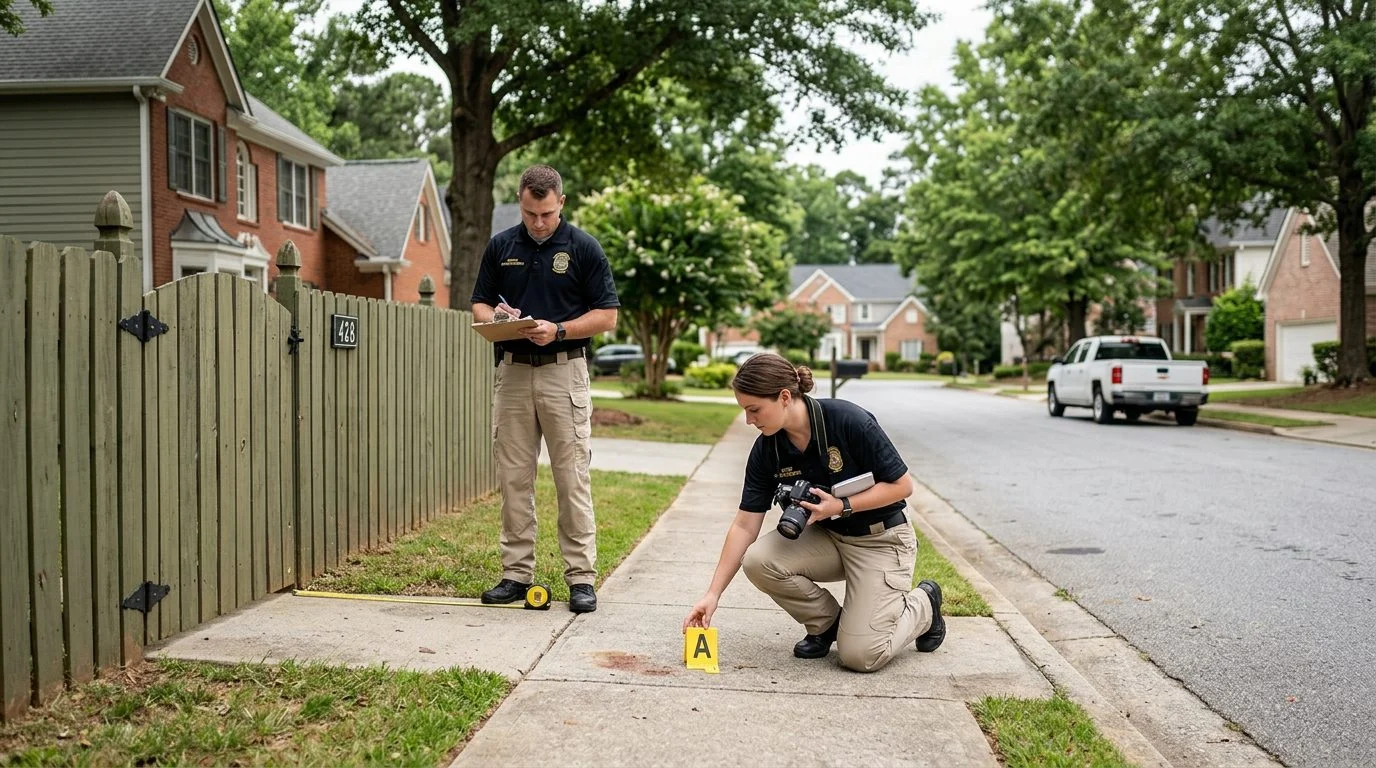
The most useful proof is gathered early. Focus on these items:
- Photos of the injury and the bite area, taken as soon as possible and dated.
- Medical records and bills, including follow-up visits.
- Names and contact details for any witnesses.
- The dog owner’s name, address, and contact information.
- Any animal control report or incident number.
Earlier complaints matter too. Neighbor reports, prior complaints about the dog, or an earlier bite can bear on what the owner knew about the dog.
Expect the insurer to ask for a written description. It may also ask for a recorded statement. You can ask for time to review the request, and you can keep a copy of everything you send. Stick to what you saw and experienced. Avoid guessing about fault in writing.
Not sure what your next step is?
Talk it through with our team — the first consultation is free, confidential, and carries no obligation.
Is a Level 4 Dog Bite Serious?
A deep bite needs prompt medical evaluation. A bite-severity label alone doesn’t settle how serious an injury is.
Bite-severity labels, including the “level 4” label people search for, describe the bite’s physical pattern. They don’t by themselves determine the medical outcome or the value of a claim.
Ask your doctor about follow-up care and the warning signs of infection. Keep a written log of symptoms, appointments, and out-of-pocket costs. Those records help show the injury over time.
Time Limits and Next Steps After a Dog Bite in Georgia
Georgia’s general deadline for injury-to-the-person claims is two years. That rule comes from O.C.G.A. § 9-3-33, which says actions for injuries to the person must be brought within two years after the right of action accrues, except as otherwise provided in that article (for example, four years for actions involving loss of consortium). Other deadlines can apply in some situations.
Start with these steps:
- Get medical care first, and follow the care plan.
- Report the bite to animal control. Local offices can have their own process, so ask how they take reports.
- Notify the dog owner’s insurer promptly, and put the notice in writing.
- Keep a dated log of symptoms, expenses, and missed work.
An owner’s statement about coverage is not the insurer’s final word. Direct coverage questions to the insurer in writing.
Does my homeowners insurance cover dog bites?
Often, yes, through personal liability coverage on the owner’s policy. The policy wording and the facts decide each claim.
Will homeowners insurance drop you after a dog bite?
It can. A bite claim may lead to a policy review or non-renewal, depending on the insurer and the policy terms.
What proof is needed for a dog bite claim?
Photos, medical records and bills, witness names, the owner’s details, and any animal control report number are the core items.
When to Talk With a Georgia Dog Bite Attorney
If an insurer’s letter is hard to follow, or an early offer is on the table, talking with our team can help you see your options.
Maybe the bite happened to your child, to a guest, or to you. Maybe the family is asking whose policy will respond, and no one has clear answers yet. Our team can help you sort through those questions.
Slam Dunk Attorney, based in Duluth, Georgia, offers a free, confidential first consultation with no obligation to continue. To request a free case review, reach out through our contact page.
Disclaimer and Responsible Lawyer
This page is general information, not legal advice. Policy language and the facts of each situation control coverage.
Peter F. Jaraysi is the responsible lawyer for this page. Slam Dunk Attorney, in Duluth, Georgia, practices in Georgia. You can reach the firm through its contact page.
Reading this page does not create an attorney-client relationship.
Questions to Bring to Your Review
Who Is Listed on the Policy
The named insured and any household members can affect how a claim is reviewed, so gather the declarations page early.
Where the Bite Happened
Whether the bite occurred on the owner's property, a neighbor's yard, or a public place can change which coverage is relevant.
Personal Liability Limits
The liability limit on the policy sets the ceiling for what the insurer may pay, so the limit itself is worth understanding.
Your Medical Needs
Injuries from dog bites can require treatment over time, and a clear record of care helps every part of a claim.
Be Careful With Early Calls
An insurance adjuster may call soon after a bite and ask for a recorded statement. Before you give one or sign any release, speak with a lawyer about what you are being asked to agree to.
How Our Team Can Help
Reviewing the Policy
We look at the wording of the homeowners policy and the facts of the bite to explain how coverage may apply to your situation.
Communicating With Insurers
We can handle conversations with insurance companies so you are not left answering questions alone while you recover.
Organizing Your Records
We help gather medical bills, photos, witness details and communications so your claim is presented clearly.
Explaining Your Options
We walk through the possible paths for your claim in plain language so you can decide what fits your needs.