
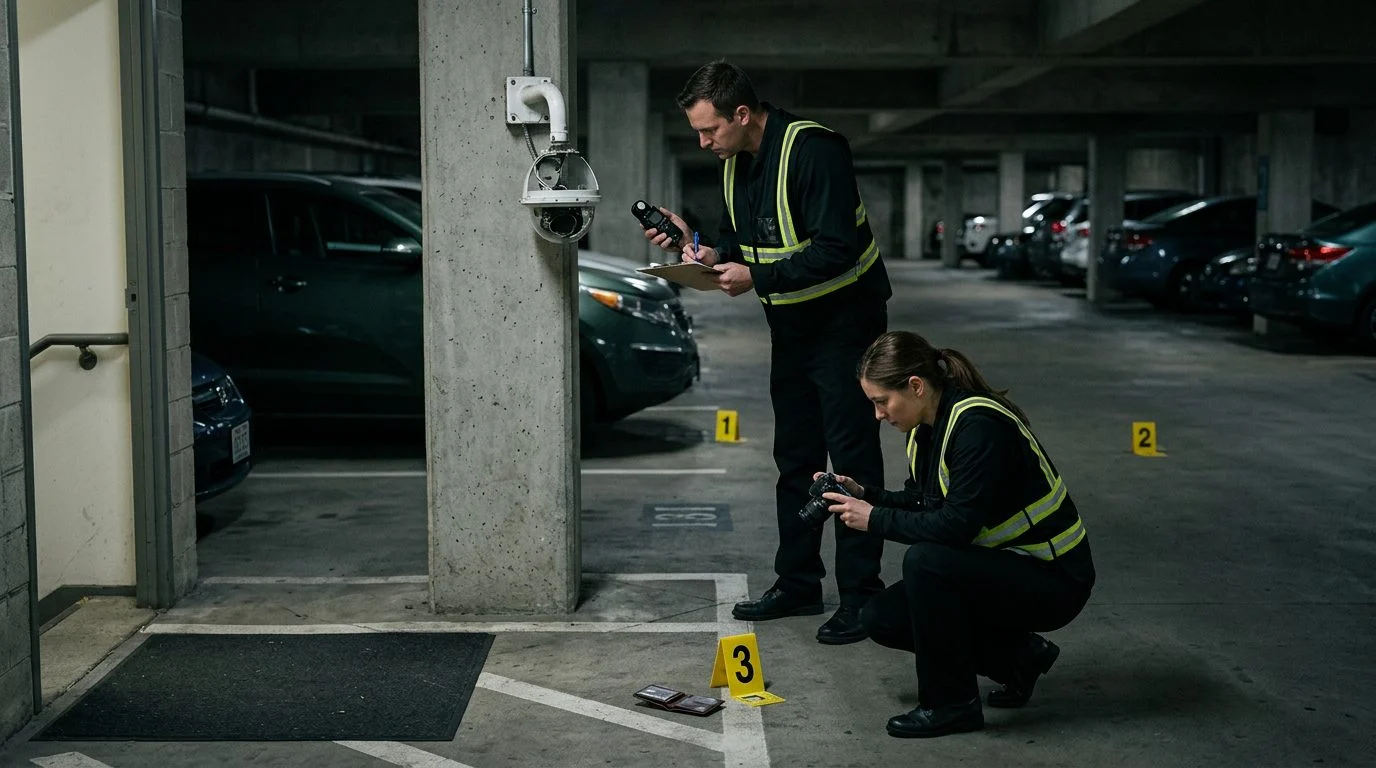
Negligent Security Lawyer
When a Property Owner's Failure to Protect You Causes Harm
If you were injured by a criminal act on someone else's property—a parking lot attack, break-in, or assault—the owner may be liable for inadequate security. Slam Dunk Attorney represents injured people across Georgia.
By Peter F. Jaraysi · Published September 14, 2026
Negligent Security Lawyer in Georgia: Protecting Your Rights When Property Owners Fail
When you’re attacked or injured on someone else’s property, the trauma and pain can be overwhelming. But there’s an important legal question beneath the surface: did the property owner fail to provide reasonable security that might have prevented the crime? If so, you may have a negligent security claim—and you don’t have to pursue it alone.
A negligent security lawyer helps you hold property owners accountable when they fail to protect you from foreseeable criminal acts. This guide explains what negligent security is, when property owners are liable, what damages you can recover, and why experienced legal representation matters in these complex cases.
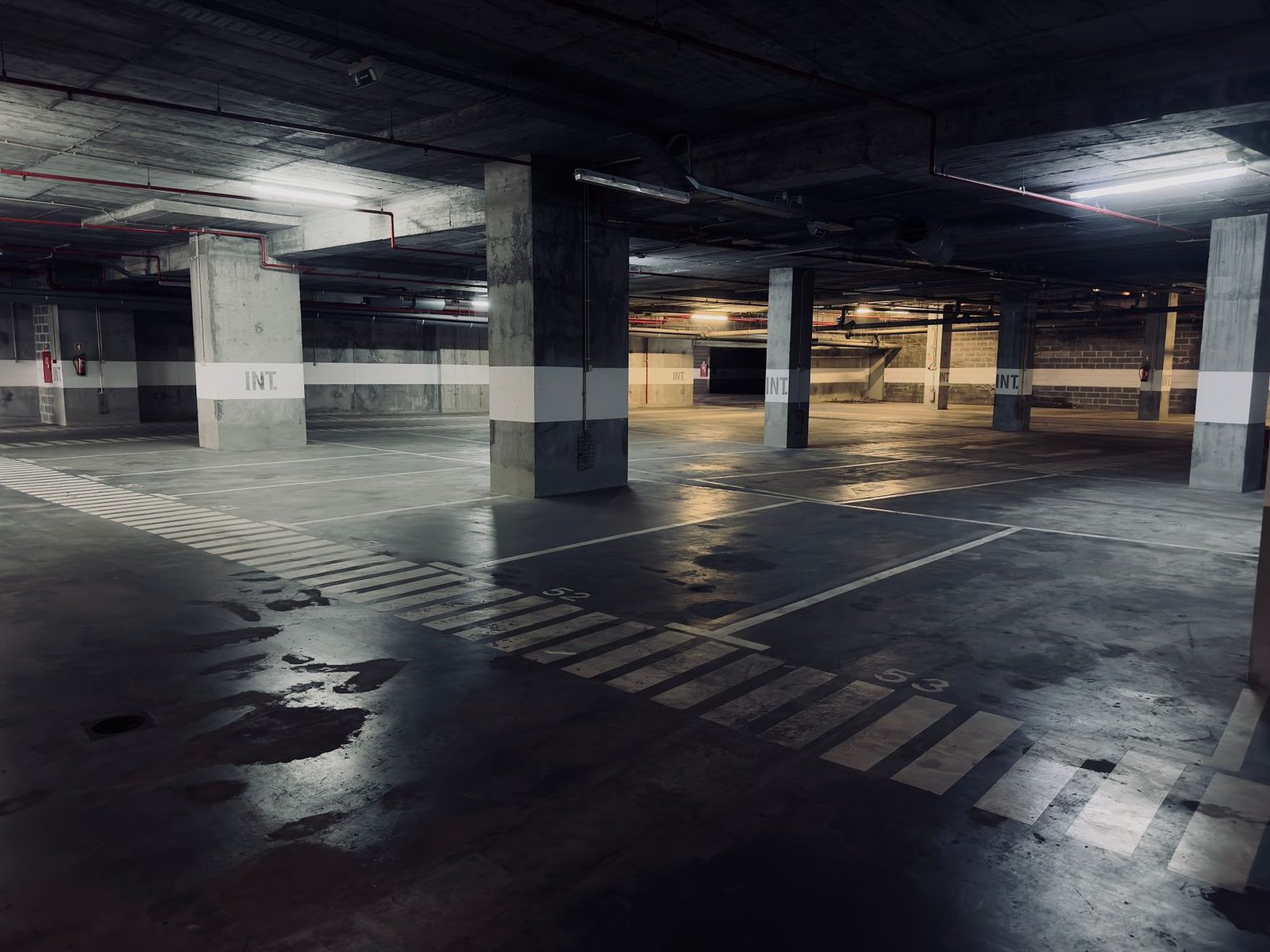
If you were injured by a criminal act on someone else's property—a parking lot attack, break-in, or assault—the owner may be liable for inadequate security. Talk it through with our team — the first consultation is free, confidential, and carries no obligation.
What Is Negligent Security?
Negligent security is a property owner’s failure to provide reasonable security measures that protect visitors and tenants from foreseeable criminal acts like assault, robbery, or sexual assault. It’s distinct from general premises liability, which covers unsafe conditions (like a broken stair or wet floor). Negligent security focuses on the owner’s duty to anticipate and prevent harm caused by third-party criminals.
Property owners have a legal duty to provide adequate security based on the risks present at their location. A well-lit apartment complex with working locks and security cameras meets a higher standard than a dark parking lot with broken gates and no cameras. When an owner knows—or should know—that crime is likely in their area, they must take reasonable steps to prevent it. If they don’t, and you’re harmed as a result, you may have grounds for a claim.
When Is a Property Owner Liable for Negligent Security?
Georgia courts apply a four-element test to determine negligent security liability. All four must be present for you to have a valid claim.
Duty. Property owners owe a duty of reasonable care to protect invitees (visitors) and tenants from foreseeable criminal acts. This duty exists because owners control the property and can implement security measures that visitors cannot.
Breach. The owner must have failed to implement reasonable security measures. What’s “reasonable” depends on the property’s location, the neighborhood’s crime rate, prior incidents on the property, and industry standards for similar properties. A hotel in a high-crime area faces a higher security standard than a retail store in a quiet suburb.
Foreseeability. This is the linchpin of negligent security liability. The owner must have known—or reasonably should have known—that criminal activity was likely. Evidence of prior crimes on the property, complaints from tenants or visitors, high neighborhood crime rates, or similar incidents at nearby properties all establish foreseeability. If the owner ignored warning signs, liability becomes stronger.
Causation and Damages. The inadequate security must have directly enabled or facilitated the crime. If a parking lot had no lighting and you were assaulted in the dark, the missing lights directly contributed to the attacker’s ability to act undetected. You must also have suffered actual damages—physical injury, medical bills, lost wages, emotional trauma, or other measurable harm.
What Counts as Inadequate Security?
Inadequate security takes many forms. Here are common deficiencies that strengthen a negligent security claim:
- Broken or missing locks on doors, windows, or gates that allow unauthorized entry
- Lack of outdoor lighting in parking areas, entrances, hallways, or common spaces where attackers can hide
- Non-functional or absent security cameras that fail to deter or document crimes
- No security personnel or guards on duty, especially in high-risk areas
- Disabled or missing alarm systems that fail to alert authorities
- Poor property maintenance, such as overgrown landscaping that provides hiding spots
- Failure to respond to prior incidents, complaints, or known security vulnerabilities
- Inadequate access control, such as broken key card systems or no entry screening
- No emergency communication systems (intercoms, panic buttons, emergency phones)
- Failure to report crimes to law enforcement or to warn tenants and visitors of known dangers
In the negligent security cases our attorneys handle, we often find that property owners knew about prior incidents but took no action—a fact that significantly strengthens a claim.
Common Negligent Security Scenarios in Georgia
Negligent security claims arise across many property types throughout Georgia and metro Atlanta.
Apartment complexes are frequent sites of negligent security claims. Assaults in hallways, parking lots, or common areas often occur when buildings lack working locks, adequate lighting, security cameras, or on-site security personnel. Tenants are particularly vulnerable because they have no choice but to use these areas repeatedly.
Parking lots present obvious security risks. Robberies and assaults happen in poorly lit, unmonitored lots without cameras or security presence. Whether attached to a shopping center, hotel, or apartment building, inadequate parking lot security is a common source of injury.
Hotels and motels must provide secure rooms and common areas. Break-ins, assaults, and sexual assaults occur when key card systems are broken, front desks are unmanned, hallways lack lighting, or security staff is absent or undertrained.
Bars and nightclubs have a duty to provide adequate security, especially when alcohol is served and crowds gather. Fights, assaults, and even shootings can result from absent or inadequately trained security staff.
Retail businesses must protect customers and employees. Robberies and assaults occur when stores lack security cameras, functioning alarms, or visible security presence.
How to Prove a Negligent Security Claim in Georgia
Proving negligent security requires careful investigation and evidence gathering.
Establish duty. Show that the property owner owed you a duty to protect you from foreseeable criminal acts. This is usually straightforward—you were a lawful visitor or tenant, and the owner controlled the property.
Demonstrate breach. Compare the security measures actually in place to industry standards and the property’s risk profile. Expert testimony from security professionals often proves essential here. They can explain what a reasonably secure property of that type should have included.
Prove foreseeability. Gather evidence of prior crimes on the property, tenant complaints, police reports, neighborhood crime statistics, or similar incidents at nearby properties. Public records requests can uncover prior police calls to the location. This evidence shows the owner knew or should have known danger was likely.
Show causation. Connect the inadequate security directly to the crime. If you were assaulted in a dark parking lot, the missing lighting directly enabled the attacker. If you were robbed after an intruder bypassed broken locks, the broken locks directly facilitated entry.
Document damages. Collect medical records, hospital bills, receipts for ongoing treatment, pay stubs showing lost wages, and documentation of psychological harm like PTSD or anxiety. These form the foundation of your damage claim.
Gather investigation evidence. Obtain the police report, any available security footage, witness statements, photographs of the property (lighting, locks, cameras, signage), and records of prior incidents or complaints.
Not sure what your next step is?
Talk it through with our team — the first consultation is free, confidential, and carries no obligation.
What Damages Can You Recover?
Negligent security damages fall into two categories: economic (measurable financial losses) and non-economic (pain, suffering, and loss of quality of life).
Economic damages include: – Medical expenses (emergency care, hospitalization, surgery, ongoing treatment, rehabilitation) – Lost wages during recovery – Future medical care if your injury is permanent – Costs of counseling or mental health treatment
Non-economic damages include: – Pain and suffering from the physical injury – Emotional distress, trauma, and PTSD – Permanent disability or disfigurement – Loss of enjoyment of life (inability to participate in activities you previously enjoyed)
Punitive damages are rare but possible in cases of gross negligence or reckless conduct—when an owner’s failure to provide security was so egregious that it warrants punishment beyond compensating you for your losses.
We cannot guarantee specific damage amounts; recovery depends on the severity of your injury, the strength of the evidence, and other facts unique to your case.
Statute of Limitations for Negligent Security Claims in Georgia
Georgia law gives you two years from the date of injury to file a negligent security lawsuit. This deadline is strict—if you miss it, you lose your right to sue, regardless of the strength of your claim.
Acting quickly is critical. Evidence degrades over time. Security footage is often deleted after 30 to 90 days. Witnesses’ memories fade. Police reports may become harder to access. The sooner you consult a lawyer, the sooner we can preserve evidence and begin investigating.
Some property owners may require prompt notice of the incident. Delaying notification could complicate your claim. An attorney can ensure proper notice is given and deadlines are met.
What to Do After You’re Attacked or Injured on a Property
Your immediate actions after an attack directly impact your legal claim.
-
Seek medical attention immediately, even if injuries seem minor. Injuries can worsen, and medical records document the harm you suffered.
-
Report the incident to property management, the business owner, or whoever is responsible for the property. Ask for their written incident report and keep a copy.
-
Contact law enforcement and file a police report. Obtain the report number and a copy of the report itself—this is crucial evidence.
-
Document the scene. Take photos and videos of lighting conditions, locks, cameras (or lack thereof), signage, landscaping, and any other security features (or their absence). This visual evidence is powerful.
-
Gather witness information. Get names, phone numbers, and email addresses of anyone who saw the incident or the property conditions.
-
Preserve evidence. Keep all medical records, receipts, communication with the property owner, photographs, and other documents related to the incident.
-
Do not sign waivers or settlement offers without legal advice. Property owners and insurers may pressure you to settle quickly for far less than your claim is worth.
-
Consult a negligent security lawyer as soon as possible. An attorney can advise you on next steps, ensure deadlines are met, and begin investigating immediately.
Why You Need an Experienced Negligent Security Lawyer
Negligent security claims are complex. They require proving foreseeability, breach, and causation—concepts that property owners and their insurers will dispute vigorously. Insurance companies have teams of lawyers and adjusters working to minimize or deny your claim. You need an experienced advocate on your side.
A skilled negligent security lawyer: – Investigates the property’s history, prior incidents, and security practices – Obtains police records, crime statistics, and prior complaints – Retains expert witnesses (security professionals, medical experts, economists) to testify about standards and damages – Negotiates with insurers from a position of strength – Prepares your case for trial if settlement negotiations fail – Understands Georgia law and local court procedures – Allows you to focus on recovery while the legal work is handled
Negligent Security Claims Across Metro Atlanta and Georgia
Slam Dunk Attorney represents injured people across Georgia, including Atlanta, Lawrenceville, Johns Creek, Alpharetta, Marietta, Norcross, Kennesaw, and Dunwoody. Each community has unique property types, crime patterns, and security risks. Our local knowledge of property owners, businesses, and insurance practices in these areas strengthens your case.
How Much Does a Negligent Security Lawyer Cost?
We work on a contingency fee basis. You pay no upfront legal fees. We’re paid only if you recover compensation through settlement or verdict. This aligns our interests with yours—we succeed when you succeed.
You may be responsible for case costs (investigation, expert witnesses, court filing fees, deposition transcripts) regardless of the outcome. We discuss these potential costs upfront and keep you informed as expenses accumulate. A transparent fee agreement is in place before representation begins.
Have questions about what happened?
Ask our team directly. The first conversation is free, confidential, and there is no obligation to continue.
Frequently Asked Questions
What’s the difference between negligent security and premises liability?
Premises liability covers injuries from unsafe conditions (broken stairs, wet floors, poor maintenance). Negligent security covers injuries from criminal acts that the owner failed to prevent through adequate security.
Can I sue if I was attacked in a parking lot?
Yes, if the parking lot lacked reasonable security (lighting, cameras, guards) and prior crimes made the risk foreseeable.
Do I need an expert witness to prove negligent security?
Expert testimony from a security professional strengthens your claim significantly, especially to establish industry standards and breach of duty.
How long does a negligent security case take?
Cases vary widely depending on complexity, the willingness of the other side to settle, and court schedules. Some settle within months; others take a year or more.
What if I was partially at fault for being in that location?
Georgia follows comparative negligence (shared fault) rules. Your recovery may be reduced if you were partially responsible, but you can still recover if the property owner was more at fault.
Take the Next Step
If you were attacked or injured on a property where security was clearly lacking—a dark parking lot with no lights, broken locks on doors, non-functional cameras, or an absence of security staff—you may have grounds for a negligent security claim. People in your situation can reach out to us to understand what happened, whether the property owner bears responsibility, and what compensation might be available. Contact Slam Dunk Attorney for a free consultation. We’ll listen to your story, answer your questions, and explain your options with no obligation.
What Is Negligent Security?
The Core Difference
Premises liability covers injuries from unsafe conditions—broken stairs, wet floors, poor maintenance. Negligent security covers injuries from criminal acts that a property owner failed to prevent through adequate security measures.
When Owners Are Responsible
Property owners have a duty to maintain reasonable security based on the location's history and known risks. If they fail to install locks, lighting, cameras, or security personnel—and a criminal act injures you—they may be held liable.
Common Negligent Security Cases
Attacks in parking lots, break-ins at apartments, assaults at retail stores, robberies at gas stations, and violence at hotels or entertainment venues often involve negligent security claims.
Important: You May Still Owe Case Costs
If we represent you on a contingent fee basis—meaning no fees unless there is a recovery—you may still be responsible for case costs such as filing fees, expert reports, and investigation expenses. These are separate from attorney fees.
Can You Sue for a Criminal Act on Someone Else's Property?
Parking Lot Attacks
Yes, if the parking lot owner failed to provide adequate lighting, security cameras, or patrols—and the lack of security made the attack foreseeable or more likely.
Apartment or Rental Break-Ins
Yes, if the landlord or property manager failed to maintain working locks, repair broken doors or windows, or provide security measures appropriate to the neighborhood's crime history.
Retail or Business Assaults
Yes, if the business owner knew of prior criminal activity on the premises but failed to hire security, install cameras, or take other reasonable precautions.
What You'll Need to Show
You'll need to demonstrate that the owner knew (or should have known) of a security risk, failed to take reasonable steps to address it, and that failure allowed a criminal to harm you.
Why Slam Dunk Attorney for Your Negligent Security Claim
We Focus on Injury Claims
Our practice focuses exclusively on personal injury cases—car accidents, truck accidents, motorcycle accidents, pedestrian accidents, dog bites, premises liability, slip and fall, negligent security, nursing home abuse, and wrongful death across Georgia.
Serving Metro Atlanta and Georgia
Based in Duluth, Georgia, we represent injured people throughout the Atlanta area, including Lawrenceville, Johns Creek, Alpharetta, Marietta, Norcross, Kennesaw, and Dunwoody.
Plain-Language Guidance
We explain your rights and options in clear, straightforward terms—no legal jargon. You'll understand what happened, why it matters, and what comes next.
Thorough Investigation
We investigate the property's security history, prior incidents, and the owner's knowledge of risks. We gather evidence to build a strong claim on your behalf.
Frequently Asked Questions
What if I was partially at fault for being in the wrong place?
Georgia law allows recovery even if you bear some responsibility. Your award may be reduced by your percentage of fault, but you can still pursue a claim if the property owner's negligence contributed to your injury (O.C.G.A. § 51-12-33; Quynn v. Hulsey, 310 Ga. 473 (2020)).
How long do I have to file a negligent security claim?
Time limits apply to personal injury claims. Contact us as soon as possible so we can review your situation and ensure your claim is filed within the required timeframe.
Do I need to prove the property owner hired the criminal?
No. You need to show only that the owner failed to provide reasonable security, and that failure allowed a criminal to harm you. The criminal's identity or motive is secondary.
What damages can I recover?
Damages may include medical expenses, lost wages, pain and suffering, and other losses caused by your injury. We'll evaluate your specific situation and pursue fair compensation on your behalf.