
Negligent Security | Atlanta & Georgia
Hurt by Crime on Someone Else's Property? Talk With Our Team
Hotels, parking decks, apartments and businesses are expected to keep people reasonably safe. When they fail, our lawyers can help you understand your options.
By Peter F. Jaraysi · Published November 12, 2026
If you were hurt in an attack at a hotel or parking deck, you may be wondering whether the property could be held responsible. In Georgia, an owner or occupier can be liable for negligent security when a foreseeable crime causes injury because reasonable protection was missing. The claim focuses on the property’s failure to protect people, though the attacker’s own fault can also be weighed. This guide explains how these claims are built and handled in Atlanta, Fulton County, and DeKalb County.
What Is a Negligent Security Claim?
A negligent security claim asks for money after a third person’s crime injures someone on property where security was missing or inadequate.
Georgia’s Georgia negligent security statute defines the claim. It covers suits for bodily injury or wrongful death that arise from a failure to keep the premises and approaches safe from the wrongful conduct of third persons.
The claim is about the property’s conduct, not only the attacker’s. The attacker is a “third person” under the law. That person’s fault can still be weighed, as explained below.
The law is broad about who counts. An owner or occupier includes anyone who owns, leases, occupies, operates, maintains, or manages real property. That can include a hotel owner, a management company, or a company that runs a parking deck.
“Wrongful conduct” covers more than a conviction. It includes any violation of a Georgia law or local ordinance that is punishable as a felony or misdemeanor. An arrest or conviction is not required.
Family members may bring claims when an attack causes a death. The setting can be a hotel, motel, parking deck, apartment complex, or shopping center.
If you or someone you love was hurt in an attack at a hotel or parking deck, you may have a claim, and our team is ready to talk through what happened. Talk it through with our team — the first consultation is free, confidential, and carries no obligation.
Who May Be Responsible for an Attack at a Hotel or Parking Deck?
Responsibility can reach whoever controlled the property and whoever it hired to provide security.
Control matters. The law asks what security measures were in place at the time of the injury, and who was responsible for them. Lights, gates, locks, and cameras are common examples. Who maintained them, and who hired and supervised security, can shape the case.
A security company can also be liable. Under security contractor rules, a security company is liable only in the same manner and to the same extent as the owner or occupier.
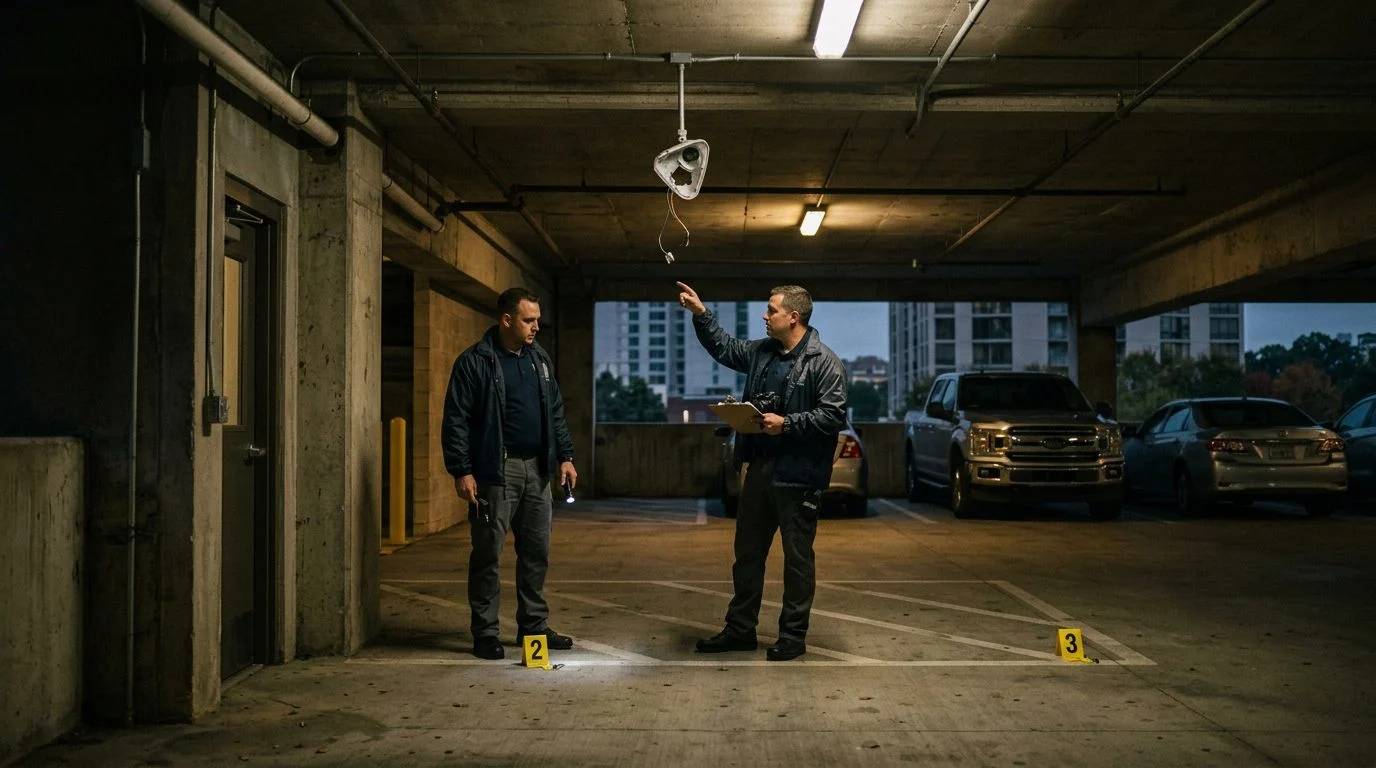
Parking decks raise their own questions. Stairwells, dim levels, broken gates or access controls, blind corners, and exits with no monitoring can all become part of the review. Crime-prevention assessments commonly look at these features. The International CPTED Association describes standards for these assessments, including in parking lots.
Georgia law also requires the jury to divide fault. In a negligent security case, the jury must assign fault to the owner or occupier, to the attacker, and to any other persons who should share it.
If the property belongs to a city, a different notice rule applies. That rule is covered in the FAQ below.
What Did the Property Owner Know or Should Have Known?
The central question is whether the owner knew, or should have known, that a similar attack was reasonably likely.
Georgia law lists the ways foreseeability can be shown. The owner may have had a particularized warning of imminent wrongful conduct. That means credible information about a specific person, threat, place, and time.
Prior crimes count when the owner had actual knowledge of them. They can happen on the property, on adjoining property, or within 500 yards of the premises. The Georgia negligent security statute sets out these rules.
“Similar” means more than a general crime rate. Prior incidents must be similar in nature, degree of danger, location, time, and circumstances.
The injured person must also show that the owner failed to use ordinary care. That failure must be a proximate cause of the injury. The owner is not required to use extraordinary care, and it does not take over law enforcement duties.
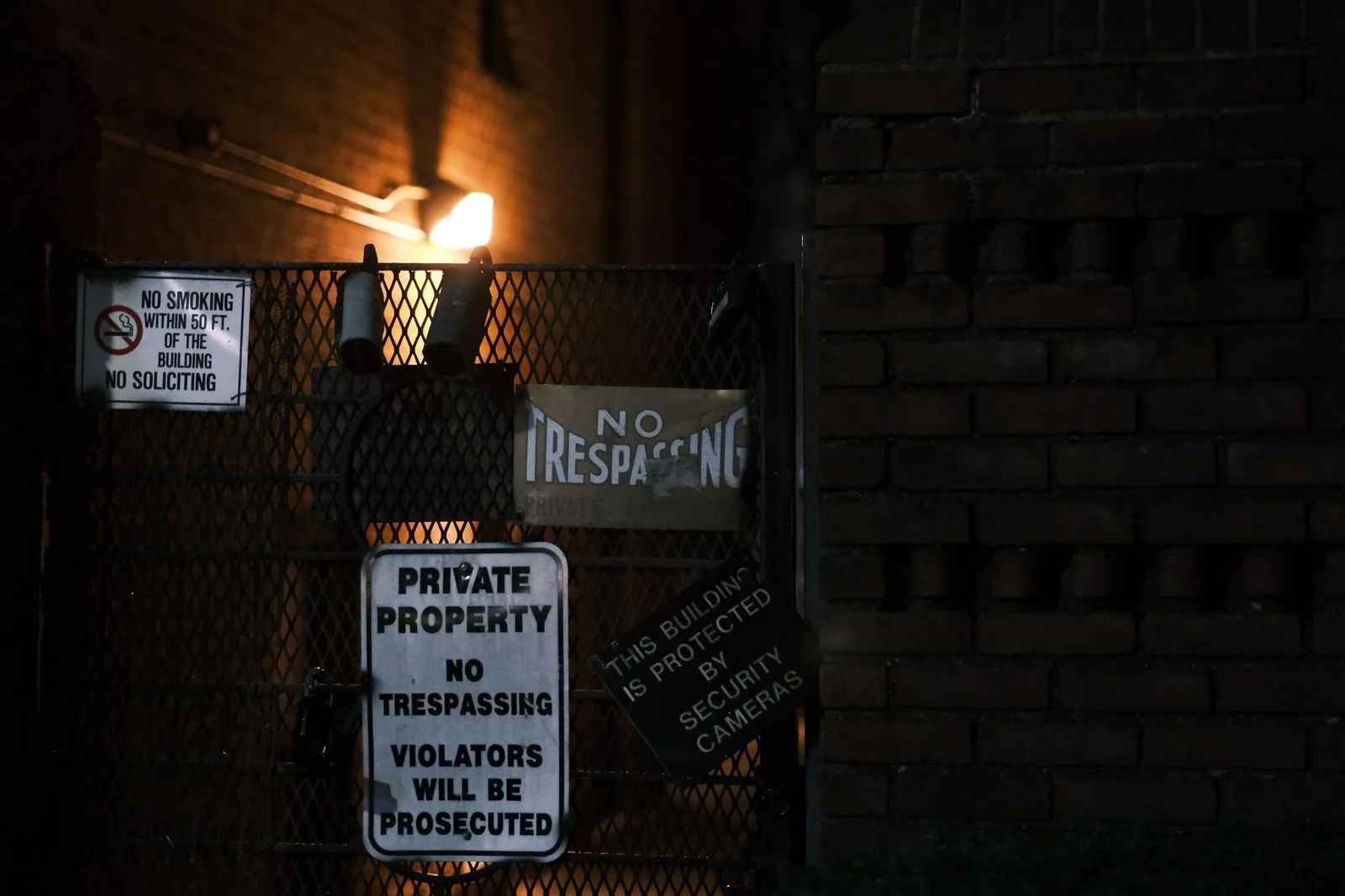
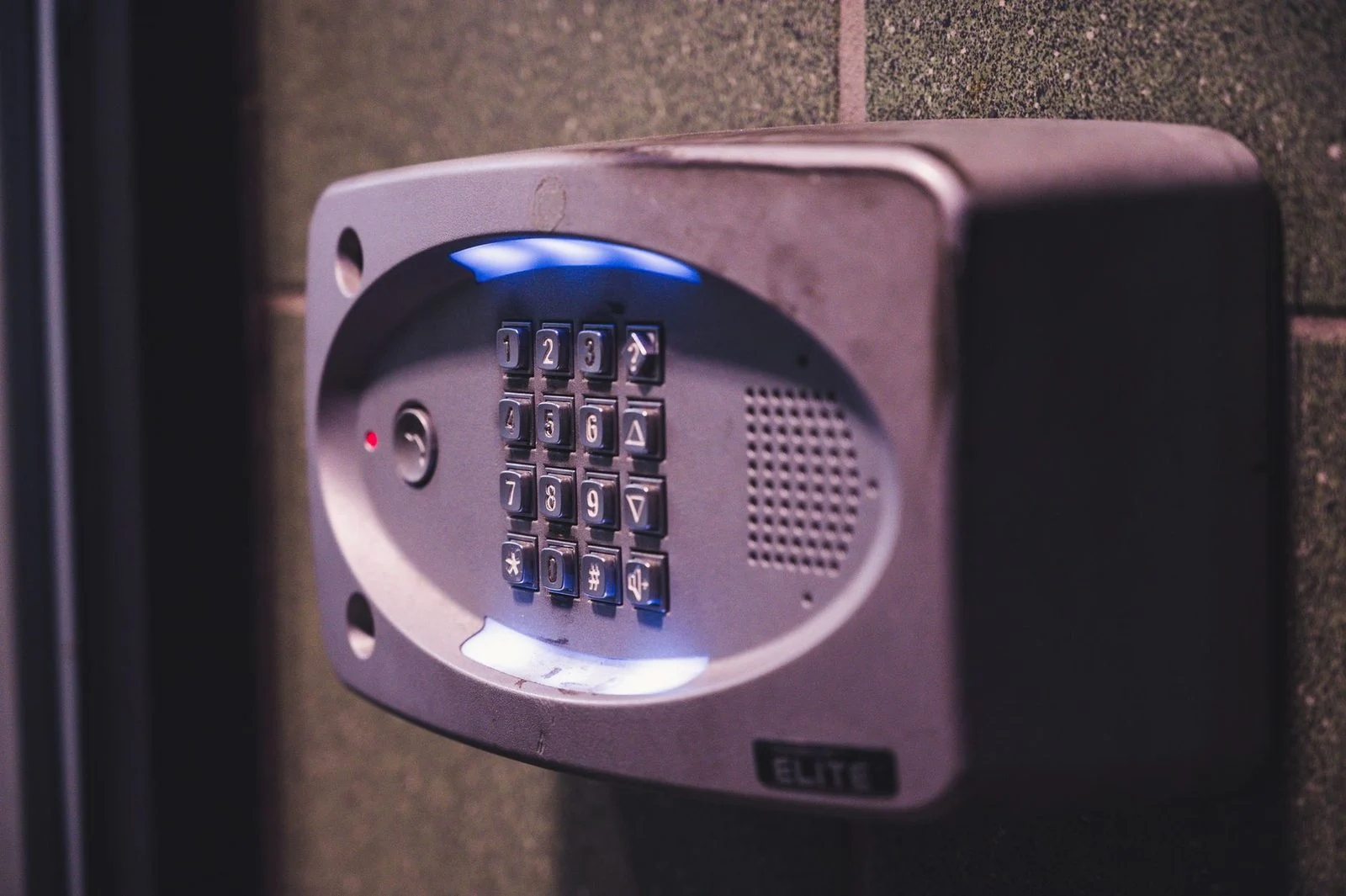
Security measures often reviewed include lighting, working locks and gates, camera coverage, patrols, access control, and staffing. A city’s crime prevention guidance lists reinforced locks, lighting, cameras, alarms, and staff security training as common steps. See City of Cartersville crime prevention.
Police data can help show patterns. The GBI crime statistics database draws on crime and arrest reports from law enforcement agencies.
How Do Negligent Security Cases Move Through Atlanta-Area Courts?
These claims usually start with an investigation and a claim to the insurer. Some later become lawsuits.
A typical sequence looks like this:
- Investigation: Gather police reports, video, incident reports, and property records.
- Insurance claim: Present the claim in writing to the responsible insurer.
- Lawsuit: File in court if the claim is not resolved.
- Discovery: Both sides exchange records and take sworn testimony.
- Mediation or settlement talks: Parties try to resolve the case with a neutral helper.
- Trial: Only if the case is not resolved earlier.
Courts in Fulton and DeKalb counties hear cases like these. Where a case is filed depends on the facts.
Timing matters. Georgia law says Georgia’s two-year injury deadline applies to actions for injuries to the person. Other deadlines can apply to some claims, so review them early.
Complex premises cases can take months or longer. The length turns on the injuries, the insurance, and how hard each side contests the claim.
What Evidence Should Be Protected Early?
Video, incident reports, and maintenance records are the evidence most likely to be lost. Preserve them right away.
The Georgia Supreme Court has held that the duty to preserve evidence can arise before a lawsuit is filed. In Phillips v. Harmon, the court held that the duty applies when litigation is reasonably foreseeable to the party controlling the evidence.
A written request to keep surveillance video is a practical first step. Camera systems often overwrite old footage, so timing matters.
Evidence held by the property may include:
- Police report numbers
- Incident reports from hotel or parking staff
- Names of witnesses, guests, and tenants
- Maintenance and repair records
- Security contracts and staffing schedules
- Lighting and gate logs
- Prior complaints about the property
Evidence the injured person should keep includes:
- Medical records, bills, and treatment notes
- Photos of injuries and the scene
- A written account of what happened, written while memory is fresh
What Damages Can Be Pursued?
A claim can seek the losses Georgia law recognizes. Some losses must be proved with evidence, and others are presumed.
Under O.C.G.A. § 51-12-2, general damages are presumed and may be recovered without proof of a set amount. Special damages must be proved.
- Special damages (must be proved): Medical bills, rehabilitation, medications, and lost wages.
- Injury to peace, happiness, or feelings: Georgia law leaves the measure of these damages to the judgment of impartial jurors. O.C.G.A. § 51-12-6 reads: “In a tort action in which the entire injury is to the peace, happiness, or feelings of the plaintiff, no measure of damages can be prescribed except the enlightened consciences of impartial jurors.” See O.C.G.A. § 51-12-6.
Serious injuries such as a traumatic brain injury, spinal cord injury, paralysis, or amputation can affect future care and earning ability. Those effects are part of what a claim must document.
If an attack causes a death, the surviving spouse may recover “the full value of the life of the decedent, as shown by the evidence.” If there is no surviving spouse, the children may recover. See O.C.G.A. § 51-4-2. The personal representative may also recover funeral, medical, and other necessary expenses under O.C.G.A. § 51-4-5.
Under O.C.G.A. § 51-4-5, when death results from a crime or from criminal or other negligence, the personal representative is entitled to recover funeral, medical, and other necessary expenses; the rule that fault can reduce recovery is in a different section, § 51-12-33. The judge reduces damages in proportion to the plaintiff’s percentage of fault. A plaintiff who is 50 percent or more responsible may not recover damages at all, under O.C.G.A. § 51-12-33.
Not sure what your next step is?
Talk it through with our team — the first consultation is free, confidential, and carries no obligation.
Frequently Asked Questions
Are premises liability cases hard to win?
These cases turn on proof of foreseeability, causation, and the security measures in place. No outcome can be promised, and the strength of the evidence matters most.
Can I sue the city of Atlanta?
Claims against a municipal corporation generally require a written claim to the governing authority within six months of the event. The claim must also state a specific amount of monetary damages, under O.C.G.A. § 36-33-5.
Does the attacker have to be arrested or convicted?
No. Under Georgia negligent security definitions, wrongful conduct does not require an arrest, citation, indictment, or conviction.
Do I have to go to court?
Some claims are resolved before trial. Others go to court, and the path varies with each case.
What happens at a first consultation?
You describe what happened. A lawyer reviews the facts, the evidence, and the deadlines with you, and you decide what to do next.
Talk With Slam Dunk Attorney About Your Situation
Slam Dunk Attorney represents people injured in negligent security incidents, and our team can review your situation with you.
If you’re reading this after an attack, you may be dealing with injuries, a loss, or a family member’s care. That is a lot to handle at once.
The decisions in front of you are practical. Should video and records be requested now? Was security at the property a factor? Do any deadlines apply? Those answers shape what comes next.
Peter F. Jaraysi is the responsible lawyer for this page. Our lawyers and support staff work on each matter.
The first consultation is free, confidential, and comes with no obligation to continue. To request one, use our contact page.
Attorney advertising. Responsible lawyer: Peter F. Jaraysi, Slam Dunk Attorney, Duluth, Georgia. Contact: contact page.
How Our Firm Approaches These Cases
Focused on Security Failures
Our firm has handled personal injury matters across metro Atlanta and Georgia for years, and we focus on cases where inadequate security may have contributed to an assault or other crime.
Careful Evidence Review
We look at incident reports, prior crimes at the property, lighting, locks, cameras and staffing to understand what was in place and what was missing.
Clear Communication
Our lawyers and support staff will explain each step in plain language so you always know where your case stands.
Respect for Your Recovery
We understand that physical and emotional harm can last long after the incident, and we keep your health and needs at the center of our work.
Act Early to Protect Evidence
Security camera footage, witness contact information and incident reports can be overwritten, lost or changed over time. Reaching out early helps preserve what matters.
Places Where Negligent Security Claims Arise
Hotels and Motels
Guests harmed by assaults, robberies or other crimes in rooms, hallways, lobbies and parking areas.
Parking Decks and Garages
Injuries in poorly lit, unmonitored or poorly secured parking structures, including attacks on drivers and pedestrians.
Apartments and Residential Complexes
Residents or visitors hurt because of broken gates, faulty locks, dark stairwells or ignored security concerns.
Bars, Shopping Centers and Businesses
Customers and visitors injured where a property owner failed to take reasonable steps to protect people on the premises.