
Negligent Security | Georgia Premises Liability
Injured in an Apartment Common Area? You May Have a Claim
Property owners have a duty to maintain safe common areas and provide adequate security. If negligence led to your injury, we're here to help.
By Peter F. Jaraysi · Published September 16, 2026
Apartment Common Area Injuries: Negligent Security Claims in Georgia
When you’re hurt or assaulted in an apartment common area—a stairwell, laundry room, parking garage, or pool—the property owner may be legally responsible. Georgia law requires landlords to keep shared areas reasonably safe. Understanding negligent security and your rights can help you protect your claim.
Not sure what your next step is?
Talk it through with our team — the first consultation is free, confidential, and carries no obligation.
Where Apartment Injuries and Assaults Happen
Apartment common areas are spaces residents use daily but landlords control. Many preventable injuries and crimes occur in these locations.
Stairwells and hallways are frequent injury sites. Broken steps, missing handrails, uneven surfaces, and poor lighting cause trips and falls. Residents navigate these spaces multiple times daily. A loose railing or broken light creates a direct hazard.
Laundry rooms present multiple risks. Leaking machines and poor drainage cause slip-and-fall injuries. Isolated rooms with broken locks or no cameras become targets for assault and robbery. Poor lighting makes residents vulnerable.
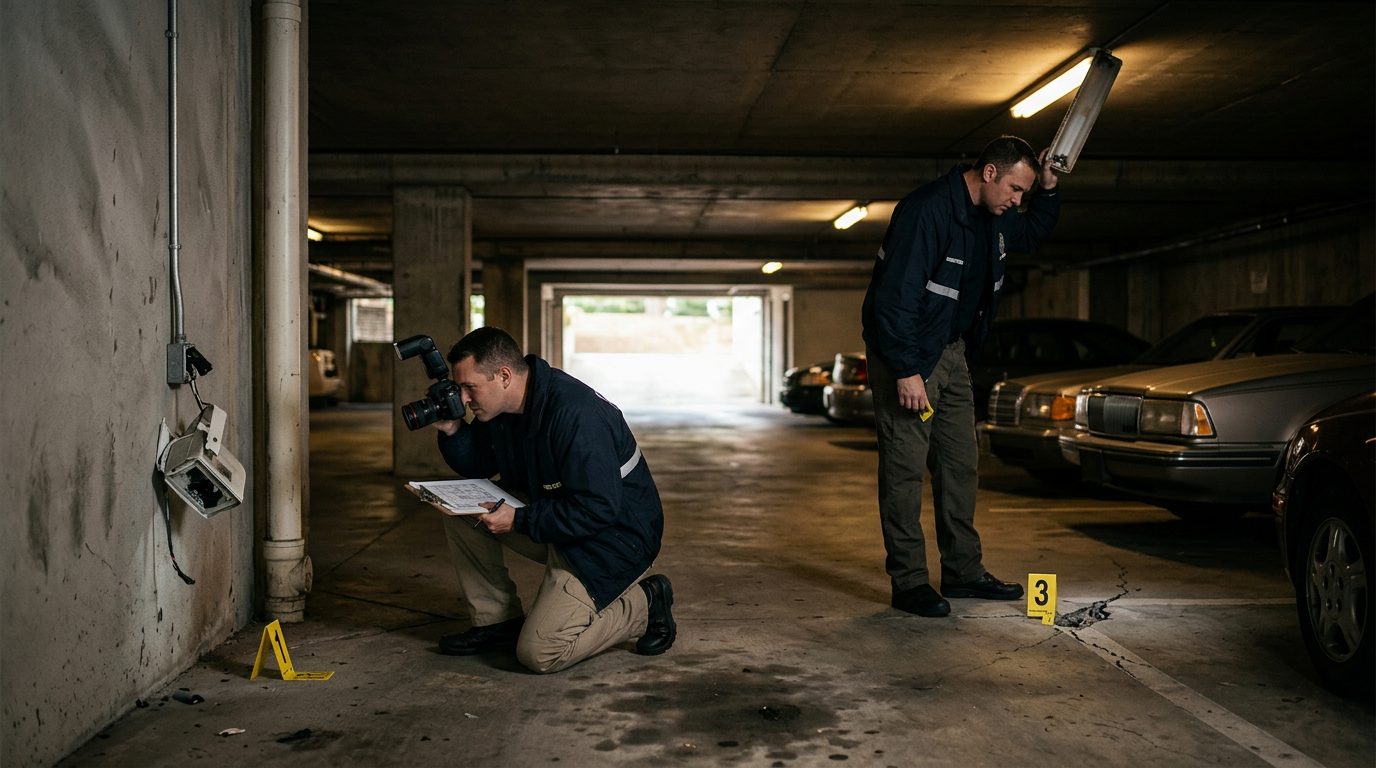
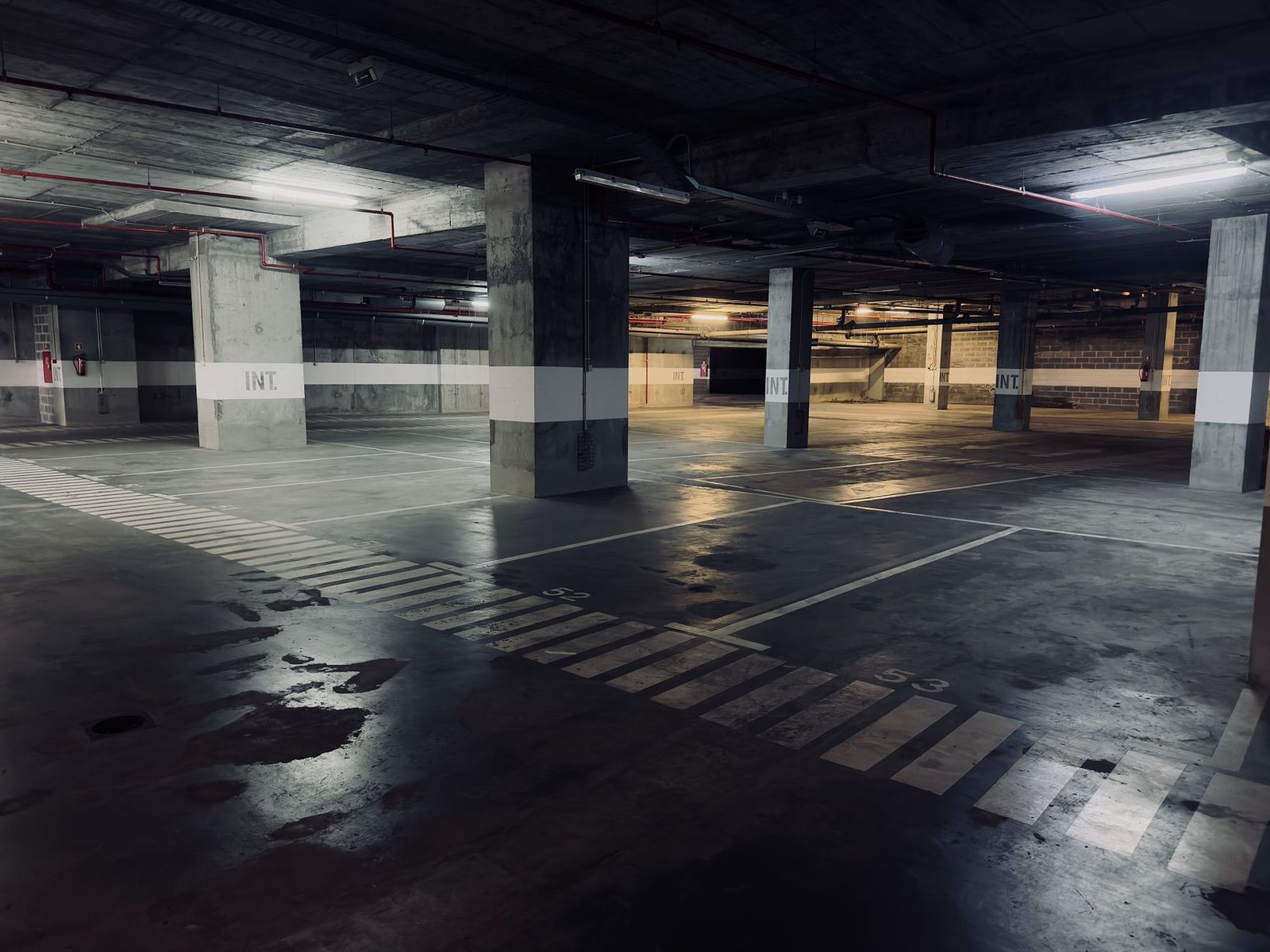
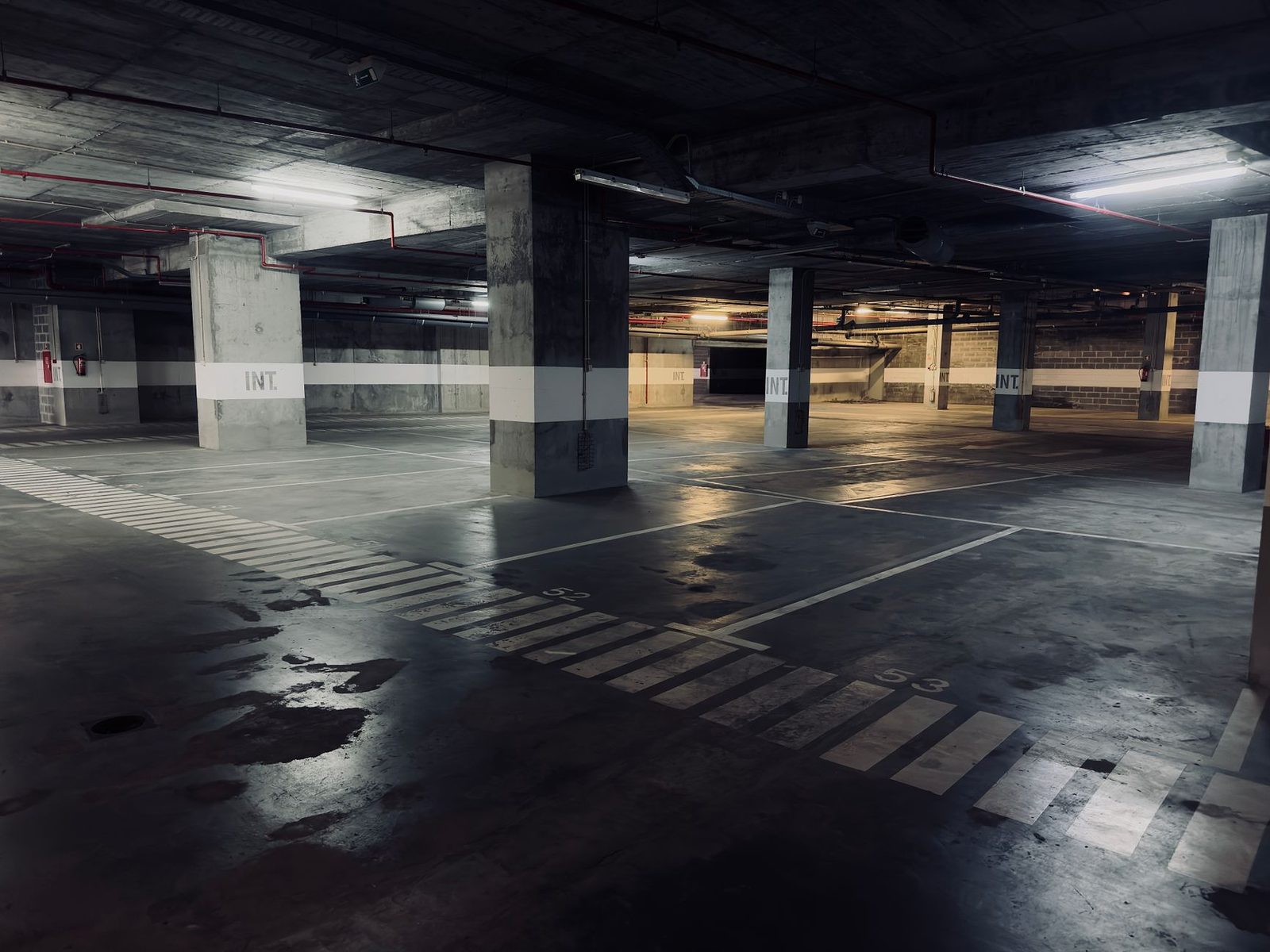
Parking areas and garages are high-risk zones for assault and robbery. Dark corners, broken lights, and missing security cameras create ideal conditions for criminals. Residents are distracted and often alone late at night.
Swimming pools and hot tubs create slip-and-fall hazards on wet decks and stairs. Inadequate supervision or failure to maintain water chemistry can lead to drowning or chemical injury.
Recreational areas—playgrounds, fitness centers, common lounges—require maintenance and monitoring. Broken equipment and poor visibility increase injury risk.
Residents have a reasonable expectation that landlords will keep these spaces safe. Under Georgia law, this is a legal duty.
What Is Negligent Security in Georgia?
Negligent security is a property owner’s failure to provide reasonable security measures. This results in foreseeable harm to residents or visitors.
Georgia law requires property owners to maintain common areas in a reasonably safe condition. This duty extends beyond basic maintenance. It includes preventing foreseeable criminal activity and injury.
Negligent security claims often involve:
- Inadequate or broken lighting in hallways, stairwells, parking areas, and laundry rooms
- Broken locks on doors, gates, or security gates
- Lack of surveillance cameras or non-functioning cameras
- No security personnel or inadequate security patrols
- Failure to address known criminal activity or repeated incidents
Foreseeability is central to negligent security law. Courts ask: Was criminal activity or injury reasonably foreseeable? If yes, the property owner should have taken steps to prevent harm.
Prior incidents matter enormously. A history of assaults, thefts, or injuries in the same area establishes that risk was foreseeable. Police reports, incident logs, and complaints from other residents all count as evidence. If the landlord knew or should have known the area was dangerous, they had a duty to act.
Types of Injuries in Apartment Common Areas
Injuries range from slip-and-fall to violent assault, and consequences can be severe.
Slip-and-fall injuries result from wet floors, debris, and broken surfaces. These may cause broken bones, head injuries, or spinal damage.
Assault and battery occur in poorly lit or unsecured areas. Mugging, sexual assault, and violent attack can cause physical injury, broken bones, head trauma, and lasting psychological harm.
Broken bones, head injuries, and spinal damage may require surgery, hospitalization, and months of recovery.
Psychological injury—trauma, anxiety, depression, PTSD—from assault is real and compensable under Georgia law.
Wrongful death can result if an injury or assault is fatal. These cases involve additional damages, including funeral expenses and loss of financial support.
When Does a Landlord Bear Responsibility?
Georgia premises liability law recognizes five key elements in negligent security cases:
Duty of care: Landlords must maintain common areas in a reasonably safe condition. This is not optional.
Foreseeability: If similar crimes or injuries occurred before, the property owner should have taken steps to prevent harm. Prior incidents are the strongest evidence.
Breach of duty: The landlord failed to install adequate lighting, repair broken locks, provide security cameras, hire security personnel, or respond to complaints.
Causation: The lack of security directly contributed to your injury. If the hazard had been fixed, the injury likely would not have occurred.
Damages: You suffered measurable losses—medical bills, lost wages, pain and suffering—as a result.
All five elements must be present for a successful claim. An attorney can help you gather evidence and establish each one.
Evidence That Matters in These Cases
Strong evidence is the foundation of a negligent security claim.
Photos and video of the unsafe condition at the time of injury—poor lighting, broken equipment, or the scene itself. Take these immediately, before the landlord repairs anything.
Maintenance records showing the property owner knew about the hazard but failed to fix it. Work orders, inspection reports, and repair requests establish notice and breach.
Prior incident reports—police reports, incident logs, or complaints from other residents about assaults, thefts, or injuries in the same area. These establish foreseeability and show a pattern of negligence.
Witness statements from neighbors or others who saw the unsafe condition or the incident. Written statements are stronger than verbal accounts.
Medical records documenting your injuries and treatment. These establish harm and damages.
Security footage from apartment complex cameras may show what happened and conditions at the time. Request this immediately and in writing.
Lease and property rules describing what the landlord promised regarding maintenance and security. Breach of those promises strengthens your claim.
Not sure what your next step is?
Talk it through with our team — the first consultation is free, confidential, and carries no obligation.
Steps to Take After an Injury or Assault
Your actions in the hours and days after an incident can strengthen your claim.
Seek medical attention immediately, even if injuries seem minor. Medical records are essential evidence.
Report the incident to apartment management in writing. Email is best because it creates a time-stamped record. Include a clear description of what happened, where, and when.
If a crime occurred, file a police report and obtain a report number. This creates an official record and establishes foreseeability.
Document the scene with photos and video of the unsafe condition, lighting, locks, and other relevant details. Capture the area from multiple angles immediately.
Collect contact information from witnesses—neighbors, other residents, or anyone who saw the condition or incident. Get their names, phone numbers, and email addresses.
Preserve evidence: Do not allow the property owner to repair or alter the condition until you have documented it. A lawyer can send a preservation letter requiring the landlord to keep evidence intact.
Keep records of all medical treatment, expenses, and lost income. Receipts, invoices, pay stubs, and appointment records support your damages claim.
Do not sign any waivers or settlement agreements without legal advice. Property owners and insurers often pressure injured residents to settle quickly for less than they deserve.
Common Defenses Property Owners Raise
Landlords and their insurers often use predictable defenses.
“The injury was unforeseeable.” If prior incidents occurred in the same area, foreseeability is established. The landlord cannot claim surprise.
“The resident assumed the risk.” Georgia law does not allow property owners to escape liability by claiming residents “knew the risks.” Residents cannot waive a landlord’s duty through lease language alone.
“An independent criminal acted.” While a third party committed the assault, the property owner’s failure to provide reasonable security can still make them liable. Foreseeability of criminal activity is the key.
“The resident was trespassing.” Even trespassers have some protection under Georgia premises liability law. A resident of the complex is clearly not a trespasser.
Why Preserving Evidence Is Critical
Property owners often repair or alter unsafe conditions quickly after an incident—sometimes to cover up negligence. Once evidence is gone, it becomes much harder to prove what the condition was at the time of injury.
Early documentation protects your claim and strengthens your case. Photos, videos, and written reports made immediately after the incident are far more credible than memories months later.
A lawyer can send a preservation letter to the property owner, legally requiring them to keep evidence intact. This prevents the landlord from destroying or altering the scene.
What Compensation May Be Available?
Damages in apartment common area injury cases may include:
- Medical expenses: past and future treatment, surgery, therapy, medication, and rehabilitation
- Lost wages: income lost due to recovery time or ongoing disability
- Pain and suffering: compensation for physical pain, emotional distress, and reduced quality of life
- Permanent injury or disfigurement: additional damages if the injury causes lasting harm
- In wrongful death cases: funeral expenses, loss of financial support, and loss of companionship
The amount depends on the severity of your injury, your medical needs, your income, and the strength of your evidence. An attorney can help you calculate a fair value for your claim.
How an Attorney Can Help
An attorney experienced in apartment common area injury cases can guide you through every step:
- Investigate the incident and the property’s history of security failures and maintenance issues
- Identify all liable parties: the property owner, management company, security contractor, or others
- Gather and preserve evidence before it disappears, including photos, maintenance records, and prior incident reports
- Obtain police reports and maintenance logs through public records requests
- Consult with security experts to establish what reasonable security measures should have been in place
- Negotiate with insurance companies and property owners for fair compensation
- Prepare your case for trial if a fair settlement cannot be reached
Not sure what your next step is?
Talk it through with our team — the first consultation is free, confidential, and carries no obligation.
Frequently Asked Questions
What is the difference between a slip-and-fall claim and a negligent security claim?
A slip-and-fall claim focuses on a hazardous condition (wet floor, broken step) the landlord failed to maintain. A negligent security claim focuses on inadequate security measures (poor lighting, broken locks, no cameras) that allowed foreseeable crime or injury. Both can apply to the same incident.
How long do I have to file a claim?
Georgia’s statute of limitations for personal injury claims is generally two years from the date of injury (O.C.G.A. § 9-3-33; Cameron v. JMP Pizza, Inc. (2026)). Wrongful death claims have a different timeline. Don’t delay—evidence disappears, and witnesses’ memories fade.
Can I recover damages if I was partially at fault?
Georgia recognizes comparative negligence (shared fault) (O.C.G.A. § 51-12-33; Quynn v. Hulsey, 310 Ga. 473 (2020)). You may still recover damages even if you were partly responsible, though your recovery is reduced by your percentage of fault (O.C.G.A. § 51-12-33; Quynn v. Hulsey, 310 Ga. 473 (2020)).
What if the apartment complex has cameras but won’t give me the footage?
A lawyer can send a preservation letter and, if necessary, file a legal motion to compel the property owner to produce the footage. Destruction or withholding of evidence can also support a claim for punitive damages in some cases.
If you were injured or assaulted in an apartment common area and the landlord’s failure to maintain or secure the space contributed to what happened, we can help you understand your options. Learn more about Georgia premises liability law and negligent security claims.
Contact Slam Dunk Attorney for a free case review.
Call us or request a free consultation to discuss what occurred and what your claim may be worth.
Why Property Owners Are Responsible
Duty of Care
Georgia law requires property owners to maintain reasonably safe premises and protect visitors from foreseeable harm, including inadequate security.
Negligent Security
Insufficient lighting, broken locks, missing security cameras, or lack of security personnel can create conditions where injuries occur—and liability may follow.
Common Area Hazards
Stairwells, hallways, parking areas, and lobbies must be maintained safely. Negligence in these spaces can result in slip-and-fall injuries, assaults, or other harm.
Documentation Matters
We investigate maintenance records, security logs, prior incidents, and property conditions to build a clear picture of negligence.
What We Examine in Your Case
Security Measures
Was the property adequately lit? Were locks functional? Were security cameras present and operational? Did the owner employ security personnel?
Prior Incidents
Had similar injuries or crimes occurred at the property before? A pattern of incidents can show the owner knew of the risk and failed to act.
Maintenance Records
We review maintenance logs to determine whether the owner neglected repairs, failed to address hazards, or ignored safety complaints.
Your Injury & Damages
We document your medical treatment, lost wages, pain and suffering, and other losses to understand the full scope of your claim.
Act Quickly
Evidence at apartment complexes—security footage, maintenance records, and witness statements—can disappear or be destroyed. The sooner we investigate, the better we can preserve critical proof.
Common Apartment Injury Scenarios
Slip and Fall in Common Areas
Wet floors, poor maintenance, or debris in hallways, stairwells, or lobbies can cause serious injuries. Negligent security may also involve failure to warn residents of hazards.
Assault or Crime
If inadequate security—broken locks, missing cameras, or no security presence—enabled a criminal act, the property owner may be liable for your injuries.
Parking Area Injuries
Poor lighting, lack of security patrols, or broken surveillance in parking areas can lead to accidents, assaults, or other harm.
Stairwell or Elevator Accidents
Broken railings, inadequate lighting, or poor maintenance of stairs and elevators can cause falls and serious injury.
How Slam Dunk Attorney Can Help
Thorough Investigation
We obtain security footage, maintenance records, incident reports, and witness statements to establish negligence.
Experienced Representation
We focus exclusively on personal injury claims across Georgia, including premises liability and negligent security cases.
Clear Communication
We explain the law and your options in plain language, keeping you informed every step of the way.
No Fees Unless There Is a Recovery
We work on contingency—you pay no attorney fees unless we recover compensation for you. You may still owe case costs.