
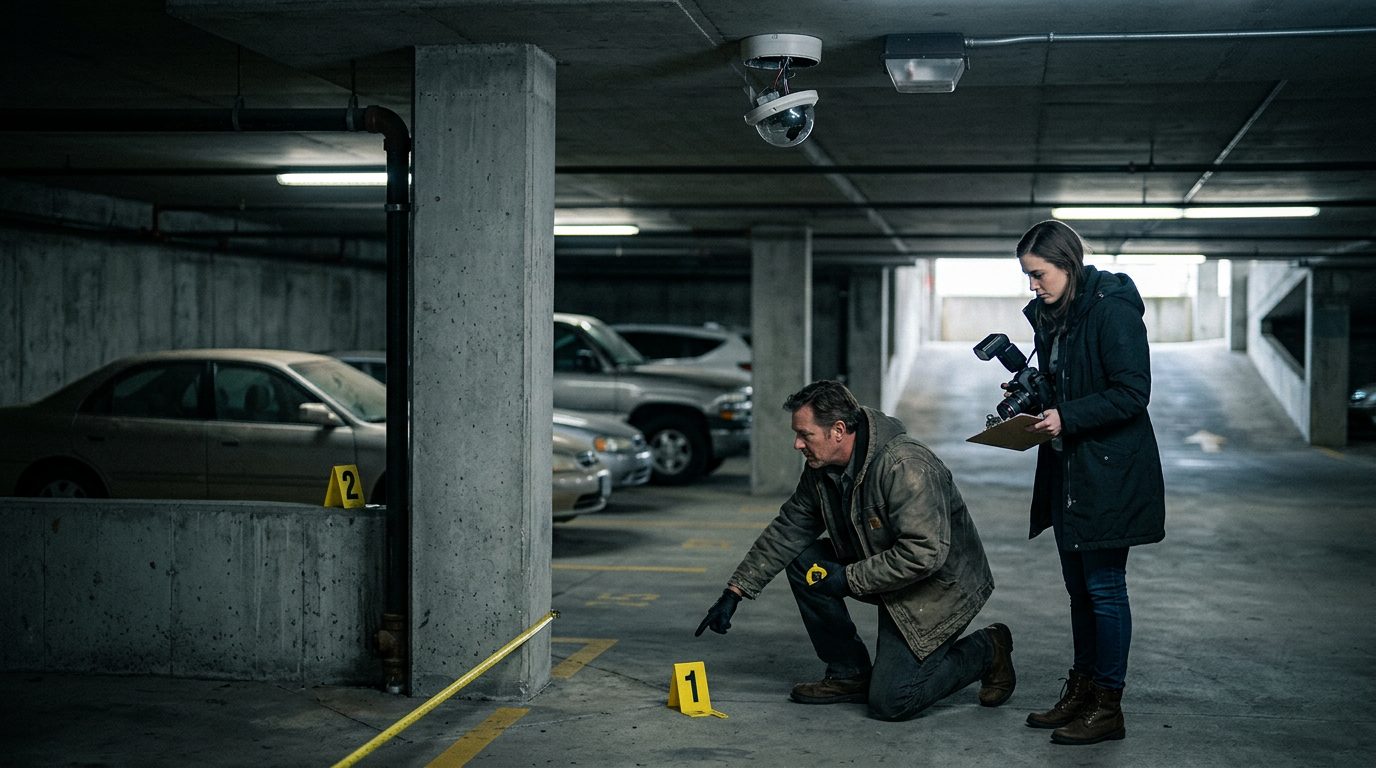
Negligent Security | Duluth, Georgia
Hurt at a Property with Poor Security? Learn How to Sue a Security Company in Georgia
Our Duluth personal injury firm helps people understand whether a security company's negligence may have contributed to their injury, and what steps to take next.
By Peter F. Jaraysi · Published October 23, 2026
If a security guard or a property’s security failed you or someone you love, you may be asking how to sue a security company. In Georgia, you can sue a security company when its negligence helped cause the injury. These cases are called negligent security claims. This guide explains who can be named, what you must show, the time limit to file, and what evidence to protect.
Short Answer: Yes, a Security Company Can Be Sued in Some Cases
Yes. A security company can be sued in Georgia when its failure to use reasonable care helped cause an injury. Georgia’s negligent security statute covers claims against an owner, an occupier, or a security contractor. These claims seek to recover damages for bodily injury or wrongful death arising from a failure to keep the property safe from third persons’ wrongful acts.
A crime alone does not decide the case. The question is whether reasonable care was missing. Anyone who invites people onto land must use ordinary care to keep the premises and approaches safe, under Georgia’s invitee duty statute. Owners do not owe extraordinary care, and they do not take over the job of police (§ 51-3-55).
If a security contractor assumes and undertakes a duty to invitees and licensees to keep all or part of a premises of an owner or occupier safe from the wrongful conduct of a third person, it may be liable for negligent security only in the same manner, to the same extent, and subject to the same limitations and provisions applicable to an owner or occupier (§ 51-3-57). That rule shapes who can be named, as the next section explains.
If a guard's conduct or a property's security failure hurt you or someone you love, our team can talk through what happened with you. Talk it through with our team — the first consultation is free, confidential, and carries no obligation.

Who Can Be Named as a Defendant
The property owner, the security company, and sometimes the guard’s employer can each be named. Who you name depends on who controlled security and who made the staffing and training choices.
Georgia’s definition of “owner or occupier” is broad. It covers anyone who owns, leases, operates, maintains, or manages real property, along with their employees and agents. A “security contractor” is any person that contracts with an owner or occupier to provide protective or security services on the property, or any director, officer, employee, or agent of such person (§ 51-3-50).
An employer can answer for workers who act within their job. Georgia law makes a person liable for torts a servant commits within the scope of the business, whether by negligence or on purpose (employer liability statute). An employer can also be liable for a contractor’s negligence in certain cases. One case is when it keeps the right to direct how and when the work is done (contractor liability statute).
A written contract can matter too. The statute says it does not limit any claim or remedy for breach of contract (§ 51-3-53). A contract may support a separate claim.
What a Negligent Security Claim Has to Show
Learning how to sue a security company starts with knowing what you must prove. You must show the harm was reasonably foreseeable. You must also show the property failed to use ordinary care.
Foreseeability comes first. Under § 51-3-51, the owner had a particularized warning of imminent wrongful conduct, or reasonably should have known the crime was reasonably likely based on prior occurrences of substantially similar wrongful conduct the owner actually knew about. Prior occurrences of substantially similar wrongful conduct upon the property, of which the owner had actual knowledge, can show this. Incidents on adjoining property, or within 500 yards, count only if the owner actually knew about them.
Second, the property must have had a specific, known physical condition, such as a broken gate lock. That condition must have created a risk well above the general risk in the area. The owner must have failed to use ordinary care to fix or reduce it. That failure must be a proximate (direct) cause of the injury.
Third, “wrongful conduct” has a defined meaning. It includes any violation of a Georgia law or of an ordinance of any political subdivision of Georgia that is punishable as a felony or misdemeanor, whether or not it results in an arrest or conviction, and any intentional, or willful and wanton, tort (§ 51-3-50).
A judge or jury looks at the security measures in place. A judge or jury looks at the security measures in place. They also weigh whether more was needed, whether it was practical, whether it would have prevented the injury, the respective responsibilities of owners or occupiers with respect to the premises and government with respect to law enforcement and public safety, and any other relevant circumstances (§ 51-3-55). Local crime-prevention guidance from Cartersville lists reinforced locks, lighting, cameras, alarms, and staff training as steps owners can take.
Timing matters too. Older claims fall under prior law, as the Court of Appeals explained in Holston v. Aboebarensi, Inc.
Can You Sue an Apartment Complex or Property Owner for Lacking Cameras?
Whether a missing camera matters depends on the facts of each case. Whether a claim exists depends on the facts of the property and the incident.
Georgia looks at the whole security picture. A judge or jury weighs the measures in place, the need for more, their practicality, whether they would have prevented the injury, the respective responsibilities of owners or occupiers with respect to the premises and government with respect to law enforcement and public safety, and any other relevant circumstances (§ 51-3-55). Without that link, the missing camera is only one fact among many.
Start with what you know. Write down tenant or customer complaints, past incidents, police calls you know about, and any requests for repairs or added security. These facts show what the owner knew or should have known.
When a Security Guard’s Own Conduct Causes Harm
Inadequate security means a property failed to stop someone else’s crime. Guard misconduct means the guard’s own actions caused the harm. Examples include excessive force, threats, assault, or unlawful detention. The two can overlap, but they are different claims.
Georgia defines a “third person” as someone other than the owner or security contractor, or someone under their direction or control (§ 51-3-50). A guard acting under the company’s direction does not fit that definition. Because a guard acting under the company’s direction is not a third person, a claim about that guard’s conduct may fall outside negligent security, which covers claims that arise from an alleged failure to keep the premises and approaches safe from the wrongful conduct of third persons.
Employers can face their own exposure.
Evidence often plays a central role. Body-worn camera footage, lobby or parking-lot video, incident reports, and witness names all matter. Ask that recordings be kept. Write down what you remember while it’s fresh.
Deadlines, Notice, and Evidence to Preserve
Georgia generally gives you two years to bring a personal injury claim. Under Georgia’s injury limitation statute, these actions must be brought within two years after the right of action accrues. Loss of consortium claims, which are tied to a spouse’s injury, have four years under the same statute.
Don’t wait on the deadline. If it passes, the court may not hear the case. Evidence fades too. Security video is often recorded over on a schedule. Incident reports, guard logs, contracts, and call records may not be kept forever.
Gather and keep these items:
- Photos of the scene and any visible hazards
- Medical records and bills
- Names and contact details of witnesses
- The security contract, if you know of one
- Copies of any incident or police reports
- The date, time, and exact location
Keep a simple written timeline while your memory is fresh. Avoid posting details about the incident online. Posts can be used later.
Not sure what your next step is?
Talk it through with our team — the first consultation is free, confidential, and carries no obligation.
How Fault Is Shared and What Claims Cost
Fault can be shared among several parties, and that affects what each one pays. Georgia reduces your damages by your own share of fault. If you are 50 percent or more responsible, you recover nothing (§ 51-12-33). This is often called modified comparative fault.
Each person found liable pays only its own apportioned share. Those shares are not joint liability (§ 51-12-33). In a negligent security case, the jury must divide fault among the owner, the third person who committed the crime, and others.
A claim’s strength depends on foreseeability, the quality of evidence, documented injuries, and available insurance. No one can predict how a particular claim will end. A typical path runs through investigation, a demand to the insurer, negotiation, and a lawsuit if needed.
Our initial consultation is free, confidential, and comes with no obligation to continue. Even so, the client may still be responsible for court costs and case expenses if a case moves forward.
Talking Through Your Situation With Our Team
If you were hurt on a property or lost someone there, you can talk through what happened with our team. You may be reading this while recovering, handling a loss, or helping a family member decide the next step. Those moments are heavy, and the questions pile up.
Our lawyers handle matters in metro Atlanta, Lawrenceville, and Johns Creek. For a broader look at this area of law, read our negligent security guide for Georgia.
Quick Answers
Can I sue a security company in Georgia?
Yes, when its negligence helped cause your injury. The facts of your incident decide whether a claim applies.
How long do I have to sue?
Georgia generally allows two years after the right of action accrues for injuries to the person.
Whether an apartment complex can be held responsible for not having cameras depends on the facts of each case. Courts look at the whole security picture.
Can I sue both the property owner and the security company?
Both may be named. Fault can be divided between them, and each pays only its own share.
If a guard’s conduct or a property’s security failure hurt you or someone you love, you don’t have to sort out the legal questions alone. Reach out through our contact page to talk through what happened.
Attorney advertising. This page is general information only. It is not legal advice or a promise of any result. Responsible lawyer: Peter F. Jaraysi, Slam Dunk Attorney, Duluth, Georgia. Contact: slamdunkattorney.com/contact-us.
What We Look at in a Negligent Security Claim
How the Security Was Handled
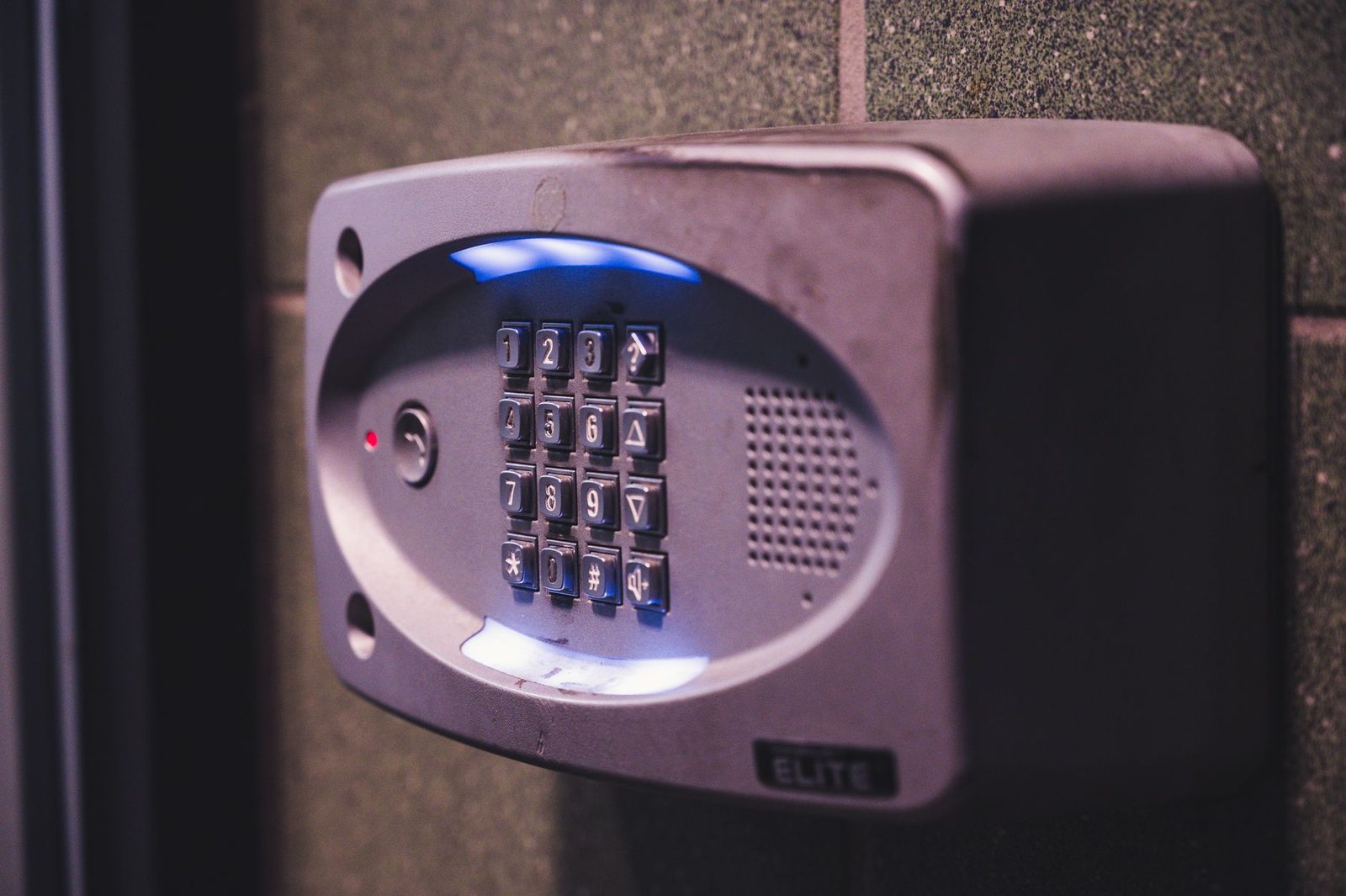
We review whether security staff, patrols, cameras, lighting, and access controls were reasonable for the location and the risks it faced.
Who Was Responsible
Security claims can involve the security company, the property owner, or the management company. Each one's role matters.
Contracts and Records
Service agreements, incident reports, guard logs, and prior complaints can show what was promised and what actually happened.
Timing Matters
Legal deadlines apply to these cases, and evidence can disappear quickly. Acting sooner gives your case the best chance to be fully investigated.
Be Careful Before You Speak With an Insurer
Insurance adjusters for a security company or property owner may contact you quickly. Before giving a recorded statement or signing any release, talk with a lawyer about what to say and what to avoid.
Steps to Take After an Injury on Security Property
1. Get Medical Care
Your health comes first. Follow up with your doctors and keep records of every visit, test, and treatment plan.
2. Preserve Evidence
Take photos of the scene, write down what you remember, and collect names of witnesses and any incident reports you receive.
3. Identify the Parties
Note the name of the security company, guards on duty, and the property owner or manager. Their roles may affect who is named in a claim.
4. Talk With Our Team
We can review the facts of your incident, explain possible options, and help you understand what to do next.