
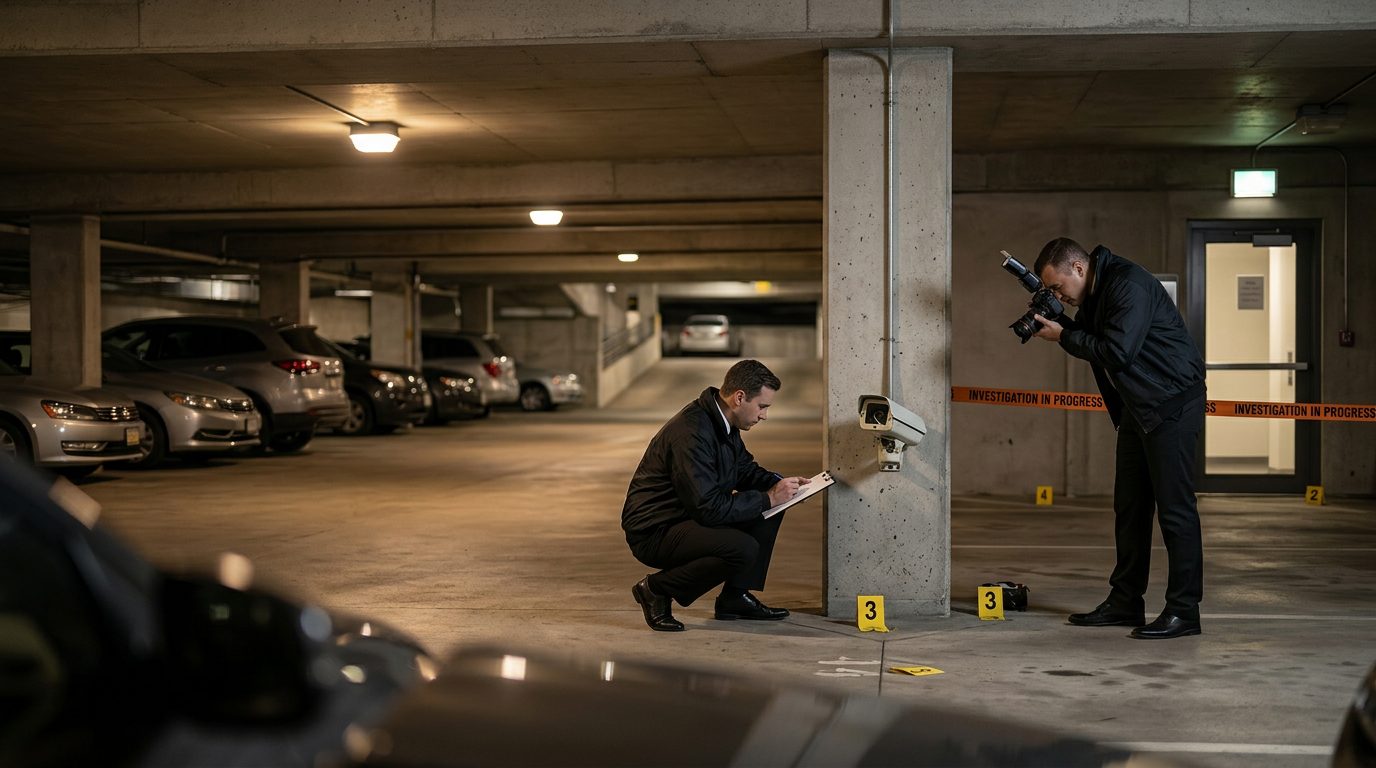
Negligent Security & Premises Liability
Injured Due to Poor Security in Johns Creek? We Can Help.
Property owners have a duty to protect visitors from foreseeable harm. If you were hurt because a business or property failed to provide adequate security, Slam Dunk Attorney is here to listen.
By Peter F. Jaraysi · Published September 23, 2026
Negligent Security in Johns Creek: Your Right to Compensation
When a property owner fails to maintain reasonable security measures and you’re harmed as a result, Georgia law holds them responsible for negligent security. This isn’t about the criminal act itself—it’s about the property owner’s failure to prevent or deter foreseeable crime through adequate locks, lighting, cameras, or security personnel.
If you were assaulted, robbed, or attacked at a Johns Creek shopping center, apartment complex, parking lot, or other commercial property where security was inadequate or absent, you may have a legal claim. Time is critical: evidence disappears quickly, and Georgia law gives you only two years to file.
If you were assaulted, robbed, or attacked at a Johns Creek property where security was missing or broken, you may have a claim—and people in your situation reach out to us regularly for a free case review. Talk it through with our team — the first consultation is free, confidential, and carries no obligation.
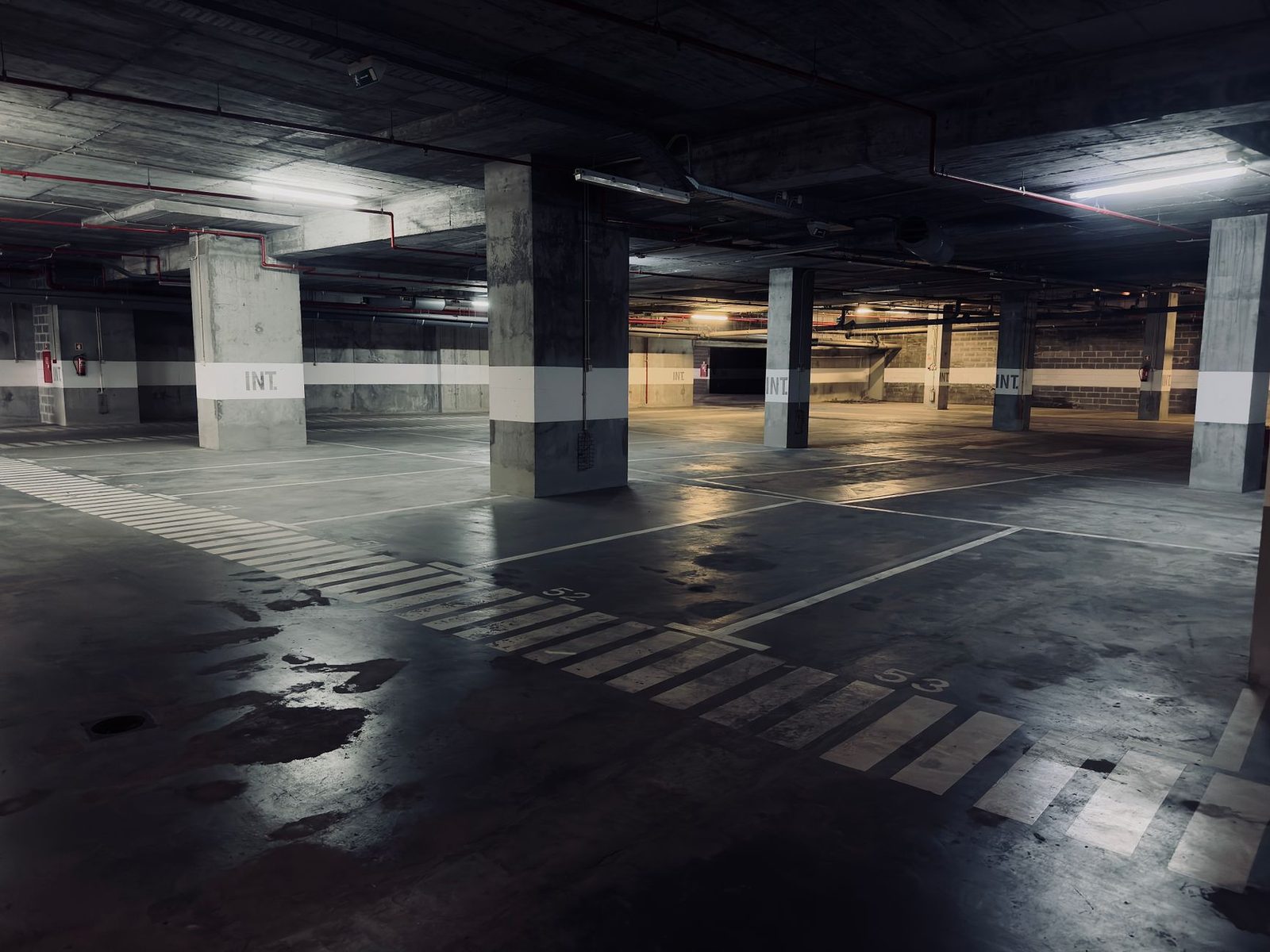
What Is Negligent Security in Johns Creek?
Negligent security is a property owner’s failure to maintain reasonable security measures to protect visitors from foreseeable criminal acts. Under Georgia premises liability law, property owners and managers have a legal duty to anticipate criminal activity based on the location, history, and nature of their property—then implement appropriate safeguards.
This duty is separate from the criminal act itself. Even if someone else commits the crime, the property owner can be liable if their negligence (inadequate security) made the crime possible or more likely. Common security failures include broken locks, missing or non-functional security cameras, inadequate lighting, lack of trained security personnel, and failure to respond to or learn from prior incidents.
When Property Owners Owe You a Duty of Care
Property owners must anticipate reasonably foreseeable criminal activity based on the property’s location, history, and use. In Johns Creek, commercial properties—shopping centers, restaurants, parking lots, hotels, and entertainment venues—have a heightened duty to protect patrons. These high-traffic areas attract both legitimate visitors and potential criminals, making security a foreseeable necessity.
Residential properties and apartment complexes must also maintain basic security: working locks on entry doors, adequate lighting in common areas, controlled access to lobbies and stairwells, and functioning intercoms or security systems. The duty extends to protecting you from assault, robbery, carjacking, and other violent crimes when security lapses are a contributing factor.
Common Negligent Security Scenarios in Johns Creek
Johns Creek’s mix of retail, hospitality, and residential properties creates multiple settings where negligent security leads to injury:
- Parking lot assault or robbery with broken lighting, no security cameras, or no visible security presence
- Attack at a retail location where security staff were absent, undertrained, or failed to respond to suspicious activity
- Violent incident at an apartment complex with broken entry doors, malfunctioning gate access, or no intercom system
- Carjacking in a commercial parking area where the property owner knew of prior vehicle thefts but took no action
- Injury during a crime at a venue or entertainment property where management ignored prior incidents or failed to increase security
In each scenario, the property owner’s negligence—not just the criminal’s actions—is what makes them liable.
How to Prove Negligent Security
Winning a negligent security claim requires establishing four key elements:
Foreseeability. You must show the property owner knew or should have known that criminal activity was reasonably foreseeable at that location. This includes the property’s history, neighborhood crime rates, prior incidents on the property, and the nature of the business.
Inadequate security. You must demonstrate that reasonable security measures were absent or insufficient. This might include broken locks, missing cameras, poor lighting, or lack of trained personnel.
Causation. You must show that better security would likely have prevented or deterred the crime. For example, functioning cameras and adequate lighting might have deterred an attacker or helped police identify them.
Damages. You must document your actual harm: medical records, lost wages, ongoing treatment, and other losses directly caused by the incident.
Evidence is everything. Gather security footage (or evidence that cameras were absent or non-functional), incident reports, prior crime data for the property, witness statements, property maintenance records, and photos of the security conditions at the time of the incident.
Why Time Matters in a Negligent Security Claim
Georgia’s statute of limitations for premises liability claims is two years from the date of injury. This deadline is firm—miss it, and you lose your right to sue.
But the real urgency goes deeper. Evidence degrades fast. Security footage is often overwritten within days or weeks. Witnesses’ memories fade. Property conditions change. The property owner may repair broken locks or install cameras after the incident, erasing evidence of negligence. Early investigation preserves critical evidence and identifies prior similar incidents that support foreseeability.
Acting quickly also allows your attorney to send a preservation notice, requiring the property owner to retain all relevant evidence. Delay weakens your case significantly.
Not sure what your next step is?
Talk it through with our team — the first consultation is free, confidential, and carries no obligation.
What Compensation May Be Available
Negligent security claims can recover damages for:
- Medical expenses: emergency care, surgery, hospitalization, ongoing treatment, rehabilitation, mental health counseling, and future medical needs
- Lost wages and earning capacity if the injury affects your ability to work now or in the future
- Pain and suffering, emotional distress, and trauma-related damages for the physical and psychological harm you endured
- Property damage if applicable
Each case is unique. Recovery depends on the specific facts, the severity of your injury, the strength of the evidence, and the property owner’s degree of negligence. An experienced attorney will evaluate all damages and pursue fair compensation.
Why You Need a Johns Creek Negligent Security Attorney
Property owners and their insurers will defend aggressively. They have experienced legal teams and insurance adjusters trained to minimize liability and settlement amounts. You need an equally experienced advocate.
Negligent security claims require in-depth knowledge of Georgia premises liability law and the foreseeability standard. An attorney will investigate the property’s history, security practices, prior incidents, and neighborhood crime data to build a compelling case. Your lawyer handles all communication with insurers and defendants, protecting your rights and preventing statements that could harm your claim.
Slam Dunk Attorney has represented Johns Creek residents in premises liability and negligent security matters. We understand the local landscape, the properties involved, and how to hold property owners accountable.
What to Do If You’ve Been Harmed by Negligent Security
Immediate steps:
- Seek medical attention. Document all injuries, no matter how minor they seem. Injuries can worsen, and medical records are critical evidence.
- Report to police. File a police report and obtain a copy. This creates an official record and may help identify the perpetrator.
- Preserve evidence. Take photos and videos of the property: lighting conditions, security cameras (or their absence), entry points, locks, and the scene where the incident occurred.
- Document details. Write down what happened, who was present, what security measures you observed (or didn’t), and any statements made by property staff.
- Do not sign anything. Don’t sign documents or give statements to the property owner’s insurance without legal advice. Anything you say can be used against your claim.
- Contact an attorney immediately. The sooner you reach out, the sooner we can investigate, preserve evidence, and protect your rights.
Frequently Asked Questions
What’s the difference between negligent security and premises liability?
Premises liability is the broad legal duty a property owner owes to visitors; negligent security is a specific type of premises liability claim focused on the owner’s failure to provide adequate security against foreseeable criminal acts.
Can I sue a property owner if I was assaulted in a parking lot with poor lighting?
Yes, if you can show the poor lighting made the assault foreseeable and that adequate lighting would likely have prevented it.
How long do I have to file a negligent security claim in Georgia?
You have two years from the date of injury to file a premises liability claim, including negligent security claims.
What if I was partially at fault for being in the wrong place at the wrong time?
Georgia follows comparative negligence (shared fault) rules. Even if you bear some responsibility, you may still recover damages, though your award will be reduced by your percentage of fault.
Will the property owner’s insurance cover my claim?
Most commercial properties carry liability insurance that covers negligent security claims. Your attorney will identify the responsible parties and their insurers.
What if the property owner says the criminal is solely responsible?
The criminal’s actions don’t eliminate the property owner’s duty to provide reasonable security. Both parties can be held liable under Georgia law.
If you were assaulted, robbed, or attacked at a Johns Creek property where security was missing or broken, you may have a claim—and people in your situation reach out to us regularly for a free case review. Contact Slam Dunk Attorney today to discuss what happened and learn your options.
What Is Negligent Security?
The Core Concept
Negligent security is a type of premises liability claim. It arises when a property owner fails to provide reasonable security measures—such as adequate lighting, locks, cameras, or security personnel—and that failure allows a criminal act to occur that injures a visitor.
Common Examples
Assaults in poorly lit parking lots, robberies at unmanned businesses, break-ins at apartments with broken locks, and attacks at venues with inadequate security staff are all situations where negligent security may apply.
Foreseeability Matters
Property owners are expected to anticipate risks based on the location, history, and nature of their property. If criminal activity was foreseeable and the owner did little or nothing to prevent it, negligence may be found.
Your Right to Recover
If you were injured because a property owner neglected reasonable security, you may be entitled to recover damages for medical bills, lost wages, pain and suffering, and other losses—but each case is unique.
Why Choose Slam Dunk Attorney for Your Negligent Security Claim
Focused on Premises Liability
We focus exclusively on personal injury cases, including negligent security and premises liability claims across metro Atlanta and Georgia. Your case gets dedicated attention.
Plain-Language Guidance
We explain your rights and options in straightforward terms—no legal jargon, no pressure. You'll understand what happened and what comes next.
Thorough Investigation
We gather evidence, review security records, interview witnesses, and consult experts to build a strong case on your behalf.
Empathetic Representation
We understand the trauma of being hurt due to someone else's negligence. We're here to advocate for fair compensation and your peace of mind.
Important: Contingency Fees & Case Costs
We work on a contingency basis—no fees unless there is a recovery. However, you may still be responsible for certain case costs (such as investigation, expert fees, or filing fees) even if your case does not result in a recovery. We'll discuss all costs upfront.
Common Questions About Negligent Security Claims
Can I sue a property owner if I was assaulted in a parking lot with poor lighting?
Possibly. If the owner knew or should have known the lot was unsafe and failed to install adequate lighting or security, and that failure made the assault foreseeable, you may have a claim. We'll evaluate the specific facts of your situation.
What's the difference between negligent security and premises liability?
Premises liability is the broad legal duty a property owner owes to visitors. Negligent security is a specific type of premises liability claim focused on the owner's failure to provide adequate security against foreseeable criminal acts.
What evidence do I need for a negligent security claim?
Evidence may include security camera footage, lighting records, prior crime reports at the location, witness statements, police reports, medical records, and expert testimony about industry security standards. We'll help gather what's needed.
How long do I have to file a claim?
Time limits apply to personal injury claims, and they vary. Contact us right away so we can advise you on deadlines specific to your situation and ensure your rights are protected.