
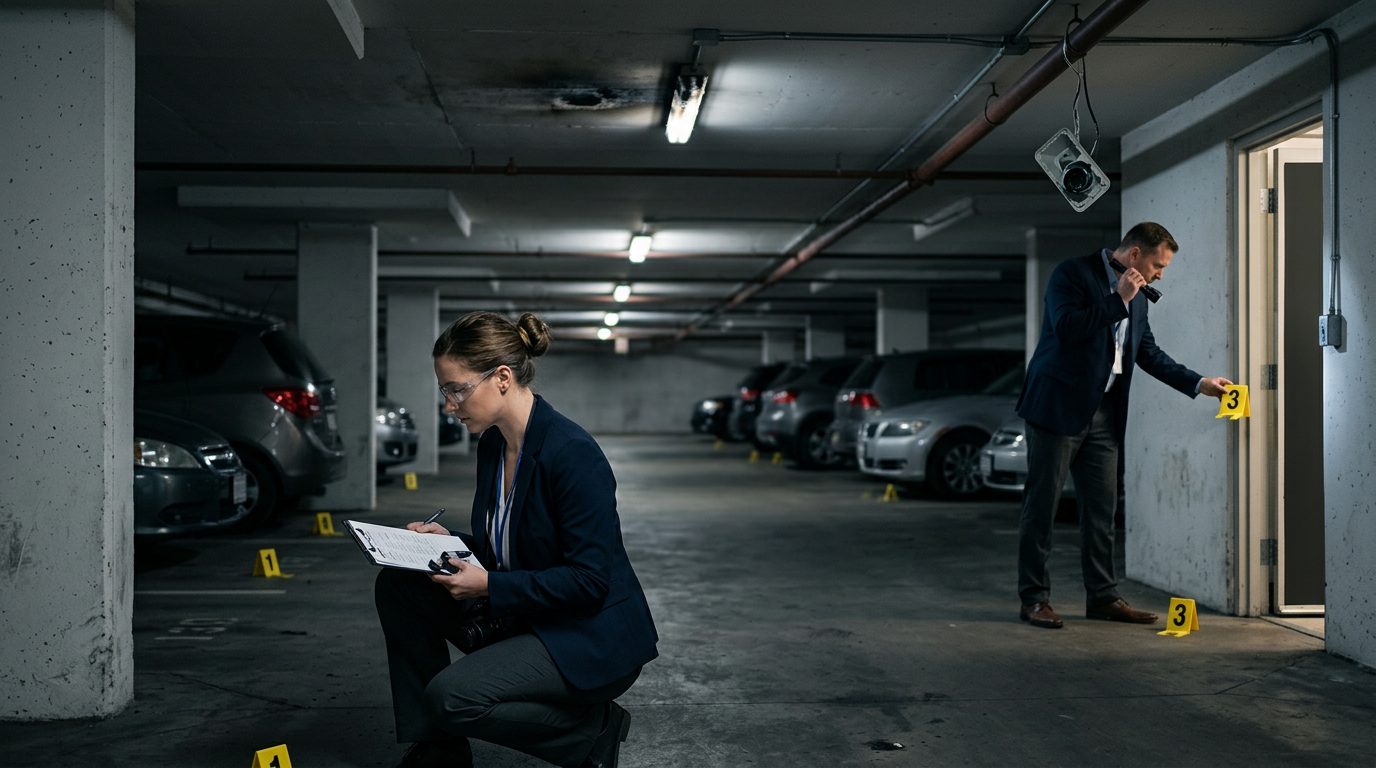
Negligent Security | Georgia
Student Housing Negligent Security Lawyer
If you were harmed in off-campus or on-campus housing due to inadequate security, Slam Dunk Attorney fights for your right to compensation. Serving metro Atlanta and Georgia.
By Peter F. Jaraysi · Published September 24, 2026
Student Housing Negligent Security Lawyer in Georgia
When a student is harmed by assault, theft, or break-in in a dorm or off-campus housing complex, the property owner or manager may be legally responsible if they failed to provide reasonable security. Negligent security claims hold property owners accountable for foreseeable criminal activity they could have prevented or deterred through adequate locks, lighting, cameras, access controls, or security personnel.
If you or a student you care for has been injured in student housing due to inadequate security in Georgia, Slam Dunk Attorney investigates these cases thoroughly and pursues fair compensation. We understand the lasting impact of campus crime and the disruption to education and life that follows.
Not sure what your next step is?
Talk it through with our team — the first consultation is free, confidential, and carries no obligation.
What Is Negligent Security in Student Housing and College Campuses?
Negligent security is a property owner’s or manager’s failure to provide reasonable security measures that would foreseeably protect students from criminal acts or harm.
Property owners and managers have a legal duty to exercise reasonable care to protect residents (called invitees in legal terms) from foreseeable criminal activity. That duty includes maintaining adequate locks, lighting, security cameras, alarm systems, access controls, and—when circumstances warrant—security personnel or patrols.
Common examples of negligent security in student housing include:
- Broken or missing locks on dorm room doors, common area doors, or building entrances
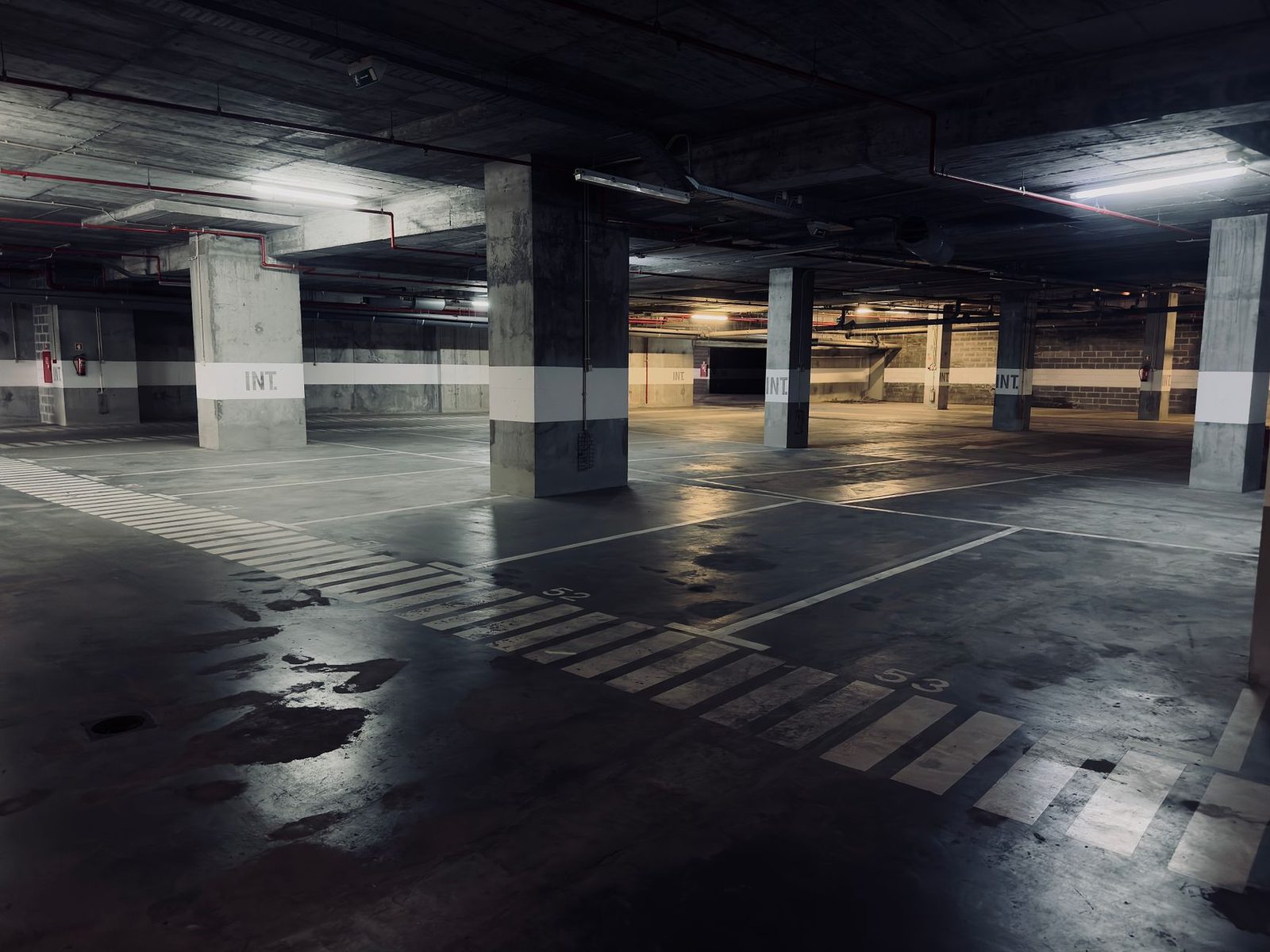
- Inadequate or burned-out lighting in parking lots, walkways, or stairwells
- Missing or non-functional security cameras in high-risk areas
- Unsecured entry points or tailgating (allowing unauthorized access)
- No security personnel or patrols despite prior crimes on or near the property
- Failure to respond to or investigate prior crime reports or complaints from residents
- Lack of access controls or key card systems in buildings with known security issues
Why it matters: Students are entitled to reasonable protection. Property managers have a duty to anticipate and prevent foreseeable criminal activity—especially if similar crimes have occurred before or if the location is known to be high-risk.
Who This Service Is For
This service is for:
- Students injured or assaulted in on-campus housing or college-owned facilities due to inadequate security
- Students harmed in off-campus student housing (apartments, houses, complexes) where landlords or property managers failed to maintain reasonable security
- Parents or guardians of students who were victimized and need legal representation
- Anyone in Georgia—metro Atlanta, surrounding counties, and beyond—harmed by foreseeable criminal activity that adequate security could have prevented or deterred
Whether you attend a large university, a small college, or live in a private student housing complex, if inadequate security enabled harm, you may have a claim.
What a Student Housing Negligent Security Claim Covers
Damages in a negligent security case typically include:
- Medical expenses: emergency room care, ongoing treatment, surgery, mental health counseling, therapy, and rehabilitation
- Lost wages: income lost due to injury, trauma, or time away from work or school
- Pain and suffering: physical pain, emotional distress, anxiety, depression, and loss of enjoyment of your college experience
- Property damage: stolen or damaged belongings (laptop, phone, clothing, etc.)
- Future damages: ongoing medical care, counseling, or other foreseeable costs related to your injury
- Wrongful death damages: if a student died as a result of the incident (see our wrongful death service for details)
The goal is to make you whole—or as close as possible—by recovering compensation that reflects the real harm you suffered.
What We Investigate in Student Housing Cases
Our investigation into a negligent security claim focuses on several key areas:
Security measures in place (or missing): We examine what locks, lighting, cameras, alarms, security personnel, and access controls existed—or should have existed—at the time of the incident. We compare what was there to industry standards and what similar properties in the area provide.
Prior crime reports: We obtain police reports and incident logs to determine whether management knew of similar crimes (assaults, break-ins, thefts) and failed to act. Prior knowledge of crime strengthens the claim that the harm was foreseeable.
Property manager’s duty: We review the lease, local ordinances, and industry standards to establish what the property manager was legally required to provide. We consult security experts if needed.
Foreseeability: We gather evidence showing whether the crime or harm was reasonably foreseeable given the property’s location, prior incidents, crime statistics in the area, or known risks. Foreseeability is central to proving negligence.
Causation: We establish whether inadequate security directly enabled or failed to prevent the harm—for example, a broken lock that allowed unauthorized entry, or missing lighting that concealed an attacker.
Incident documentation: We collect police reports, medical records, witness statements, security footage (if available), emails or texts between you and management, and any incident reports you filed.
How the Process Works
Step 1 – Free Consultation
You describe what happened, where, and when. We listen carefully and ask clarifying questions about the security (or lack thereof) and your injuries. There’s no cost and no obligation.
Step 2 – Case Evaluation
We review police reports, medical records, lease agreements, and property management records to assess whether the property owner was negligent and what damages you may be entitled to recover.
Step 3 – Investigation
We obtain security footage, interview witnesses, research prior crime reports at the property, and consult security experts if needed to establish industry standards and foreseeability.
Step 4 – Demand & Negotiation
We prepare a detailed demand letter to the property owner’s insurance company, backed by evidence of negligence, foreseeability, and your damages. We negotiate on your behalf.
Step 5 – Settlement or Litigation
Most cases settle during negotiation. If the insurance company refuses a fair offer, we file suit and represent you through discovery, motion practice, and trial if necessary.
Timeline: – Initial evaluation: 1–2 weeks – Investigation: 4–8 weeks – Settlement negotiation: 2–6 months – Litigation (if needed): 1–3 years, depending on court schedules
Not sure what your next step is?
Talk it through with our team — the first consultation is free, confidential, and carries no obligation.
Why Choose Slam Dunk Attorney for Your Student Housing Case
Focused negligent security experience
We focus on premises liability and security failures across multiple property types, including student housing, campus facilities, and commercial properties. We understand the unique duty owed to students and how to prove foreseeability in an educational setting.
Georgia-based and local
We’re based in Duluth, Georgia, and we know Georgia law, local courts, and the metro Atlanta area where most student housing disputes arise. We understand the specific colleges, universities, and housing complexes in our region.
Thorough investigation
We don’t accept a property manager’s explanation at face value. We dig into prior incidents, security standards, police records, and expert analysis to build a strong case.
Transparent process
We explain what we’re doing, what we’ve found, and what your options are at every stage. You’ll understand your case and the path forward.
No upfront fees
We work on contingency, meaning you pay nothing unless we recover compensation for you. You may still owe case costs (court filing fees, expert fees, etc.), which we discuss upfront and in writing.
Empathetic approach
We understand that being harmed on campus disrupts your education and your life. We treat your case with the seriousness it deserves.
Common Questions About Student Housing Negligent Security Claims
Can I sue the college or university directly?
It depends. Public universities may have sovereign immunity protections under Georgia law, but exceptions exist. Private colleges and universities can be sued. Off-campus student housing managed by private companies is generally easier to pursue. We evaluate your specific situation.
What if the criminal was never caught?
You don’t need the criminal to be prosecuted or identified to hold the property owner liable for negligent security. The claim is against the property owner for failing to provide reasonable protection, not against the criminal.
What if I signed a waiver or lease that says the property isn’t responsible?
Waivers that attempt to shield a property owner from liability for their own negligence are generally not enforceable in Georgia. We review your lease and advise you.
How long do I have to file a claim?
Georgia’s statute of limitations for personal injury is generally two years from the date of injury. For wrongful death, it’s also two years. Don’t wait—evidence fades and witnesses move away. Contact us promptly.
What if the property had some security but it wasn’t enough?
Negligent security isn’t about having zero security—it’s about having inadequate security given the circumstances. We evaluate whether what was in place met reasonable standards for that location and type of property.
Will this case go to trial?
Most negligent security cases settle before trial, especially when evidence of inadequate security and foreseeability is strong. We’re prepared to litigate if necessary, but we always pursue the most efficient path to fair compensation.
What to Do Right Now
Preserve evidence: Keep photos of the property, lighting, locks, and any visible security gaps. Save text messages, emails, or incident reports you filed with management.
Gather documents: Collect your lease, medical records, police reports, and any correspondence with the property manager or college.
Write down details: Document what happened, when, where, and what security measures (or lack thereof) you observed. Memory fades; written notes help later.
Don’t delay: The sooner we investigate, the better. Witnesses move, footage is deleted, and memories fade. Georgia’s two-year statute of limitations is a deadline, not a suggestion.
If you were harmed by inadequate security in a dorm, campus facility, or student housing complex—whether by assault, theft, or break-in—you may have a claim against the property owner. Reach out today for a free case review; students in your situation contact us regularly. Request a free consultation with Slam Dunk Attorney and let us review what happened.
Why Choose Slam Dunk Attorney
Focused on Negligent Security Claims
We focus exclusively on personal injury cases, including negligent security in student housing. We understand the duty property owners and managers owe to keep residents safe.
Serving Metro Atlanta & Georgia
Based in Duluth, Georgia, we represent injured people across the Atlanta region and throughout Georgia—including Lawrenceville, Johns Creek, Alpharetta, Marietta, and beyond.
Clear, Honest Communication
We explain your rights and options in plain language. No jargon, no pressure—just transparent guidance about your potential claim.
No Upfront Fees
We work on a contingency basis: no fees unless there is a recovery. You may still owe case costs. We discuss all costs upfront.
Common Questions About Student Housing Negligent Security Claims
Can I sue the college or university directly?
It depends. Public universities may have sovereign immunity protections under Georgia law, but exceptions exist. Private colleges and universities can be sued. Off-campus student housing managed by private companies is generally easier to pursue. We evaluate your specific situation.
What if the criminal was never caught?
You may still have a claim against the property owner or manager. Negligent security cases focus on whether the property had adequate locks, lighting, security personnel, or other reasonable measures—not on whether police identified a suspect.
What counts as negligent security?
Examples include broken locks, poor lighting in common areas, lack of security cameras, missing security personnel, failure to respond to known threats, or failure to warn residents of prior crimes on the property.
How long do I have to file a claim?
Time limits apply. Contact us as soon as possible so we can review your situation and explain your options. Waiting can affect your ability to pursue a claim.
Important Note
Negligent security claims are complex and fact-specific. Property owners have a legal duty to maintain reasonably safe premises, but that duty has limits. We review the details of your situation to determine whether a viable claim exists.