
Premises Liability · Duluth, Georgia
Hurt on Someone Else's Property? Here's What the Law Means for You
Slam Dunk Attorney helps people injured in unsafe places across metro Atlanta and Georgia. The initial consultation is free, confidential, and comes with no obligation to continue.
By Peter F. Jaraysi · Published November 21, 2026
Someone you care about was hurt on property where they had every right to be, and now you’re trying to understand what happened. Premises liability is the part of personal injury law that asks who is responsible when an unsafe condition on someone’s property causes harm. In plain terms, a property owner or the person who controls a property can be held responsible when they knew, or should have known, about a hazard and failed to fix it or warn about it.
Georgia law measures that duty by a standard called ordinary care. This guide explains what that standard means, who can be responsible, and what to think about next.
What premises liability means in plain terms
Premises liability holds owners and occupiers responsible for injuries caused by their failure to exercise ordinary care in keeping the premises and approaches safe, when they invite or lead others onto the land for a lawful purpose. Under Georgia law, an owner or occupier who invites people onto the property for a lawful purpose must use ordinary care to keep the premises and approaches safe (§ 51-3-1). “Premises” means the land and the buildings or structures on it, including homes, stores, apartments, parking lots, and rental properties.
Ordinary care is the care an ordinarily prudent person would use under similar circumstances. Georgia calls the absence of that care ordinary negligence (§ 51-1-2). The claim centers on the condition of the property and how it was managed. It isn’t only about what the injured person did.
If someone you love was hurt on property they had every right to be on, you don't have to work through the next steps alone; contact Slam Dunk Attorney for a free, confidential case review with no obligation to continue. Talk it through with our team — the first consultation is free, confidential, and carries no obligation.

Who can be responsible for a property
Responsibility usually follows control of the space where the injury happened, not just ownership on paper.
Landlords get a special rule. Under § 44-7-14, a landlord who has fully parted with possession and the right of possession generally isn’t responsible to third persons for damages resulting from the negligence or illegal use of the premises by the tenant. The landlord stays responsible for defective construction and for failing to keep the premises in repair.
Short-term rentals add more people to the picture. A host, a property manager, or a company that runs the rental may each be part of the analysis. The key question is who controlled the unit and its repairs. Who controlled the space is a fact question, and the answer depends on the facts of each case.
Why the visitor’s status matters under Georgia law
The duty an owner owes depends in part on why the person was on the property. The protection in § 51-3-1 applies to people invited for a lawful purpose, such as customers or guests. A licensee is different. Georgia defines a licensee as someone who isn’t a customer, servant, or trespasser, has no contract with the owner, and is allowed on the property merely for their own interests, convenience, or gratification. The owner is liable to a licensee only for willful or wanton injury (§ 51-3-2).
Trespassers are treated differently still. Georgia’s negligent security rules say no owner or occupier is liable for negligent security to a trespasser (§ 51-3-54). Visitor status is one factual question among several. It should be reviewed against the specific facts, not assumed from a label.
What a claimant generally has to show
A breach usually means the owner failed to use ordinary care.
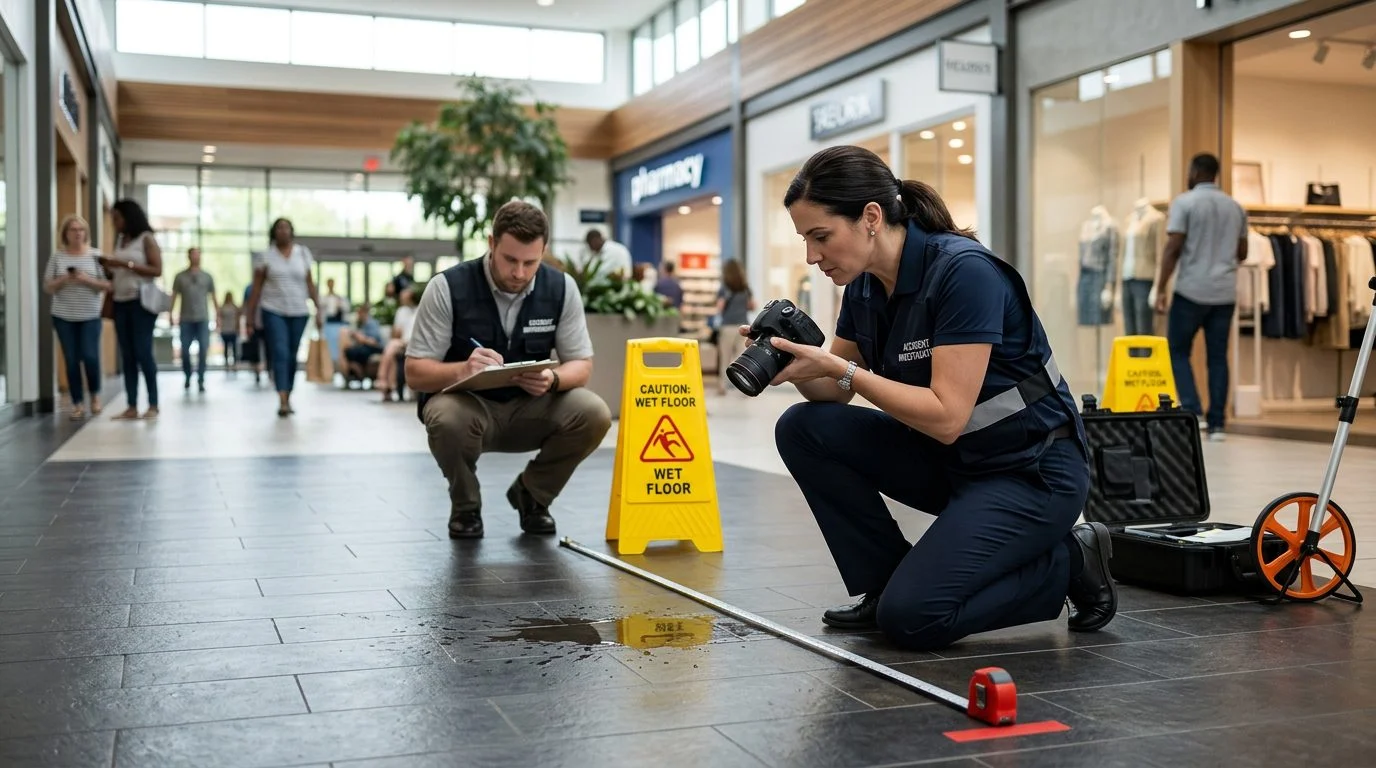
Knowledge is often central. Did the owner know about the hazard, or would a reasonable inspection have revealed it? Those questions often decide whether a breach happened. Evidence helps answer them. Photos taken soon after the incident, incident reports, maintenance and repair records, and witness statements can each relate to one or more of these elements. Each item connects to the case in its own way, and the connection is specific to each matter.
Common unsafe conditions and situations
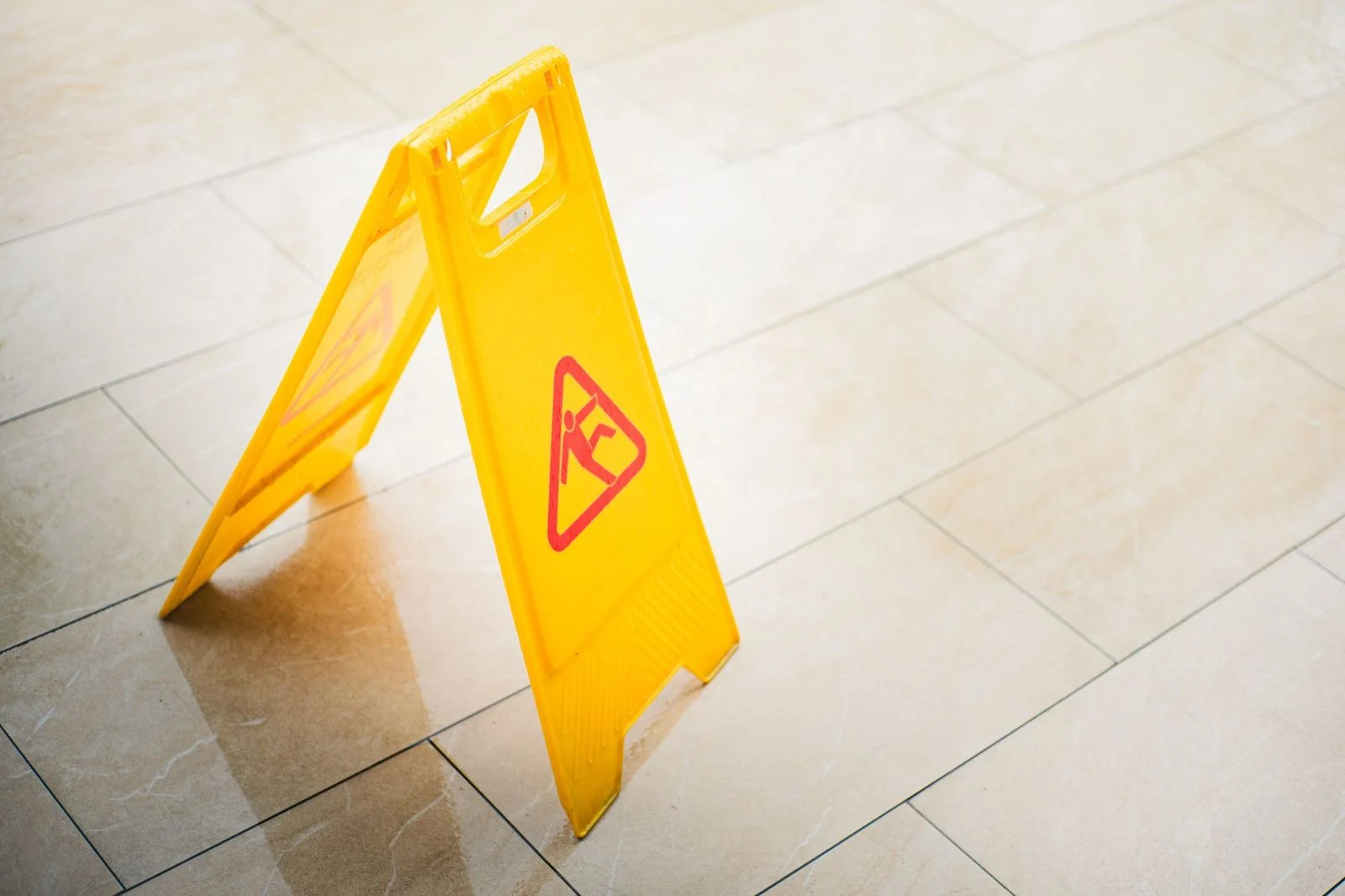
Premises claims cover a wide range of situations, from a wet store floor to a crime on a property. Slip and fall injuries often involve wet floors, uneven surfaces, broken stairs, poor lighting, or hazards that weren’t marked.
Negligent security is more demanding. Under § 51-3-51, an invitee must prove the third person’s wrongful conduct was reasonably foreseeable. That usually means a particularized warning of imminent wrongful conduct, or prior occurrences of substantially similar conduct upon the premises, upon the adjoining property, or within 500 yards of the premises that the owner actually knew about. The injured person must also show a specific, known physical condition of the premises exposed them to a risk substantially greater than the general risk of wrongful conduct in the vicinity of the premises, that the owner failed to use ordinary care to fix or reduce it, and that this failure was a proximate cause of the injury. The building type matters too, because the statute excludes injuries sustained on premises used as a single-family residence (§ 51-3-54).
Short-term rental injuries often involve defective stairs, loose railings, or pools in a home booked through Airbnb or VRBO. Whether the owner, host, or manager controlled that condition is central.
Every category is fact-specific. A reader shouldn’t assume an injury automatically fits or falls outside these rules.
How shared fault works in Georgia
Georgia uses a modified comparative negligence rule. If the injured person is partly responsible, the judge reduces the damages in proportion to their percentage of fault (§ 51-12-33). If the injured person is 50 percent or more responsible, they cannot receive any damages for the injury, under the same statute.
Fault can be split among several people. Each liable person’s share is their own liability, not joint liability, and the fault of everyone who contributed is considered, even people who weren’t named in the suit (§ 51-12-33). Expect the other side to raise these arguments, including the claim that the injured person contributed to what happened.
Not sure what your next step is?
Talk it through with our team — the first consultation is free, confidential, and carries no obligation.
Time limits and what to do next
Georgia generally requires a personal injury lawsuit to be filed within two years after the right of action accrues (§ 9-3-33). Some exceptions exist, and the details of each situation matter, so an early review of the facts helps.
Early steps can protect what you’ll need later. Take photos of the hazard and the area, and do it before anything is repaired, if you can. Keep medical records, bills, and receipts. Write down what you remember while it’s fresh, including the time, the lighting, and the names of anyone who saw what happened. Save clothing or items that were damaged.
You don’t have to decide anything today to learn more about your options.
Frequently asked questions
What does premises liability mean in law?
It makes property owners and occupiers responsible for injuries caused by unsafe conditions they knew about or should have addressed. In Georgia, the core standard is ordinary care.
How long do I have to file a claim in Georgia?
Georgia generally allows two years to file a personal injury lawsuit (O.C.G.A. § 9-3-33; Kenneth B. Cameron v. Jmp Pizza, Inc (2026)). Some exceptions can apply.
Can I still recover if I was partly at fault?
Possibly. Your recovery is reduced by your share of fault, and it’s barred if your share is 50 percent or more (O.C.G.A. § 51-12-33; Quynn v. Hulsey (2020)).
Can a landlord be responsible for a tenant’s injury?
Sometimes. A landlord who has fully parted with possession is generally not responsible for the tenant’s negligence, but can be responsible for defective construction or failure to make repairs.
If someone you love was hurt on property they had every right to be on, you don’t have to work through the next steps alone. Request a free case review with Slam Dunk Attorney, a free, confidential consultation with no obligation to continue.
Disclaimer: This page is general information, not legal advice. Slam Dunk Attorney is based in Duluth, Georgia. Responsible lawyer: Peter F. Jaraysi. Contact: https://slamdunkattorney.com/contact-us/
How our team approaches your case
Plain-language answers
We explain legal terms and each step of the process in clear, everyday language so you always know where things stand.
Focused on your protection
Our team works to protect your rights while you concentrate on your recovery, from the first call through every stage of the claim.
Support for your whole family
When an injury affects loved ones, we make time to listen to everyone and keep them informed.
Clear talk about costs
Every discussion about fees and expenses is open and upfront, so you can make informed decisions.
Protect the evidence early
Conditions at a property can change quickly. Photos, names of witnesses, incident reports, and records of your medical care are often easier to gather while the details are still fresh. Keep them safe and share them with us.
Common premises situations we handle
Slip and fall
Injuries from wet floors, uneven surfaces, icy walkways, or hazards that were not marked or repaired.
Negligent security
Assaults and other harm that may have happened because a property did not provide reasonable protection for the people on it.
Short-term rental injuries
Accidents at vacation homes and rentals booked through Airbnb or VRBO, where stairs, decks, pools, or other features were unsafe.
General premises liability
Injuries at stores, apartments, offices, and other properties where an unsafe condition led to harm.