
Negligent Security | Georgia
Injured by a Criminal Attack at a Retail Store? You May Have a Claim.
Retailers have a duty to provide reasonable security. When they fail, we help you pursue accountability.
By Peter F. Jaraysi · Published September 22, 2026
Retail Store Negligent Security Claims in Georgia
If you were assaulted, robbed, or attacked inside a retail store or in its parking lot due to inadequate security, the retailer may be legally responsible for your injuries. Retailers have a duty to protect customers from foreseeable criminal activity, and when they fail to provide reasonable security measures—like proper lighting, surveillance cameras, security personnel, or access control—they can be held liable for the harm that results.
This guide explains what constitutes inadequate security in a retail setting, how Georgia law addresses these claims, what we investigate to build your case, and what to expect through the legal process.
If you were assaulted, robbed, or attacked in a retail store due to inadequate security, you may have a claim—and people in your situation reach out to us regularly. Talk it through with our team — the first consultation is free, confidential, and carries no obligation.
What Is a Retail Store Negligent Security Claim?
A retail store negligent security claim arises when a retailer fails to provide adequate security measures, and that failure allows a foreseeable criminal act to occur, injuring you.
Retailers—whether a grocery store, shopping mall, gas station, or clothing boutique—have a legal obligation to maintain reasonably safe premises. That duty includes protecting customers and visitors from foreseeable criminal activity like assault, robbery, or theft-related violence. When a retailer’s negligence in providing security directly leads to your injury, you may have grounds to pursue compensation.
Who can file a claim: – Customers injured during an assault or robbery – Employees hurt due to inadequate workplace security – Visitors attacked in parking lots or store aisles – Anyone lawfully on the retailer’s premises when the security failure occurred
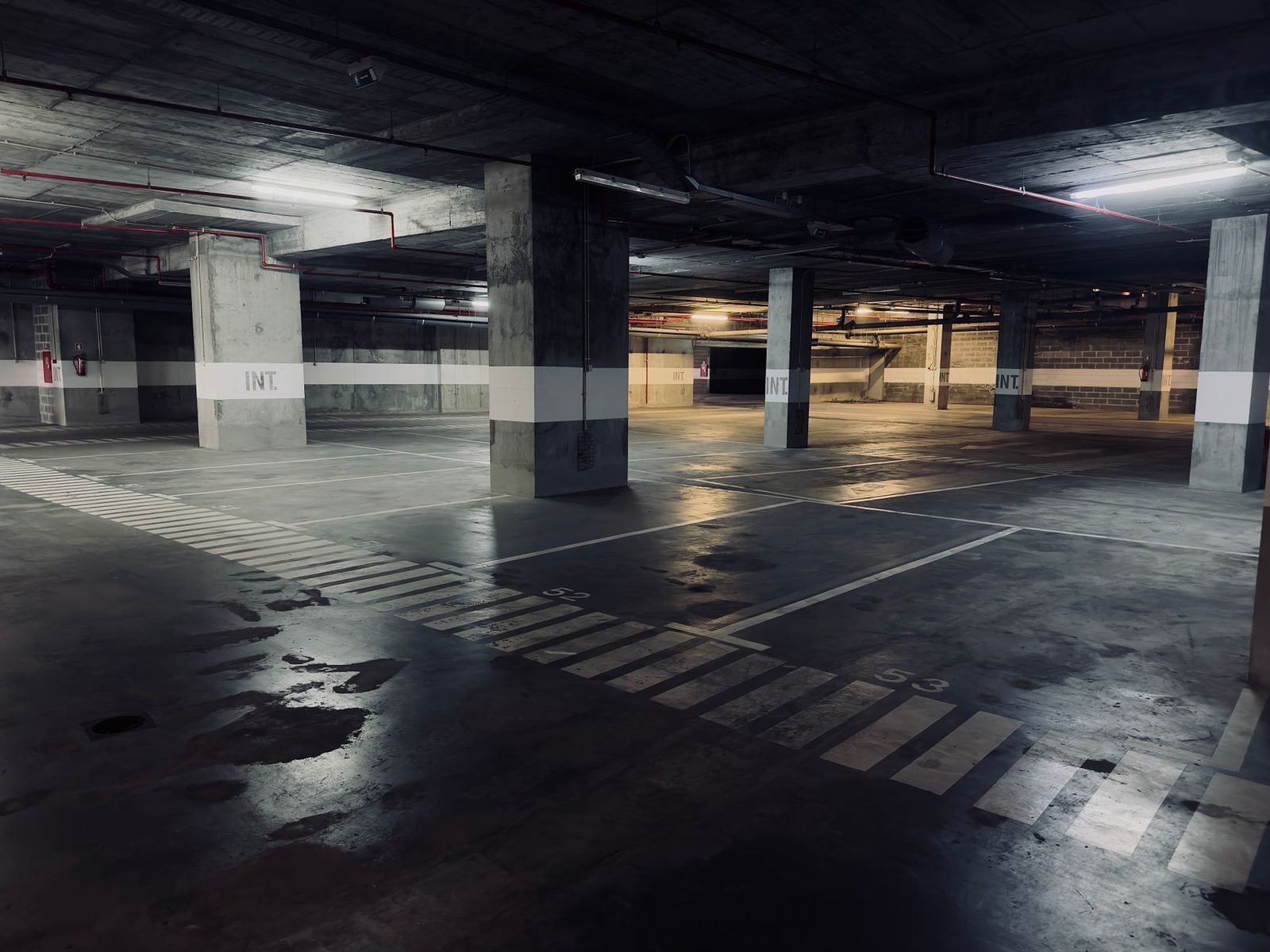
Common scenarios: – Mugging or assault in a poorly lit parking lot – Robbery or violent confrontation inside the store – Theft-related altercation that turns violent – Attack by an intruder who gained access due to broken locks or poor access control
What Counts as Inadequate Security in a Retail Setting?
Inadequate security in retail environments takes many forms. Courts and security professionals evaluate whether a retailer’s measures fall short of what’s reasonable for that type of business and location.
Common security failures include:
- Insufficient lighting in parking lots, entryways, loading areas, or store aisles—darkness makes customers vulnerable and deters surveillance
- Lack of security cameras or non-functional surveillance systems that fail to record or monitor high-risk areas
- No security guards or inadequate staffing during peak hours or high-crime times
- Broken locks, unsecured doors, or poor access control that allow unauthorized entry
- Failure to respond to prior criminal incidents at the location or to known patterns of crime in the area
- No emergency call systems or panic buttons for staff or customers to summon help
- Inadequate training of employees on security protocols, emergency response, or how to de-escalate confrontations
- Failure to warn customers of known security risks or recent criminal activity on the premises
The reasonableness of security measures depends on the retailer’s location, the type of business, the time of day, and the history of crime in that area. A store in a high-crime neighborhood, for example, may be expected to maintain higher security standards than one in a low-crime area.
What Must Be Proven in a Negligent Security Claim?
To succeed in a negligent security claim, you must establish four key elements:
1. Duty of Care
Retailers owe a duty of care to customers and lawful visitors on their premises. This is automatic—no retailer can escape this obligation.
2. Breach of Duty
You must show that the retailer failed to provide adequate security measures. This means proving the security was unreasonably inadequate for the circumstances—poor lighting, missing cameras, no guards, or broken locks when the situation called for better protections.
3. Foreseeability of the Criminal Act
This is often the most contested element. You must demonstrate that the crime was foreseeable based on:
– Prior criminal incidents at that location
– Police reports of crime in the surrounding area
– Industry data showing similar crimes at comparable retail locations
– The retailer’s knowledge of security risks
4. Causation and Damages
You must prove that the inadequate security directly caused your injury and that you suffered measurable harm:
– Medical bills and ongoing treatment costs
– Lost wages due to recovery time or inability to work
– Pain and suffering
– Emotional distress or trauma
How We Investigate Retail Store Negligent Security Cases
In the negligent security cases our attorneys handle, a thorough investigation is essential to overcome retailer defenses and establish liability. Here’s what we do:
Security Footage Review
We obtain and analyze store and parking lot video to establish a timeline of events, identify gaps in camera coverage, and document the conditions (lighting, visibility, activity) at the time of the incident.
Prior Incident History
We subpoena police reports, incident logs, and dispatch records to show that similar crimes had occurred at that location before your attack. This evidence is crucial to proving foreseeability.
Security Audit
We evaluate the retailer’s lighting, camera placement and functionality, alarm systems, staffing levels, access control, and emergency procedures. We compare these measures against industry standards for similar retail environments.
Witness Interviews
We gather detailed statements from employees who were present, other customers who witnessed the incident, and responding police officers. Their accounts help establish what happened and what security measures were (or weren’t) in place.
Expert Consultation
We work with security professionals and experts who can testify about what reasonable security measures should have been in place given the location, business type, and crime history. Experts can also review security footage and identify specific failures.
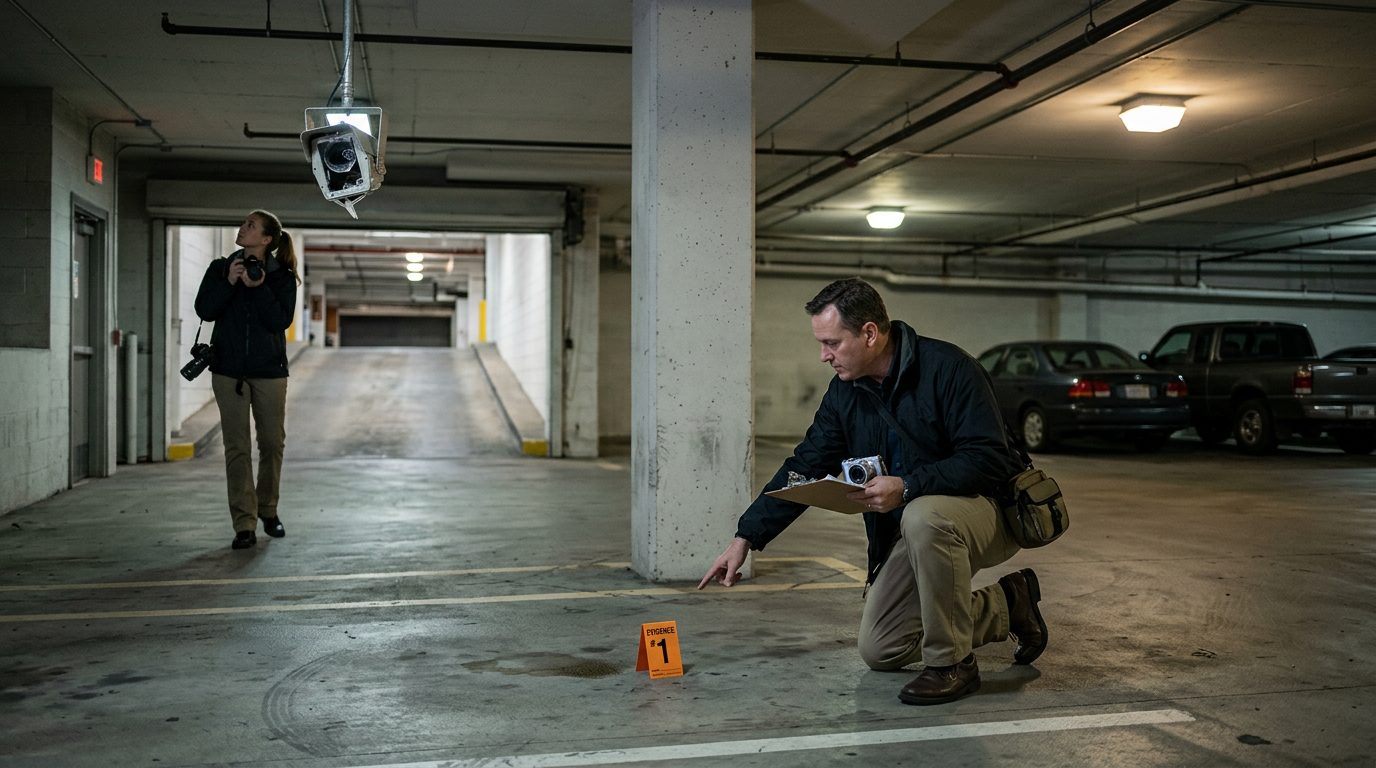
Scene Documentation
We photograph and measure the premises to demonstrate visibility problems, inadequate lighting, poor access control, and other security deficiencies that contributed to your injury.
The Legal Process: What to Expect
Initial Consultation
We review your incident, injuries, and available evidence at no cost. You’ll speak with an experienced attorney who will listen to your account and answer your questions.
Case Evaluation
We determine whether the retailer’s security failure was foreseeable and whether you have a viable claim. We’ll discuss the strength of the evidence and realistic expectations for your case.
Demand Letter
We document the retailer’s breach of duty, the foreseeability of the crime, and your damages. We then present a settlement demand to the retailer’s insurance carrier, giving them the opportunity to resolve the claim without litigation.
Negotiation
We work to reach a fair settlement. Most negligent security cases resolve during this phase through negotiation with the retailer’s insurance company.
Litigation (If Necessary)
If settlement is not reached, we file a lawsuit and proceed through discovery (exchanging evidence), depositions (recorded witness interviews), and ultimately trial before a judge or jury.
Timeline
Simple cases may resolve in 6 to 12 months. Complex cases involving multiple parties, significant injuries, or contested liability may take 1 to 2 years or longer.
Not sure what your next step is?
Talk it through with our team — the first consultation is free, confidential, and carries no obligation.
Why Experience With Retail Security Cases Matters
Retailers and their insurance companies aggressively defend negligent security claims. They argue the crime was unforeseeable, that you assumed the risk by being on their premises, or that the criminal—not the retailer—is solely responsible for the harm.
We know how to overcome these defenses. We understand how to obtain and interpret security footage, police reports, and expert testimony. We know Georgia premises liability law and the specific duty retailers owe under Georgia law. We’ve handled cases involving assault, robbery, and other crimes on retail premises across metro Atlanta and Georgia. And we know which security standards apply to different types of retail environments and how to prove deviation from those standards.
Common Questions About Retail Store Negligent Security Claims
Is the retailer liable if a criminal attacked me, even though the criminal is the one who committed the act?
Yes, if the retailer failed to provide adequate security and the attack was foreseeable. The retailer’s negligence in failing to prevent or deter the crime can make them liable for your injuries, even though the criminal is also responsible.
What if I was injured in the parking lot, not inside the store?
The retailer’s duty of care extends to parking lots and other areas under their control. If inadequate lighting, lack of security cameras, or insufficient staffing contributed to your injury, you may have a claim.
How do we prove the crime was foreseeable?
We look for prior criminal incidents at that location, police reports of crime in the area, industry data showing similar crimes at comparable retail locations, and any warnings or complaints the retailer received before your incident.
What if the retailer says I should have been more careful?
Georgia law recognizes comparative fault (shared responsibility), but a retailer cannot shift responsibility for their own security failures to a customer. We will defend against any argument that you were at fault for the retailer’s negligence.
How much is my case worth?
The value depends on your injuries, medical expenses, lost income, and the strength of the evidence of the retailer’s negligence. We evaluate each case individually and discuss realistic expectations during your consultation.
Will I have to pay anything upfront?
We represent clients on a contingency fee basis, meaning you pay no attorney’s fees unless we recover compensation for you. You may be responsible for certain case costs (such as expert fees or court filing fees), which we discuss with you before incurring them.
Why Choose Slam Dunk Attorney for Your Retail Store Negligent Security Claim?
- Local presence: Based in Duluth, Georgia, serving metro Atlanta and across the state
- Focused practice: We focus on premises liability and negligent security claims
- Thorough investigation: We leave no stone unturned in gathering evidence of the retailer’s security failures
- Direct communication: You work with experienced attorneys, not paralegals or case managers
- Transparent process: We explain your rights, the law, and realistic outcomes in plain language
- No upfront costs: Contingency fee arrangement means you only pay if we recover for you
Next Steps: Get Your Free Case Review
If you were injured due to inadequate retail store security, don’t wait. Call us for a confidential, no-cost consultation to discuss your incident and injuries.
Bring with you: – A copy of the police report – Medical records and bills – Photos of the scene (if you have them) – Names and contact information for any witnesses
We will evaluate whether you have a viable claim, explain your legal options, and answer your questions. If we take your case, we handle all communication with the retailer and their insurance company—you won’t face this alone.
If you were attacked, robbed, or assaulted in a retail store due to inadequate security measures, you may have a claim against the retailer—and people in your exact situation reach out to us regularly. Request a free consultation today.
Important: Retailer Liability for Criminal Acts
A retailer can be held liable for injuries caused by a criminal attack—even though the criminal committed the act—if the retailer failed to provide adequate security and the attack was foreseeable. Negligent security is a serious breach of the duty retailers owe their customers.
Common Negligent Security Scenarios at Retail Locations
Parking Lot Attacks
Assaults, robberies, or other crimes in parking areas where the retailer failed to provide adequate lighting, security cameras, or personnel.
In-Store Violence
Attacks inside the store where security measures were inadequate or the retailer ignored prior warnings of dangerous conditions.
Lack of Security Personnel
Stores that failed to employ or station security guards despite a known history of crime in the area.
Broken or Missing Security Systems
Inoperative cameras, alarms, or lighting that left you vulnerable to criminal activity.
Why Negligent Security Claims Matter
Retailers Have a Legal Duty
Stores are required to maintain reasonably safe premises and take steps to prevent foreseeable criminal acts. When they don't, they can be held accountable.
Foreseeability Is Key
If crime was common in the area or the retailer had prior notice of security problems, an attack may have been foreseeable—strengthening your claim.
Evidence Matters
Security footage, incident reports, prior complaints, and police records can all support your case. We know what to look for and how to obtain it.
Your Recovery Is Our Focus
We pursue compensation for medical bills, lost wages, pain and suffering, and other damages—and we handle the legal work so you can focus on healing.
Frequently Asked Questions
Can I sue the retailer if a criminal hurt me?
Yes, if the retailer failed to provide adequate security and the attack was foreseeable. The retailer's negligence in failing to prevent or deter the crime can make them liable for your injuries, even though the criminal is also responsible.
What if the attack happened in the parking lot?
Retailers are responsible for security in parking areas they control or manage. If lighting was poor, cameras were broken, or security was absent, the retailer may be liable for injuries caused by criminal acts in the lot.
How do I prove the retailer was negligent?
We investigate whether the retailer knew or should have known of security risks, whether adequate measures were in place, and whether the attack was foreseeable. Documentation, witness statements, and prior incident reports are critical.
What compensation can I recover?
You may recover medical expenses, lost income, pain and suffering, and other damages related to your injuries. The amount depends on the facts of your case, the severity of your injuries, and the retailer's degree of negligence.
Our Approach to Your Negligent Security Claim
Clear Communication
We explain your rights and options in plain language, so you understand every step of the process.
Prompt Investigation
We act quickly to preserve evidence, obtain security footage, and gather witness accounts before they disappear.
Thorough Case Building
We work with security experts, medical professionals, and investigators to build a strong, well-documented claim.
Direct Access
You work with our team throughout your case—no unnecessary delays or confusion about your claim's status.
About Our Fee Structure
We represent clients on a contingency basis—you pay no attorney's fees unless there is a recovery in your case. You may still be responsible for certain case costs and expenses. We'll discuss all fees and costs clearly before you decide to work with us.