
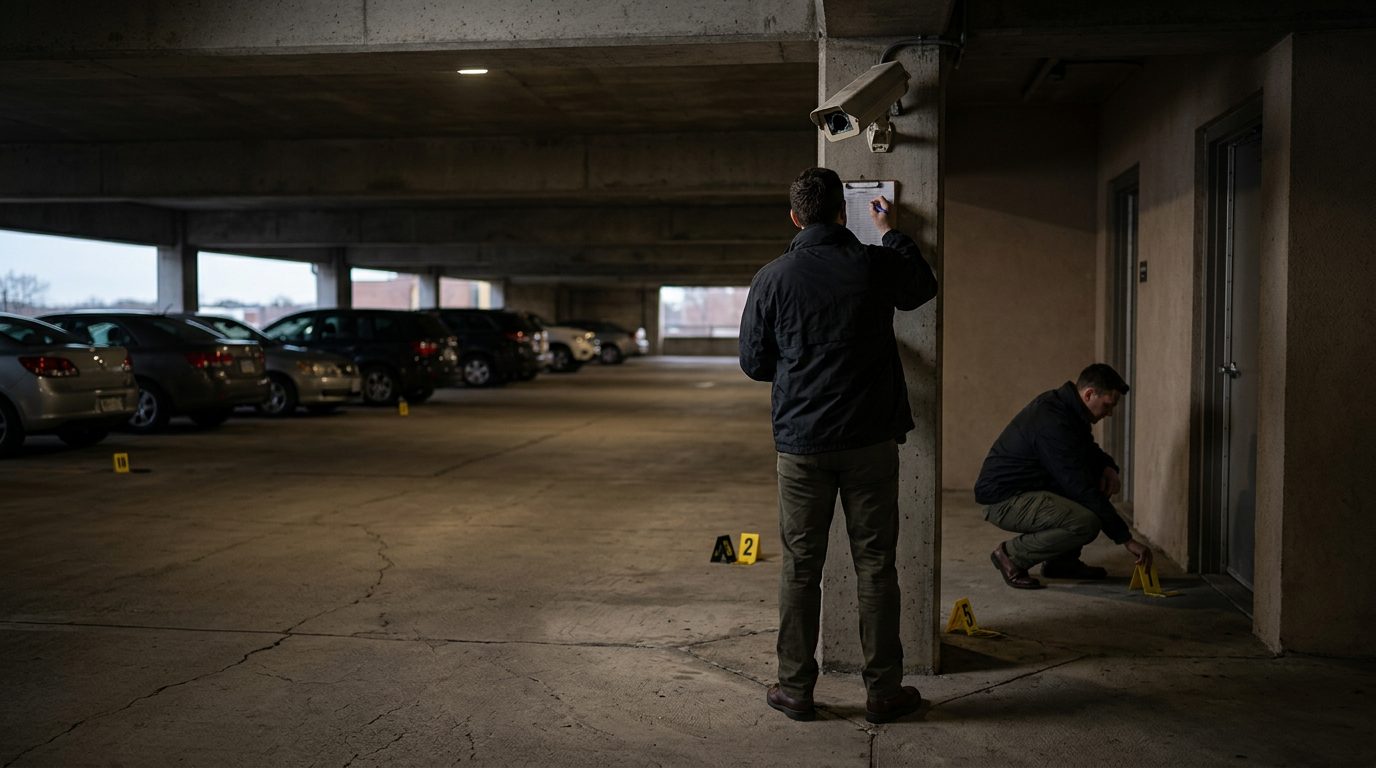
Negligent Security | Georgia
Event Venue Negligent Security Lawyer
If you were assaulted, robbed, or injured due to inadequate security at a Georgia venue, we can help you pursue accountability and compensation.
By Peter F. Jaraysi · Published September 20, 2026
Event Venue Negligent Security Claims in Georgia
When you’re injured by criminal violence at a concert, festival, nightclub, or sporting event, the venue itself may be legally responsible—not just the person who harmed you. Georgia law requires venue operators to provide reasonable security measures to protect patrons from foreseeable criminal acts. If a venue fails to do so, you may have a negligent security claim.
If you were assaulted or injured at an event venue in Georgia due to inadequate security, you may have a claim against the venue—and people in your situation reach out to us regularly to understand their options. Talk it through with our team — the first consultation is free, confidential, and carries no obligation.
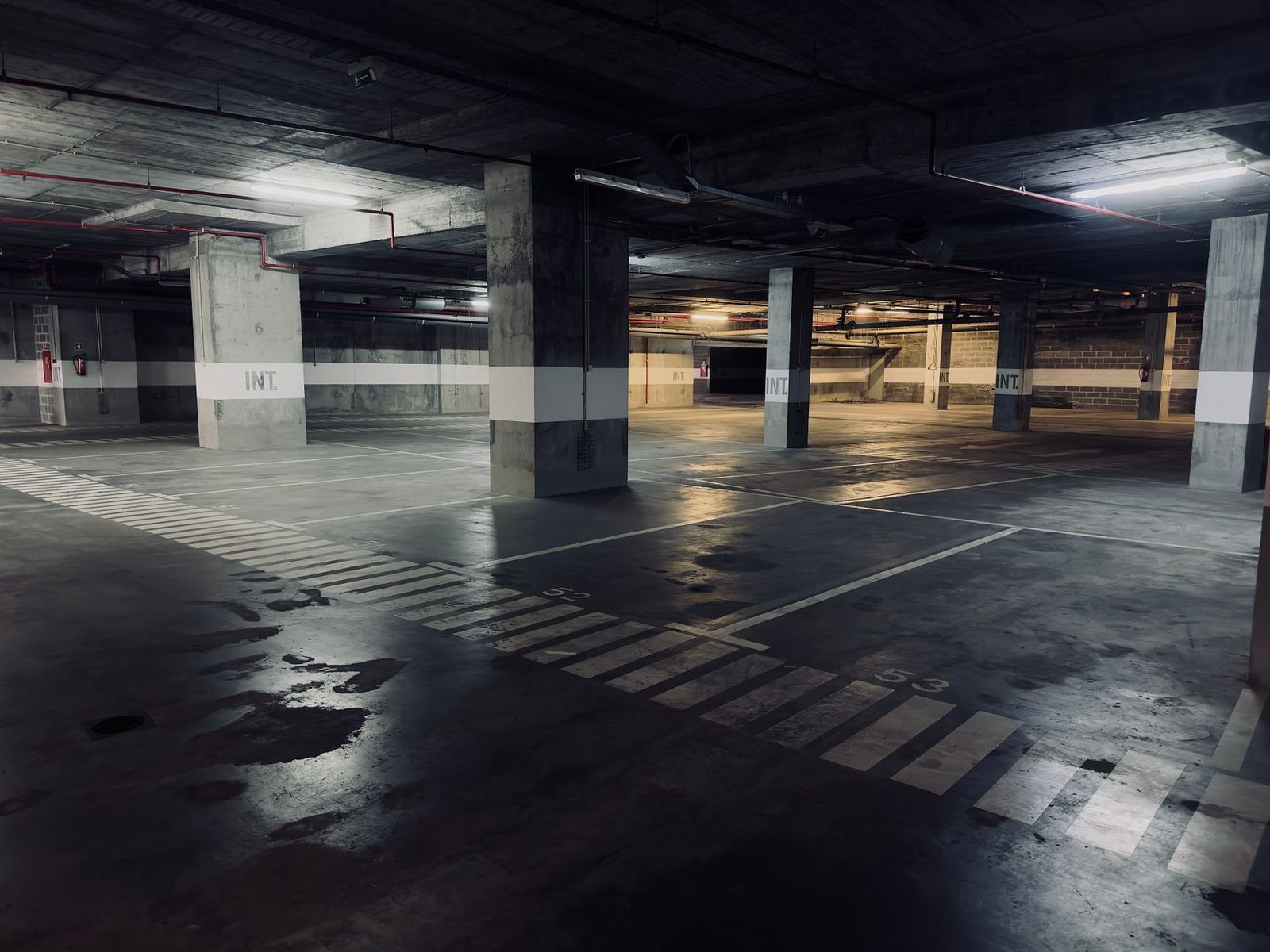
What Is Negligent Security at an Event Venue?
Negligent security at an event venue is the venue owner’s or operator’s failure to provide adequate security measures, resulting in foreseeable criminal acts—assault, robbery, shooting, or other violence—that injure patrons.
Under Georgia premises liability law, venue operators have a legal duty to protect invitees (paying guests and authorized attendees) from foreseeable harm. This duty includes protecting patrons from foreseeable criminal acts by third parties. When a venue fails to meet industry standards for security—by understaffing, omitting metal detectors, providing poor lighting, failing to train security personnel, lacking an incident response plan, or refusing to eject known troublemakers—and that failure allows a foreseeable crime to occur, the venue is negligent.
Negligent security differs from general premises liability. While premises liability covers slip-and-fall or structural hazards, negligent security focuses specifically on the venue’s failure to prevent or respond to criminal third-party acts that the venue should have anticipated.
Who Can File an Event Venue Negligent Security Claim?
You can file a negligent security claim if you were:
- An invited patron injured by assault, robbery, or other criminal violence at the venue
- A family member of someone killed in a foreseeable security failure (wrongful death claim)
- Present at a mass-casualty event where security was demonstrably inadequate and contributed to your injury
Georgia law recognizes a duty owed to invitees—people invited onto the property as customers or guests. Trespassers generally cannot recover, but anyone lawfully present at an event has standing to pursue a claim if the venue’s negligence caused injury.
What Does a Negligent Security Claim at an Event Venue Cover?
A successful negligent security claim can recover compensatory damages, which include:
- Medical expenses: emergency care, hospitalization, surgery, rehabilitation, ongoing treatment, and mental health counseling for trauma or PTSD
- Lost wages: income lost during recovery and, if your injury is permanent, ongoing lost earning capacity
- Pain and suffering: physical pain, emotional trauma, anxiety, post-traumatic stress disorder, and loss of enjoyment of life
- Permanent injury damages: scarring, disfigurement, chronic pain, and reduced quality of life
- Wrongful death damages: funeral and burial costs, loss of companionship, loss of financial support to dependents, and loss of guidance (if applicable)
In cases of gross negligence or reckless disregard for patron safety—such as a venue with a documented history of violent incidents that deliberately ignored security standards—Georgia law permits punitive damages in addition to compensatory damages. Punitive damages are designed to punish the wrongdoer and deter similar conduct.
How We Investigate Negligent Security Claims
Our investigation focuses on proving that the crime was foreseeable and that the venue’s security fell below reasonable standards.
Security audit. We review the venue’s written security plan, staffing levels and training records, prior incident logs, and any security policies. We compare these to industry standards for similar venues.
Foreseeability analysis. We examine prior crimes at the venue or in the surrounding area. Evidence of prior assaults, robberies, or shootings is critical to establishing that the venue knew or should have known of the risk. We also assess whether the venue’s location, the nature of events held there, or the clientele made criminal acts foreseeable.
Expert consultation. We retain security professionals who assess whether the venue’s measures—or lack thereof—fell below industry standards and best practices.
Witness interviews. We gather statements from patrons, venue staff, security personnel, and law enforcement present during the incident. These accounts establish what happened, what security was (or wasn’t) in place, and how the venue responded.
Video and incident records. We obtain CCTV footage, police reports, 911 call recordings, and the venue’s own incident logs. Video evidence often shows the absence of security or the venue’s failure to intervene.
Venue compliance review. We determine whether the venue followed its own stated security policies and complied with applicable Georgia law and local ordinances.
What to Expect: The Legal Process
Understanding the timeline and your role helps you prepare and stay informed.
Free case review. You contact us and describe the incident. We listen, ask clarifying questions, and assess whether you have a viable claim. We explain liability, potential damages, and next steps—with no obligation on your part.
Investigation phase (weeks to months). Our team gathers evidence, interviews witnesses, retains experts, and builds the factual record. You provide medical records, incident details, and your account of what happened. We keep you updated on progress.
Demand letter. Once investigation is complete, we present our findings to the venue’s insurance carrier and demand compensation. The demand letter outlines the venue’s negligence, your injuries, and the damages you’ve suffered.
Negotiation. Settlement discussions begin. The venue’s legal team and insurer respond. Many cases resolve at this stage through mediation or direct negotiation.
Litigation (if necessary). If settlement talks stall, we file suit in Georgia state or federal court. Discovery (exchange of documents and evidence), depositions (recorded witness testimony), and trial preparation follow. We prepare every case for trial to maximize our negotiating position, but we also pursue fair settlements that avoid the time, expense, and uncertainty of litigation.
Timeline. Most negligent security cases resolve within 12–24 months. Complex cases, cases involving multiple parties, or cases that proceed to trial may take longer.
Your role. You provide medical records, incident details, and testimony about your injuries and recovery. We handle legal strategy, evidence gathering, expert coordination, and negotiations.
Not sure what your next step is?
Talk it through with our team — the first consultation is free, confidential, and carries no obligation.
Why Slam Dunk Attorney for Event Venue Negligent Security Claims
Negligent security experience. We focus on premises liability and security failures. We understand foreseeability standards, industry practices, and Georgia law. We don’t treat your case as a generic slip-and-fall; we bring in-depth knowledge to venue security claims.
Metro Atlanta and statewide reach. We represent clients injured at venues throughout the Atlanta area—concerts at State Farm Arena, festivals in Midtown, nightclubs in Buckhead, sporting events, and venues across Georgia. We know the venues, the neighborhoods, and the patterns of prior incidents.
Thorough investigation. We don’t settle without understanding the full scope of the venue’s negligence. We dig into security records, prior incidents, and industry standards. We retain experts. We interview witnesses. We build a strong factual foundation.
Experienced team. Our attorneys understand Georgia premises liability law, the foreseeability standard, and how courts and juries view venue negligence. We’ve handled cases involving assault, robbery, and mass-casualty events.
Client-centered approach. We communicate clearly, keep you informed, and prioritize your recovery and peace of mind. You’re not a case number; you’re a person who was harmed, and we treat you with respect and empathy.
Common Questions About Event Venue Negligent Security Claims
Do I have to prove the venue knew a crime would happen?
No. Georgia law requires only that the crime was foreseeable—meaning the venue knew or should have known of similar risks based on prior incidents, the location, or industry standards. We prove foreseeability through evidence, not hindsight.
What if I was partially at fault or was in an area I shouldn’t have been?
Georgia follows comparative negligence rules. Even if you bear some responsibility, you may still recover if the venue’s negligence was a substantial factor in your injury. We evaluate the full circumstances.
How long do I have to file a claim?
Georgia’s statute of limitations for personal injury is generally two years from the date of injury. For wrongful death, it is also two years from death. Don’t delay; evidence can disappear and memories fade.
Will this go to trial?
Most cases settle during negotiation or mediation. We prepare every case for trial to maximize leverage, but we also pursue fair settlements that avoid the cost and uncertainty of litigation.
What if the venue claims it’s not responsible for a third party’s criminal act?
Venues cannot escape liability simply because a criminal acted. If the crime was foreseeable and the venue failed to provide reasonable security, the venue is liable. We prove this through evidence and expert testimony.
How much does it cost to hire you?
We work on a contingency fee basis: you pay no attorney fees unless we recover compensation for you. You may still owe case costs (investigation, expert fees, court filing fees), which we discuss upfront.
Next Steps: Get Your Free Case Review
If you were injured or assaulted at an event venue in Georgia due to inadequate security, reach out today. We’ll listen to what happened, answer your questions, and explain your options.
Request a free consultation or call us to speak with an attorney about your claim. There’s no pressure and no obligation—just honest advice on whether you have a case and what comes next.
People injured at venues due to negligent security contact us regularly. You don’t have to face this alone.
Why Negligent Security Claims Matter
Venues Have a Duty to Protect
Event venues, bars, restaurants, parking lots, and other commercial properties are legally required to maintain reasonable security measures to protect guests from foreseeable criminal acts.
Foreseeability Is the Key
You don't need to prove the venue knew a specific crime would happen. Georgia law requires only that similar crimes were foreseeable based on prior incidents, the location's history, or industry standards.
Evidence Tells the Story
We investigate prior police reports, security records, incident logs, and the venue's own knowledge of risks to build a clear picture of what they knew or should have known.
Your Recovery Matters
Medical bills, lost wages, pain and suffering, and other damages can add up quickly. We work to hold negligent property owners accountable for the harm they allowed to happen.
Common Negligent Security Scenarios
Assault or Robbery at a Venue
You were attacked or robbed at a bar, nightclub, concert, or event due to inadequate lighting, lack of security staff, or failure to respond to known dangers.
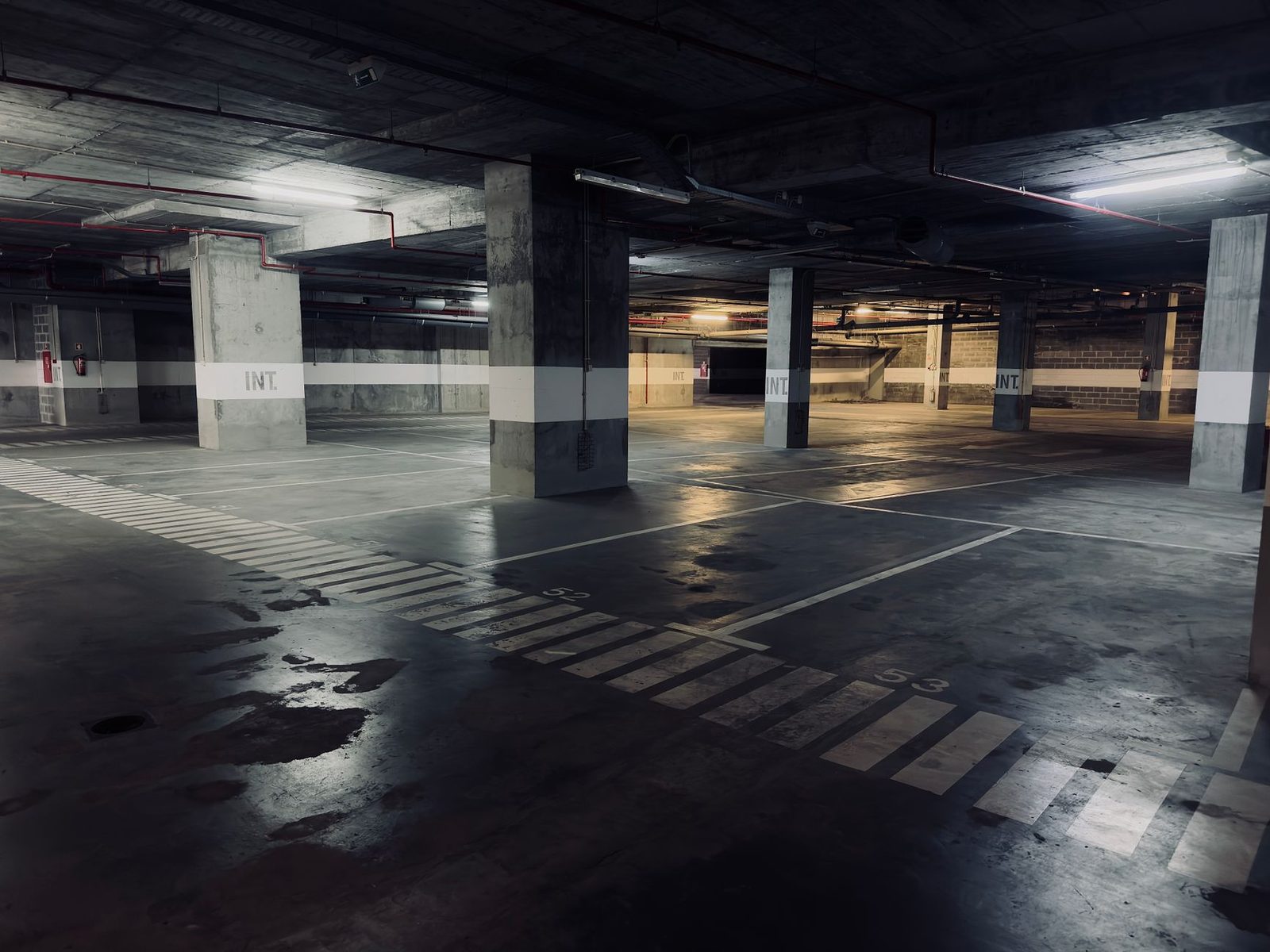
Parking Lot or Garage Incident
You were assaulted or robbed in a poorly lit or unmonitored parking area at a shopping center, apartment complex, or other commercial property.
Inadequate Security Measures
The property lacked basic protections—broken locks, no security cameras, insufficient staff, or ignored warning signs of criminal activity.
Repeat Crime Pattern
Similar crimes had occurred at the venue before, but management failed to increase security or warn guests of the known risk.
Comparative Fault Does Not Bar Your Claim
Georgia law allows you to recover even if you were partially at fault or were in an area you shouldn't have been. What matters is whether the venue failed to provide reasonable security against a foreseeable risk. We evaluate the full circumstances of your case.
Frequently Asked Questions
Do I have to prove the venue knew a crime would happen?
No. Georgia law requires only that the crime was foreseeable—meaning the venue knew or should have known of similar risks based on prior incidents, the location, or industry standards. We prove foreseeability through evidence, not hindsight.
What if I was partially at fault or was in an area I shouldn't have been?
Georgia allows recovery even when you share some responsibility. The venue's duty to provide reasonable security stands regardless. We examine all facts to determine what the property owner knew and what they should have done.
How long do I have to file a claim?
Time limits apply to negligent security claims. The sooner you contact us, the sooner we can preserve evidence, interview witnesses, and investigate the venue's security history and prior incidents.
What damages can I recover?
You may recover medical expenses, lost income, pain and suffering, and other losses resulting from the incident. We work to build a complete picture of your harm and pursue fair compensation.