
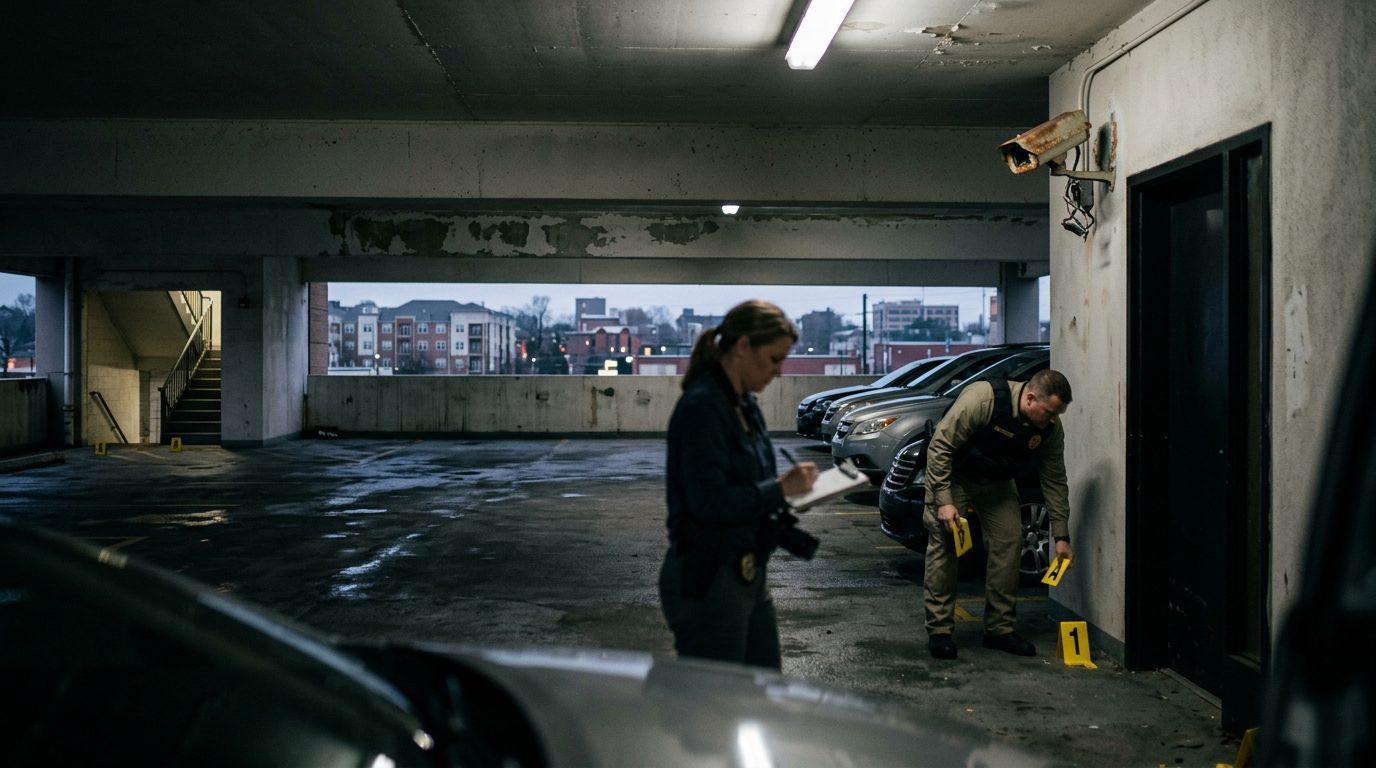
Negligent Security Lawyers | East Point & Metro Atlanta
Hurt in a Place That Should Have Been Safer? Talk With Our Team.
Slam Dunk Attorney, based in Duluth, Georgia, represents people injured in assaults and other crimes that may have been prevented by reasonable security. Your first consultation is free and confidential, with no obligation to continue.
By Peter F. Jaraysi · Published October 23, 2026
Negligent security lawyers in East Point help people who were hurt in a crime on someone else’s property. Under Georgia law, these claims ask whether the owner or manager took reasonable steps to protect people from a crime that was foreseeable. Slam Dunk Attorney is based in Duluth, Georgia, and represents people in East Point and across metro Atlanta. This page explains how these claims work, what evidence matters, and what to expect.
What a Negligent Security Claim Is and Who It Is For
A negligent security claim holds a property owner or manager responsible when weak security lets a foreseeable crime injure someone. The claim focuses on the property’s failure to protect people, not only on the attacker.
Georgia’s negligent security definition, O.C.G.A. § 51-3-50, covers any claim against an owner or occupier, or against a security contractor, that sounds in tort or nuisance and seeks damages for bodily injury or wrongful death. It arises from an alleged failure to keep the property safe from criminal or other wrongful conduct by third persons.
Under the statute, an owner or occupier includes anyone who owns, leases, occupies, operates, maintains, or manages the property, or any director, officer, employee, or agent of such person. Security contractors can face these claims too.
The injured person may bring a claim. If someone dies, a surviving spouse may recover for the homicide. If there is no spouse, a child or children may do so under Georgia’s wrongful death statute, O.C.G.A. § 51-4-2. That recovery is the full value of the decedent’s life, as shown by the evidence.
The central question is usually what the owner knew or should have known about the risk, and what it did about it.
If you were hurt in a crime on property that should have been safer, or lost a loved one that way, you may have a claim worth reviewing, and our team can talk it through with you. Talk it through with our team — the first consultation is free, confidential, and carries no obligation.
Where These Incidents Happen Across Metro Atlanta
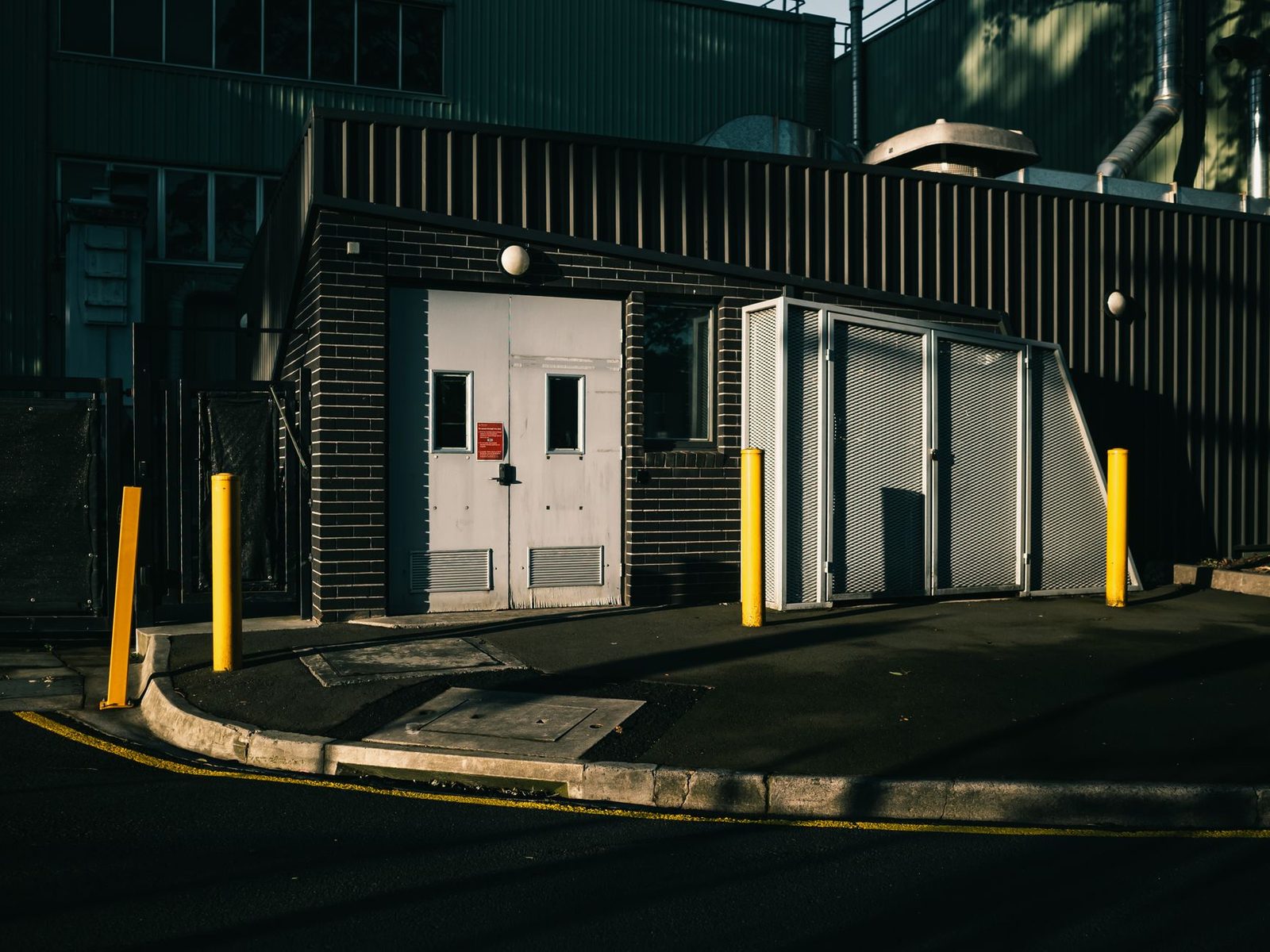
Most of these claims involve places where many people gather, park, or stay. Examples include apartment complexes, hotels, parking decks, shopping centers, bars, and short-term rentals.
Often, the main issue is what the owner knew. Under O.C.G.A. § 51-3-50(5), “prior occurrences of substantially similar wrongful conduct” are earlier incidents of wrongful conduct that are sufficiently similar in nature and character, degree of dangerousness, proximity, location, time, and circumstances to the wrongful conduct from which the negligent security claim arises to lead a reasonable person in the owner’s or occupier’s position to apprehend that such wrongful conduct is reasonably likely to occur on the premises, along with the other conditions that definition sets out. The injured person must also show that a specific and known physical condition of the premises, like a broken gate or a dark corner, created a risk of wrongful conduct substantially greater than the general risk of such wrongful conduct in the vicinity of the premises, and that the owner did not use ordinary care to fix it.
Warning signs people often notice include:
- Repeated break-ins or assaults in the same lot or building
- Broken gates, locks, cameras, or lights that stay broken
- Tenants or guests who report the same problem and see no fix
- Police calls to the property that keep happening
Owners do not have to act like police. Under Georgia’s care standard, O.C.G.A. § 51-3-55, an owner is not required to use extraordinary care or take over law enforcement duties.
The City of Cartersville’s crime prevention guidance lists reinforced locks, lighting, cameras, alarms, and staff security training as ways owners reduce opportunities for crime.
These incidents happen in many metro Atlanta communities, including East Point, Atlanta, Lawrenceville, Marietta, and Dunwoody. For local context, read our Lawrenceville guide or our Dunwoody guide.
What a Claim Can Cover and What Evidence Matters
A claim seeks money for the losses the injury caused, and those losses need proof.
General damages are those the law presumes to flow from a wrongful act. They can be recovered without proof of an exact amount. Special damages actually flow from the act, such as medical bills and lost income, and they must be proved, under Georgia’s damages rule, O.C.G.A. § 51-12-2.
Fault also matters. Georgia reduces damages by the injured person’s share of fault. A person who is 50 percent or more responsible recovers nothing, as explained in the Quynn v. Hulsey opinion.
Evidence that often matters includes:
- Police and incident reports, including report numbers
- Security footage, which can be overwritten, so asking early matters
- Photos of lighting, locks, gates, and the scene
- Maintenance, repair, and tenant complaint records
- Names and contact details of witnesses
- Medical records, bills, and receipts
Timing is a critical part of every claim. Georgia’s injury filing deadline, O.C.G.A. § 9-3-33, generally gives two years after the right of action accrues. If the attacker is prosecuted, Georgia’s tolling rule for crime victims, O.C.G.A. § 9-3-99, pauses that clock from the date of the crime until the prosecution has become final or otherwise terminated. That pause cannot exceed six years, except as otherwise provided in Code Section 9-3-33.1. Some claims follow different timing rules, so get your deadline checked early.
How the Process Works, Step by Step
The process starts with a free first consultation and moves through review, investigation, and either a demand or a lawsuit. Each matter moves at its own pace.
- Free first consultation. You describe what happened, when, and where. The consultation is confidential.
- Confidential review. The lawyers look at the facts, injuries, and any reports or records you have. They explain whether Georgia’s negligent security rules may apply.
- Investigation. This can include requesting police reports and footage, documenting security conditions at the property, and gathering medical and wage records.
- Demand or lawsuit. The firm may send a demand to the responsible party. When needed, a lawsuit may be filed, and you stay informed at each stage.
- Resolution. A case may end in a settlement or at trial.
Many cases take months, and some take longer. Your timeline depends on the facts and on how the other side responds.
Two common mistakes slow these claims. People wait too long to ask for footage, and they don’t write down the scene while memory is fresh.
Why Choose Slam Dunk Attorney for a Negligent Security Claim
Slam Dunk Attorney is based in Duluth, Georgia, and offers negligent security lawyers in East Point, across metro Atlanta, and throughout Georgia.
Peter F. Jaraysi is the responsible lawyer for this page. Brian D. Wright is also one of the firm’s lawyers. Our team includes assistants and office staff who help with records and day-to-day case work.
The firm also handles related matters that often overlap with these cases. Those include premises liability, slip and fall, wrongful death, catastrophic injuries, and nursing home abuse.
Frequently Asked Questions About Negligent Security Lawyers in East Point
These answers cover the questions people ask most often before they reach out.
Do I need to live in East Point to contact the firm?
No. The firm is based in Duluth, Georgia, and represents people in East Point and across metro Atlanta.
Is the first consultation free?
Yes. The first consultation is free, confidential, and carries no obligation to continue. If a case moves forward, you may still be responsible for court costs and case expenses.
What if the attacker was arrested or charged?
A criminal case and a civil claim are separate. Georgia can pause the civil deadline while a prosecution is pending, but not for more than six years.
Your relationship to the property matters, so bring details about why you were there.
What should I bring to the consultation?
Bring any incident report number, medical records, photos, and names of witnesses. You don’t need everything before you reach out.
Not sure what your next step is?
Talk it through with our team — the first consultation is free, confidential, and carries no obligation.
Talk With Our Lawyers About Your Incident
If you were hurt in a crime on property that should have been safer, or you lost a family member that way, you may be weighing whether to act now. Our team can review what happened and explain your options. Request a free case review with Slam Dunk Attorney’s lawyers, with no obligation to continue.
How We Can Help
Focused on Property Safety
Our practice includes negligent security claims arising from assaults and crimes on properties such as apartment complexes, parking garages, hotels, shopping centers and restaurants.
Clear, Plain-Language Answers
We explain the process in terms you can follow, so you know what to expect before you decide on next steps.
Serving East Point and Metro Atlanta
Although our office is in Duluth, Georgia, we represent people throughout East Point and the surrounding metro Atlanta communities.
Respect for What You Are Going Through
Being hurt by a crime is frightening and disorienting. We listen first and focus on what matters most to you and your family.
Act Early to Protect Important Evidence
Security camera footage, incident reports, and witness contact information can be overwritten or lost over time. If you were injured, contact us as soon as you can so we can discuss what may still be preserved.
Common Negligent Security Situations
Apartment and Complex Assaults
Attacks in common areas, stairwells, or parking lots at residential properties where residents or guests were not reasonably protected.
Parking Lot and Garage Incidents
Assaults or robberies in poorly lit, unmonitored, or unsecured parking areas at shopping centers, offices, and entertainment venues.
Hotel and Motel Injuries
Violent incidents involving guests in lodging properties where security concerns had been raised or were visible to management.
Retail and Restaurant Incidents
Attacks on customers and employees at stores, bars, and restaurants that lacked reasonable measures to deter foreseeable crime.