
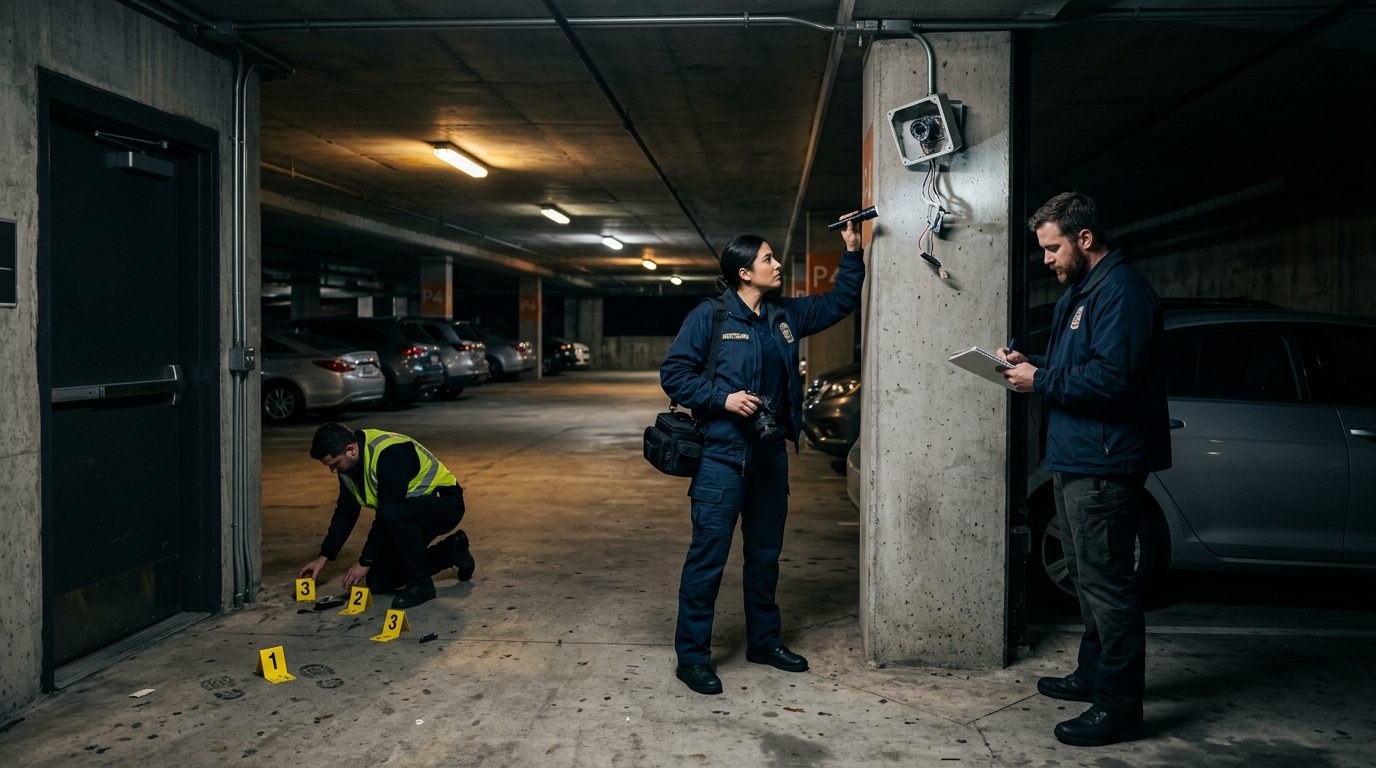
Negligent Security | Georgia Property Liability
Hurt at an Event Venue? Property Owners Have a Duty to Protect You
When inadequate security leads to assault, theft, or other criminal acts, the venue owner may be liable. We help injured people across Georgia hold negligent property owners accountable.
By Peter F. Jaraysi · Published September 19, 2026
Negligent Security at Schools, Churches & Event Venues in Georgia
When you or a loved one is injured at a school, church, or event venue in Georgia, the cause often isn’t a slippery floor or broken railing—it’s the property owner’s failure to provide reasonable security measures that could have prevented a criminal act or foreseeable harm. This failure is called negligent security, and Georgia law holds property owners accountable when they don’t take steps to protect visitors from known or reasonably foreseeable dangers.
Understanding what negligent security means, what duties property owners owe, and whether your situation qualifies for a claim is the first step toward protecting your rights.
If you or a family member were injured because a school, church, or event venue failed to provide adequate security, you may have grounds for a claim—and many people in your situation reach out to discuss what happened. Talk it through with our team — the first consultation is free, confidential, and carries no obligation.
What Is Negligent Security at Schools, Churches, and Event Venues?
Negligent security is a property owner’s failure to provide reasonable security measures that a prudent owner would maintain to protect people from foreseeable criminal acts or harm.
This concept applies to schools, churches, concert venues, sports facilities, festivals, and other gathering places where people gather. Unlike a slip-and-fall injury caused by a hazardous physical condition, negligent security focuses on the owner’s failure to protect visitors from criminal acts—assault, robbery, unauthorized entry, or violence—through inadequate lighting, lack of security personnel, broken locks, unsecured entrances, or failure to respond to known threats.
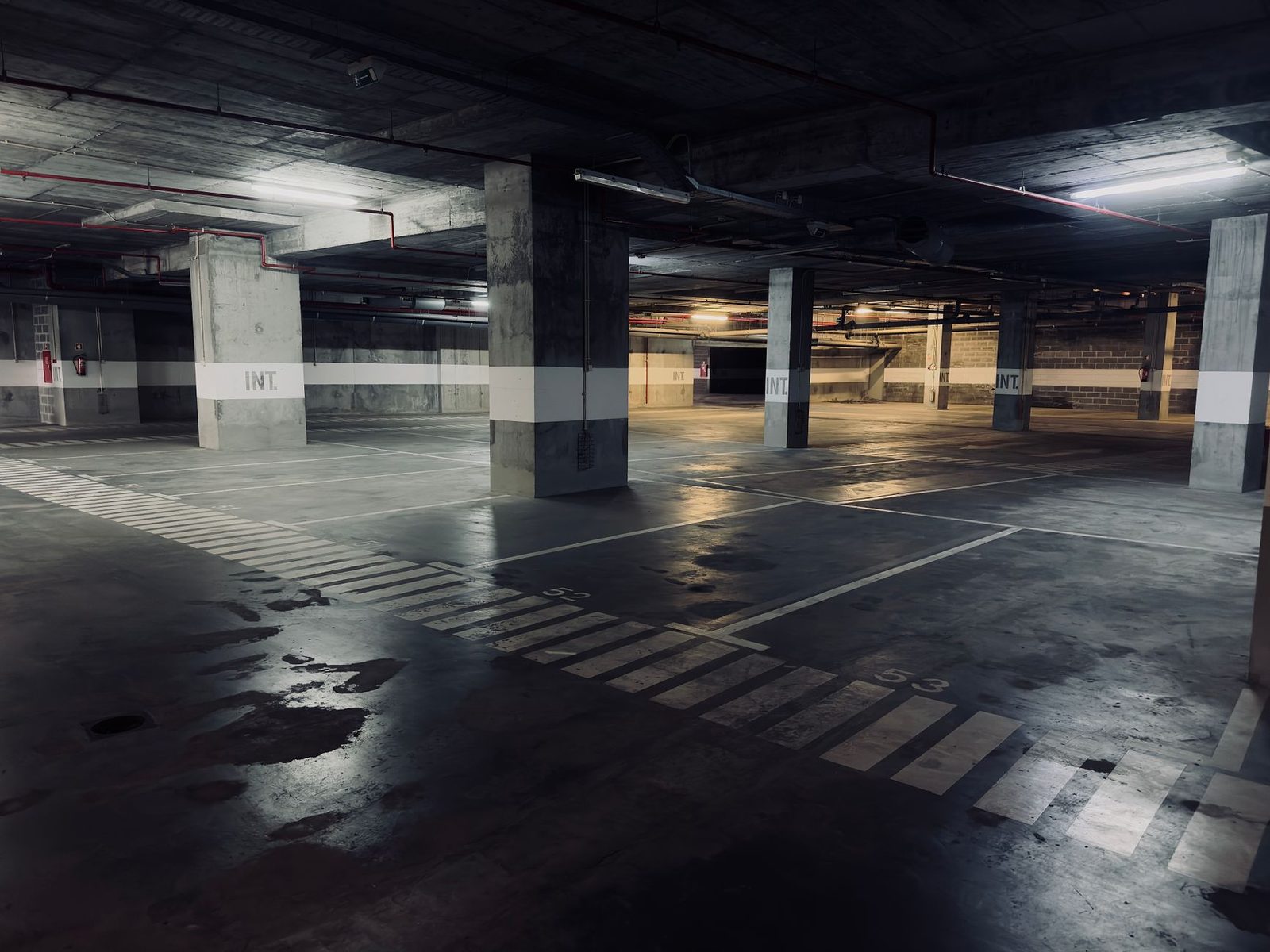
For example, if a parking lot at an event venue has no lighting and no security presence, and an attendee is assaulted there, the venue owner may be liable for negligent security. If a school fails to secure its entrances despite knowing of prior threats, and an unauthorized person enters and harms a child, the school may be liable. If a church ignores a pattern of theft or vandalism and takes no security measures, it may be liable when a visitor is robbed on the premises.
The key distinction is this: the property owner knew or should have known of a risk, and failed to take reasonable steps to address it.
The Property Owner’s Duty to Provide Reasonable Security
Georgia law recognizes that property owners have a duty to maintain reasonably safe premises for visitors and guests. This duty extends to protecting people from foreseeable criminal acts and threats when the owner knows or should know of a risk.
Schools carry a heightened duty to protect children under their care. This includes access control, supervision, response to known threats, and communication with law enforcement. Churches and event venues must assess their specific location, history, and the nature of gatherings they host to determine what security measures are reasonable.
Reasonable security may include:
- Trained security staff or personnel
- Surveillance cameras and monitoring
- Controlled access points and locked doors
- Adequate lighting in parking areas and exterior spaces
- Emergency protocols and communication systems
- Coordination with local law enforcement
- Regular security assessments and updates
What counts as “reasonable” depends on the circumstances. A small church in a low-crime area may not need armed security, but it should have working locks and a plan for responding to threats. A large event venue in an urban area hosting thousands of people may need multiple security personnel, metal detectors, and controlled entry points.
Common Negligent Security Scenarios at Schools, Churches & Event Venues
Negligent security injuries and incidents take many forms:
Assault or robbery in parking areas. A visitor is attacked in a poorly lit parking lot because the venue provided no security presence and failed to maintain adequate lighting.
Unauthorized entry and harm. An unauthorized person enters a school or church building because doors were not properly secured or monitored, and someone is injured as a result.
Injury during an event. A venue fails to screen attendees, manage crowds, or respond to disruptive individuals, and a visitor is harmed during the event.
Child abuse or abduction. A school or church fails to implement adequate supervision or access controls, allowing an unauthorized person to harm or abduct a child.
Violent incident. A venue owner ignores prior threats or complaints of suspicious behavior and fails to implement security measures. A shooting or violent incident occurs, injuring or killing attendees.
Injury in exterior areas. A property owner fails to maintain adequate lighting or security presence in parking lots, walkways, or other exterior areas where visitors are injured.
In each scenario, the common thread is that the property owner knew or should have known of a risk, and failed to take reasonable steps to prevent harm.
How Georgia Courts Evaluate Negligent Security Claims
When evaluating a negligent security claim, Georgia courts examine whether the property owner knew or should have known of a foreseeable risk of criminal activity.
Foreseeability is central. Prior incidents at the property or in the surrounding area are often key evidence. If a venue has experienced multiple thefts, assaults, or threats, courts recognize that future criminal acts are foreseeable. If a neighborhood has a history of violent crime, a property owner in that area should anticipate the need for enhanced security.
Context matters. The court considers the nature of the property, its location, the type of event or activity taking place, and the population it serves. A venue hosting a large concert in a downtown area faces different security risks than a small community gathering.
The owner’s response is critical. Did the owner ignore complaints or prior incidents? Did they refuse to implement reasonable security measures despite knowing of risks? Did they fail to communicate with law enforcement or respond to threats? The owner’s actions—or inaction—are central to the claim.
Expert testimony may be necessary. Security experts can testify about what reasonable security measures should have been in place based on industry standards, the property’s specific circumstances, and the foreseeability of the criminal act.
Differences Between Negligent Security and Other Premises Liability Claims
Negligent security and other premises liability claims are both based on the property owner’s duty to maintain safe premises, but they differ in important ways.
Negligent security focuses on criminal acts. The owner failed to protect visitors from a criminal act—assault, robbery, or violence—by failing to provide reasonable security.
Other premises liability focuses on hazardous conditions. The owner failed to maintain the property itself—a wet floor, broken stairs, a hole in the ground, or other physical hazard that caused injury.
The source of danger differs. In a negligent security claim, the danger comes from a third party’s criminal act. In a premises liability claim, the danger comes from the property’s condition.
That said, a single incident can sometimes involve both types of liability. For example, poor lighting in a parking lot allowed a criminal act to occur (negligent security) and also caused a visitor to fall and be injured (premises liability).
Not sure what your next step is?
Talk it through with our team — the first consultation is free, confidential, and carries no obligation.
What You May Be Entitled to Recover
If you have a valid negligent security claim, you may be entitled to recover damages for:
- Medical expenses related to injuries sustained in the incident
- Lost wages if you were unable to work during recovery
- Pain and suffering damages for physical and emotional harm
- In wrongful death cases, damages for loss of companionship and financial support
- Other costs directly related to the incident and your recovery
Recovery depends on the specific facts of your case, the strength of evidence showing the property owner’s negligence, and the extent of your injuries and losses. An attorney can review your situation and explain what damages may be available.
Steps to Take If You’ve Been Injured Due to Negligent Security
If you’ve been injured at a school, church, or event venue due to inadequate security, taking the right steps immediately can strengthen your claim:
Seek medical attention. Document all injuries and treatment. Keep records of all medical visits, prescriptions, and therapy.
Report the incident. Notify the property owner, school, church, or venue management in writing. Request a written incident report.
Gather witness information. Collect contact information from anyone who saw what happened. Their accounts will be valuable later.
Photograph the scene. Take photos of lighting conditions, access points, security measures (or lack thereof), and the area where the incident occurred.
Preserve video footage. Ask the property owner to preserve any security camera footage from the time of the incident. Many properties record over footage after a certain period.
Keep detailed records. Document all expenses and losses—medical bills, lost income, transportation costs, and any other costs related to the incident.
Do not sign waivers or agreements. Never sign a waiver, release, or settlement agreement without having an attorney review it first. Property owners and insurers may pressure you to settle quickly and for less than your claim is worth.
Why You Need an Attorney for a Negligent Security Claim
Negligent security claims are complex. Property owners and their insurers often dispute whether the security provided was “reasonable” and whether the criminal act was truly “foreseeable.”
Investigating foreseeability requires reviewing prior police reports, incident logs, complaints, and security practices. It may involve interviewing witnesses, obtaining security camera footage, and consulting with security experts who can testify about industry standards.
Georgia’s statute of limitations applies to negligent security claims. You must file your claim within a specific timeframe, or you may lose the right to sue. An attorney understands these deadlines and ensures your claim is filed properly.
An experienced attorney can negotiate with the property owner’s insurance company and, if necessary, pursue litigation to protect your rights and seek fair compensation for your injuries and losses.
Frequently Asked Questions
What is considered “reasonable security” under Georgia law?
Reasonable security depends on the property’s circumstances—location, history, type of activity, and foreseeability of criminal acts. It may include trained staff, surveillance cameras, controlled access, adequate lighting, and emergency protocols.
Can a property owner be held liable for a criminal act on their premises?
Yes, if the owner knew or should have known of a foreseeable risk and failed to take reasonable security measures to prevent it.
What evidence do I need to prove negligent security?
Evidence of prior incidents, police reports, complaints, security assessments, witness testimony, photographs, and expert testimony about reasonable security standards.
How long do I have to file a negligent security claim in Georgia?
Georgia’s statute of limitations applies. An attorney can advise you of the specific deadline for your claim.
What role do prior incidents play in a negligent security case?
Prior incidents at the property or in the area are key evidence that criminal acts were foreseeable and that the owner should have anticipated the need for enhanced security.
If you or a family member were injured because a school, church, or event venue failed to provide adequate security, you may have grounds for a claim. The situation you’re facing—wondering whether someone should be held responsible, whether your injuries warrant legal action, and what your next steps should be—is one our team helps people navigate regularly. Contact us for a free case review to discuss what happened and explore your options. There’s no obligation, and we can answer your questions about whether you have a claim.
Know Your Rights
Property owners in Georgia—including event venues, concert halls, nightclubs, and entertainment spaces—have a legal duty to maintain reasonable security measures. When they fail to do so and you are harmed as a result of a criminal act on the premises, you may have a claim for negligent security.
What Makes a Venue's Security Negligent?
Inadequate Staffing or Training
Venues that fail to employ enough trained security personnel, or staff who lack proper training in threat assessment and emergency response, may be liable if a criminal act occurs that trained security could have prevented or minimized.
Poor Lighting and Access Control
Parking areas, entrances, exits, and grounds that are poorly lit or lack controlled access create opportunities for criminal activity. Property owners are expected to maintain visibility and restrict unauthorized entry.
Missing Surveillance or Emergency Systems
The absence of working security cameras, alarm systems, or emergency communication protocols can constitute negligence, especially at venues with a history of criminal incidents or a high-risk location.
Failure to Address Known Risks
If a venue is aware of prior criminal activity, gang presence, or safety complaints and takes no action to improve security, that negligence may make the owner liable for foreseeable harm.
Why Choose Slam Dunk Attorney for Your Negligent Security Claim
We Focus on Negligent Security Cases
We represent people injured due to inadequate venue security across Georgia. We understand the duty property owners owe and how to prove they fell short.
Local Knowledge, Statewide Reach
Based in Duluth, Georgia, we serve injured people throughout metro Atlanta and across the state, including Lawrenceville, Johns Creek, Alpharetta, Marietta, Norcross, Kennesaw, and Dunwoody.
Plain-Language Guidance
We explain your rights and options in clear, straightforward terms—no legal jargon. You'll understand your claim and what to expect every step of the way.
Thorough Investigation
We gather security footage, incident reports, prior complaints, and expert testimony to build a strong case showing the venue owner's negligence.
Common Questions About Event Venue Negligent Security
What is 'reasonable security' under Georgia law?
Reasonable security depends on the venue's circumstances—its location, history, type of event, and the foreseeability of criminal acts. It may include trained staff, surveillance cameras, controlled access, adequate lighting, and emergency protocols tailored to the risk.
Can a property owner be liable for a criminal act on their premises?
Yes. Property owners have a duty to provide reasonable security to protect guests from foreseeable criminal acts. If inadequate security allows a crime to occur that could have been prevented, the owner may be held liable for negligent security.
What if the venue says the criminal is solely responsible?
The criminal's actions do not shield the property owner from liability. Georgia law recognizes that owners can be negligent in their duty to protect guests, even when a third party commits the crime. Both may bear responsibility.
Do I need to prove the venue knew a crime would happen?
No. You must show that the crime was foreseeable based on the venue's location, prior incidents, or the nature of the event—and that reasonable security measures could have prevented or reduced the harm.
Injured at an Event Venue? We're Here to Help.
Related practice areas
- Negligent Security Lawyer in Georgia | Injured on Unsafe Property
- Postal Worker Dog Bite Lawyer Georgia | Slam Dunk