
Negligent Security Attorney | Duluth, Georgia
Hurt Because Someone Else Failed to Keep the Property Safe?
Slam Dunk Attorney represents people injured in assaults, robberies and other crimes on property where security was lacking. Your first consultation is free, confidential, and comes with no obligation to continue.
How We Work With You
Listening First
We start by hearing what happened, where it happened, and how it has affected your life and your family.
Reviewing the Facts
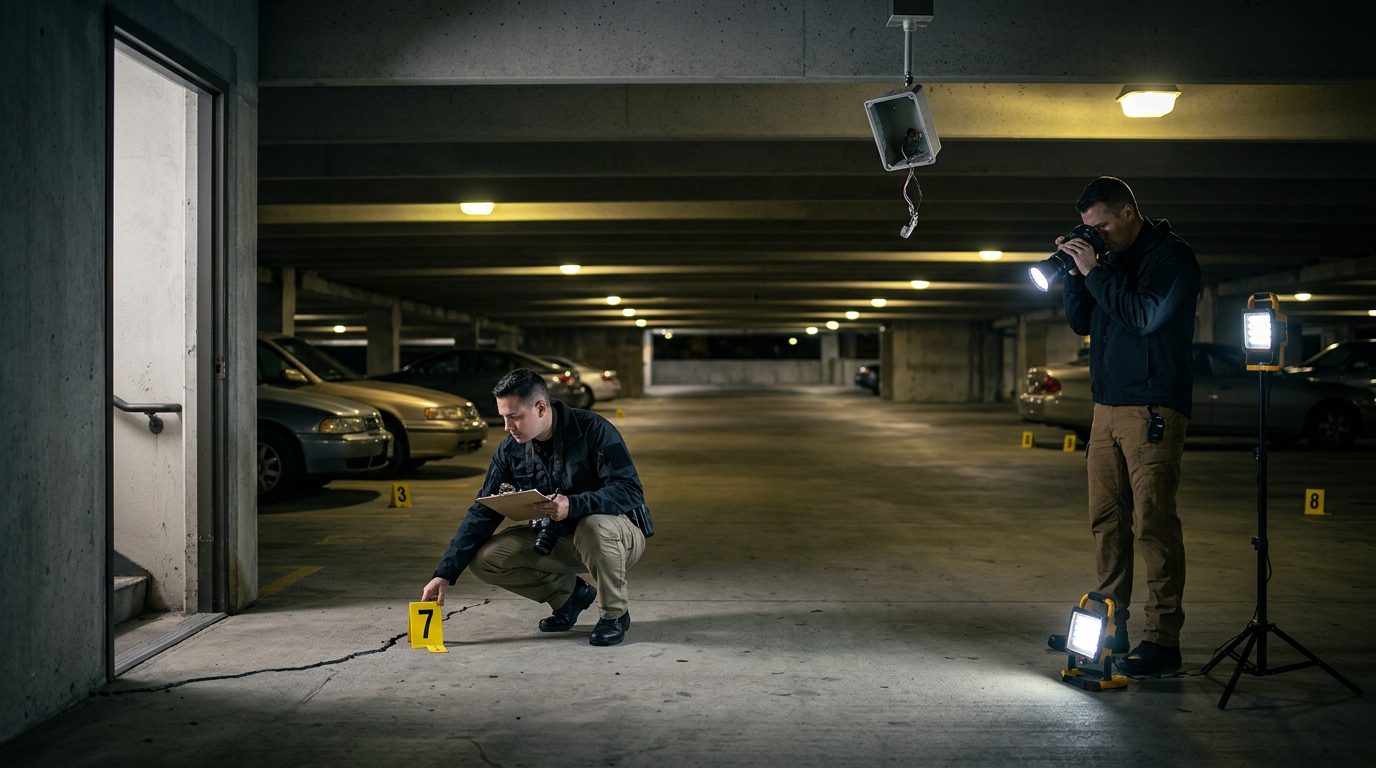
Our team looks at incident reports, property records, surveillance footage when it is available, and medical documentation.
Clear Explanations
Our lawyers, Peter F. Jaraysi and Brian D. Wright, explain your options in plain language so you can make informed decisions.
Support Through Recovery
We keep you informed at every step while you focus on healing and getting back to daily life.
By Peter F. Jaraysi · Published October 24, 2026
If you were hurt in an assault, robbery, or shooting on property that lacked reasonable security, Georgia law may allow a claim against the property owner or manager. A negligent security claim looks at what the property did, or failed to do, to protect people from crime. Slam Dunk Attorney is a personal injury firm based in Duluth, Georgia. This page explains how these claims work, what they can cover, and what happens after you reach out. Each case turns on its own facts, so treat this as a starting point.
What Negligent Security Means in Georgia
A negligent security claim is a claim that a property owner or occupier failed to keep people reasonably safe from crime. Georgia’s statute describes it as a claim for bodily injury or wrongful death that arises from a failure to keep the premises safe from the wrongful conduct of third persons (Georgia negligent security statute). The attacker is the third person. The claim targets the property’s role.
For an invitee, such as a customer, guest, or tenant’s visitor, the injured person must prove several things. The attacker’s conduct must have been reasonably foreseeable. The owner must have failed to use ordinary care to fix or reduce a specific, known physical condition of the property. That failure must have been a proximate cause of the injury (Georgia negligent security statute).
The statute also sets limits. It says an owner is not liable to a trespasser, or for an injury on premises used as a single-family residence. Those limits matter when you look at your own facts.
Claims come from many people. Apartment residents, hotel guests, shoppers, restaurant and bar patrons, and people in parking lots and parking decks can all be affected. Families of people killed in these incidents may also bring wrongful death claims.
If an assault or shooting hurt you on a property with weak security, you may have a claim worth reviewing, and our team can review it with you at no cost. Talk it through with our team — the first consultation is free, confidential, and carries no obligation.
What a Negligent Security Claim Can Cover
A claim can seek money for the losses an injury causes. Georgia separates general damages from special damages. General damages are presumed to flow from a wrongful act and can be recovered without proof of an exact amount. Special damages are losses that actually flow from the act, and they must be proved (Georgia damages statute).
Common losses in these cases include:
- Medical care: emergency treatment, surgery, rehabilitation, and counseling. Georgia limits medical expense damages to the reasonable value of medically necessary care (Georgia medical expense statute).
- Lost income: missed work now and reduced ability to earn later.
- Pain and emotional harm: anxiety, sleep problems, and fear after a violent attack.
- Property loss: damaged or stolen items and other out-of-pocket costs.
- Catastrophic injuries: traumatic brain injury, paralysis, amputation, or severe burns, where long-term care is part of the claim.
When a crime leads to a death, Georgia law lets the personal representative recover funeral, medical, and other necessary expenses that resulted from the injury and death (Georgia wrongful death statute). Our team reviews these losses with the family from the first call.
Who May Be Responsible for Inadequate Security
Responsibility can reach the owner or occupier of the property and certain security contractors. The statute defines an owner or occupier as anyone who owns, leases, occupies, operates, maintains, or manages the property (Georgia negligent security statute). A security contractor can be liable only to the same extent as the owner, and only if it took on a duty to keep part of the premises safe.
Fault is often shared. The law requires the jury to assign fault to the owner, to the third person who committed the crime, and to other persons who share fault (Georgia negligent security statute). Under Georgia’s apportionment rules, a jury may assign fault to the attacker, and the property owner is liable only for its own percentage of fault.
Prior incidents often matter most. The statute looks at prior substantially similar crimes on the premises the owner knew about. It also looks at similar crimes on adjoining property or within 500 yards of the premises that the owner knew about (Georgia negligent security statute).
Useful evidence often includes:
- Police calls and incident reports for the property
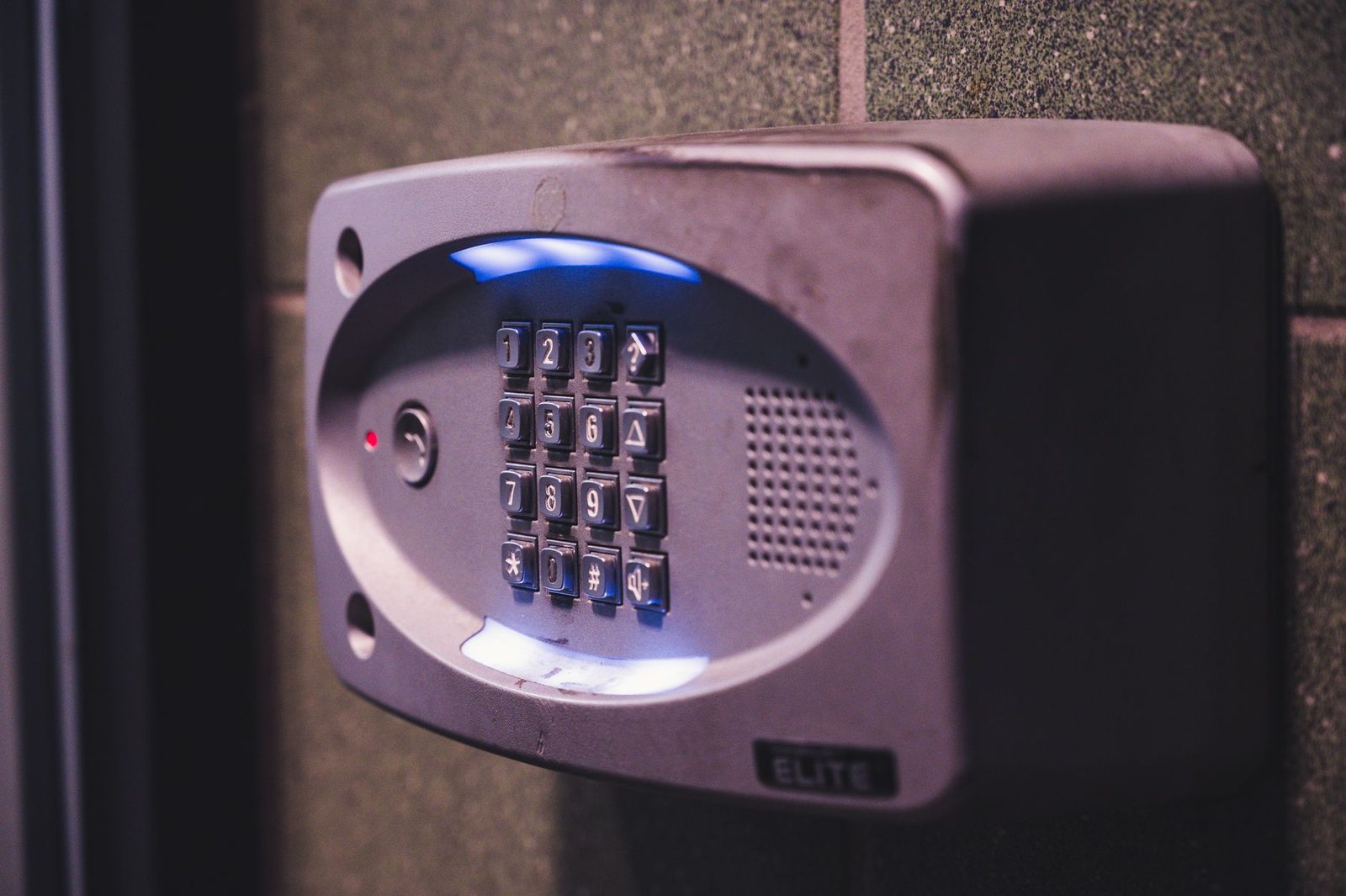
- Lighting, camera, and gate records
- Staffing levels on the date of the incident
- Repair requests about broken locks, doors, or gates
Crime prevention guidance from the City of Cartersville lists reinforced locks, lighting, cameras, alarms, and staff security training as ways owners can reduce foreseeable criminal entry (Cartersville crime prevention guidance). Those are the kinds of measures we look at.
How Our Process Works, Step by Step
The process starts with a free, confidential consultation. It then moves through records, evidence, investigation, and a claim or lawsuit if one is needed.
- Consultation. You describe what happened, where, and what injuries followed.
- Document review. We gather medical records, the police report, photos, and any messages with the property.
- Preservation. We send written requests to keep video, incident logs, and maintenance records. Some of these can be overwritten, so timing matters.
- Investigation. We review prior crime history on and near the property and the security measures in place on the date of the incident.
- Claim and negotiation. We present the claim to the responsible parties and their insurers.
- Lawsuit if needed. If a claim cannot be resolved, a lawsuit may be filed. Georgia law says actions for injuries to the person must be brought within two years after the right of action accrues (Georgia statute of limitations).
The timeline depends on the facts, the insurers involved, and how quickly records are produced. We cannot promise a specific timeline or outcome.
About Slam Dunk Attorney in Duluth
Slam Dunk Attorney is a personal injury firm based in Duluth, Georgia. It represents people hurt in negligent security incidents, premises liability cases, slip and fall accidents, wrongful death claims, and catastrophic injury cases. The firm represents clients in Atlanta and nearby communities, including Lawrenceville, Johns Creek, Alpharetta, Marietta, Norcross, Kennesaw, and Dunwoody.
Peter F. Jaraysi is the responsible lawyer for this page. Brian D. Wright is also one of the firm’s lawyers. Our team handles intake, records requests, and follow-up calls.
The first consultation is free, confidential, and carries no obligation to continue. If you decide to hire the firm, you may still be responsible for court costs and case expenses, and we will explain those before you decide.
Because one intake can cover several claim types, we can check whether your facts fit negligent security, premises liability, or another area we handle.
Frequently Asked Questions
Do I have to be a tenant to have a claim?
No. The statute protects invitees, which can include guests, customers, and visitors.
Can I still have a claim if the attacker was arrested?
Yes.
Does a prior crime on or near the property matter?
It can. Prior similar incidents on the property, or within 500 yards that the owner knew about, bear on whether the crime was foreseeable.
How long do I have to file?
Georgia generally requires actions for injuries to the person to be brought within two years after the right of action accrues.
What if I was partly at fault?
Georgia reduces damages by your percentage of fault. A plaintiff who is 50 percent or more responsible receives no damages (Georgia fault apportionment statute).
What should I bring to the call?
Bring the police report number, medical records or bills, photos, and any messages with the property or its manager.
Not sure what your next step is?
Talk it through with our team — the first consultation is free, confidential, and carries no obligation.
Talk to Our Team at No Cost
If an assault or shooting hurt you or someone you love on a property with weak security, you may have a claim worth reviewing. Medical bills and missed work can start piling up quickly, and early steps can protect evidence. Request your free, confidential consultation with Slam Dunk Attorney, and ask for Peter F. Jaraysi.
Responsible lawyer: Peter F. Jaraysi, Slam Dunk Attorney, Duluth, Georgia. Contact the firm through the contact page.
Protect Your Evidence Early
If you were hurt on someone else's property, try to keep photos of the scene, the names and contact information of any witnesses, a copy of any police or incident report, and every medical record and bill. Evidence can be harder to gather as time passes. Do not post detailed accounts of the incident or your injuries on social media before speaking with a lawyer.
Places Where Negligent Security Claims Can Arise
Apartment and Condo Communities
Unlocked gates, broken door locks, poor lighting and ignored tenant complaints about crime can all play a role in an attack.
Shopping Centers and Parking Lots
Retail and parking areas that lack adequate lighting, cameras or patrols may leave visitors exposed to robbery and assault.
Hotels, Motels and Short-Term Rentals
Guests at hotels and vacation rentals such as Airbnb and VRBO properties may be harmed when basic security measures are missing.
Bars, Restaurants and Entertainment Venues
Venues that fail to control known problems, check entry, or respond to threats may expose patrons to violence.
Talk With Slam Dunk Attorney About Your Negligent Security Case
Related practice areas
- Negligent Security Lawyer in Georgia | Injured on Unsafe Property
- Negligent Security in Lawrenceville
- Fulton County Dog Bite Lawyer | Free Consultation
- Truck Accidents Alpharetta: Rules and Deadlines