
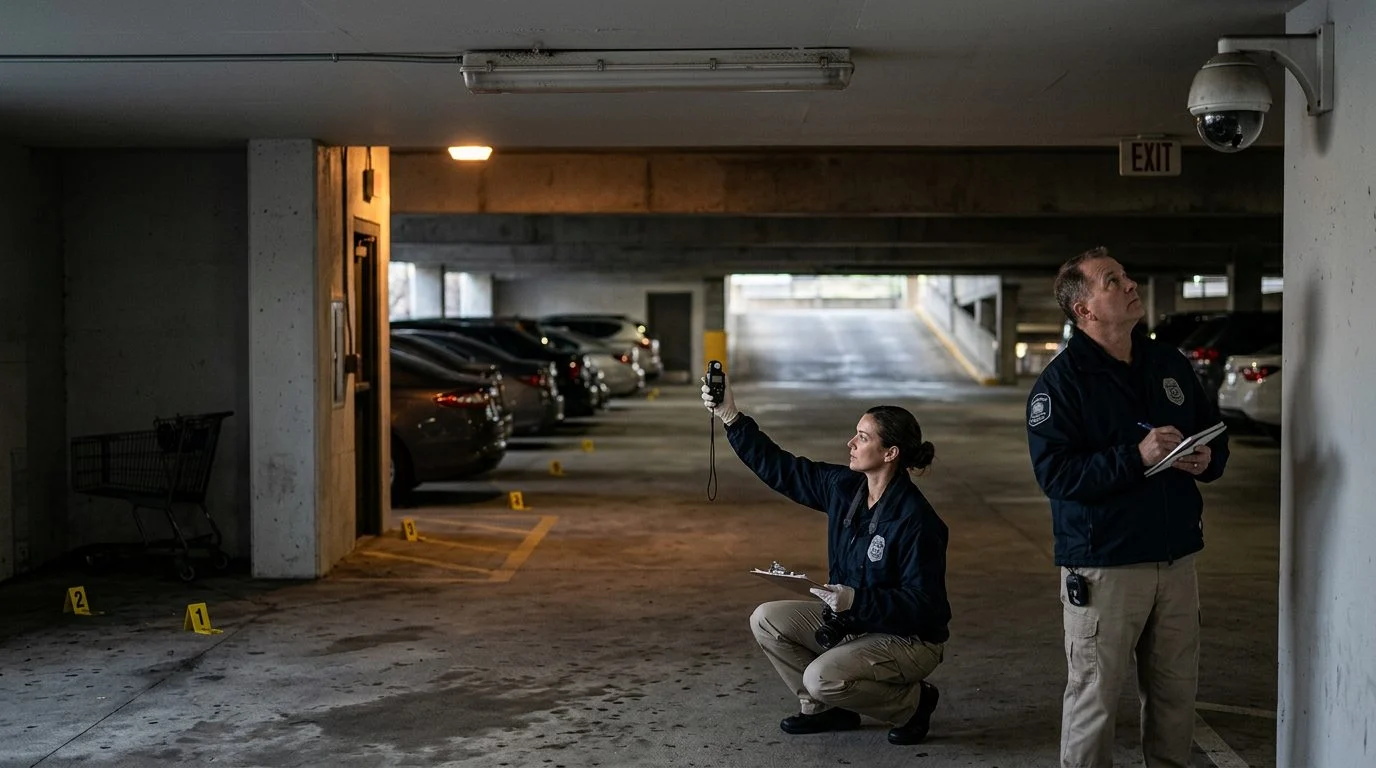
Premises Liability | Georgia
Injured by Negligent Security? Get Help from a Georgia Premises Liability Attorney
Property owners have a duty to keep visitors safe. When they fail, we hold them accountable.
By Peter F. Jaraysi · Published September 23, 2026
When Can You Sue a Property Owner for Security Negligence? A Georgia Legal Guide
A property owner can be held legally responsible for harm you suffer due to inadequate security if the crime or attack was foreseeable and the owner failed to take reasonable steps to prevent it. Security negligence is a type of premises liability claim—and Georgia law recognizes that property owners owe visitors a duty to protect them from foreseeable criminal acts by third parties.
This guide explains what security negligence is, what you must prove, and whether your situation may support a claim.
If you were harmed on someone else's property because of inadequate security—in a parking lot, building, business, or other location—you may have grounds for a claim; people in your situation reach out to us regularly to understand their options. Talk it through with our team — the first consultation is free, confidential, and carries no obligation.
What Is Security Negligence?
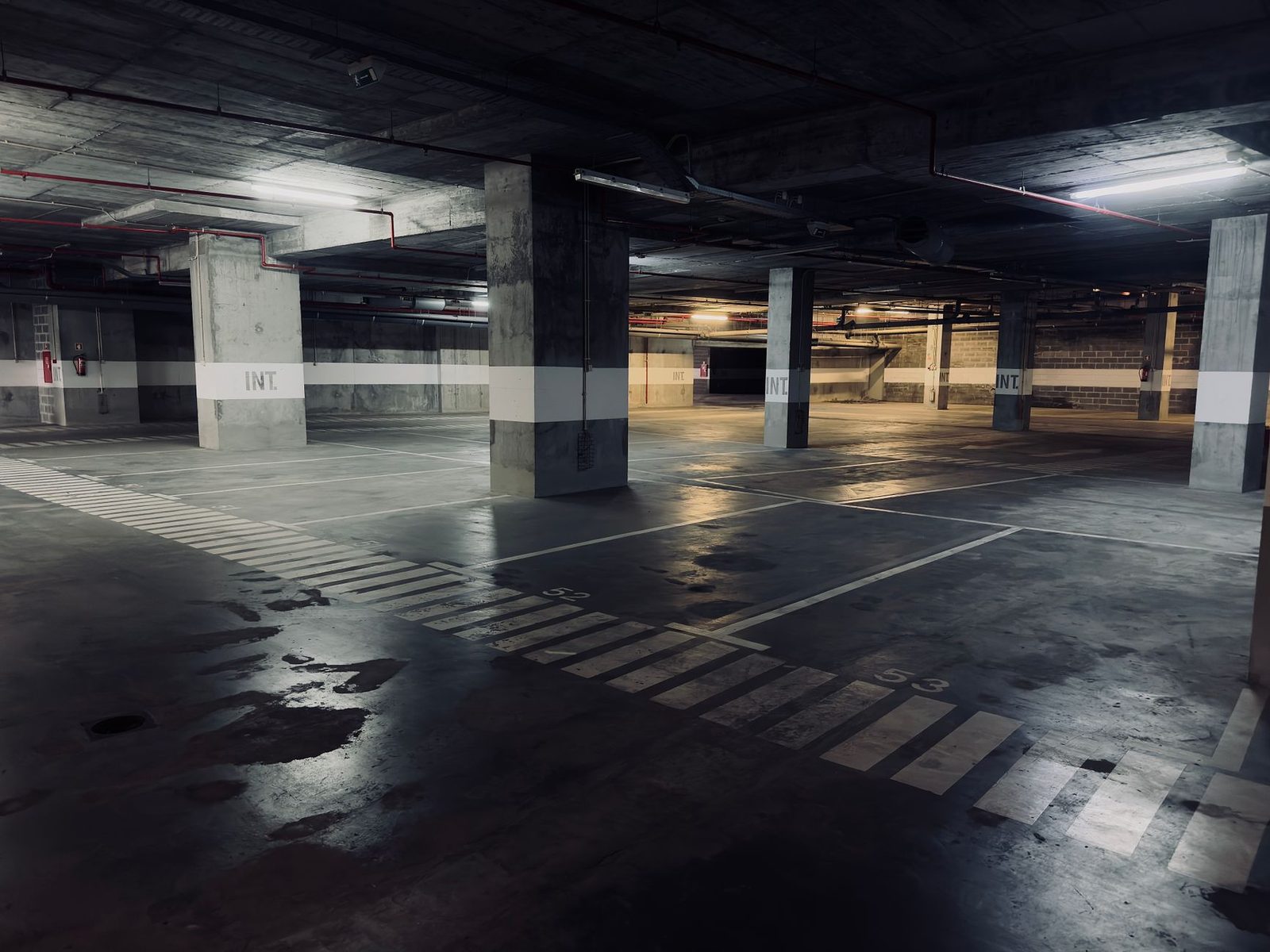
Security negligence occurs when a property owner fails to provide reasonable security measures, and that failure allows a criminal act to harm you. It’s distinct from other premises liability claims like slip-and-fall injuries or harm from structural defects. Instead of a hazard on the property itself, a security negligence claim focuses on the owner’s failure to protect you from foreseeable harm caused by another person’s criminal conduct.
Why does this matter? Property owners have a legal duty to protect lawful visitors—customers, tenants, guests, employees—from dangers they should reasonably foresee. When a property owner ignores that duty and someone gets hurt as a result, the owner may be liable for your injuries and losses.
The Legal Duty: What Property Owners Owe
Georgia law recognizes that property owners owe a duty of reasonable care to anyone lawfully on their property. That duty includes protecting visitors from foreseeable criminal acts by third parties—strangers, burglars, assailants, and others.
The key word here is foreseeable. A property owner isn’t responsible for every random crime. But if the type of crime or harm was reasonably foreseeable based on the property’s location, history, or circumstances, the owner has a legal obligation to take reasonable security steps.
Courts in Georgia examine several factors to determine foreseeability:
- Prior criminal activity on or near the property
- Crime rates in the surrounding neighborhood
- Time of day and visibility
- Type of property (parking lot, retail store, apartment building, hotel)
- Industry standards for similar locations
- Known security vulnerabilities the owner was aware of
For example, a hotel in a high-crime area with a history of robberies has a higher duty to provide security than a hotel in a safe neighborhood with no prior incidents. A convenience store in a location with multiple armed robberies should have better security than one in a low-crime area.
Breach of Duty: When Security Falls Short
A breach of duty occurs when a property owner fails to take reasonable steps to prevent foreseeable harm. Reasonable security measures may include:
- Adequate lighting in parking areas, hallways, and common spaces
- Working locks and alarm systems
- Security cameras and surveillance
- Security personnel or staff presence
- Clear sightlines and removal of hiding spots
- Regular maintenance and prompt repair of security systems
- Access controls or restricted entry points
The standard is not perfection—it’s reasonableness given the circumstances and the foreseeability of risk.
Examples of breach include:
- Leaving a commercial building unlocked despite prior break-ins
- Failing to repair broken lighting in a parking area where assaults have occurred
- Ignoring a known security system malfunction
- Operating a bar or nightclub without adequate security staff despite a history of violent incidents
- Failing to maintain working locks on tenant doors in an apartment building in a high-crime area
Causation and Injury: Connecting the Dots
You must show that the inadequate security directly caused your harm. The criminal act must be the type that was foreseeable; the property owner is not liable for every random, unforeseeable crime.
You must also have suffered actual injury or loss: physical harm, emotional distress, medical expenses, lost wages, property damage, or other measurable damages.
For example, if a business failed to install working locks and a burglar entered because of that failure, causation is clear. But if a business had excellent security and someone used a sophisticated method to bypass it, the owner may not be liable because the harm wasn’t foreseeable.
Foreseeability: The Critical Factor
Foreseeability is the most important factor in negligent security cases. Georgia courts focus heavily on whether the harm was reasonably foreseeable to the property owner.
A property owner is not liable for unforeseeable crimes, but is liable if the risk was reasonably apparent based on the facts they knew or should have known. This includes:
- Prior criminal activity on the property itself
- Criminal activity in the immediate area or neighborhood
- Reports or complaints from tenants, customers, or employees about safety concerns
- Industry knowledge about crime in that type of location or neighborhood
- Security breaches or system failures the owner was aware of
The foreseeability analysis is fact-specific. What’s foreseeable in a downtown Atlanta parking garage may differ from what’s foreseeable in a suburban retail plaza.
Not sure what your next step is?
Talk it through with our team — the first consultation is free, confidential, and carries no obligation.
Common Negligent Security Scenarios
In the negligent security cases our attorneys handle, we see patterns that often support viable claims:
- Parking lot or garage assault or robbery with inadequate lighting, no security cameras, no security personnel, or poor visibility
- Break-in or theft at a business or residence due to broken locks, malfunctioning alarms, or ignored security vulnerabilities the owner knew about
- Assault at a bar, nightclub, or event venue where security staff failed to prevent or respond to violence, or where the venue had no security despite prior incidents
- Carjacking or vehicle theft from a lot with no surveillance, lighting, or security measures
- Home invasion or burglary where a landlord failed to maintain working locks or address known security issues
What You Must Prove
To succeed in a negligent security claim in Georgia, you must establish four elements:
- Duty: The property owner owed you a duty of care. (They did—you were lawfully on the property.)
- Breach: The property owner breached that duty by failing to provide reasonable security measures.
- Causation: The breach directly caused your injury.
- Damages: You suffered measurable harm—physical injury, medical costs, lost income, pain and suffering, or other losses.
Additionally, you must show that the harm was foreseeable based on the circumstances known to the property owner.
Defenses Property Owners May Raise
Property owners often defend negligent security claims by arguing:
- The crime was not foreseeable given the property’s location and history
- They took reasonable security measures and the criminal act was extraordinary or unforeseeable
- You were partially at fault or assumed the risk by being on the property
- The criminal act was the sole cause, and their negligence did not contribute
- You were not lawfully on the property (trespassers receive a lower duty of care)
Understanding these defenses helps you see where your claim may be strong or face challenges.
Time Limits and Next Steps
Georgia has a statute of limitations for personal injury claims, including negligent security. Generally, you have two years from the date of injury to file a lawsuit. After that deadline passes, you lose the right to sue.
Prompt action is important for several reasons:
- Security footage is often recorded over or deleted after 30–90 days
- Memories fade, and witnesses become harder to locate
- Physical evidence may disappear
- The property owner may make changes that destroy evidence of the security failure
Gathering evidence early—security footage, police reports, prior incident reports, witness statements, photographs of the property—strengthens your claim significantly.
Frequently Asked Questions
What counts as “reasonable security” under Georgia law?
Reasonable security depends on the foreseeability of harm. A hotel in a high-crime area should have more security than one in a safe neighborhood; a parking garage should have lighting and cameras; a bar with a history of violence should have trained security staff.
How do courts decide if a crime was foreseeable?
Courts look at prior criminal activity on or near the property, the neighborhood’s crime rate, the type of property, industry standards, and any security vulnerabilities the owner knew about.
Can I sue if I was partially at fault?
Georgia recognizes comparative negligence (shared fault). Even if you were partially responsible, you may still recover damages, though your award may be reduced by your percentage of fault.
How long do I have to file a lawsuit?
You generally have two years from the date of injury under Georgia law; after that, your claim is barred.
What damages can I recover?
You may recover medical expenses, lost wages, pain and suffering, property damage, and other measurable losses caused by the inadequate security.
If you were harmed on someone else's property because of inadequate security—in a parking lot, building, business, or other location—you may have grounds for a claim; people in your situation reach out to us regularly to understand their options. Talk it through with our team — the first consultation is free, confidential, and carries no obligation.
Moving Forward
If you were harmed on someone else’s property because of inadequate security—in a parking lot, building, business, or other location—understanding whether your situation meets the legal requirements is the first step. The analysis of foreseeability, breach, and causation can be complex, and the facts of your case matter greatly.
Our team at Slam Dunk Attorney handles negligent security claims across metro Atlanta and Georgia. If you’d like to discuss whether you have a viable claim and what your options are, reach out for a free consultation. Many people in your situation—injured due to a property owner’s failure to provide adequate security—have found it helpful to talk through the details with an attorney who understands Georgia premises liability law.
Why Choose Slam Dunk Attorney for Your Negligent Security Claim
We Focus on Premises Liability
Negligent security cases require a deep understanding of property owner duties and foreseeability. We know how to investigate and prove when a business or property owner failed to protect you.
Thorough Investigation & Evidence
We gather security footage, incident reports, prior crime data, and expert testimony to build a strong case showing the property owner knew or should have known of the danger.
Clear, Honest Communication
We explain your rights and options in plain language. You'll understand what happened, what we're doing, and what to expect—without legal jargon.
Available Across Metro Atlanta & Georgia
Based in Duluth, we serve injured people throughout the Atlanta area and across Georgia who've been harmed by inadequate security on someone else's property.
Common Negligent Security Scenarios
Assault or Robbery in a Parking Lot or Garage
A property owner may be liable if they failed to provide adequate lighting, cameras, or security personnel despite knowing the area was high-risk or had a history of crime.
Crime at a Bar, Restaurant, or Retail Store
Businesses with a pattern of violence or criminal activity have a duty to hire trained security staff, control access, and take reasonable steps to prevent foreseeable harm to customers.
Break-In or Theft at an Apartment or Hotel
Landlords and hospitality businesses must maintain working locks, secure entry points, and adequate security measures appropriate to the neighborhood and property type.
Assault on Premises with Known Prior Incidents
If a property owner was aware of previous crimes or dangerous conditions but took no action, they may be held responsible for injuries from foreseeable criminal acts.
Important: Foreseeability Matters
Georgia law requires that the crime or harm be reasonably foreseeable based on the property's location, history, and the owner's knowledge. We investigate whether the property owner knew—or should have known—that inadequate security created a risk of harm.
Frequently Asked Questions
What counts as 'reasonable security' under Georgia law?
Reasonable security depends on foreseeability. A hotel in a high-crime area should have more security than one in a safe neighborhood; a parking garage should have lighting and cameras; a bar with a history of violence should have trained security staff. The standard is what a reasonable property owner would provide given the circumstances.
How do courts decide if a crime was foreseeable?
Courts look at prior criminal activity on or near the property, the location's crime rate, the type of business, complaints or reports the owner received, and industry standards for similar properties. If similar crimes happened before, a later incident is often considered foreseeable.
What do I need to prove in a negligent security case?
You must show that the property owner owed you a duty of care, that they breached that duty by failing to provide reasonable security, that their failure caused your injury, and that you suffered damages. We investigate and gather evidence to establish each element.
How long do I have to file a claim?
Time limits apply to negligent security claims. The sooner you contact us, the sooner we can preserve evidence, interview witnesses, and protect your rights. Don't delay.