

Catastrophic Injury Claims | Duluth, Georgia
Received an Early Settlement Offer After a Catastrophic Injury?
Before you respond to an insurance adjuster, take time to understand what the offer covers, what it may leave out, and how your recovery is likely to unfold.
By Peter F. Jaraysi · Published November 15, 2026
Should I Accept an Early Settlement Offer After a Catastrophic Injury in Georgia?
Not sure what your next step is?
Talk it through with our team — the first consultation is free, confidential, and carries no obligation.
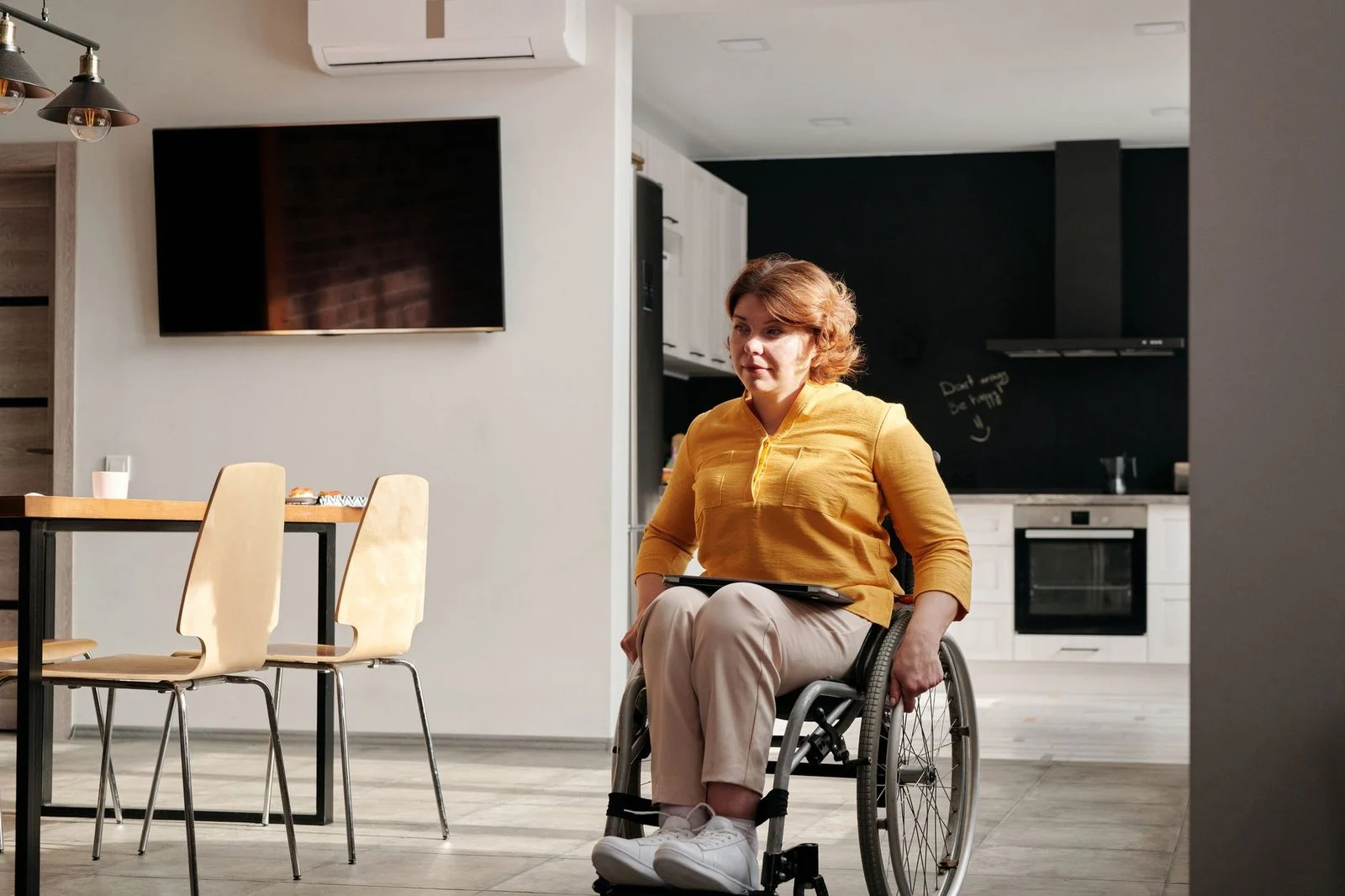
Why an Early Settlement Offer Feels Urgent After a Catastrophic Injury
Whether I should accept an early settlement offer after a catastrophic injury in Georgia comes down to one question. Does the money cover what the injury will cost over time?
If you’re reading this, you may be in a hospital bed. You may be sitting beside someone in rehab. You may be making a decision for a family member. A spinal cord injury, traumatic brain injury, amputation, severe burns, or paralysis changes daily life fast.
An offer often arrives while doctors are still running tests and planning treatment. Bills keep coming, and that pressure is real. Still, you don’t have to answer right away. A fair decision needs the full picture of the injury, not just the first few weeks.
Why Insurance Companies Make Early Settlement Offers
An early offer usually comes from an insurer that wants to close a claim before the full cost of the injury is documented.
Adjusters work for the insurance company. Their job includes managing what claims cost. An early offer is often based on the first medical records and bills. Those records may not yet show future surgery, long-term care, or permanent limits.
A quick offer isn’t always a poor one. Still, the timing matters. Ask yourself why the offer came now.
Adjusters may also ask for a recorded statement early on. You can be polite and still say you’ll talk after you understand what the statement is for. Keep answers short and factual. Don’t guess about your prognosis or your future. If you’re still in treatment, say so.
What Makes an Injury Catastrophic Under Georgia Law and Why It Changes the Math
In plain terms, a catastrophic injury is a serious injury whose costs can last for years. Our catastrophic injury claims guide explains the broader definition.
Paralysis is a loss of muscle function. It can result from spinal cord injuries. The Brain Trauma Foundation notes that traumatic brain injuries can range from mild to catastrophic. Recovery after spinal cord injury can change over time, which is why a spinal cord recovery review links prognosis to a period of observation.
These injuries often bring lifetime costs. Those include ongoing medical care, rehabilitation, home changes, equipment, and attendant care. Lost earning capacity and lost quality of life are hard to value early.
Georgia law lets a jury reduce future money losses to present value. The jury may use a 5 percent rate or another rate it finds appropriate, under O.C.G.A. § 51-12-13.
Questions to Answer Before You Decide on an Early Settlement Offer in Georgia
Before you decide, get clear answers to a few basic questions. Start with your medical future. Has a doctor given a prognosis? Are future surgeries or care expected? Can you return to the same work?
Next, look at who else has a claim against the money. Health insurers, Medicare, Medicaid, and other payers may seek repayment. Those claims can shrink what you keep.
Georgia limits medical damages to the reasonable value of medically necessary care. See O.C.G.A. § 51-12-1.1. If treatment was given under a letter of protection, the billing arrangement can be examined in a claim.
See O.C.G.A. § 51-12-33.
Coverage matters too. Ask about underinsured coverage too. The total value of a claim and the cost of future care are separate questions. An offer may cover only the first.
What Signing a Release Means
A release is a final document. It’s built to close a claim against the people and companies it names.
Read it closely before you sign. Check which parties it covers. Check whether it includes future medical costs or only past bills. Look for confidentiality terms. Look for indemnity terms, which can ask you to repay others if they are sued later. A short deadline is a reason to ask questions, not a reason to sign.
Many crashes involve more than one responsible party. Trucking companies, rideshare companies, and property owners may each share blame. Under O.C.G.A. § 51-12-33, a plaintiff’s damages are reduced in proportion to the plaintiff’s percentage of fault (subsection (a)), a plaintiff who is 50 percent or more responsible for the injury or damages claimed is not entitled to receive any damages (subsection (g)), and damages apportioned among liable people are not joint liability (subsection (b)).
Not sure what your next step is?
Talk it through with our team — the first consultation is free, confidential, and carries no obligation.
Deadlines to Understand: Time Limits for Georgia Injury Claims
Georgia generally gives two years to bring most injury claims, under O.C.G.A. § 9-3-33. Claims for loss of consortium have four years under the same statute.
An insurer’s offer deadline is a negotiation timeline. The filing deadline comes from the statute. The two are not the same.
If an injured person dies later from the injuries, the claim can change.
Steps to Take While You Decide
The safest first step is to organize your records and pause before you sign anything.
Keep medical records, itemized bills, the accident report, and photos. Keep a log of every call and letter from the insurer, with dates and names.
Write down questions your medical team has not answered. Cover prognosis, future care, and work limits. Ask for the answers in writing.
Keep a simple list of how the injury affects daily life. Include sleep, mobility, work, and family tasks. This record helps when someone later looks at future losses.
Don’t sign a release or give a recorded statement until you understand what it covers.

Talk With Our Team About the Offer in Front of You
If an offer just arrived and you’re still healing, you don’t have to decide it alone. Our team can review it against the full picture of the injury.
Frequently Asked Questions
Should I accept an early settlement offer after a catastrophic injury in Georgia?
Check the offer first. Know your prognosis, your future care needs, and any payer claims before you decide.
How long do I have to file an injury claim in Georgia?
Georgia generally allows two years for most injury claims, under O.C.G.A. § 9-3-33.
Does signing a release close my claim?
A release is built to close claims against the parties it names. Read its terms before you sign.
Our first consultation is free, confidential, and carries no obligation to continue. You can contact our team here to talk through the offer in front of you.
Slam Dunk Attorney is based in Duluth, Georgia. Peter F. Jaraysi is the responsible lawyer for this page. Nothing on this page promises or predicts a result in any case.
Questions to Weigh Before You Accept
Your medical picture
Serious injuries often take time to show their full course. Consider whether your doctors have finished evaluating your condition before you decide.
Future care needs
Think about rehabilitation, equipment, home modifications, and ongoing treatment that may be needed later, not only the bills you have today.
Liens and payer claims
Health insurers, Medicare, Medicaid, or other payers may have claims against an injury recovery. Learn what is owed before you agree to any figure.
What the release says
Read every term and ask what rights you would be giving up.
Pause Before You Sign
An adjuster may ask for a quick answer. You are not required to decide on the spot. Do not sign a release or cash a check tied to a settlement until you understand what it resolves.
How We Can Help You Review an Offer
Share the details
Tell us about the accident, your injuries, and the offer letter or documents you received.
Review the offer together
We look at the proposed amount alongside your medical records, future care needs, and any payer claims.
Discuss your options
We explain what the offer may and may not cover so you can decide with clear information.