

Caregiving After Injury | Duluth, Georgia
Can a Family Member Be Paid for Caregiving After an Injury in Georgia?
Many families who care for a hurt loved one wonder whether that work can be part of a claim. Here is how it is usually viewed, and what to think about first.
By Peter F. Jaraysi · Published November 15, 2026
Can a Family Member Be Paid for Caregiving After Catastrophic Injury in Georgia?
Not sure what your next step is?
Talk it through with our team — the first consultation is free, confidential, and carries no obligation.
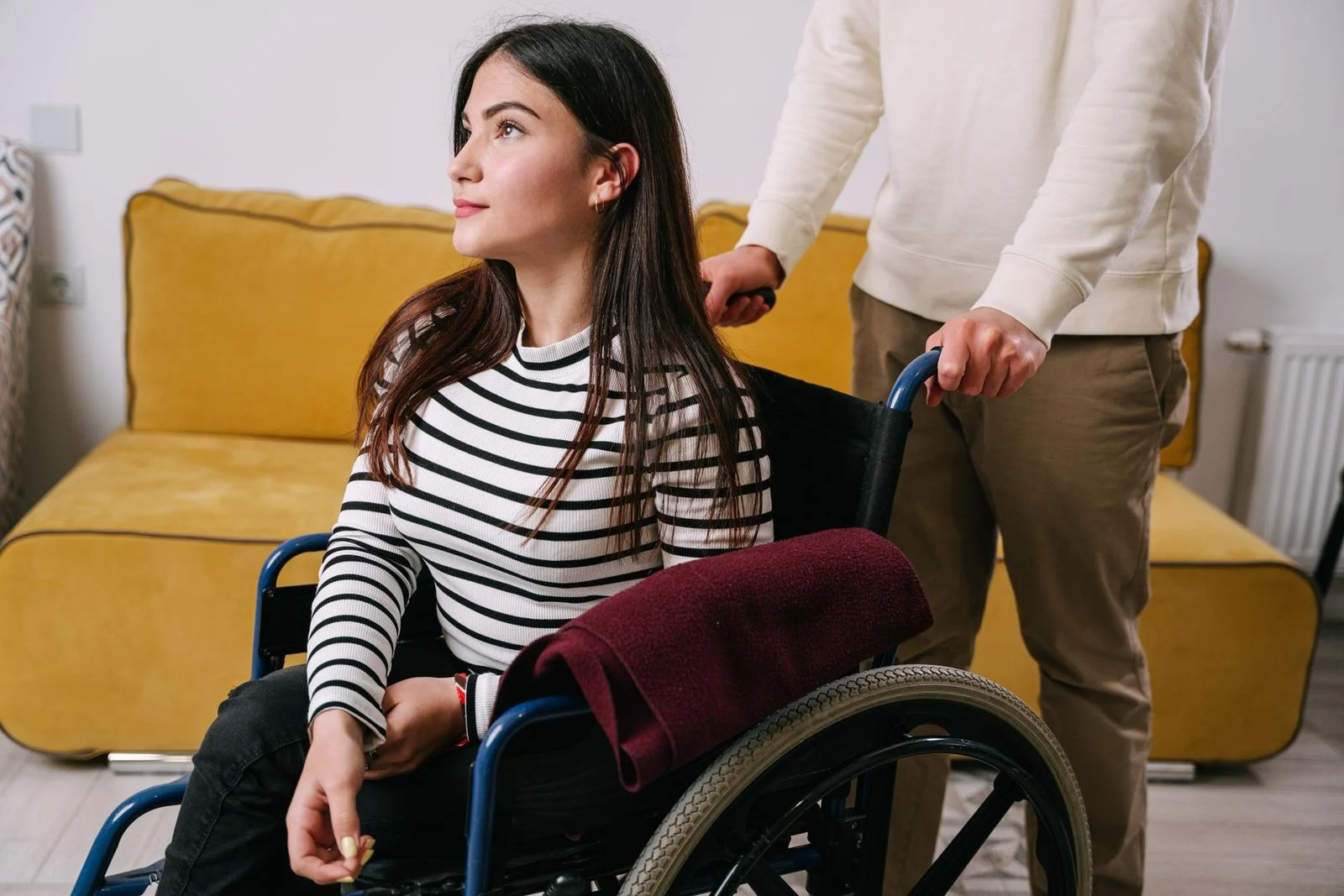
The Short Answer: Sometimes, and It Depends on the Source of Payment
Sometimes. A family member can be paid for caregiving after a catastrophic injury in Georgia, but whether that happens depends on where the money comes from. Two routes matter most.
Qualifying for one route does not automatically mean the other applies. Each has its own requirements. It helps to understand both before you make plans for your loved one’s care.
Why the Question Comes Up After a Catastrophic Injury
Families ask this question because the daily work is heavy and constant. After a spinal cord injury or paralysis, traumatic brain injury, amputation, or severe burns, a loved one may need help with bathing, transfers, medication, wound care, supervision, and medical appointments. MedlinePlus paralysis overview explains that paralysis is a loss of muscle function and can result from a spinal cord injury.
The Brain Trauma Foundation guidelines note that traumatic brain injuries can range from mild to catastrophic. Many families cut work hours or leave their jobs to meet these needs. That lost income adds real strain at home. Asking whether this care can be paid for is a reasonable question. Many families in this position ask it.
Can a Family Member Be Paid for Caregiving Through Georgia Medicaid Programs?
The program sets its own rules, and they are not the same as a private arrangement.
Paid family caregiving typically runs through an approved agency or provider, not a private deal with the family.
Pay rates, enrollment steps, and program rules change over time. Confirm current details with the administering agency and the care provider involved before you plan around them.
How a Personal Injury Claim Can Account for Future Care
A personal injury claim can seek money for future care when another party’s carelessness caused the injury. Georgia law separates general damages from special damages. General damages are those the law presumes flow from a wrongful act. They may be recovered without proof of an amount, under O.C.G.A. § 51-12-2. Special damages actually flow from the act. They must be proved.
Necessary expenses from an injury are a legitimate part of the damages estimate, under O.C.G.A. § 51-12-7. When figuring the present value of future medical expenses, living expenses, lost wages, or other economic damages, the judge or jury may reduce them to present value using a 5 percent discount rate or any other rate it finds appropriate, under O.C.G.A. § 51-12-13.
Medical expenses are limited to the reasonable value of medically necessary care, under O.C.G.A. § 51-12-1.1. Either side may challenge the reasonableness of projected expenses or the need for a treatment. A peer-reviewed study on natural recovery looks at how recovery unfolds after spinal cord injury. That is one reason prognosis gets revisited over time. Medical providers, life care planners, and economists often help estimate future care needs. The outcome of any claim is not predictable.
Records That Help Support Caregiving Claims
Keep a daily care log. Write down hours worked, tasks performed, medications given, and any change in your loved one’s condition. A simple notebook or phone note works if you update it every day.
Also keep discharge summaries, therapy notes, and physician orders. Save receipts for supplies, equipment, and travel to appointments. These records support necessary expenses.
Track lost work too. Keep pay stubs, employer letters, or tax records that show missed hours or reduced income for the family caregiver.
Dated records are easier to use than memories rebuilt months later. Start the log now, even if you’re not sure which route you’ll take.
Not sure what your next step is?
Talk it through with our team — the first consultation is free, confidential, and carries no obligation.
Respite Care and Protecting the Caregiver’s Health
Respite care is temporary relief that lets a family caregiver rest. It can be arranged through Medicaid program providers or through private agencies. Ask about it early, before exhaustion sets in.
Caregiver exhaustion is common. Planned breaks protect the caregiver’s health. They also keep care steady for the injured person. A tired caregiver has less room for error with medications, transfers, and warning signs.
Respite needs can be written into the care plan. They may also come up in future care discussions if a claim is pursued.
Questions to Bring to a Georgia Injury Attorney
Bring these questions to a lawyer early, because the answers shape both routes.
- Did another party’s negligence cause the injury? Common examples include car, truck, motorcycle, pedestrian, rideshare, dog bite, premises, and nursing home incidents.
- Is the injured person enrolled in Medicaid or applying for it? Ask how a claim could affect those benefits.
- What records already exist, and what should start today?
- Could a fault dispute reduce the recovery? Under O.C.G.A. § 51-12-33, damages are reduced by the injured person’s percentage of fault. The injured person cannot recover any damages at 50 percent or more responsibility.
- What time limits apply? Georgia sets filing deadlines for injury claims, and they vary by claim type. Review them promptly.
About This Information and the Responsible Lawyer
This page is general information about Georgia law and programs. It is not legal advice for any specific situation.
Peter F. Jaraysi is the responsible lawyer for this page at Slam Dunk Attorney. The firm’s lawyers, including Peter F. Jaraysi and Brian D. Wright, handle catastrophic injury matters across metro Atlanta and Georgia. The firm’s office is in Duluth, Georgia. Contact information is on the firm’s contact page.
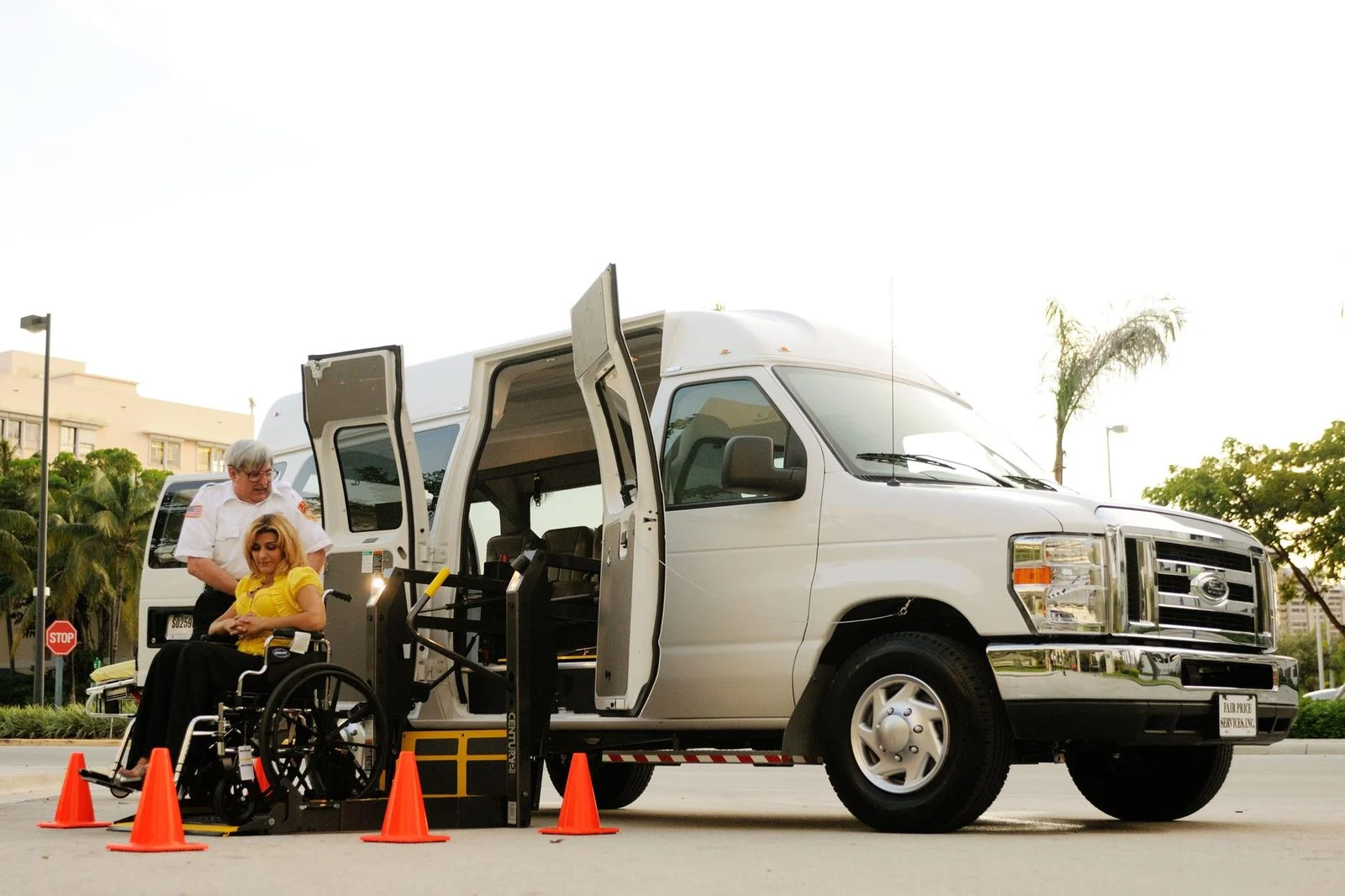
Talk With Our Team About Your Family’s Caregiving Situation
A free, confidential first consultation is a good place to start when a loved one needs daily care after a serious injury. The consultation carries no obligation to continue.
If you are the one providing that care, you may be weighing whether to cut hours or step away from your job. Those choices carry real costs for your family.
Quick Answers to Common Questions
Can a family member be paid for caregiving after catastrophic injury Georgia residents face?
Sometimes. Pay depends on the program or the claim, and it is never automatic.
Does a personal injury claim cover care a family member provides?
A claim may seek compensation for necessary care costs. The amount depends on the facts of the case.
What should I start doing now?
Begin a daily care log and keep every receipt, discharge paper, and therapy note.
Our team can talk through your loved one’s injury, the care needed at home, and how a claim may address those costs. Reach out through our contact page to start that conversation.
How our team approaches family caregiving questions
Plain-language answers
We explain how caregiving may fit into an injury claim without legal jargon, so you know what to expect.
Careful record review
We help you organize medical notes, bills and care logs so the full picture of your family's needs is clear.
Attention to your family
Caring for someone after a serious injury is demanding. We listen to your concerns and focus on what matters most to your household.
Confidential conversations
Your questions and details are kept private while we review your situation.
Start a simple care log now
Write down the date, the tasks performed, and the hours spent on each day of care. Keep receipts for supplies, transportation and medical equipment. Clear notes make it easier to discuss your family's situation later.
What a caregiving discussion often covers
The injured person's care needs
Medical providers, therapy, daily living help and home modifications are often the starting point for the conversation.
Who provides the care
Family members may provide hands-on support, supervision or coordination. The type of care and the details of the household both matter.
Records that help
Medical reports, care schedules, receipts and written notes can help show what care was needed and who provided it.
Your first step
The first consultation is free, confidential and carries no obligation to continue. It is a good time to ask questions about your family's situation.