

Pedestrian Accidents | Duluth, Georgia
Hurt in a Pedestrian Accident? Start With These Steps
Clear, practical guidance for the first hours and days after a serious crash, from a Duluth personal injury firm that represents injured people across metro Atlanta and Georgia.
Immediate Steps After a Pedestrian Crash
Call 911 and Get Medical Care
Call 911 if anyone is hurt. Get checked by a doctor even if you feel fine, because some injuries, including head injuries, may not show symptoms until hours or days later.
Get the Police Report Number
Ask the responding officer for the report number and how to obtain the finished report. A written record of the scene can matter later.
Document the Scene
If you are able, photograph the vehicles, crosswalk, traffic signals, road conditions, and your injuries. Write down the names and contact details of any witnesses.
Keep Records and Think Before You Speak
Save medical bills, prescriptions, and notes about missed work. Be careful about what you post online and what you say to insurance adjusters before you have spoken with a lawyer.
By Peter F. Jaraysi · Published November 15, 2026
First-Week Steps After a Serious Pedestrian Accident in Georgia
If you were hit by a vehicle while walking in Georgia, knowing what to do after a serious pedestrian accident in Georgia matters, and the first week matters a lot. Get medical care, report the crash to police, document the scene, protect your records, and slow down on insurance calls. Here is what to do after a serious pedestrian accident in Georgia, in the order it usually matters.
This page gives general information about Georgia law and common practice. It is not advice about your specific situation. The steps are simple, but they’re easy to miss when you’re hurting, scared, or helping someone else. The responsible lawyer for this page is Peter F. Jaraysi of Slam Dunk Attorney. Contact details are in the disclaimer at the end.
If you're helping someone through this week or facing it yourself, you don't have to sort out the calls, bills, and deadlines alone. Talk it through with our team — the first consultation is free, confidential, and carries no obligation.

Why the First Week Matters After a Serious Pedestrian Accident in Georgia
The first week sets the record that matters later. Medical visits, police reports, witness names, and physical evidence all start to fade quickly.
You may be the person who was hit. You may also be a spouse, adult child, parent, or friend handling hospital calls, insurance letters, and bills. Either way, the job feels huge. Start with what protects health, then protect the record.
A person on foot has no vehicle around them for protection. That’s why injuries can be serious. Some of them don’t show up for hours or days.
Call 911 and Get Emergency Medical Care
Call 911 right away if the crash just happened. Get medical care even if the person says they feel fine. Don’t move a badly hurt person unless they are in immediate danger.
Some injuries are hidden at first. Head injuries are one example. The Brain Trauma Foundation prehospital guidelines state that traumatic brain injuries can range from mild to catastrophic. They may cause coma, death, and serious health effects. A quick “I’m fine” isn’t enough.
The emergency room creates the first medical record. Records made close to the crash help show what happened and when. Keep copies of discharge papers. Attend every follow-up visit, imaging test, and referral to another doctor. Stopping care early can leave gaps that are hard to fill later.
Make Sure the Police Report Is Filed
A police report is the first official record of the crash. Ask for the report number at the scene. Write down the officer’s name too.
Georgia’s pedestrian rules matter here.
Note the location, crosswalk markings, the signal, and what the driver said. Describe facts, not guesses about fault. If the driver left the scene, still report it to police. Write down the vehicle type, color, any partial plate, and the direction it went.
Ask how to get the finished report. Read it for errors.
Document the Scene, the Vehicle, and the Witnesses
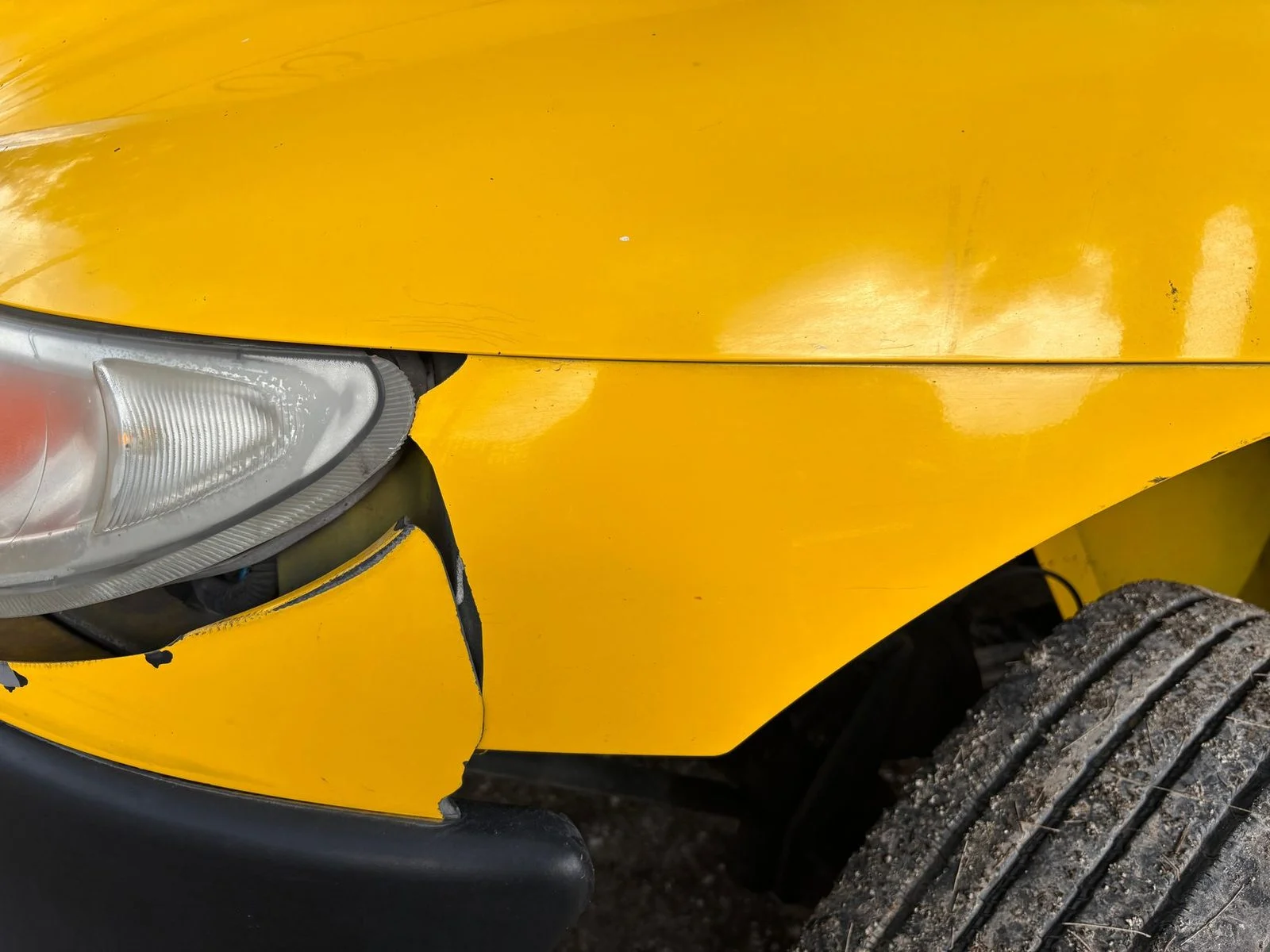
Take photos and gather witness details as soon as it’s safe. Photograph the location, crosswalk, traffic signals, signs, lighting, and weather. Take wide shots and close-ups of the vehicle and any damage.
Witnesses often leave before police finish. Get each witness’s name and phone number now. Ask what they saw, especially the signal or the crosswalk.
From the driver, record the name, insurer, policy number, license plate, and vehicle details. If the vehicle belongs to a company or employer, write that down too.
Nearby businesses may have security cameras. Ask them to save footage from the time of the crash. Many systems overwrite video on a set schedule, so don’t wait.
Preserve Evidence, Records, and a Daily Log
Keep the items you had with you: clothing, shoes, bags, phones, and any medical device such as a brace or wheelchair. Photograph them before you repair or discard anything.
Create one folder or file for all paperwork. Include medical bills, explanation of benefits forms, prescription receipts, and mileage to appointments. Track every out-of-pocket cost.
Start a simple daily journal. Note pain, sleep, mobility, missed work, and tasks you can’t do now. Write in your own words, each day. Notes made close to the event are more useful than memories months later.
Serious injuries can change daily life for a long time. MedlinePlus explains that paralysis is a loss of muscle function. It can result from catastrophic injuries such as spinal cord injuries.
Keep social media quiet about the crash and your activities. Insurance adjusters can review public posts.
Not sure what your next step is?
Talk it through with our team — the first consultation is free, confidential, and carries no obligation.
Handle Calls From Insurance Companies Carefully
Tell your own auto insurer about the crash soon. Georgia law requires auto liability policies to contain uninsured motorist coverage provisions, so ask your insurer how they may apply to you (Georgia uninsured motorist coverage law).
The other driver’s insurer may call quickly. You don’t have to answer every question on the first call. Many people prefer to speak with a lawyer before giving a recorded statement.
Keep a call log. Write the adjuster’s name, the date and time, and what was said. Avoid guesses about speed, distance, or how the crash happened. Saying “I don’t know” is fine when it’s true.
Early offers may not reflect the full medical picture, since injuries can surface later. Take time before signing any release or medical authorization. Read what it allows.
Know the Georgia Deadlines and Fault Rules
Georgia generally gives two years to file an injury lawsuit. The law says actions for injuries to the person must be brought within two years after the right of action accrues, except for actions involving loss of consortium, which must be brought within four years (O.C.G.A. § 9-3-33). Don’t wait to learn your timeline.
Some claims have shorter notice rules. Under O.C.G.A. § 36-33-5, a person with a claim for money damages against a municipal corporation for injuries to person or property must present the claim in writing to the municipal corporation’s governing authority within six months of the happening of the event upon which the claim is predicated, stating the time, place, and extent of the injury, as nearly as practicable, and the negligence which caused the injury. The description of the extent of the injury must include the specific amount of monetary damages being sought.
Timing can differ for some people.
Fault also matters. Georgia reduces damages by the injured person’s percentage of fault (O.C.G.A. § 51-12-33). If the injured person is 50 percent or more responsible, they cannot receive damages under that rule. Whether a claim exists depends on the facts.
Caring for an Injured Pedestrian Who Cannot Manage Alone
A family member often takes over calls, records, and deadlines when the injured person can’t. Brain and spinal injuries can make decisions and paperwork hard for a time. Research published through PubMed Central describes recovery timelines after traumatic spinal cord injury and the factors that affect them.
Ask the care team who may receive information about the injured person. Ask which forms need a signature. Keep a copy of any document that gives someone authority to act.
Keep a list of every doctor, therapist, and facility. Include phone numbers and visit dates. Keep a simple caregiver log of calls made, who was spoken to, and what was decided. This prevents confusion later.
Common Mistakes to Avoid in the First Week
Most early mistakes are simple to avoid with a plan.
- Stopping medical follow-up because the person feels better.
- Posting about the crash, injuries, or activities online.
- Throwing away damaged clothing, phones, or equipment before documenting them.
- Accepting a quick insurance offer without reading the paperwork.
- Waiting to write down details. Memories of the scene fade fast.
- Assuming the police report is complete. Read it and ask about errors.
Talk With Our Team About Your Pedestrian Accident
Working through this week beside a hospital bed, or sorting a stack of bills and insurance letters, is hard. Many people in this spot are not sure which steps matter most. Sorting out the order of things is a good first move.
Our team can talk through the crash, the injuries, and the timing questions that apply to your situation.
What should I do after a serious pedestrian accident in Georgia?
Call 911, get medical care even if you feel fine, and get the police report number at the scene.
Do I need a police report after a pedestrian accident?
Yes. Get the report number at the scene and ask how to get the finished report.
How long do I have to file a claim in Georgia?
Georgia generally gives two years to file an injury lawsuit, though other deadlines can apply (O.C.G.A. § 9-3-33).
Can I recover damages if I was partly at fault?
You cannot receive damages under that rule if you are 50 percent or more responsible (O.C.G.A. § 51-12-33; Quynn v. Hulsey (2020)).
If you’re helping someone through this week or facing it yourself, you don’t have to sort out the calls, bills, and deadlines alone. Contact our team for a free, confidential first consultation, with no obligation to continue.
Disclaimer: This page gives general information about Georgia law. It is not legal advice for any specific case. Responsible lawyer: Peter F. Jaraysi, Slam Dunk Attorney, Duluth, Georgia. Contact: https://slamdunkattorney.com/contact-us/
How Our Firm Can Help
Free Case Review
We listen to what happened, review the injuries and paperwork you have, and explain the options in plain language.
Protecting Your Interests
Our team focuses on personal injury cases and works to protect your interests while you concentrate on recovering.
Organizing the Evidence
We help gather police reports, medical records, photos, and witness information so the full picture is documented.
Clear Communication
We keep you informed at each stage and answer your questions without pressure.
Be Careful With Insurance Calls
Insurance adjusters may contact you quickly and ask for a recorded statement. Speaking with a lawyer before you give any statement or sign any release can help you avoid mistakes that are hard to undo.